
Curry leaves are a popular ingredient in Indian cuisine, known for their distinct flavor and aroma. Grow leaves plant is not only a fun hobby but also a great way to have a constant supply of fresh leaves for your cooking. In this blog article, we will discuss how to grow curry leaves plant from seed, how to grow curry leaf plant at home, how to grow curry leaves plant from cutting and health benefits of curry leaves.
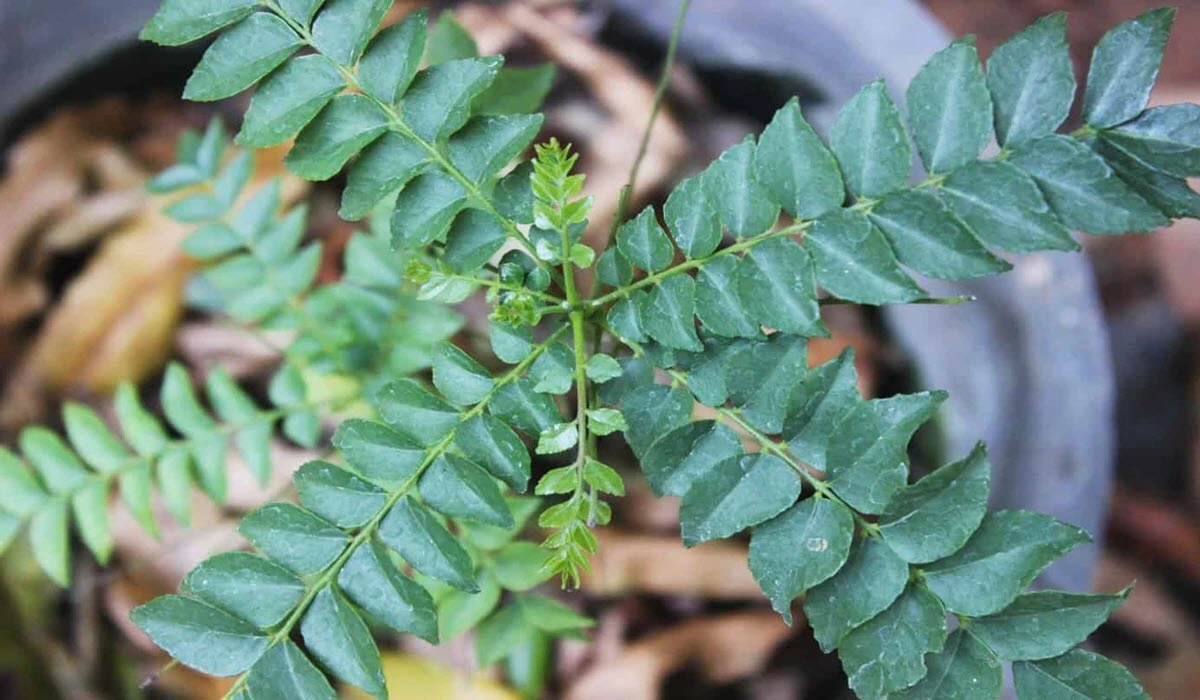
Select the Right Pot and Soil
The first step in growing curry leaves plant is selecting the right pot and soil. Curry leaves plant need a pot that is at least 12 inches deep and wide enough to accommodate their growth. Choose a pot with good drainage and holes at the bottom to prevent waterlogging. The soil should be well-drained and rich in organic matter. You can use a mix of potting soil and compost or cow dung to provide the necessary nutrients to the plant.
Planting the Curry Leaf Plant
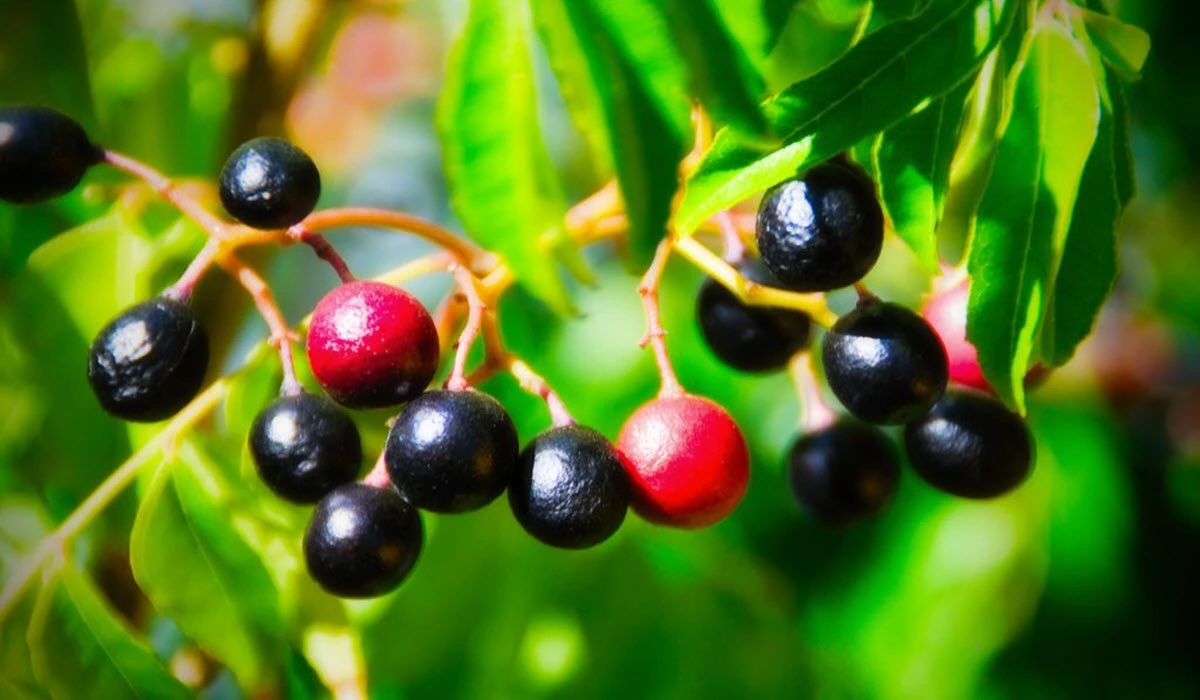
Once you have selected the right pot and soil, it’s time to plant the curry leaves. You can buy curry leaves saplings from your local nursery or start from seed.If you are starting from seed, soak the seeds in water overnight before planting. Make a small hole in the soil and plant the seed, covering it with soil. Water the soil gently, but don’t overwater as it can cause the seeds to rot. If you are planting a sapling, gently remove it from the pot and loosen the root ball before planting it in the new pot. Water the soil thoroughly, but don’t let it become waterlogged.
Watering and Fertilizing
Curry leaves plant needs regular watering, especially during hot and dry weather. Water the plant once or twice a week, depending on the conditions of local weather. Avoid overwatering, as it can lead to root rot and other diseases. Fertilize the plant every two weeks during the growing season with a balanced fertilizer. You can also use organic fertilizers such as fish emulsion or seaweed extract to provide the necessary nutrients.
|
12-Pack Grow Bags 5 Gallon, Thick Fabric Planter Bags for VegetablesGreatBuddy 12-Pack Grow Bags 5 Gallon, Thick Fabric Planter Bags for Vegetables, Sturdy Handles & Reinforced Stitching, Labels Included, Black |
Sunlight and Temperature
Curry leaves plants need plenty of sunlight to grow and thrive. Place the pot in a spot that receives at least six hours of direct sunlight every day. The ideal temperature for curry leaves plant is between 60°F to 85°F (15°C to 29°C). It can tolerate some cold and heat, but extreme temperatures can damage the plant.
Pruning and Harvesting
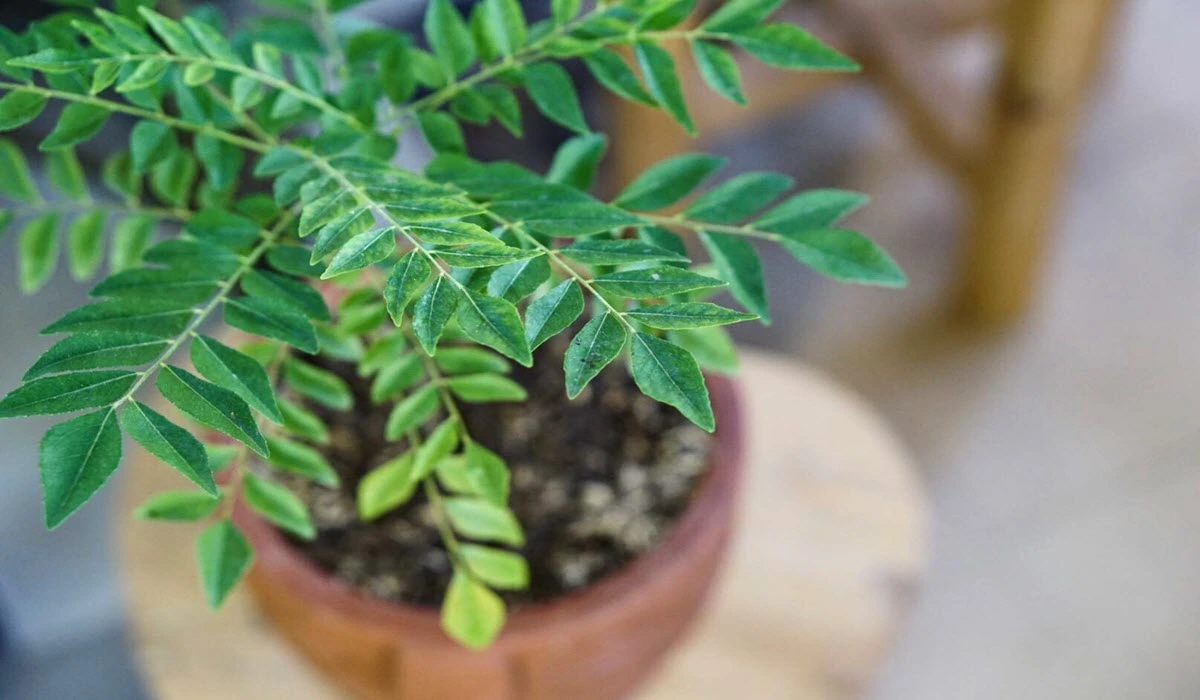
Pruning is an essential aspect of growing curry leaves plants. Regular pruning encourages new growth and prevents the plant from becoming too leggy. Prune the plant regularly to remove any dead or yellowing leaves and branches. You can start harvesting curry leaves once the plant has grown to a height of around 1.5 to 2 feet (45 to 60 cm). Pick the leaves as needed, leaving at least a few leaves on the plant to encourage new growth.

|
5 pack Garden Pruning Shears Stainless Steel Blades5 pack Garden Pruning Shears Stainless Steel Blades, Handheld Scissors Set with Gardening Gloves,Heavy Duty Garden Bypass Pruning Shears,Tree Trimmers Secateurs, Hand Pruner |
Health Benefits of Curry Leaves Plant
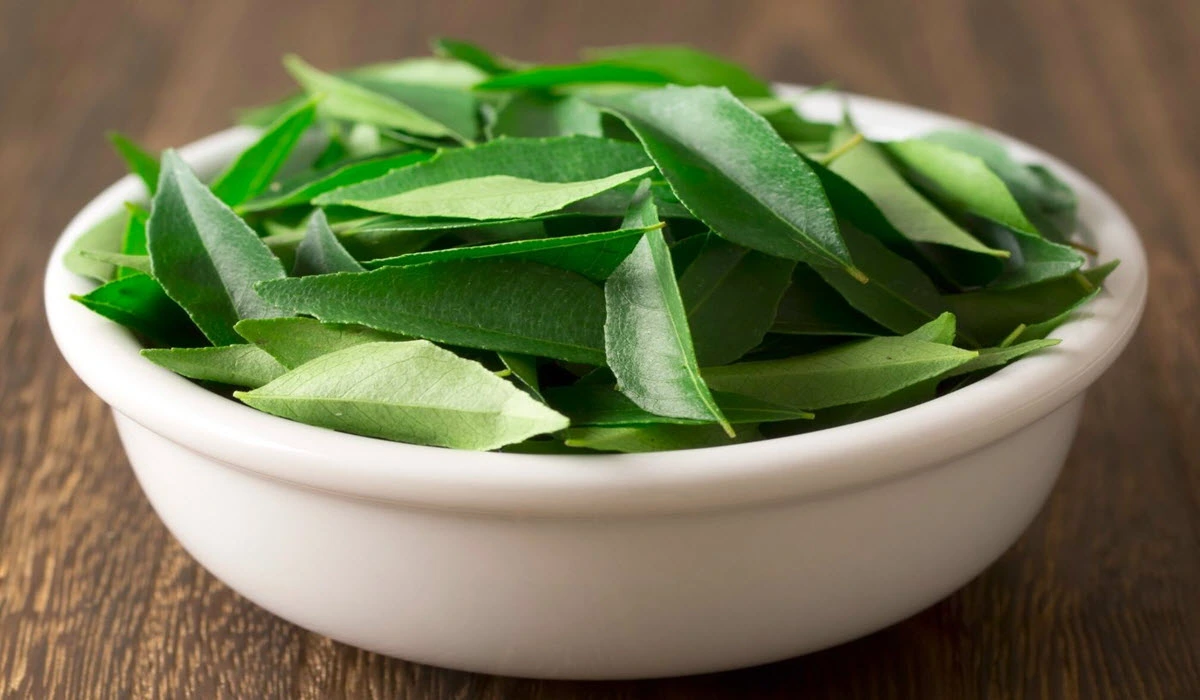
Good for Digestion: Curry leaves are rich in fiber, which helps to improve digestion and prevent constipation. They also contain essential oils that stimulate digestive enzymes and promote healthy bowel movements.
Promotes Weight Loss: Curry leaves are low in calories and high in fiber, making them a great addition to a weight loss diet. They also help to reduce cravings and keep you feeling full for longer periods.
Boosts Immunity: Curry leaves are a rich source of antioxidants, which help to protect the body from oxidative stress and boost the immune system. They also contain vitamins and minerals that support overall health and well-being.
Improves Hair Health: Curry leaves are a popular ingredient in hair oils and treatments. They contain compounds that help to promote hair growth, prevent hair loss, and reduce dandruff.
Reduces Inflammation: Curry leaves contain anti-inflammatory compounds that help to reduce inflammation and pain in the body. They have been found to be effective in reducing the symptoms of arthritis and other inflammatory conditions.
In conclusion, growing the curry leaves plant is not difficult, but it requires proper care and attention. Select the right pot and soil, water and fertilize regularly, provide plenty of sunlight, and prune the plant regularly. With a little patience and effort, you can have a healthy and thriving curry leaves plant in your home.

Comments are closed.