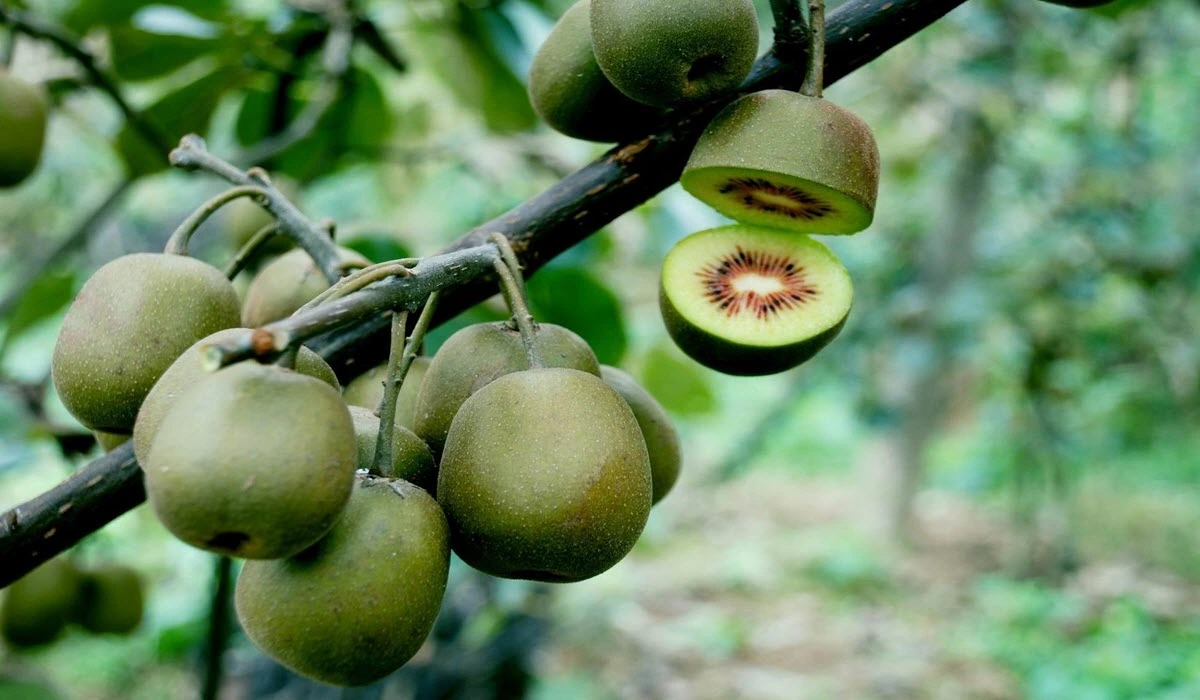
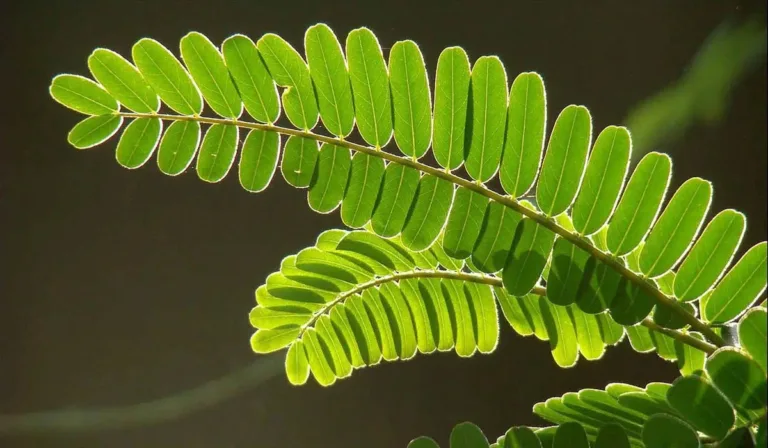
Category

Gardening

Category

The Hummingbird tree, also known as the Sesbania grandiflora or agati, is a fast-growing plant that is native to Southeast Asia. It is widely cultivated in tropical and subtropical regions of the world for its nutritional value, medicinal properties, and environmental benefits. In this article, we will discuss how to grow hummingbird tree from seed, how to grow hummingbird tree from cutting and hummingbird tree benefits.
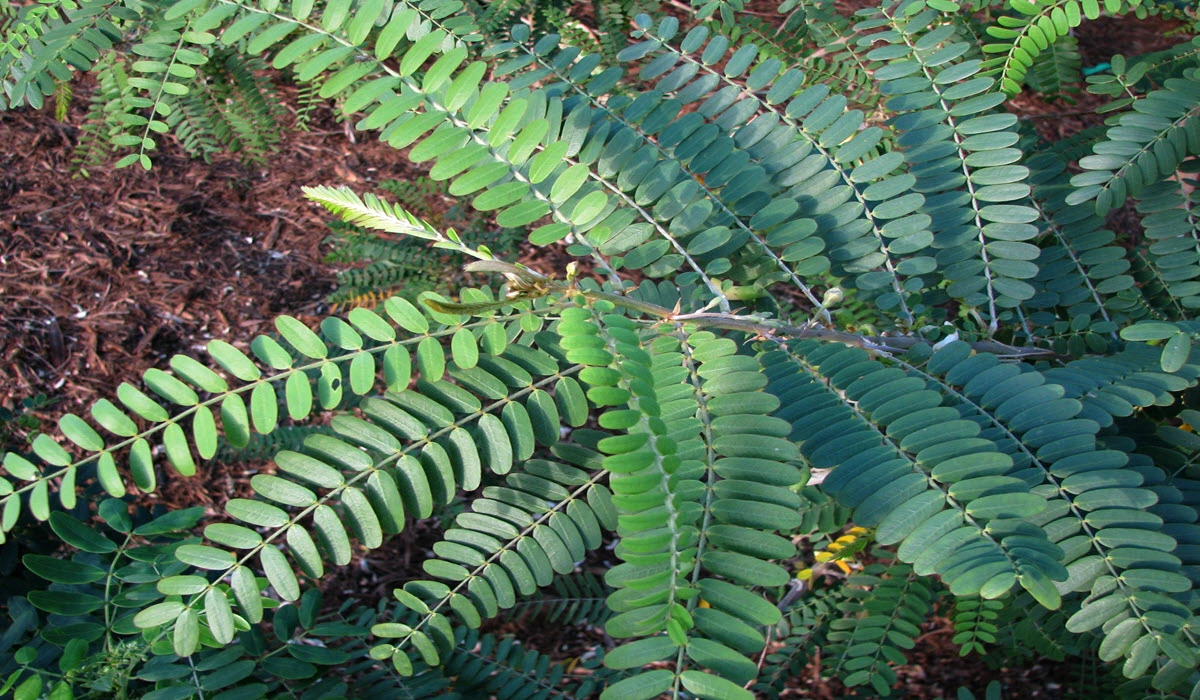
grow hummingbird tree

Climate and Soil Requirements

Hummingbird tree thrives in warm, tropical, and Climates subtropical. The vegetable hummingbird tree prefers well-draining soil With a pH of 5.5 to 7.5. It can grow in a range of soil types, from sandy to Clayey soil.

Propagation

Hummingbird trees should be propagated through Cuttings or seeds. Seeds soaked in water for twenty four hours before planting the hummingbird tree to Increase germination rates. Cuttings should be taken from mature, healthy Plants and planted in a mixture of sand and compost.

Planting
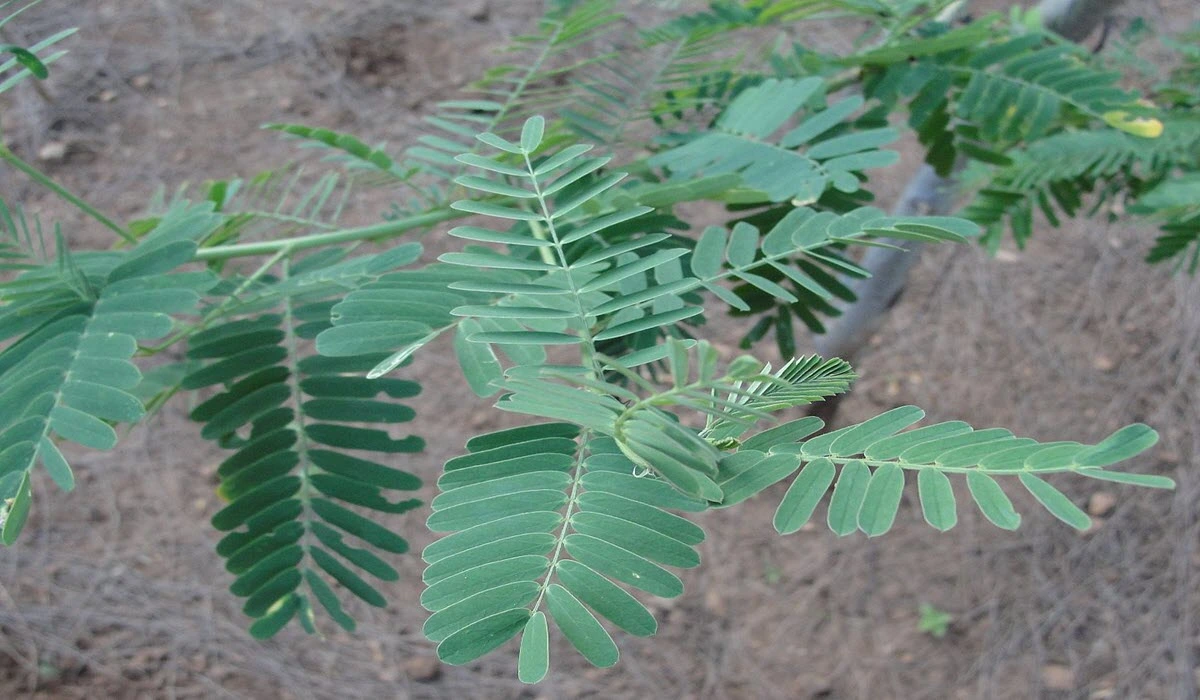
agati tree
Hummingbird trees are to be planted in a sunny location with Well-draining soil. The plant should be planted in a hole that is twice as wide And deep as the root ball. The Hole should be filled with a mixture of soil and Compost.

Watering and Fertilization

Hummingbird tree requires regular watering, especially During the first year of growth. The Plant should be watered deeply once or Twice a week, depending on the weather conditions. A fertilizer is applied once a A month during the growing season to promote the healthy growth of hummingbird Tree flowers.

Pruning

Agathi trees must be pruned to promote a strong and Healthy tree. Pruning should be done in late winter or early spring before new Growth appears. Dead or Diseased branches should be removed, and the tree’s The canopy should be shaped to promote good air circulation. There are two types of Hummingbird trees, Red hummingbird trees, and the White hummingbird trees.

Pruner

5 pack Garden Pruning Shears Stainless Steel Blades

5 pack Garden Pruning Shears Stainless Steel Blades, Handheld Scissors Set with Gardening Gloves,Heavy Duty Garden Bypass Pruning Shears,Tree Trimmers Secateurs, Hand Pruner

 Buy Now

Pest and Disease Control

Hummingbird tree is relatively resistant to pests and Diseases. However, it can be susceptible to aphids, mites, and caterpillars. It Reduced with insecticidal soap or neem oil. Fungal diseases can be prevented by Ensuring good air circulation around the tree and avoiding overwatering.

Benefits of grow hummingbird tree
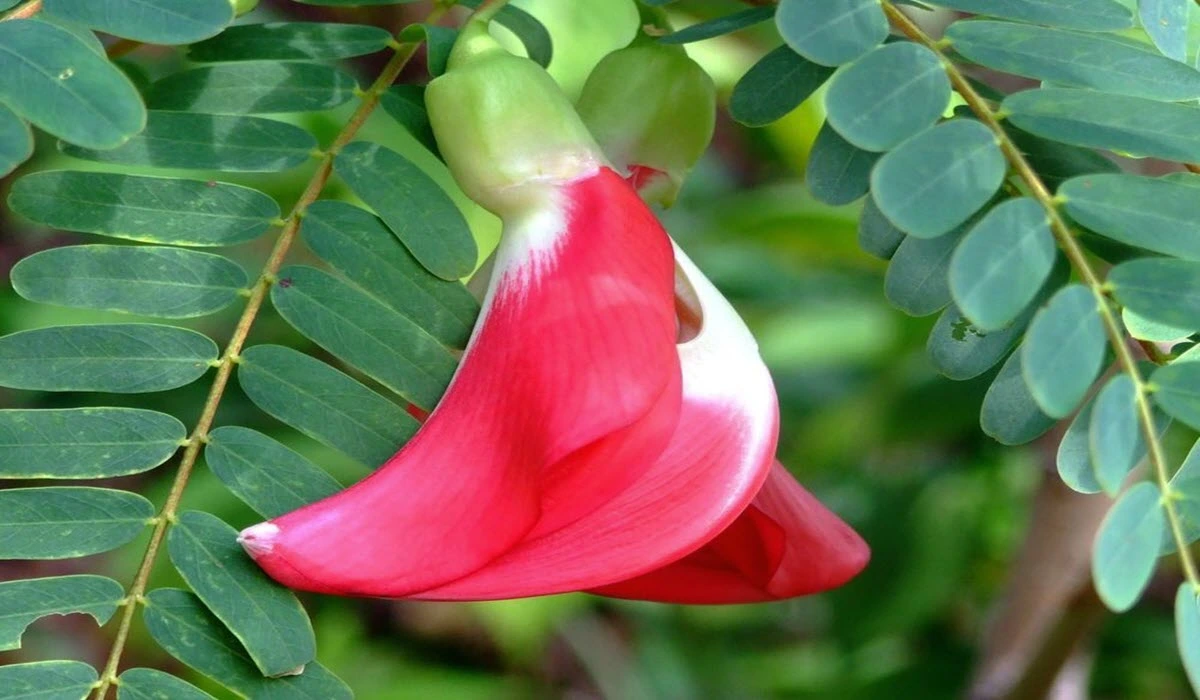
grow hummingbird tree
Nutritional Value:The Hummingbird tree is a rich source of vitamins and Minerals. The leaves, flowers, and pods of the tree are all edible and contain High levels of protein, calcium, phosphorus, iron, and
vitamins A and C.

gardening kit icon

CHRYZTAL Stainless Steel Heavy Duty Gardening Tool Set

Garden Tool Set, Stainless Steel Heavy Duty Gardening Tool Set, with Non-Slip Rubber Grip, Storage Tote Bag, Outdoor Hand Tools, Ideal Garden Tool Kit Gifts for Women and Men

 Buy Now


Medicinal Properties:Hummingbird tree is known for their medicinal properties And is widely used in ritual medicine to treat a variety of ailments. The tree’s leaves, flowers, and pods are used to treat conditions such as Fever and breathing issues. The plant is also used as a Natural remedy for diabetes and high blood pressure.
Soil Erosion Prevention:The Hummingbird tree has a deep root system that helps prevent soil erosion. The Roots of the tree can hold the soil together, reducing the risk of soil erosion during heavy rains or winds. It makes the tree a valuable addition to gardens and landscapes in areas prone to soil erosion.
Nitrogen Fixation:The Hummingbird tree is known for its ability to fix nitrogen in the soil. The tree’s roots host nitrogen-fixing bacteria that convert atmospheric nitrogen into a form that plants can use. It
makes the tree a a valuable addition to gardens and can improve soil fertility.
Attracts Pollinators:The Hummingbird tree is a favorite among pollinators, such as bees and butterflies. The tree’s bright flowers attract these insects, which helps with pollination.

Conclusion

Growing a Vegetable Hummingbird tree is relatively easy, and the plant offers numerous benefits. The tree is highly nutritious, has medicinal properties, and can help prevent soil erosion. With the proper care and attention, the Hummingbird tree can be a valuable addition to any garden or landscape.

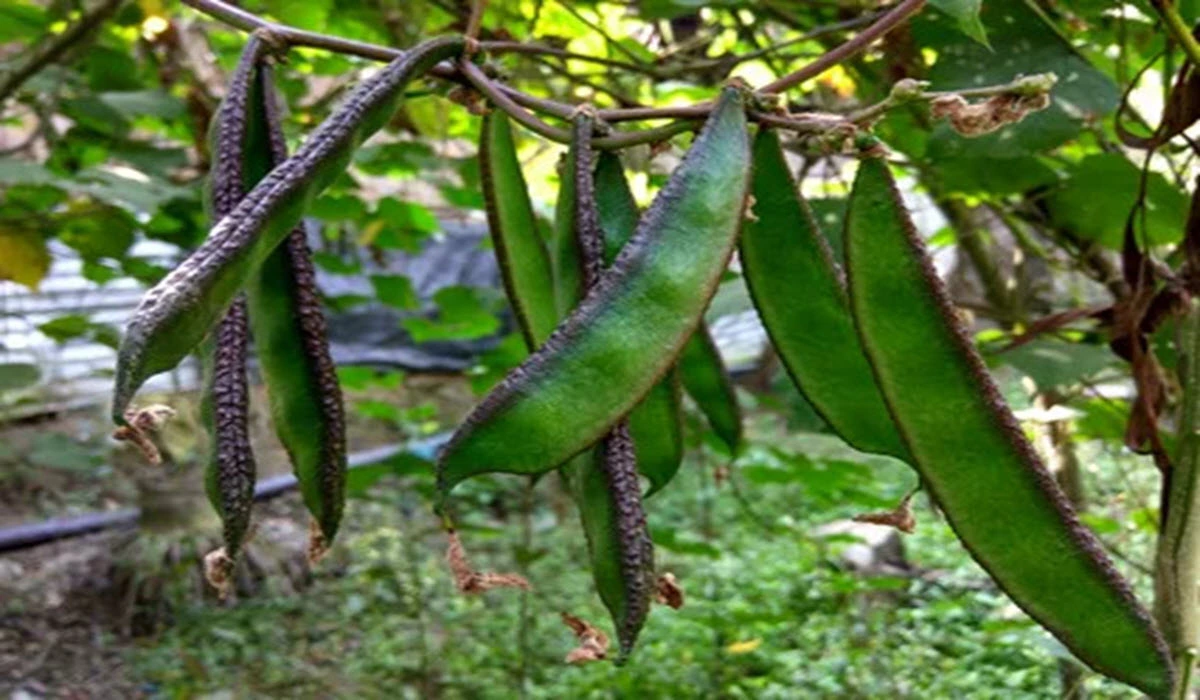
Broad beans, also known as fava beans, are a nutritious and easy-to-grow crop that can provide a range of health benefits. In this article, we will discuss how to grow broad beans, how to grow broad beans from seed, how to grow broad beans in pots, a guide to grow broad beans in containers, disease attacks in broad beans, and the health benefits of broad beans.
harvest-1

Choose a planting location

grow broad beans
Broad beans need full sunlight and fully-drained garden soil. Choose a location that receives at least six-nine hours of sunlight each day. The soil should be rich in organic matter and well-draining.

Planting Broad Beans

Plant the broad bean seedlings in rows spaced 18-24 inches apart, about 2-3 inches deep. Alternatively, you can plant the seeds in raised beds or containers.

Watering

Water the beans regularly, keeping the soil moist but not waterlogged. Broad beans require more water than other bean varieties, and water them deeply and regularly. Broad beans take up to 15 weeks time fully grown.

Fertilizing

Broad beans do not require a lot of fertilizer, but you can add a balanced fertilizer to the soil before planting. Alternatively, you can use a side dressing of compost or a foliar spray of fish emulsion or seaweed extract during the growing season.

Battery Powered Backpack Sprayer

Battery Powered Backpack Sprayer

The Field King pro Max 190515 lithium-ion battery powered 4 gallon backpack sprayer consists of an ergonomic design modeled after the existing Field King 190328 no-leak pump backpack sprayer. With integrated battery storage, this design ensures the equipment is protected from the elements & liquids during filling & spraying.

 Buy Now

Mulching

Mulch the soil around the bean plants with a layer of organic material such as straw or grass clippings. This will help to retain moisture in the mud and suppress weeds.

Pest and disease control

disease-attacks
Broad beans are generally resistant to pests and diseases, but you should still keep an eye out for common problems such as aphids, spider mites, and black spots. If you notice any signs of pests or disease, treat them promptly with an organic insecticide or fungicide.

Health Benefits of Broad Beans

grow-broad-beans-1
Rich in nutrients: Broad beans are a good source of several vitamins and minerals, including vitamin C and K, folate, and iron. These nutrients are essential for overall health and can help to boost the immune system, improve bone health, and regulate blood pressure.

Good For Digestion: Broad beans are a good source of dietary fiber, which is essential for digestive health. Fiber can help to promote regular bowel movements, reduce the risk of constipation, and improve the overall health of the digestive system.

Help to Reduce The Risk of Chronic Diseases: Broad beans are a good source of flavonoids and other antioxidants, which can help to reduce inflammation and oxidative stress, both of which are linked to chronic diseases such as heart disease and cancer. Additionally, broad beans are low in fat and complex carbohydrates, which can help to reduce the risk of obesity and related diseases.

Help to Regulate Blood Sugar Levels: Broad beans are a low glycemic index food, which means that they are absorbed slowly by the body and do not cause a rapid increase in blood sugar levels. This can be beneficial for people with diabetes or those who are at risk of developing the condition.

Gardening gloves

Gardening Gloves for Women and Ladies

COOLJOB Gardening Gloves for Women and Ladies, 6 Pairs Breathable Rubber Coated Yard Garden Gloves, Outdoor Protective Work Gloves with Grip, Medium Size Fits Most, Red & Green

 Buy Now

Improve Heart Health: Broad beans contain several nutrients that are known to be beneficial for heart health, including fiber, potassium, and magnesium. These nutrients can help to regulate blood pressure, reduce inflammation, and improve overall cardiovascular health.

Improve Brain Function: Broad beans are a good source of choline, a nutrient that is important for brain health and development. Choline has been shown to improve memory and cognitive function, and may also help to reduce the risk of age-related cognitive decline.

In conclusion, growing broad beans is not only easy but also incredibly nutritious. By providing your beans with the right conditions and care, you can enjoy a bountiful harvest of fresh, home-grown beans that provide a range of health benefits. So why not give it a try and add broad beans to your garden and diet?

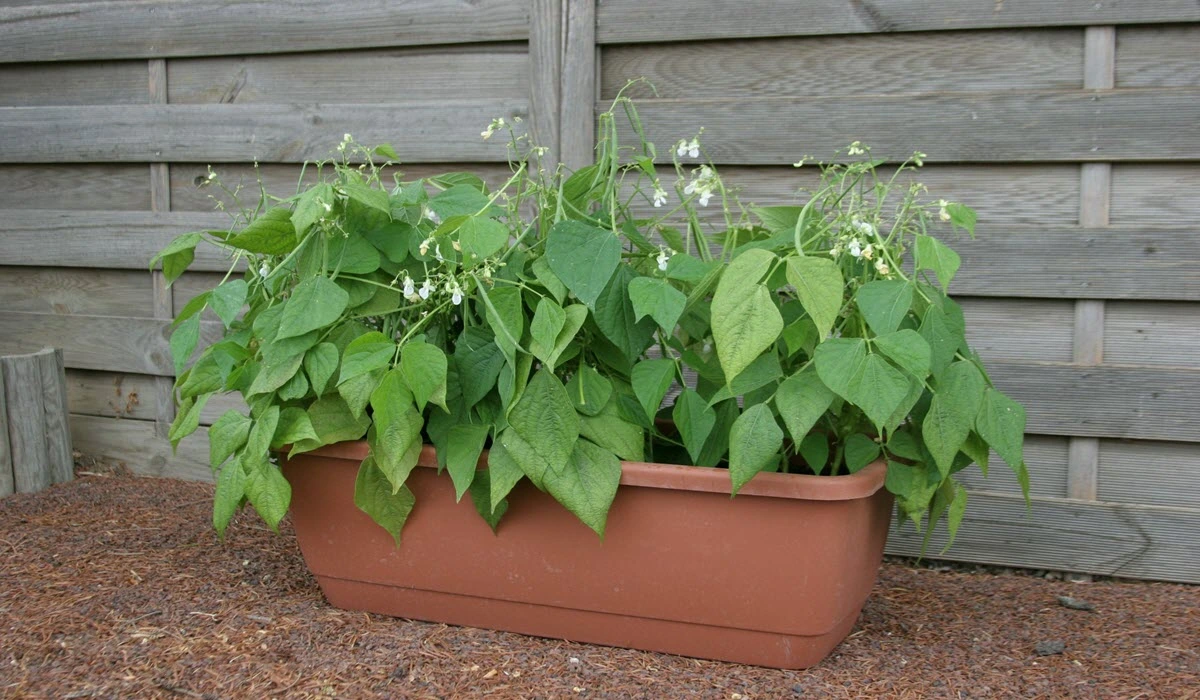
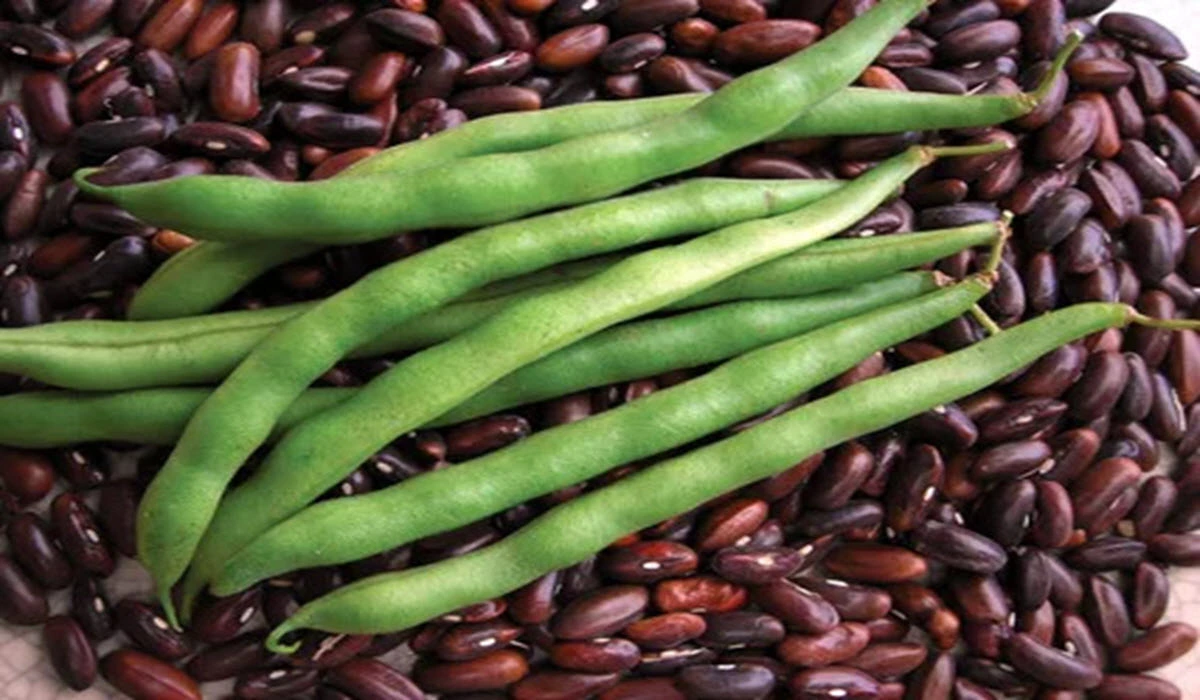
Bush beans, also known as snap beans or string beans, are a popular and easy-to-grow crop that can provide a bountiful harvest of delicious and nutritious beans. Unlike pole beans, which require trellising or support to grow vertically, grow bush beans are self-supporting and grow in compact bushes. In this article, we will discuss How to plant, grow, and harvest bush beans, how to grow a bush beans from the seed, how to grow bush-beans in containers, the types of beans to grow, and the health benefits of bush beans.
grow-bush-beans

Choose a planting location

beans-seed
Bush beans require full sunlight and drained garden soil. Choose the correct location to receive at least six to eight hours of direct sunlight everyday. The soil should be rich in organic matter and well-draining. If your soil is heavy or compacted, work in compost or other organic matter to improve its structure and drainage.

Planting bush beans

grow-bush-beans-1.
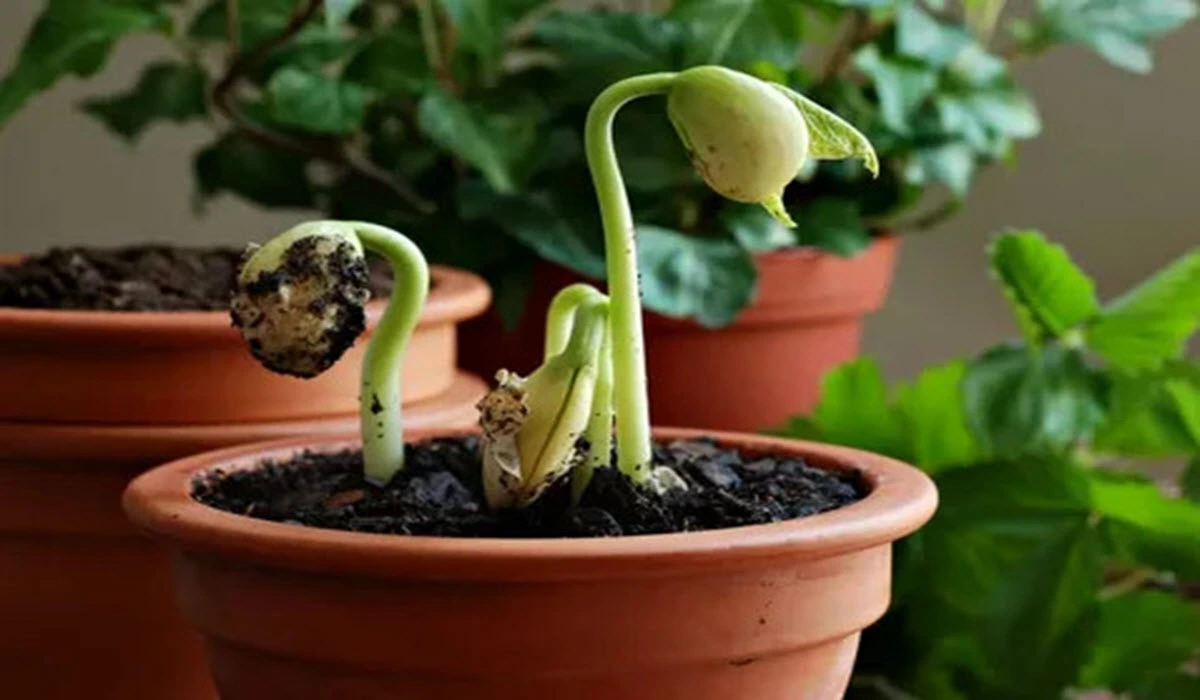
Bush beans can be planted directly in the garden after the last frost date in your area. Plant the seeds about 1 inch deep and 2-3 inches apart in rows spaced 18-24 inches apart. Alternatively, you can plant the seeds in raised beds or containers.

Seeding tray

Mr. Pen- Plastic Growing Trays

TMr. Pen- Plastic Growing Trays, 5 Pack, Black, Plant Tray, Seed Tray, Seedling Tray, Propagation Tray, Plant Trays for Seedlings, Planting Trays, Microgreens Growing Trays, Seedling Starter Trays

 Buy Now

Watering to grow bush beans

Water the beans regularly, keeping the soil moist but not waterlogged. Avoid getting the foliage wet, as this can promote disease.

Fertilizing beans

Bush beans do not require a lot of fertilizer, but you can add a balanced fertilizer to the soil before planting. Alternatively, you can use a side dressing of compost or a foliar spray of fish emulsion or seaweed extract during the growing season.

Mulching

Mulch the soil around the bean plants with a layer of organic material such as straw or grass clippings. This will help to retain moisture in the soil and suppress weeds.

Pest and disease control

garden-soil-1
Bush beans are generally resistant to pests and diseases, but you should still keep an eye out for common problems such as aphids, spider mites, and powdery mildew. If you notice any signs of pests or disease, treat them promptly with an organic insecticide or fungicide.

2 Litter sprayer

Garden Pressure Pump Sprayer

ITISLL Manual Garden Sprayer Hand Lawn Pressure Pump Sprayer Safety Valve Adjustable Brass Nozzle 0.5 Gal 2L

 Buy Now

Harvesting

Bush beans will produce a crop about 50-60 days from planting. Pick the beans when they are young and tender, about 3-4 inches long. If you wait too long, the beans will become tough and stringy. Harvest regularly to encourage more production.

Health benefits

grow bush beans
Rich in nutrients:Bush beans are a good source of several vitamins and minerals, including vitamin C, vitamin K, folate, and potassium. These nutrients are essential for overall health and can help to boost the immune system, improve bone health, and regulate blood pressure.

Good for digestion:Bush beans are a good source of dietary fiber, which is essential for digestive health. Fiber can help to promote regular bowel movements, reduce the risk of constipation, and improve the overall health of the digestive system.

May lower cholesterol levels:Some studies have suggested that eating beans, including bush beans, may help to lower cholesterol levels. This is because beans contain soluble fiber, which can bind to cholesterol and prevent it from being absorbed by the body.

May reduce the risk of cancer:Some studies have suggested that eating beans, including bush beans, may help to reduce the risk of certain types of cancer, such as colon cancer. This is because beans contain a variety of plant compounds that have been shown to have anti-cancer properties.

May help to reduce inflammation:Beans, including bush beans, are good in flavonoids and other plant compounds that have been shown to have anti-inflammatory properties. This may be beneficial for people with conditions such as arthritis, which is characterized by chronic inflammation.

In conclusion, growing bush beans is a simple and rewarding experience that can provide you with a delicious and nutritious crop. By following these tips and providing your beans with the right conditions and care, you can enjoy a bountiful harvest of fresh, home-grown beans.

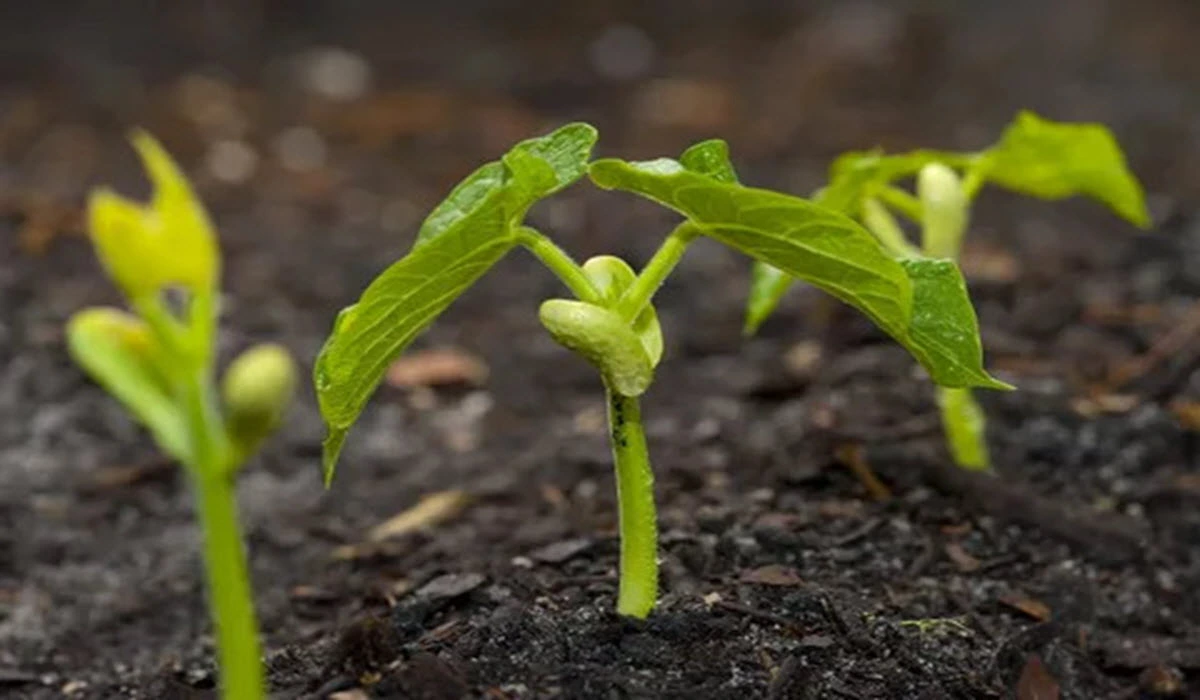
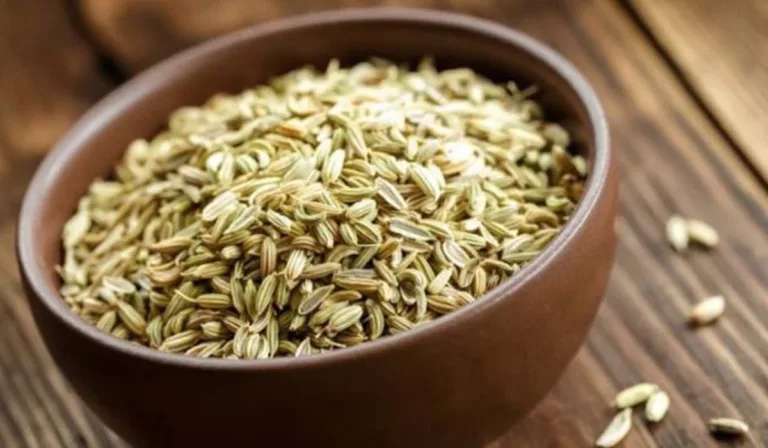
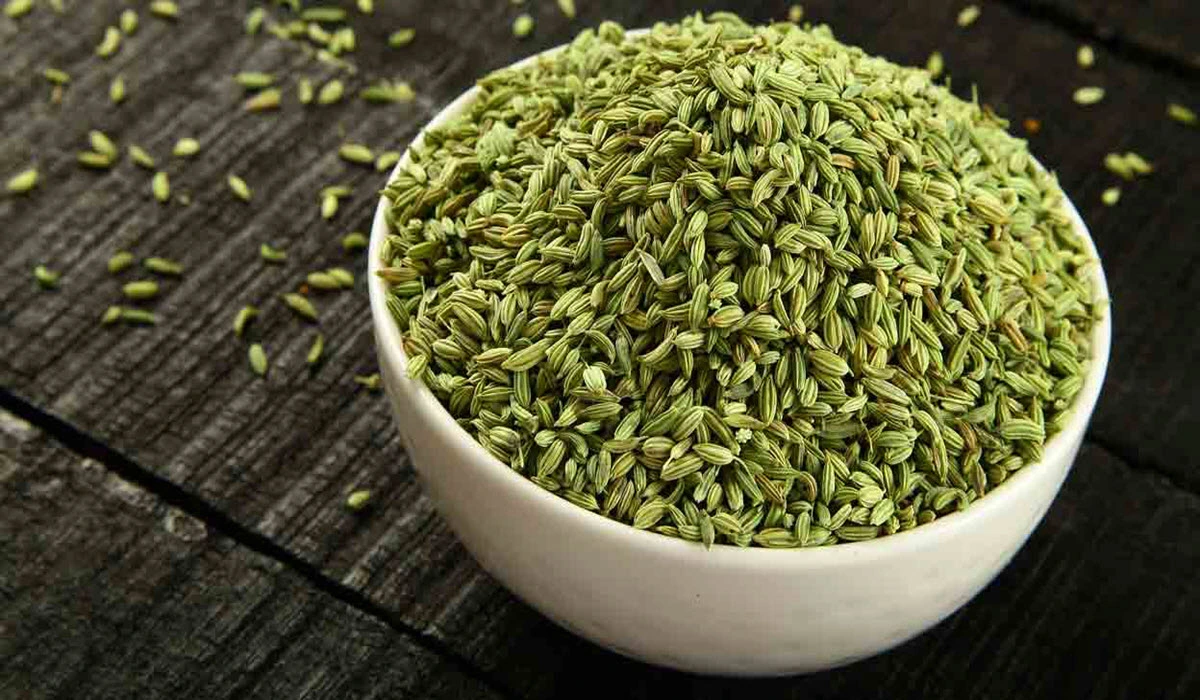
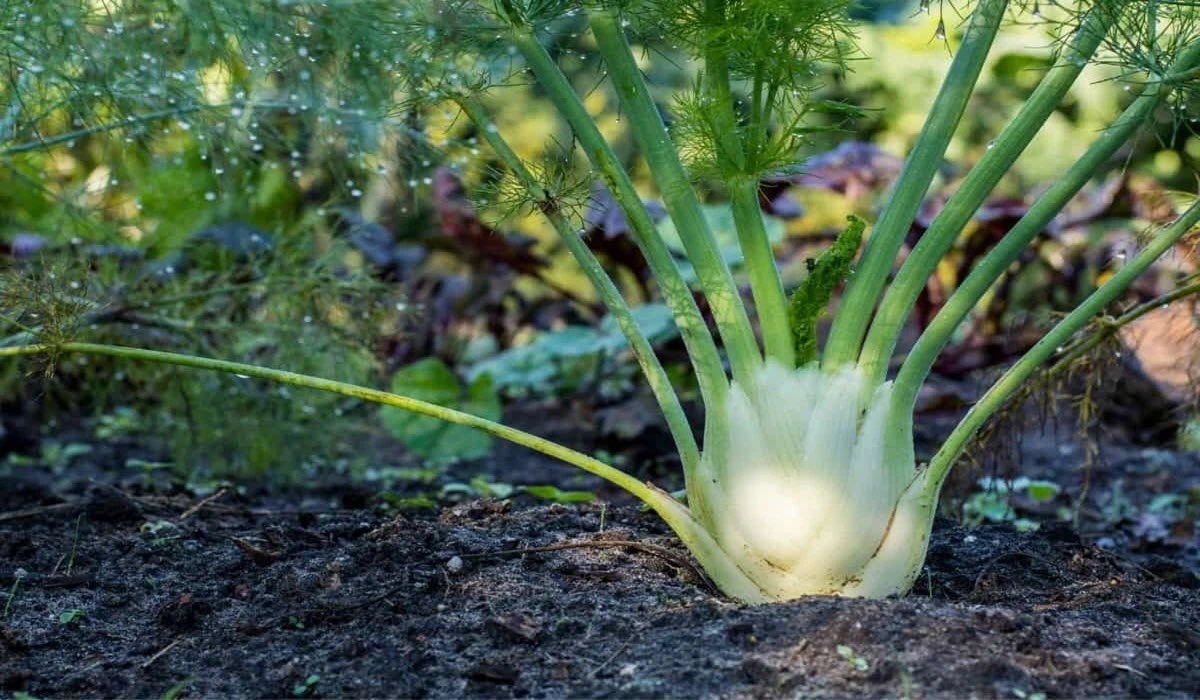
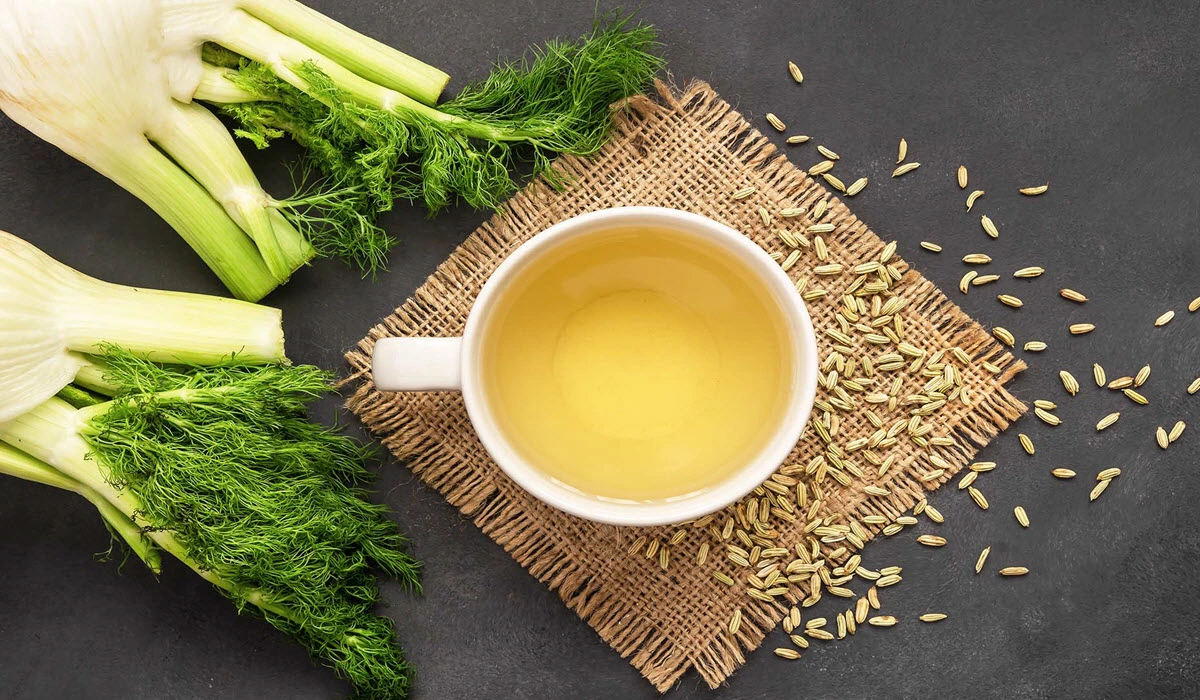
Fennel is a highly aromatic and flavorful herb that is commonly used in cooking, especially in Mediterranean cuisine. But did you know that fennel is also a highly nutritious and medicinal plant? In this article, we’ll explore the benefits of growing fennel plant, How to grow fennel plant from seeds, and How tall fennel grows, Fennel is a herb or vegetable.
fennel-seed

Choose the right location

grow-fennel-plant
Fennel prefers well-drained soil and a sunny location. It can grow in most types of soil, but it does best in a fertile, loamy soil. Fill the soil in containers or pots.

Plant the seeds

Fennel can be grown from seeds, which should be sown in the spring or fall. Plant the seeds about ¼ inch deep and 12-18 inches apart.

gardening kit icon

CHRYZTAL Stainless Steel Heavy Duty Gardening Tool Set

Garden Tool Set, Stainless Steel Heavy Duty Gardening Tool Set, with Non-Slip Rubber Grip, Storage Tote Bag, Outdoor Hand Tools, Ideal Garden Tool Kit Gifts for Women and Men

 Buy Now

Water regularly

Fennel requires regular watering to grow well. Keep the soil moist, but not waterlogged.

Thin the plants

Once the plants are about 6 inches tall, thin them out to about 12 inches apart to give them room to grow.
Harvest the fennel herb: Fennel can be harvested when the bulbs are about 3 inches in diameter. Cut the bulbs off at the base of the plant.

Fennel Benefits

grow-fennel-plant-1
Fennel is not only a flavorful herb but also offers several health benefits. Here are some of the benefits of Fennel:

Digestive Health: Fennel is an excellent digestive aid that can help relieve bloating, gas, and constipation. It also has anti-inflammatory properties that can soothe the digestive tract.

2 Litter sprayer

Garden Pressure Pump Sprayer

ITISLL Manual Garden Sprayer Hand Lawn Pressure Pump Sprayer Safety Valve Adjustable Brass Nozzle 0.5 Gal 2L

 Buy Now

Antioxidant: Fennel is rich in antioxidants, which can help protect against oxidative stress and reduce the risk of chronic diseases.

Immune System: Fennel contains vitamin C, which is needful for maintaining a healthy immune system. It also has antibacterial properties that can help fight off infections.

Respiratory Health: Fennel can help soothe respiratory issues such as coughs, asthma, and bronchitis.
Bone Health: Fennel is rich in calcium, which is needful for maintaining strong bones and teeth.

In conclusion, grow fennel plant is easy. And also gives many health benefits. Whether you’re grow a fennel for its culinary uses or it is medicinal properties, this versatile herb is a beautiful addition to any garden.

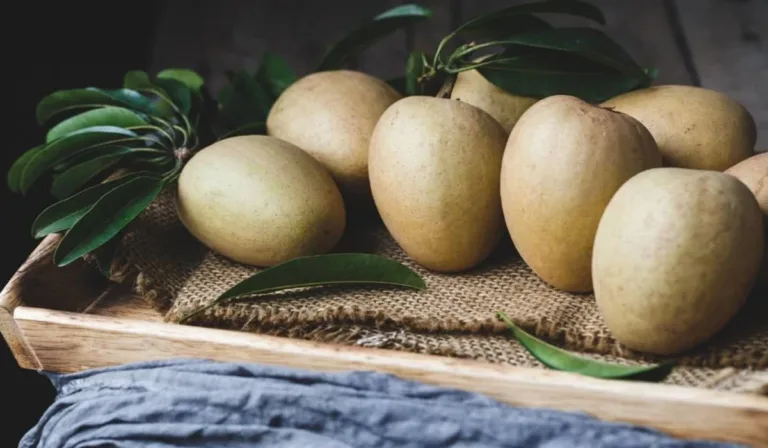
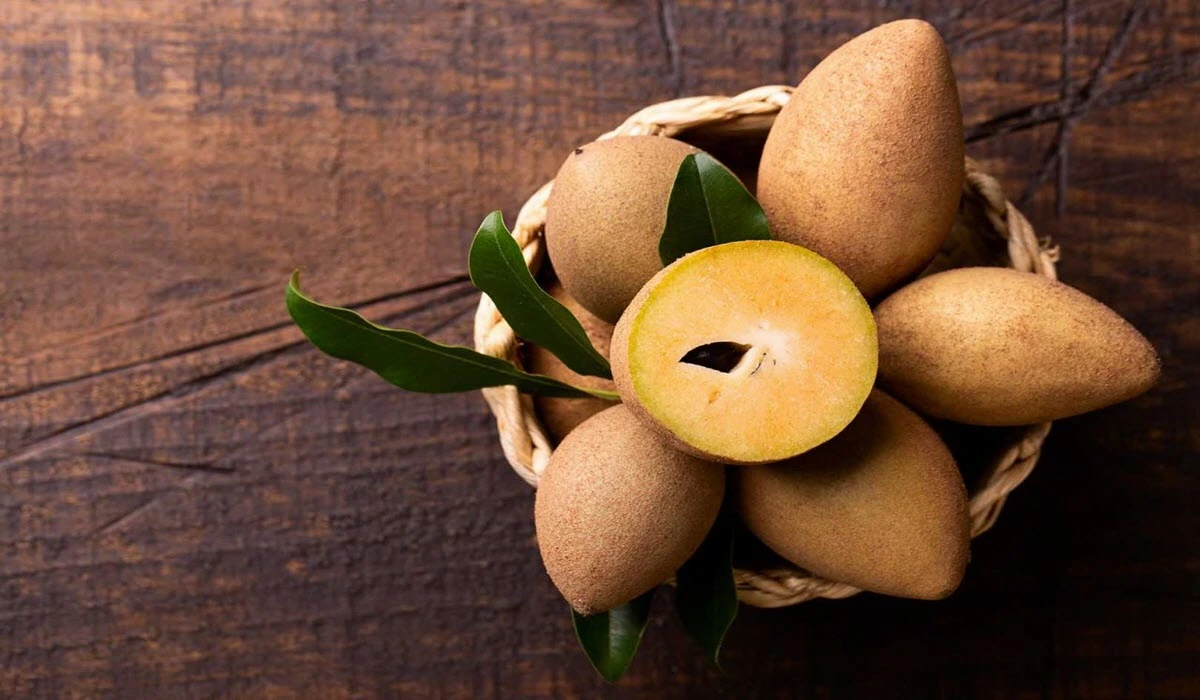
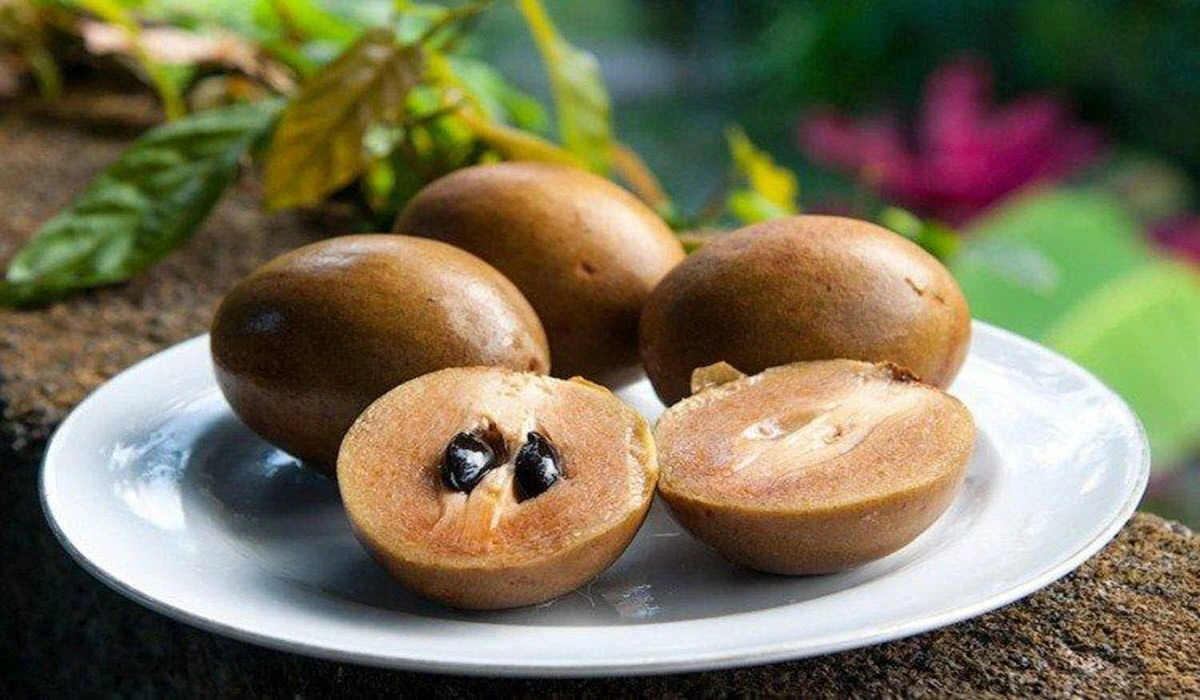
Sapodilla, also known as Manilkara zapota, is a fruit tree native to Central America and Mexico. The tree is known for its sweet and juicy fruits, which are similar in taste and texture to pears. Growing a sapodilla tree in your garden or backyard can be a fun and rewarding experience, and the fruits can provide a wide range of health benefits. In this article, we are going to see how to grow sapodilla tree from seed, how long it takes to grow a sapodilla tree, and How long does sapodilla tree take to grow.
benefits

Growing a sapodilla tree

grow-sapodilla-tree
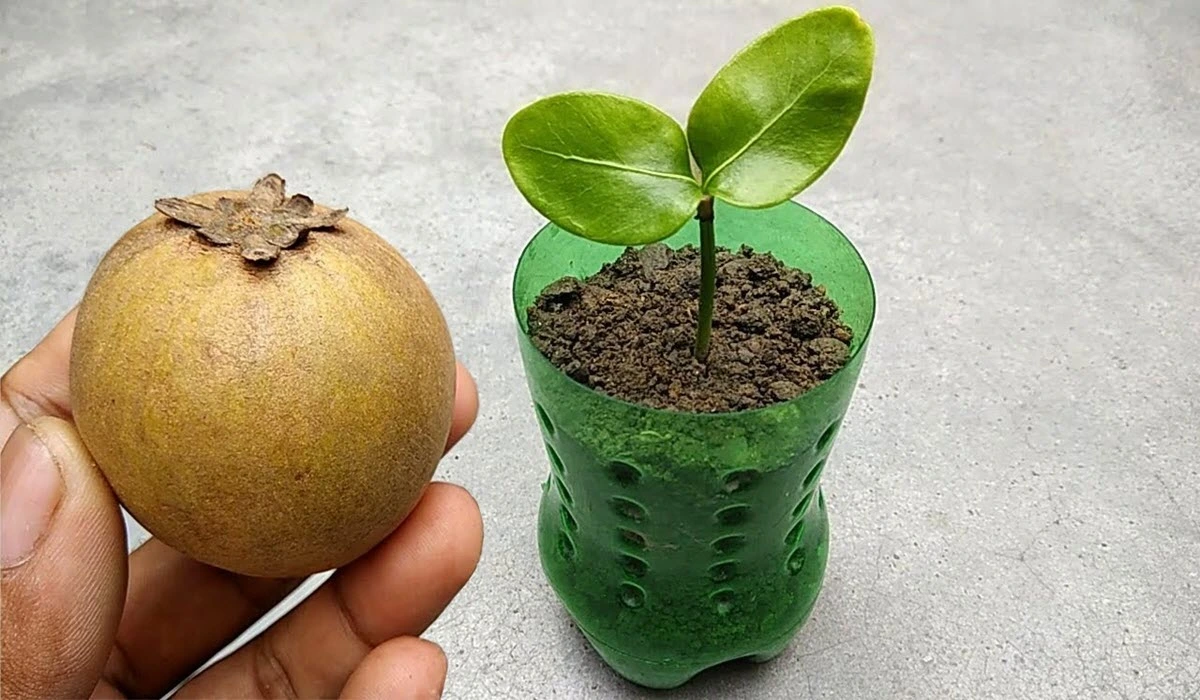
Sapodilla trees require a warm and humid climate to thrive, making them ideal for tropical and subtropical regions. If you live in a cooler climate, you can still grow a sapodilla tree in a greenhouse or indoors. Initially, grow sapodilla seedlings in a container. Here are the steps to grow a sapodilla tree:

Choose a suitable location:Sapodilla trees prefer well-drained soils and sun exposure. Make sure the location you choose for your tree receives at least 6-8 hours of sunlight every day.

Planting the tree:Plant the sapodilla tree in a hole that is twice the size of the root ball. Fill the hole with soil and water it thoroughly. check the tree is planted at the same depth as It was in the nursery pot.

Seeding tray

Mr. Pen- Plastic Growing Trays

TMr. Pen- Plastic Growing Trays, 5 Pack, Black, Plant Tray, Seed Tray, Seedling Tray, Propagation Tray, Plant Trays for Seedlings, Planting Trays, Microgreens Growing Trays, Seedling Starter Trays

 Buy Now

Watering the tree:Sapodilla trees need regular watering. Water the Sapodilla tree deeply once a week, and keep the soil stays moist.

Fertilizing the tree:You can fertilize your sapodilla tree once a year with a balanced fertilizer. Apply the fertilizer around the drip line of the tree, which is where the branches extend to.

Pruning the tree:Sapodilla trees require minimal pruning. You can prune any dead or damaged branches, and trim the tree to maintain its shape.
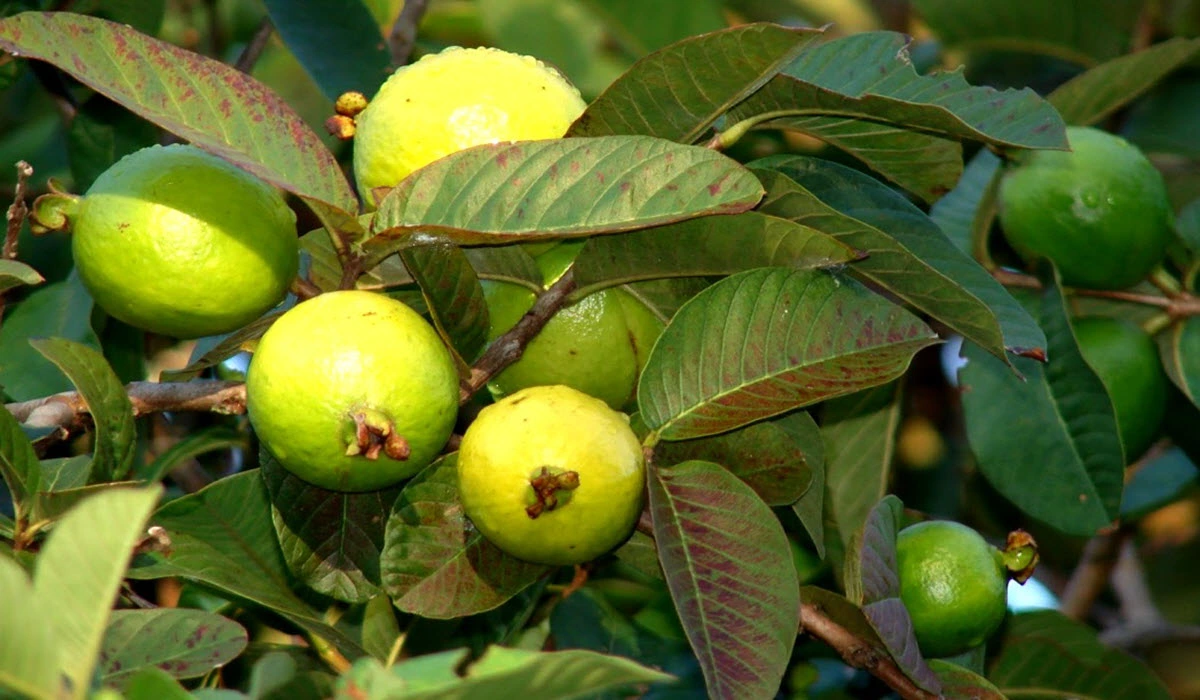
The best climate for Sapodilla:Sapodilla grows better in a sultry Climate with high levels of rainfall.

The lifespan of the sapodilla tree:It is an evergreen, sultry fruit tree and lives longer up to hundred years.

Benefits of sapodilla

seed
Sapodilla fruits are rich in nutrients and provide a wide range of health benefits. Here are some of the benefits of sapodilla:

Gardening gloves

Gardening Gloves for Women and Ladies

COOLJOB Gardening Gloves for Women and Ladies, 6 Pairs Breathable Rubber Coated Yard Garden Gloves, Outdoor Protective Work Gloves with Grip, Medium Size Fits Most, Red & Green

 Buy Now

Boosts immunity: Sapodilla fruits are rich in vitamin C, which can help boost your immune system and protect against diseases.

Reduces inflammation: The anti-inflammatory properties of sapodilla fruits can help reduce inflammation and swelling in the body.

Promotes heart health: Sapodilla fruits are rich in potassium, which can help regulate blood pressure and promote heart health.

Supports bone health: The high calcium content in sapodilla fruits can help strengthen bones and prevent osteoporosis.

In conclusion, growing a sapodilla tree can be a fun and rewarding experience, and the fruits can provide many health benefits. Make sure to choose a suitable location for your tree, water it regularly, and fertilize it once a year. With proper care, your sapodilla tree will thrive and provide you with delicious and nutritious fruits for years to come.

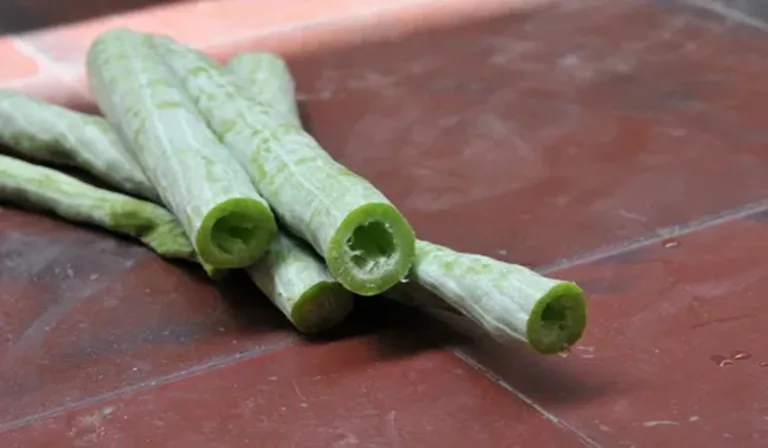
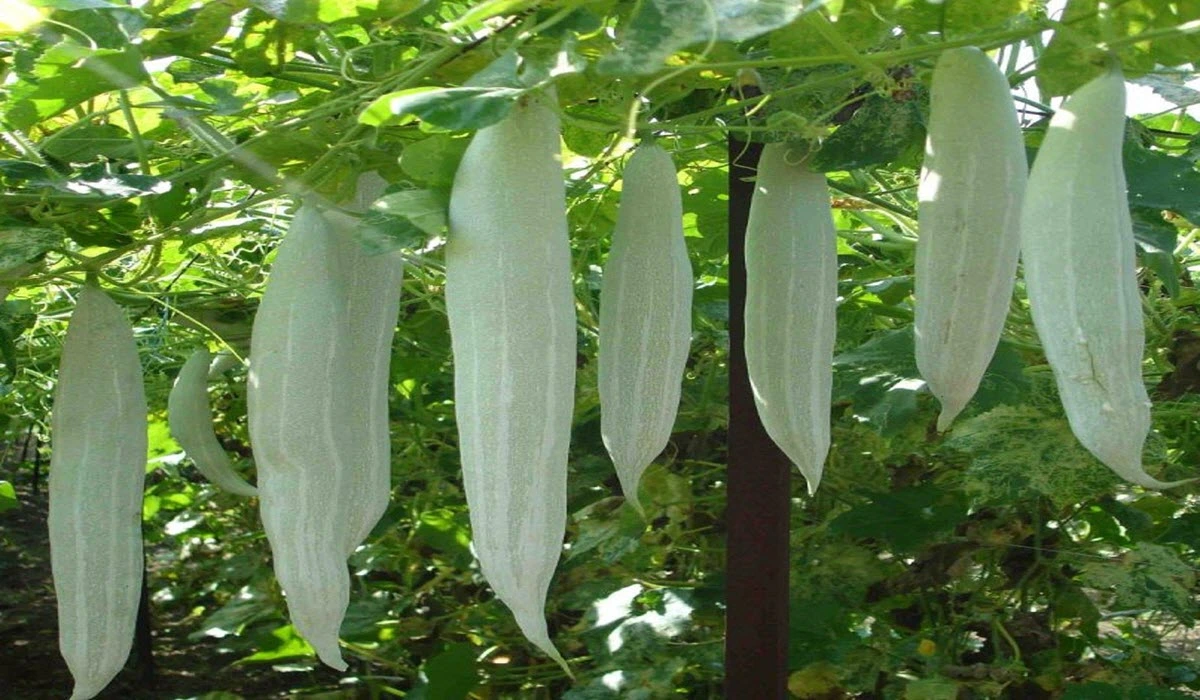
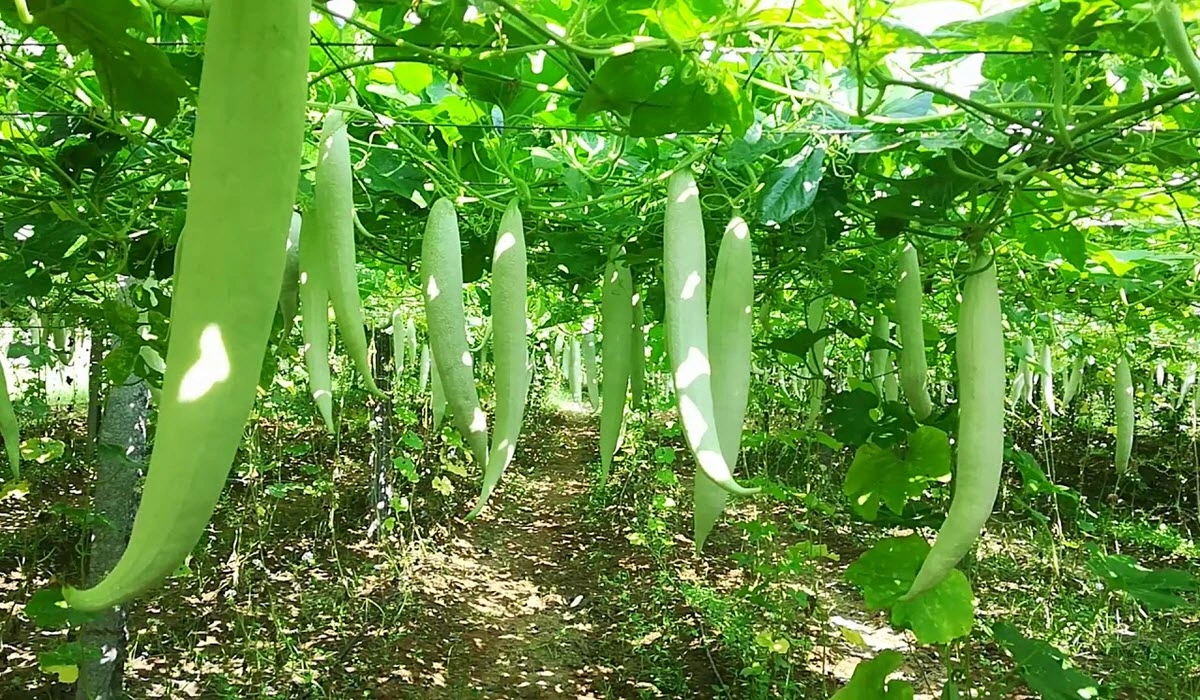
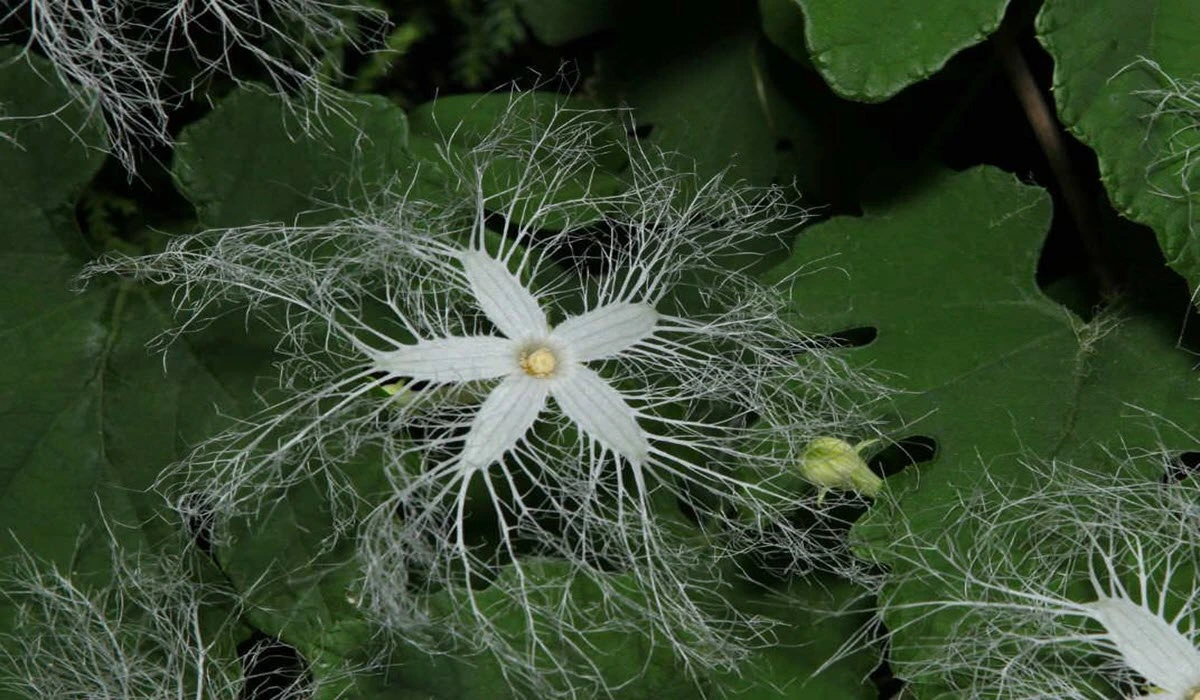
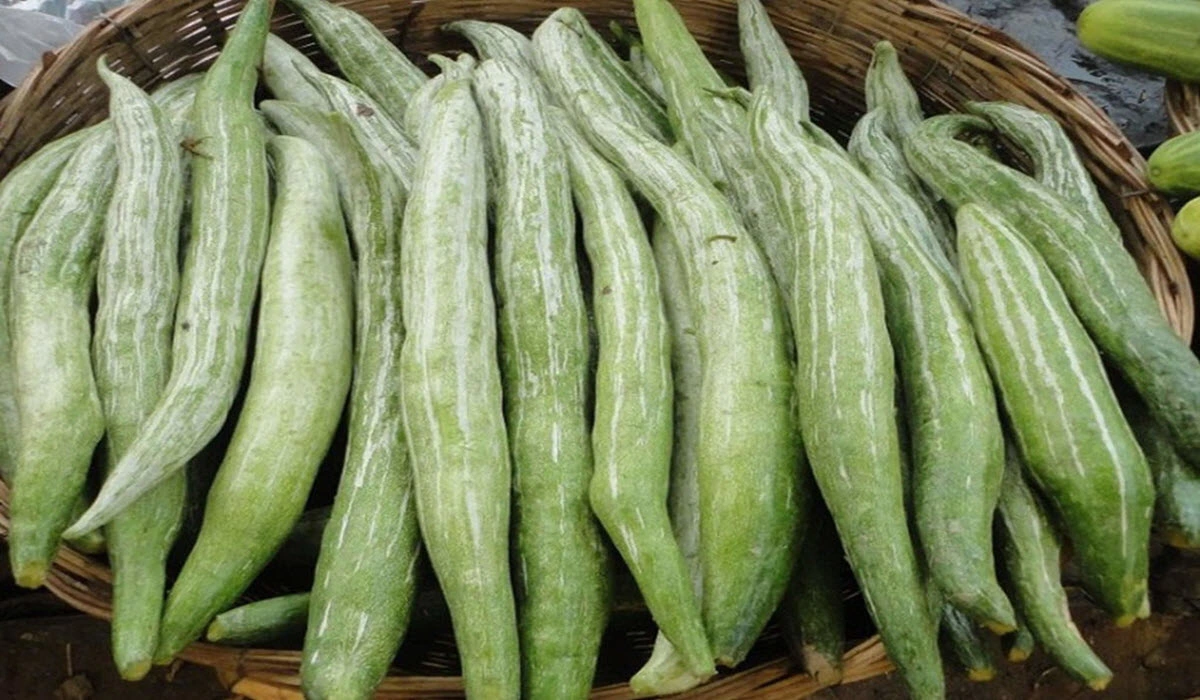
Snake gourd is a long, cylindrical-shaped vegetable that is commonly grown in Southeast Asia, India, and other tropical regions. It is known for its mild, sweet flavor and is a great addition to soups, curries, and stir-fries. If you are interested in growing snake gourd in your home garden, here we are going to see How to grow snake gourd at home, How long It takes snake gourd to germinate, How to grow snake gourd from seed:
vegetable

Climate and Soil Requirements

grow-snake-gourd
Snake gourd is a warm-season crop that thrives in hot and humid conditions. It grows best in draining soil that is rich in organic matter. The pH of the soil should be between 6.0 and 7.5. If you live in a cooler climate, it may be best to grow snake gourd in a greenhouse or indoors.

Planting and Spacing

Snake gourd can be grown from seeds or seedlings in containers or pot. If you are starting from seeds, it’s best to sow them directly into the soil or in seed trays about two weeks before the last frost date. When planting, conform space the seeds or seedlings about 2-3 feet apart to give them enough room to grow. For the Healthy grow use organic snake gourd seeds.

Watering and Fertilizing

Snake gourd requires regular watering, especially during hot and dry weather. It’s best to water deeply and consistently to promote healthy root growth. To fertilize, use a balanced fertilizer with equal amounts of nitrogen, phosphorus, and potassium. It’s also recommended to supplement with additional organic matter, such as compost or well-rotted manure.

Trellising and Pruning

Snake gourd Vegetable is a vine that can grow up to 20 feet long, so it’s important to provide a trellis or other support structure for the snake gourd to climb on. As the plant grows, you may also need to prune it to prevent overcrowding and promote air circulation.

Pruner

5 pack Garden Pruning Shears Stainless Steel Blades

5 pack Garden Pruning Shears Stainless Steel Blades, Handheld Scissors Set with Gardening Gloves,Heavy Duty Garden Bypass Pruning Shears,Tree Trimmers Secateurs, Hand Pruner

 Buy Now

Harvesting

Snake gourd can be harvested when it reaches a length of 18-24 inches. It’s best to use a sharp knife or pruning shears to cut the gourd from the vine. Once harvested, the gourd can be stored in a cool, dry place for up to a week.

Diseases Attack in snake gourd and its Solution

snake-gourd-flower
Anthracnose: Anthracnose is a fungal disease that causes brownish-black spot in the leaves, stems, and fruit of the plant. To prevent, conform practice good sanitation and avoid a lot of watering. If the disease does occur, you can use a fungicide to control it.

Bacterial Wilt: Bacterial wilt is a bacterial disease that causes the leaves of the snake gourd to wilt and turn yellow. To prevent bacterial wilt, rotate crops, use disease-free seeds, and practice good sanitation. If the disease does occur, it’s best to cutoff infected snake gourd to stop the spreading of the disease.

Cucumber Mosaic Virus: Cucumber mosaic virus is a viral disease that can cause stunted growth and mottled leaves on the plant. To prevent cucumber mosaic virus, use disease-free seeds and practice good sanitation. There is no cure for the disease, so infected plants should be removed and destroyed to prevent the spread of the virus.

Fusarium Wilt: Fusarium wilt is a fungal disease that can cause yellowing and wilting of the leaves of the plant. To prevent fusarium wilt, practice good sanitation and avoid overwatering. If the disease does occur, it’s best to remove and destroy infected plants to prevent the spread of the disease.

grow bags

12-Pack Grow Bags 5 Gallon, Thick Fabric Planter Bags for Vegetables

GreatBuddy 12-Pack Grow Bags 5 Gallon, Thick Fabric Planter Bags for Vegetables, Sturdy Handles & Reinforced Stitching, Labels Included, Black

 Buy Now

Health Benefits of Snake Gourd
harvest
Low in Calories: Snake gourd is a low-calorie vegetable, making it an excellent choice for those looking to lose weight. One cup of cooked snake gourd contains only 26 calories, making it a great addition to a healthy, balanced diet.

High in Nutrients: Snake gourd is a good source of several important nutrients, including vitamin C, vitamin A, iron, calcium, and potassium. These nutrients are essential for maintaining good health and supporting the proper functioning of the body.

Supports Digestive Health: Snake gourd is a rich source of dietary fiber, which can help support digestive health by promoting regular bowel movements and preventing constipation. It is also believed to help alleviate digestive issues like indigestion and flatulence.

Helps Manage Diabetes: Snake gourd is a good source of complex carbohydrates and has a low glycemic index, making it a suitable food for people with diabetes. It has been found to help regulate blood sugar levels and improve insulin sensitivity.

Supports Heart Health: The high levels of potassium in snake gourd can help regulate blood pressure and reduce the risk of cardiovascular disease. It also contains antioxidants that can help protect the heart from damage caused by free radicals.

Boosts Immune System: Snake gourd contains vitamin C, which is known to boost the immune system by stimulating the production of white blood cells. It also has anti-inflammatory properties that can help reduce inflammation and support immune function.

In conclusion, as per the above snake gourd growing guide, growing snake gourd in your home garden can be a fun and rewarding experience. With the right soil, watering, and fertilization, as well as trellising and pruning, you can enjoy a bountiful harvest of this unique and delicious vegetable. So why not give it a try and see for yourself the satisfaction of growing your own food?

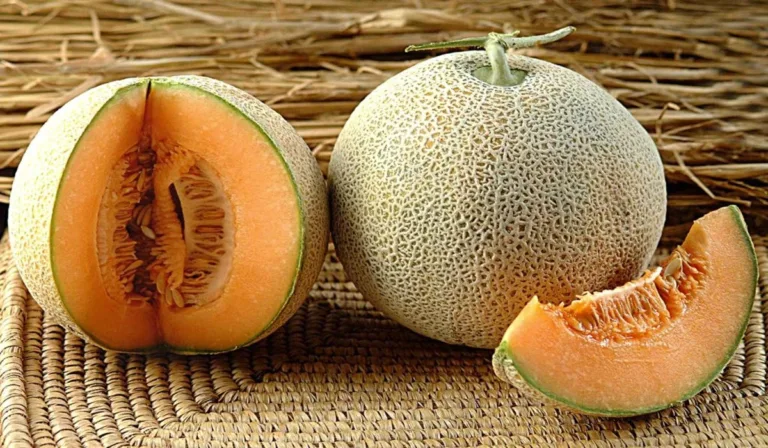
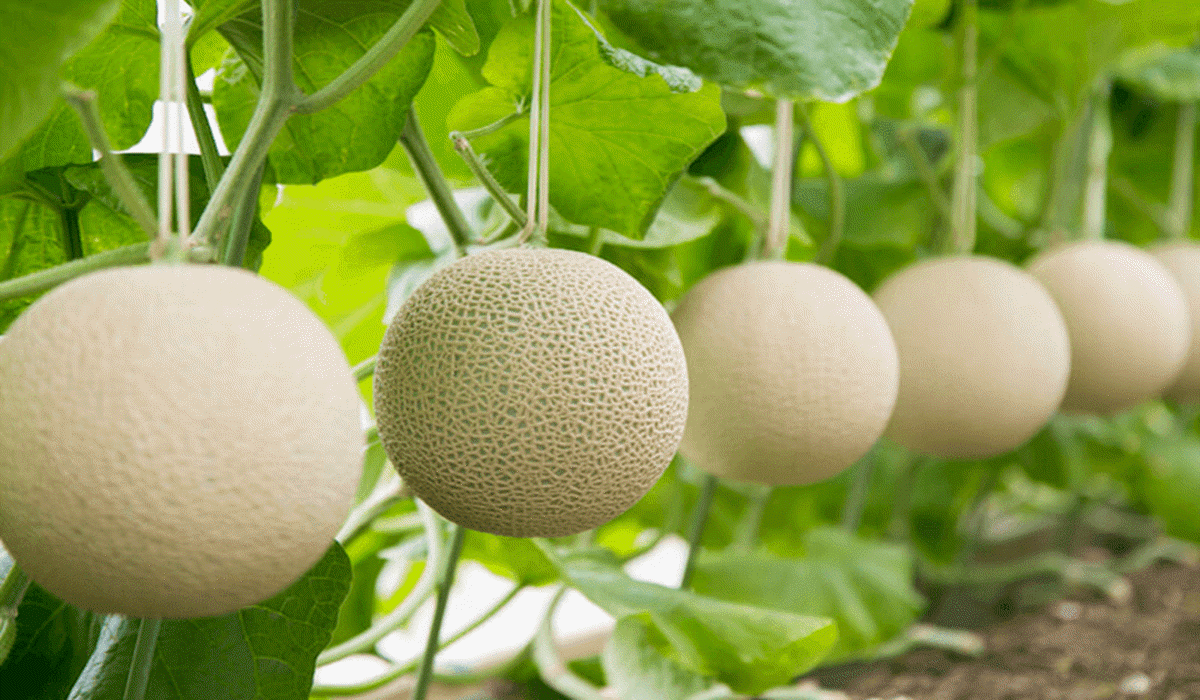
Musk melon, also known as cantaloupe, is a sweet and juicy fruit that is easy to grow in a home garden. Here are some tips for How to grow musk melon from seeds, What season do musk melons grow, How to grow sweet and tasty muskmelons in your home garden or on terrace:
grow-musk-melon

Choose the Right Location

Musk melon grows best in full sun, so choose a location that receives at least six hours of direct sunlight per day. The soil should be well-draining and rich in organic matter.

Planting musk melon

grow-musk-melon
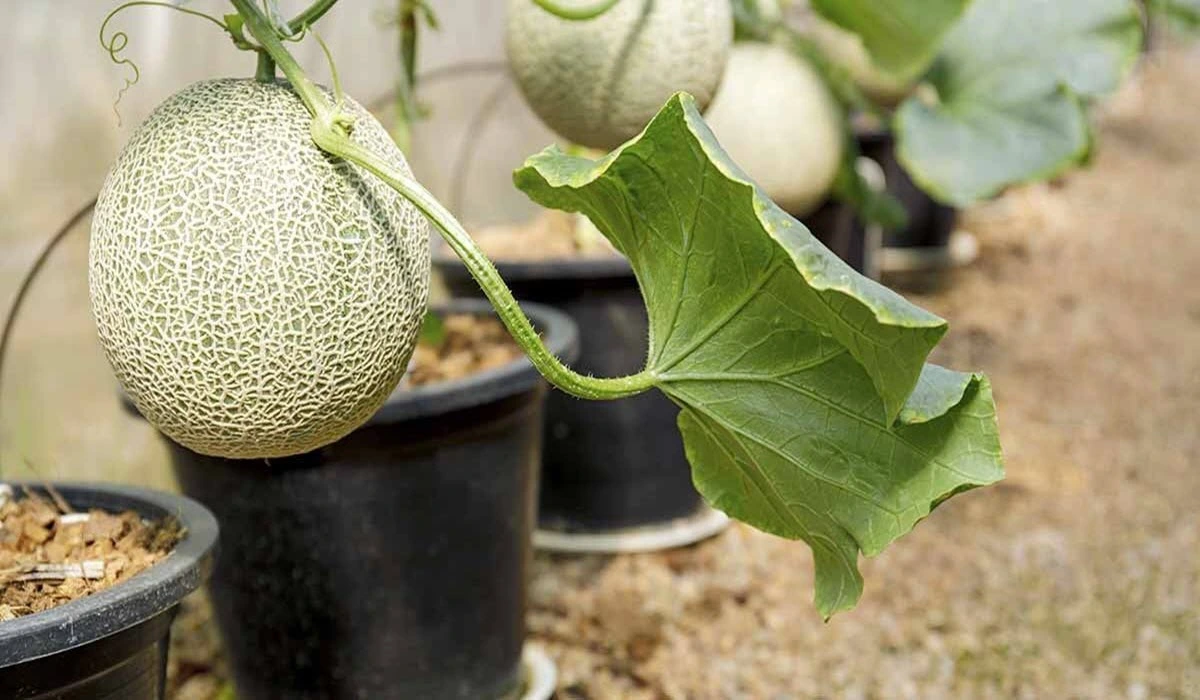
Musk melon can be grown from seeds or seedlings in container. Plant the seeds or seedlings in well-prepared soil, spacing them about 2 to 3 feet apart. If you’re growing from seed, plant them about an inch deep.

Seeding tray

Mr. Pen- Plastic Growing Trays

TMr. Pen- Plastic Growing Trays, 5 Pack, Black, Plant Tray, Seed Tray, Seedling Tray, Propagation Tray, Plant Trays for Seedlings, Planting Trays, Microgreens Growing Trays, Seedling Starter Trays

 Buy Now

Watering

Musk melon needs regular watering, especially during hot and dry weather. Water deeply and infrequently, allowing the soil to dry out slightly between waterings. Avoid getting the leaves wet, as this can increase the risk of disease.

Fertilizing

Musk melon needs regular fertilizing to produce a good yield. Use a balanced fertilizer that is high in nitrogen, phosphorus, and potassium. Apply the fertilizer every two to three weeks throughout the growing season.

Mulching

Mulch around the base of the musk melon plants to help conserve moisture and suppress weeds.

Pruning

Prune the musk melon plants by removing any side shoots that develop between the main stem and the leaves. This will help to focus the plant’s energy on producing fruit.

Pest Control

Watch out for pests like aphids and spider mites, which can damage the musk melon plants. Use insecticidal soap or neem oil to control these pests.

2 Litter sprayer

Garden Pressure Pump Sprayer

ITISLL Manual Garden Sprayer Hand Lawn Pressure Pump Sprayer Safety Valve Adjustable Brass Nozzle 0.5 Gal 2L

 Buy Now

Harvesting

Musk melon is ready to harvest when the fruit is fully ripened and easily separates from the stem. The fruit should be fragrant and slightly soft to the touch.

Disease attack in Musk melon and its solution

grow-musk-melon
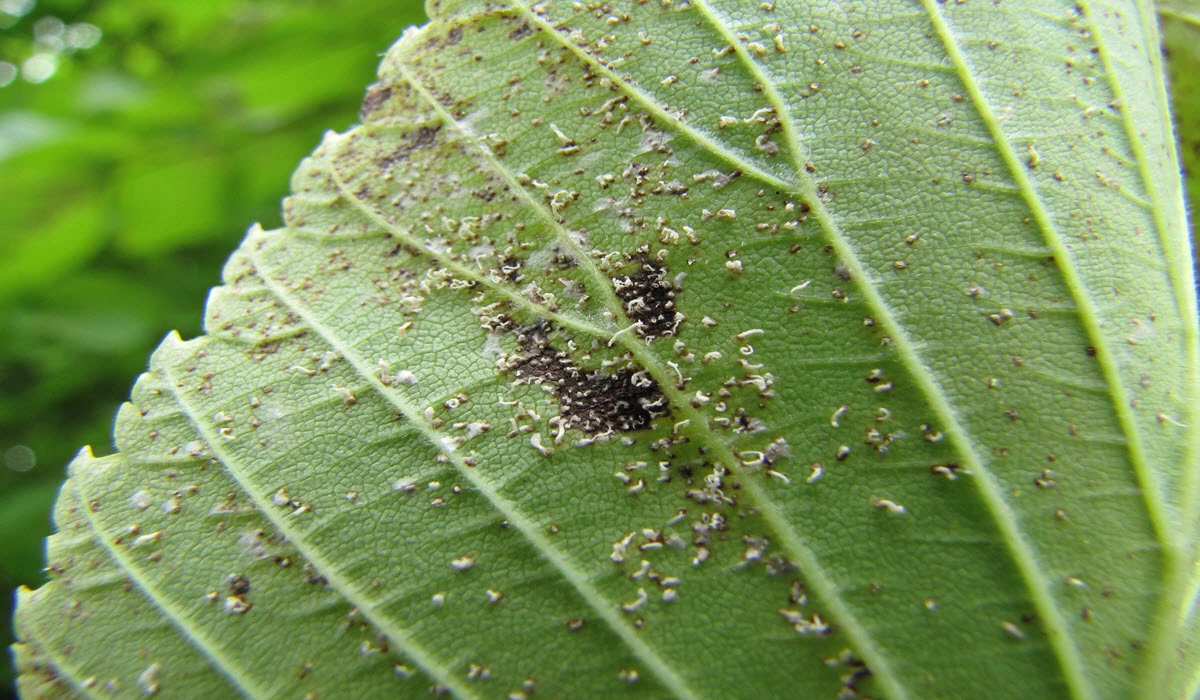
Powdery Mildew: Powdery mildew is a fungal disease that causes a white, powdery coating to develop on the leaves and stems of the musk melon plant. This can cause the leaves to yellow and die, which can affect the yield of the fruit. The solution is to use a fungicide and to water the plants in the morning to allow them to dry during the day.

Fusarium Wilt: Fusarium wilt is a fungal disease that causes the leaves to yellow and the plant to wilt. The solution is to remove and destroy the infected plant and to rotate the crops to prevent the disease from spreading.

Anthracnose: Anthracnose is a fungal disease that causes small, sunken spots to develop on the fruit. The solution is to remove and destroy the infected fruit and to use a fungicide.

Bacterial Wilt: Bacterial wilt is a bacterial disease that causes the plant to wilt and die. The solution is to remove and destroy the infected plant and to rotate the crops to prevent the disease from spreading.

Alternaria Leaf Spot: Alternaria leaf spot is a fungal disease that causes brown spots to develop on the leaves of the musk melon plant. The solution is to use a fungicide and to water the plants in the morning to allow them to dry during the day.

Health Benefits of Musk Melon

usage
High in Nutrients: Musk melon is a great source of essential vitamins and minerals, including vitamin A, vitamin C, potassium, and folate. It also contains antioxidants that help to protect the body from damage caused by free radicals.

Good for Digestion: Musk melon is high in fiber, which can help to improve digestion and prevent constipation. It also contains enzymes that aid in the digestion of proteins.

Promotes Hydration: Musk melon is 90% water, making it an excellent choice for staying hydrated during hot weather or after exercise.

Boosts Immune System: The high levels of vitamin C in musk melon can help to boost the immune system and protect the body from infections.

Supports Eye Health: Musk melon is high in beta-carotene, which is converted to vitamin A in the body. Vitamin A is important for maintaining healthy eyes and preventing age-related macular degeneration.

Helps Maintain Healthy Skin: The vitamin C and antioxidants in musk melon help to promote healthy skin and prevent damage caused by sun exposure and aging.

Low in Calories: Musk melon is a low-calorie fruit, making it an excellent choice for people who are trying to lose weight or maintain a healthy weight.

In conclusion, grow musk melon in your home garden is easy and rewarding. By following these muskmelon growing guide, you can produce a bountiful harvest of sweet and juicy fruit that will be a delight to your taste buds. So, get your hands dirty and start growing musk melon in your home garden today!

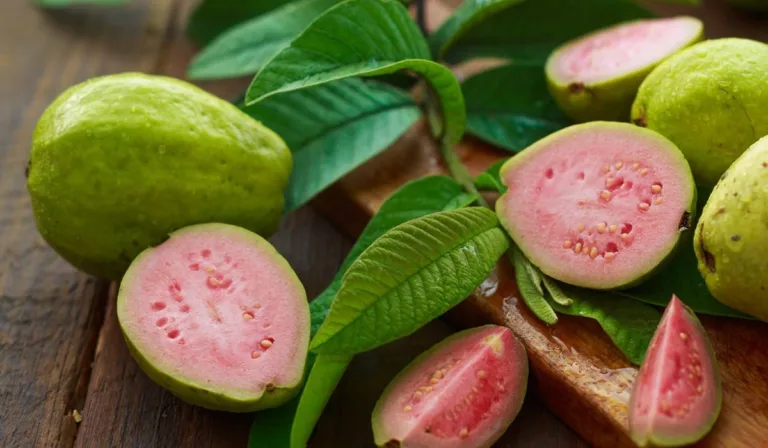
Guava is a delicious and nutritious fruit that is easy to grow guava tree in your home garden. Here is a step-by-step guide on How to Grow a guava tree from seeds, Guava tree Growing Tips and Plant care, How Long Does It Take for a Guava Tree to Be Full Grown, How to grow guava tree faster :
grow-guava-tree-1

Choose a Suitable Location

Guava-Fruit
Guava trees prefer warm, humid climates and need plenty of sunlight to thrive. Choose a spot in your garden that receives full sun and has well-drained soil.

Prepare the Soil to Grow Guava Tree

Guava trees prefers acidic soil with a pH of 5.5 to 7.0. Prepare the soil by adding organic matter like compost or manure to improve soil fertility and drainage. Store the Soil in containers or pots.

gardening kit icon

CHRYZTAL Stainless Steel Heavy Duty Gardening Tool Set

Garden Tool Set, Stainless Steel Heavy Duty Gardening Tool Set, with Non-Slip Rubber Grip, Storage Tote Bag, Outdoor Hand Tools, Ideal Garden Tool Kit Gifts for Women and Men

 Buy Now

Plant the Tree

Dig a hole that is twice as wide and deep as the root ball of the guava tree. Gently remove the tree from its container and place it in the hole. Backfill the hole with soil, tamp it down lightly, and water the tree thoroughly.

Watering

Guava trees require regular watering, especially during the first few years of growth. Water the tree weekly once, or more often during hot, dry weather. Be careful not to waterlogged, as guava trees are susceptible to root rot.

Fertilize for Grow Guava Tree

For Healthy growth use Homemade fertilizers for Guava trees. Guava trees benefit from regular applications of fertilizer. Use a fertilizer with a ratio of 8-8-8 or 10-10-10, and apply it every three to four months during the growing season.

Pruning

Prune the tree to remove any dead, diseased or damaged branches. You can also prune the tree to control its size and shape. Prune the tree before new growth appears.
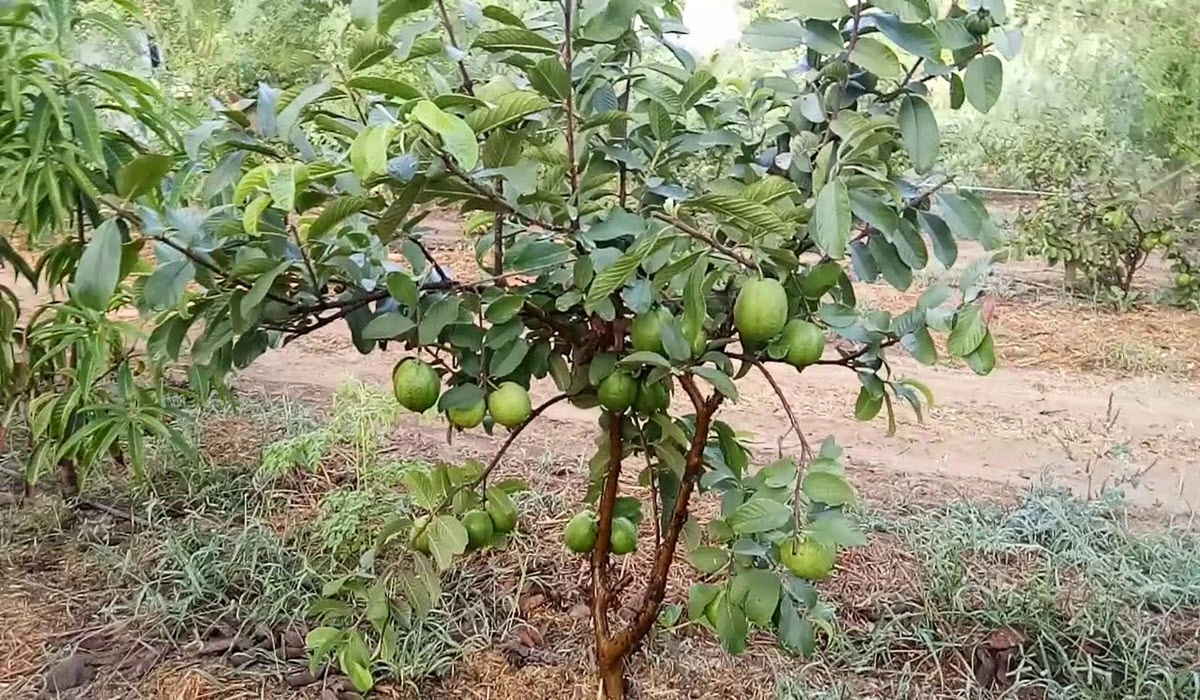
Diseases Attack in guava tree and its Solution

Diseases
Anthracnose: Anthracnose is a fungal disease that can cause leaf spots, stem cankers, and fruit rot. It affects the full grown guava tree. To prevent anthracnose, avoid overhead watering and keep the area around the tree clean and free of fallen leaves and debris. Treat the tree with a suitable fungicide if necessary.
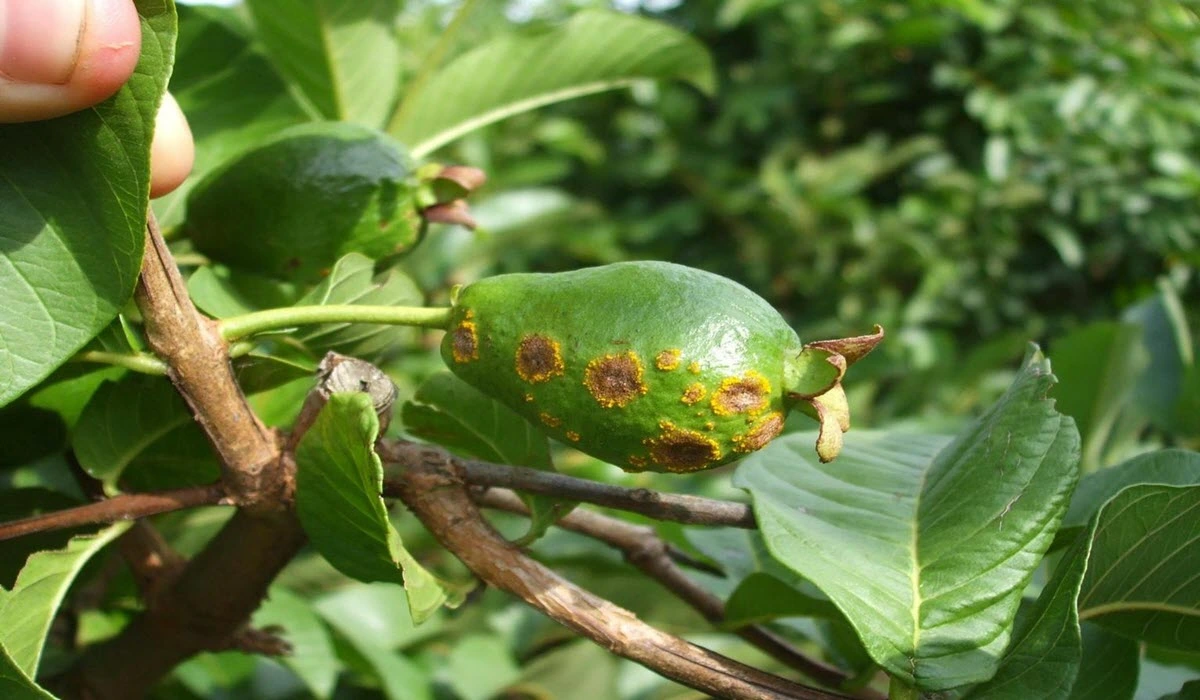
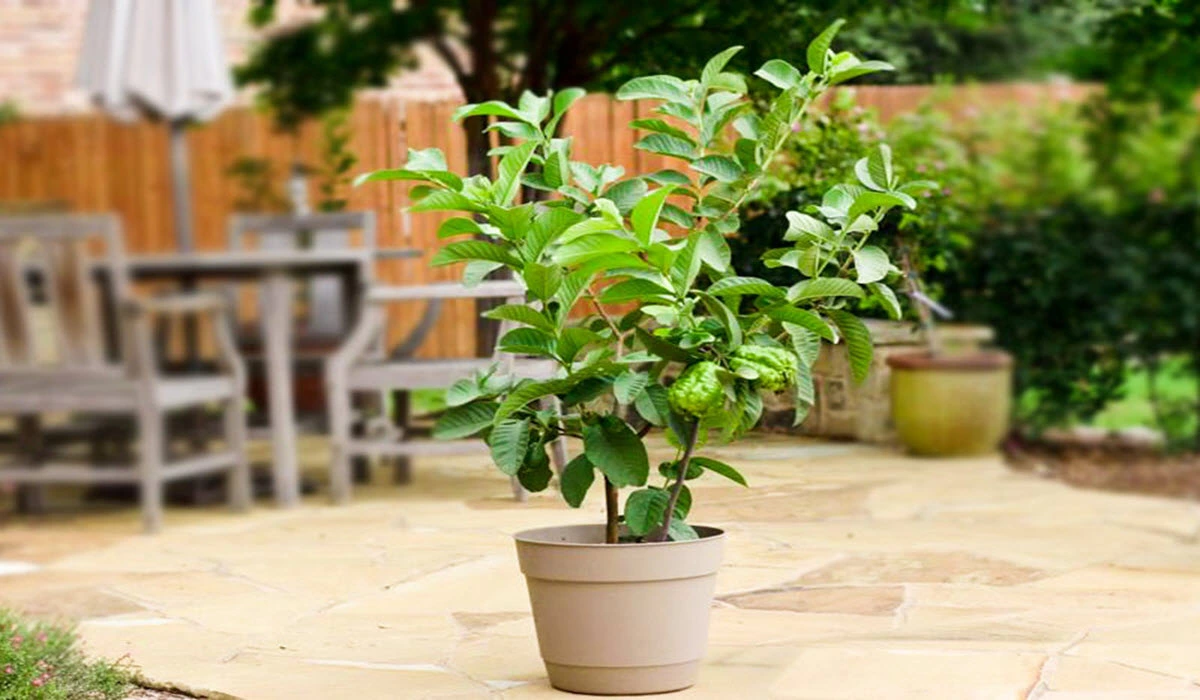
Fruit Fly: Fruit flies are a common pest that can cause significant damage to guava fruits. To prevent fruit fly infestations, remove any fallen fruits from around the tree and cover the fruits with a suitable mesh bag. You can also use a suitable insecticide to control the pests.

Gardening gloves

Gardening Gloves for Women and Ladies

COOLJOB Gardening Gloves for Women and Ladies, 6 Pairs Breathable Rubber Coated Yard Garden Gloves, Outdoor Protective Work Gloves with Grip, Medium Size Fits Most, Red & Green

 Buy Now


Guava Wilt: Guava wilt is a fungal disease that can cause wilting, yellowing, and dropping of leaves. To prevent guava wilt, plant resistant varieties of guava and avoid planting in areas with poorly drained soil. If the disease does occur, remove and destroy the affected plants and treat the area with a suitable fungicide.

Root Knot Nematodes: Root-knot nematodes are microscopic worms that can cause significant damage to the roots of guava trees. To prevent root-knot nematode infestations, rotate crops, and avoid planting in areas with a history of the disease. You can also use a suitable nematode control agent to control the pests.

Pink Disease: Pink disease is a bacterial disease that can cause the bark of guava trees to turn pink and become soft and spongy. To prevent pink disease, keep the area around the tree clean and free of fallen leaves and debris. Treat the tree with a suitable bactericide if necessary.

Health Benefits of Guava Fruit

container
Rich in Vitamins and Minerals: Guava is a rich source of vitamins and minerals, including vitamin C, vitamin A, potassium, and dietary fiber. These nutrients play a key role in maintaining a healthy immune system, promoting healthy digestion, and maintaining healthy skin and eyesight.

High in Antioxidants: Guava is also high in antioxidants, which help to protect the body against free radicals and prevent cellular damage. This can help to reduce the risk of chronic diseases like cancer, heart disease, and Alzheimer’s disease.

Promotes Digestive Health: Guava is a rich source of dietary fiber, which promotes healthy digestion and can help to prevent constipation and other digestive problems.

Supports Heart Health: Guava is low in cholesterol and high in potassium, which can help to lower blood pressure and reduce the risk of heart disease. The high levels of dietary fiber in guava can also help to reduce cholesterol levels and improve overall heart health.

Boosts Immune System: Guava is a rich source of vitamin C, which plays a key role in boosting the immune system and protecting the body against infections and diseases.

Anti-inflammatory Properties: Guava contains anti-inflammatory compounds that can help to reduce inflammation in the body and prevent chronic diseases like arthritis.

Good for Skin Health: The high levels of vitamin C and antioxidants in guava can help to promote healthy skin and prevent skin damage caused by free radicals.

In conclusion, growing a guava tree is easy and rewarding. And you can also grow guava trees from cuttings and leaves. By following these simple steps, you can enjoy a bountiful harvest of delicious and nutritious guavas from your backyard. So why not give it a try and start growing a guava tree today?

Eggplant, also known as aubergine, is a versatile and delicious vegetable that is rich in minerals and vitamins. It is easy to grow and can be cultivated in most climates. In this article, we will guide you on How long eggplants take to grow, How many eggplants do you get from one plant, How long do eggplants plants live, and how to grow eggplant from seed to harvest at home garden.
grow-eggplant

Choose the Right Variety

eggplant-types
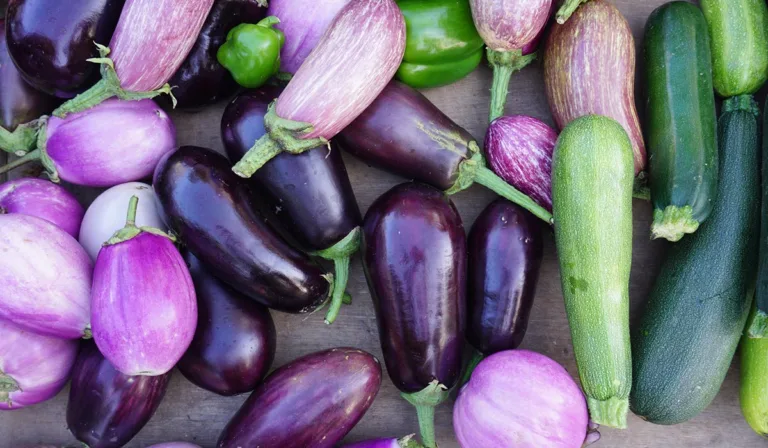
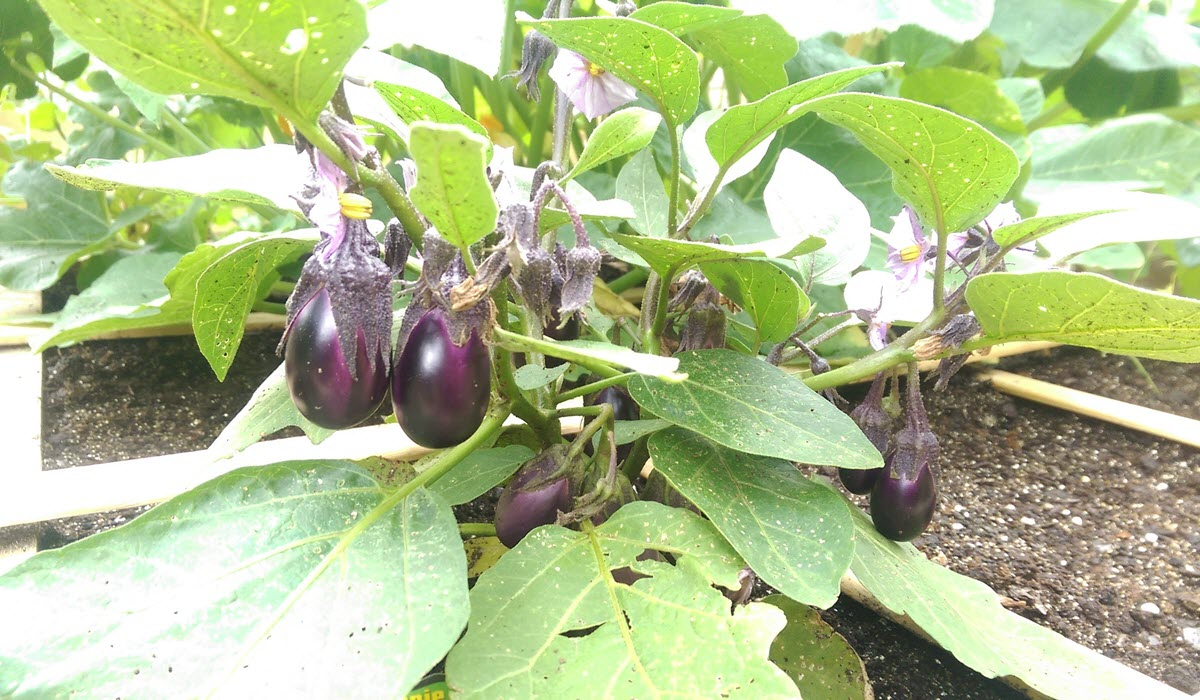
There are many different varieties of eggplant available to grow eggplant, each with its own unique characteristics. Choose a variety that is suited to your climate and growing conditions. Some popular eggplant varieties include Black Beauty, Japanese eggplant, Fairy Tale Eggplant and Rosa Bianca.

Prepare the Soil

Eggplant grows best in well-draining soil that is rich in organic matter. Prepare the soil by adding compost or well-rotted manure, and ensure that the soil is well-draining.

Start Seeds Indoors

grow eggplant
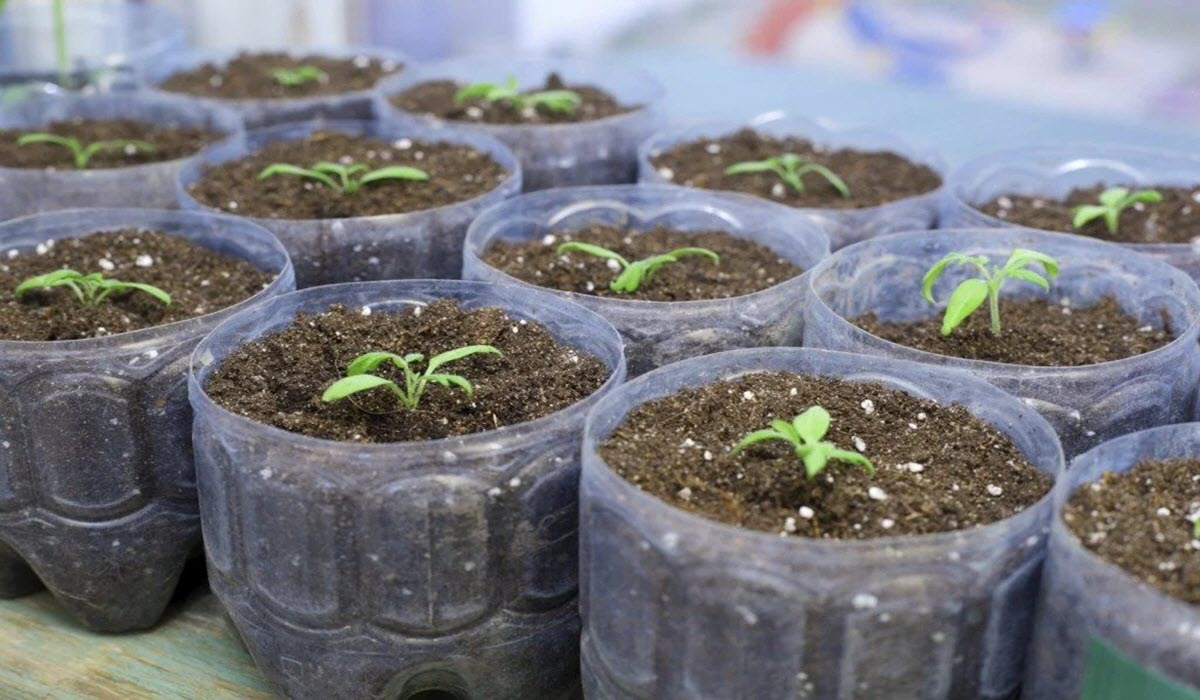
Start eggplant seeds indoors about 6-8 weeks before the last expected frost date in your area. Sow the seeds in containers or in pot and keep them in a warm, sunny location. When the seedlings have developed their second set of leaves, they are ready to be transplanted.

Transplant Seedlings to Grow Eggplant

grow eggplant
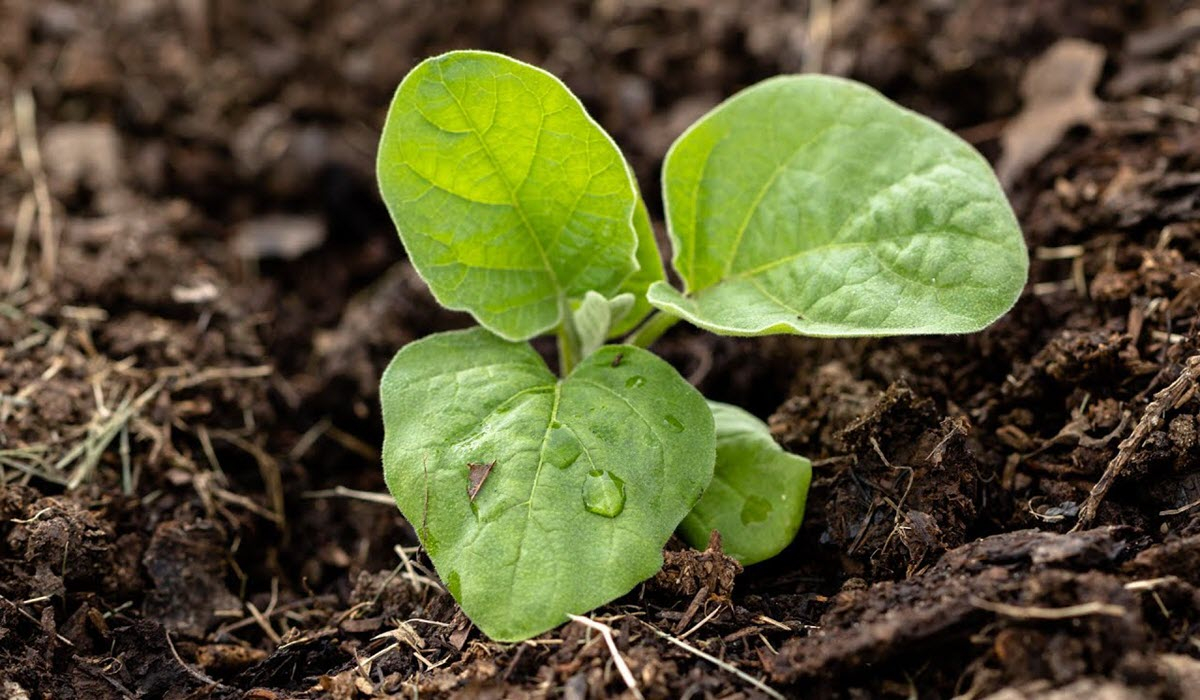
Once the seedlings are large enough, transplant them to their final location in the garden. Space the plants about 2-3 feet apart and ensure that they have plenty of room to grow.

2 Litter sprayer

Garden Pressure Pump Sprayer

ITISLL Manual Garden Sprayer Hand Lawn Pressure Pump Sprayer Safety Valve Adjustable Brass Nozzle 0.5 Gal 2L

 Buy Now

Water Regularly

watering-garden
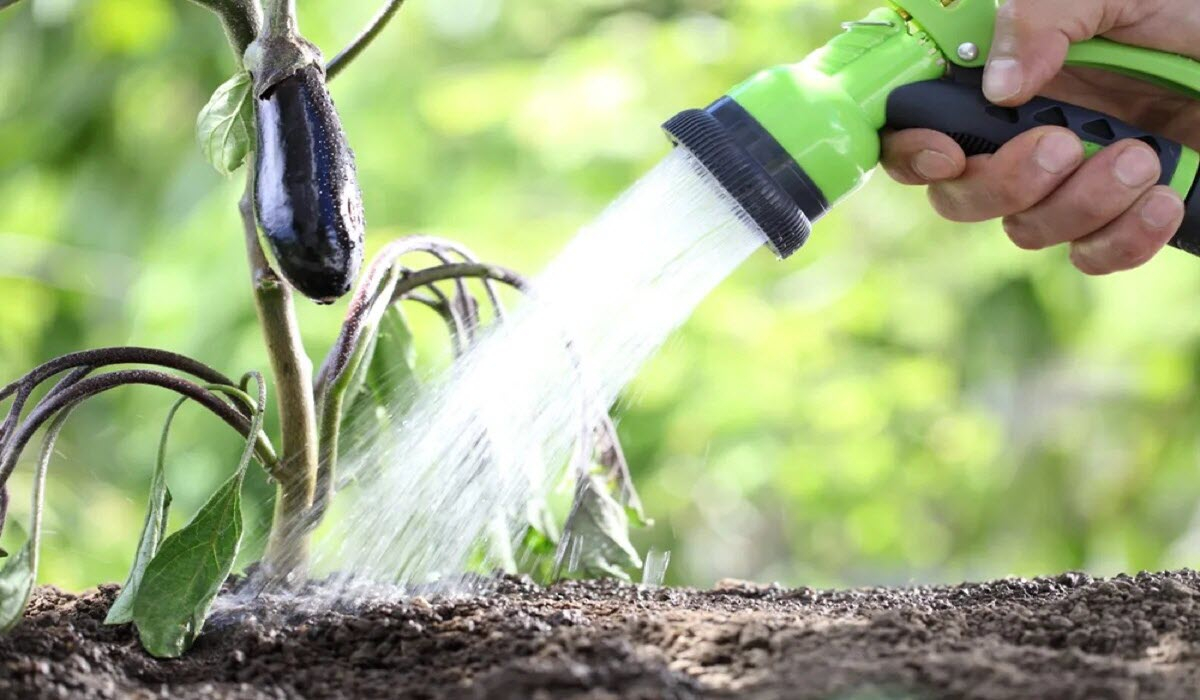
Eggplant requires regular watering to ensure that the soil remains moist but not waterlogged. Water the plants deeply once a week, or more frequently in hot weather.

Fertilize Regularly

In Eggplant growing stages, It requires regular fertilization to ensure healthy growth and development. Apply a balanced fertilizer every 2-3 weeks during the growing season.

Harvest

egg-plant
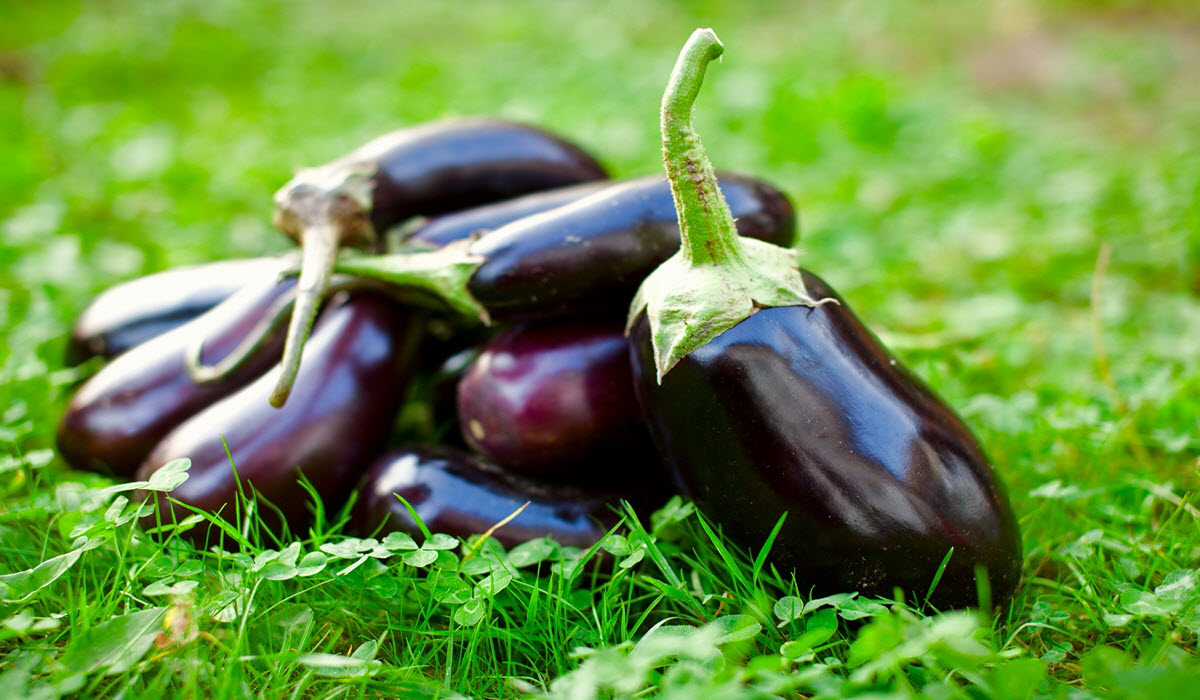
Eggplants can be harvested when they are mature and have reached their full size. To harvest, use a sharp knife or shears to cut the stem of the fruit close to the plant.

Pruner

5 pack Garden Pruning Shears Stainless Steel Blades

5 pack Garden Pruning Shears Stainless Steel Blades, Handheld Scissors Set with Gardening Gloves,Heavy Duty Garden Bypass Pruning Shears,Tree Trimmers Secateurs, Hand Pruner

 Buy Now

Diseases Attack in eggplant and its Solution

Disease-1
Verticillium Wilt: This is a fungal disease that causes yellowing and wilting of the leaves. The disease can also affect the stem and cause it to turn brown or black. To prevent this disease, use disease-resistant varieties and practice crop rotation for healthily grow eggplant.

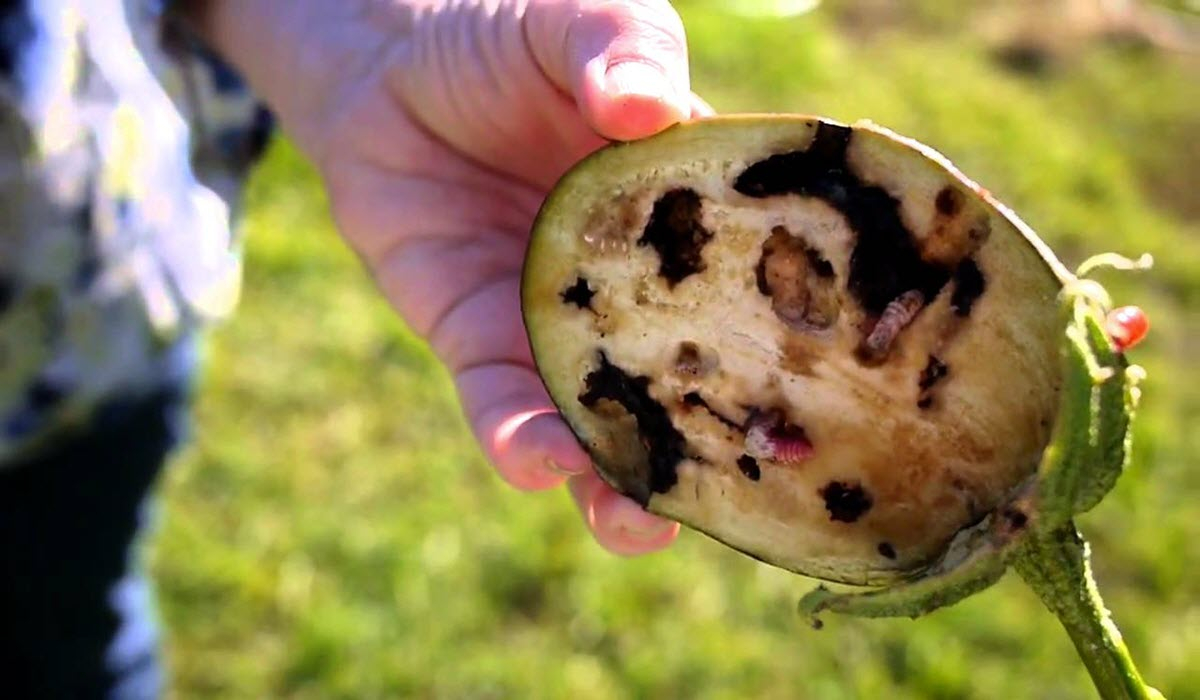
Anthracnose: This is a fungal disease that affects the fruit of the eggplant, causing it to become sunken and develop dark spots. To prevent this disease, use disease-resistant varieties and practice good garden sanitation.

Bacterial Wilt: This is a bacterial disease that causes the leaves of the eggplant to wilt and turn yellow. The disease can also affect the stem and cause it to ooze sticky sap. To prevent this disease, use disease-resistant varieties and practice good garden sanitation.

Fusarium Wilt: This is a fungal disease that causes the leaves of the eggplant to wilt and turn yellow. The disease can also affect the stem and cause it to turn brown or black. To prevent this disease, use disease-resistant varieties and practice crop rotation.

Powdery Mildew: This is a fungal disease that affects the leaves of the eggplant, causing them to develop a powdery white coating. To prevent this disease, plant eggplants in a location that receives good air circulation and avoids overwatering.

Health Benefits of Eggplant

eggplants
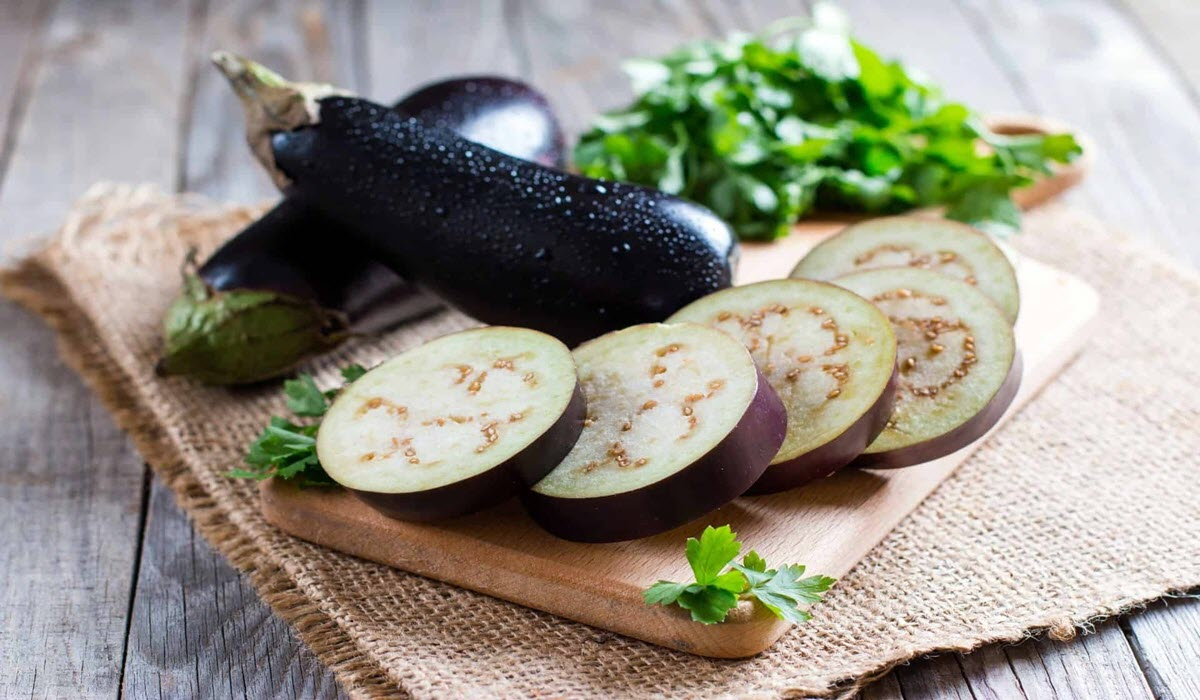
Rich in Nutrients: Eggplants are a good source of fiber, and vitamins, including vitamin C, vitamin K, vitamin B6, folate and potassium.

High in Antioxidants: Eggplants have antioxidants, such as anthocyanins, which gives protection to the human body against cellular damage caused by free radicals.

Promotes Digestive Health: Eggplants are high in fiber, They promote healthy digestion and prevent constipation.

Helps Lower Cholesterol: The fiber and antioxidants in eggplants can help to lower cholesterol levels, which in turn can help to reduce the risk of heart disease.

May Help Manage Blood Sugar: Eggplants contain a compound called chlorogenic acid, which has been shown to help regulate blood sugar levels and improve insulin sensitivity.

Supports Brain Health: Eggplants contain nutrients that can help to protect the brain from age-related damage, and may even help to improve cognitive function.

Promotes Weight Loss: Eggplants are low in calories and high in fiber, making them a great addition to a natural weight loss diet.

In conclusion, growing eggplant is a rewarding and easy process. By following the above tips, you can ensure healthy and productive eggplant plants that will provide a bountiful harvest of delicious and nutritious vegetables for you and your family to enjoy.

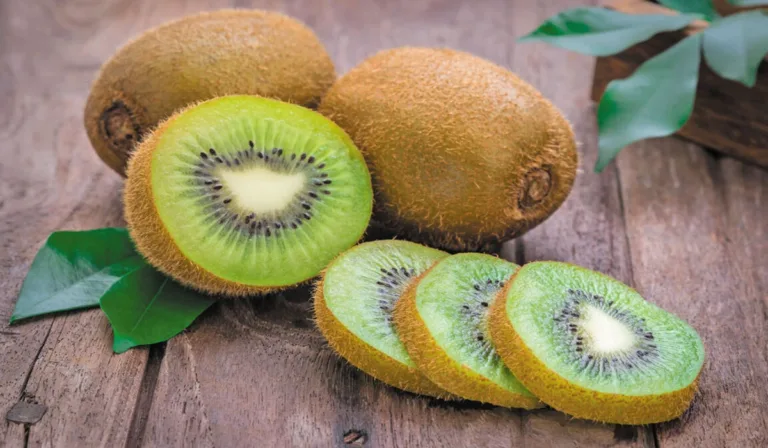
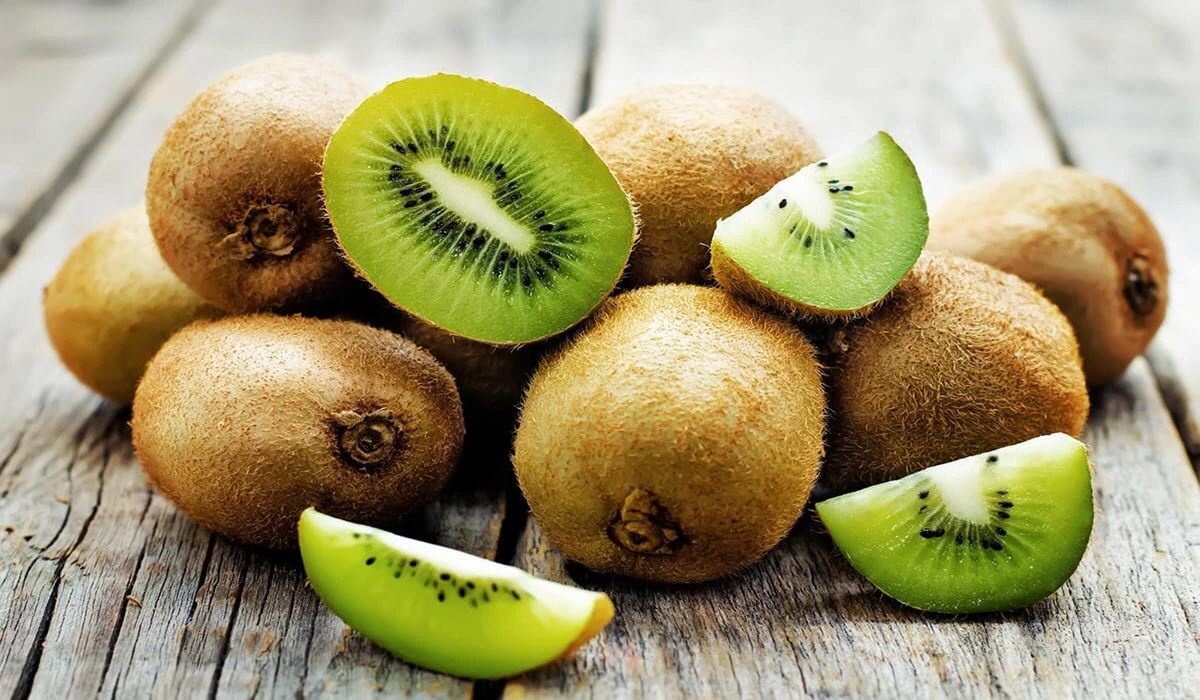
Kiwi fruit, is a delicious and nutritious fruit that is popular all over the world. It is packed with vitamins, antioxidants, and fiber, making it a healthy addition to any diet. While it is most commonly grown commercially in orchards, it is also possible to grow kiwi fruit from seed at home. In this article, we will provide a step-by-step guide on how to grow kiwi fruit from seed in home, How long does it take to grow kiwi from seed.
Grow-Kiwi-Fruit

Collecting Kiwi fruit Seeds

Kiwi-fruit-Seed
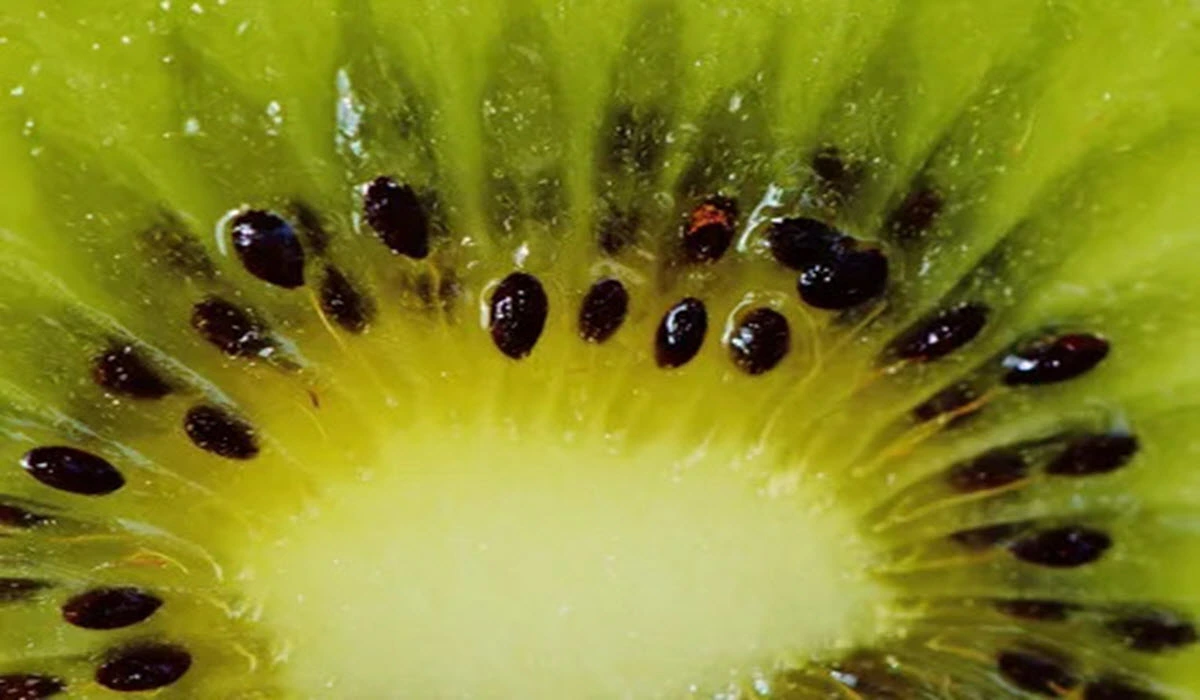
The first step in growing kiwi fruit from seed is to collect the seeds. To do this, select a Ripe kiwi fruit and cut it in half with a sharp knife. Use a spoon to scoop out the seeds and place them in a Bowl of water. Swirl the seeds around in the water to remove any remaining fruit flesh, and then strain the seeds through a fine-mesh sieve.

Preparing the Seeds

Once you have collected the kiwi fruit seeds, the next step is to prepare them for planting. Lay the Seeds out on a paper towel and allow them to dry completely. It will help to prevent mold and rot during the germination process. Once the seeds are dry, store them in an airtight container until you are ready to plant them.

Seeding tray

Mr. Pen- Plastic Growing Trays

TMr. Pen- Plastic Growing Trays, 5 Pack, Black, Plant Tray, Seed Tray, Seedling Tray, Propagation Tray, Plant Trays for Seedlings, Planting Trays, Microgreens Growing Trays, Seedling Starter Trays

 Buy Now

Planting Seeds

To plant kiwi fruit seeds, you need to fill a small pot with a high-quality potting mix. Make a small hole in the center of the soil and place one seed in each hole. Cover the seeds with soil, and then water the pot thoroughly.

Germinating Seeds

Kiwi fruit seeds require warm and moist conditions to germinate. To create these conditions, cover the pot with a clear plastic bag or plastic wrap. Place the pot in a warm location that receives indirect sunlight. Check the pot every day to ensure that the soil remains moist, and mist soil with a spray bottle if it starts to dry out. The seeds should Start to germinate in two-three weeks.

Transplanting kiwi Seedlings

healthily
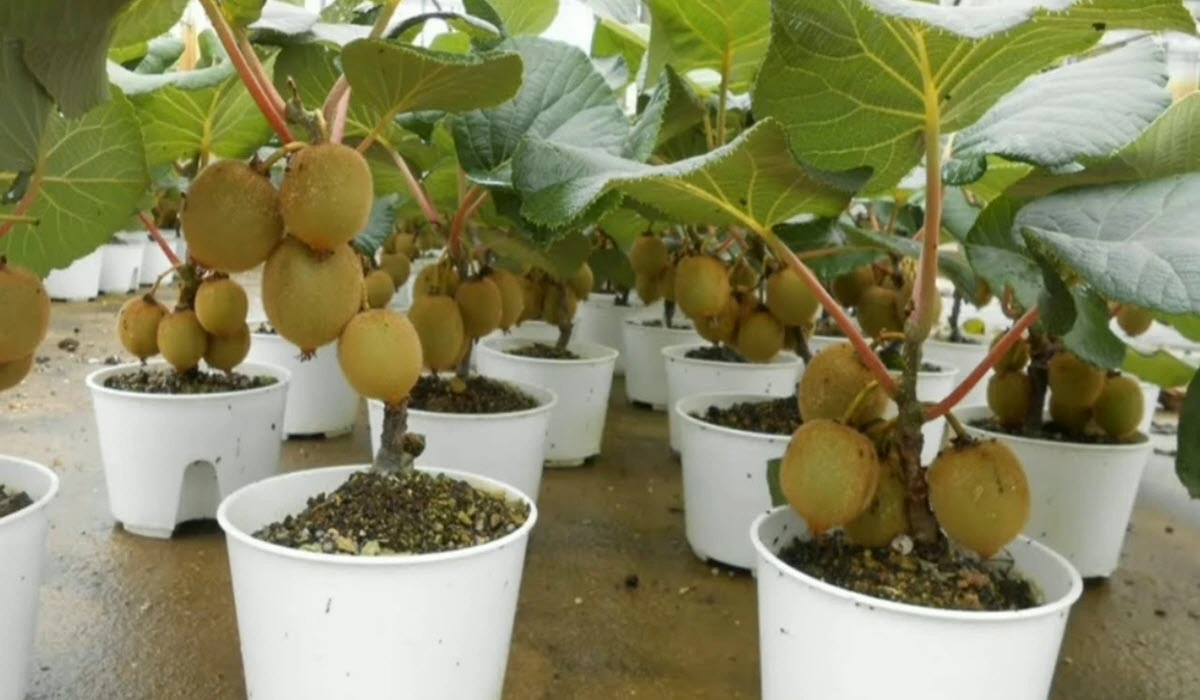
Once the kiwi fruit seedlings have grown 2-3 inches tall, they can be transplanted into larger pots or directly into the ground. If you are transplanting into a larger pot, use a high-quality potting mix and leave enough room for the plant to grow. If you are transplanting into the ground, choose a location that receives full Sun and has well-draining soil.

grow bags

12-Pack Grow Bags 5 Gallon, Thick Fabric Planter Bags for Vegetables

GreatBuddy 12-Pack Grow Bags 5 Gallon, Thick Fabric Planter Bags for Vegetables, Sturdy Handles & Reinforced Stitching, Labels Included, Black

 Buy Now

Caring for healthily Grow Kiwi Fruit Plant

Kiwi fruit plants require regular watering, especially during the summer months. Make sure to keep the soil moist but not Waterlogged. Fertilize the plants every 4-6 weeks with a balanced fertilizer. Kiwi fruit plants also require support as they grow, as they are a climbing plant. You can provide this support by using a trellis, fence, or other structure.

Do you need two kiwi plants to get fruit?

kiwi-board
Yes, you need both a male and a female kiwi plant to get fruit. Kiwi plants are dioecious, Which means that individual plants are either male or female and cannot self-pollinate. To ensure pollination and fruit Production, it is important to plant both a male and a female kiwi plant in close proximity to each other. A general rule of thumb is to plant one male plant for every 8-10 female plants to ensure adequate pollination. Without a male plant nearby, a female kiwi plant will produce flowers but no fruit.

How can I tell if my kiwi plant is male or female?

Transplanting-Kiwi-fruit
You can determine whether a kiwi plant is male or female by looking at the flowers. Male kiwi plants produce small clusters of flowers, while female plants have larger flowers with a distinctive ovary at the base. Additionally, male kiwi plants tend to have thicker foliage and a more sprawling growth pattern, while female plants grow more upright and produce fruit.

Health Benefits of Kiwi fruit

Health-Benefits

  • High in Vitamin C: Kiwi fruit is an excellent source of vitamin C, which is essential for immune system function, wound healing.
  • Rich in Fiber: Kiwi fruit is high in fiber, which helps to promote digestion and reduce the risk of constipation.
  • Contains Antioxidants: Kiwi fruit is packed with antioxidants, including vitamin C, E, and polyphenols, which help to protect the body against oxidative stress and inflammation.
  • Lowers Blood Pressure: Kiwi fruit help lower blood pressure due to its high potassium content, which helps to Counteract the effects of sodium in the diet.
  • Supports Skin Health: Kiwi fruit is rich in vitamin C and other antioxidants, which can help to promote healthy skin and reduce the signs of aging.
  • May Improve Sleep Quality: Kiwi fruit contains serotonin, which is known to Improve sleep quality and duration.
  • Helps with Weight Management: Kiwi fruit is low in calories and High in fiber, which can help to promote feelings of fullness and reduce overall calorie intake.


In conclusion, growing kiwi fruit from seed can be a fun and rewarding experience. With the Right conditions and care, you can enjoy delicious, homegrown kiwi fruit in your own backyard or terrace garden.

Pin It