Category

Gardening

Category

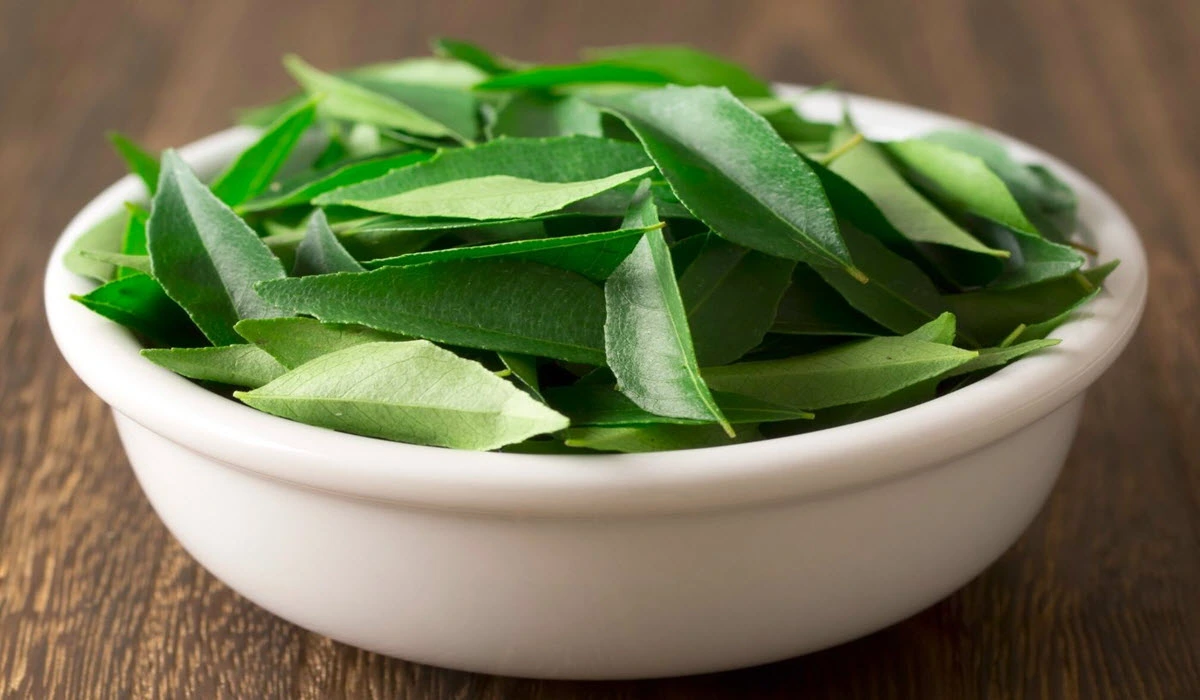
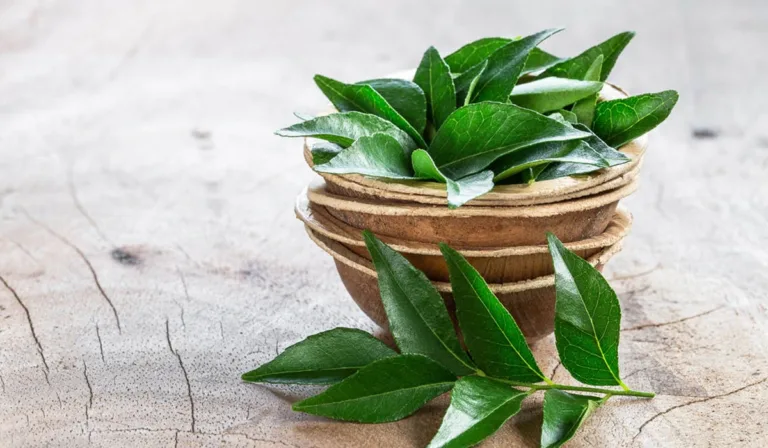
Curry leaves are a popular ingredient in Indian cuisine, known for their distinct flavor and aroma. Grow leaves plant is not only a fun hobby but also a great way to have a constant supply of fresh leaves for your cooking. In this blog article, we will discuss how to grow curry leaves plant from seed, how to grow curry leaf plant at home, how to grow curry leaves plant from cutting and health benefits of curry leaves.
Curry Leaves Plant

Select the Right Pot and Soil

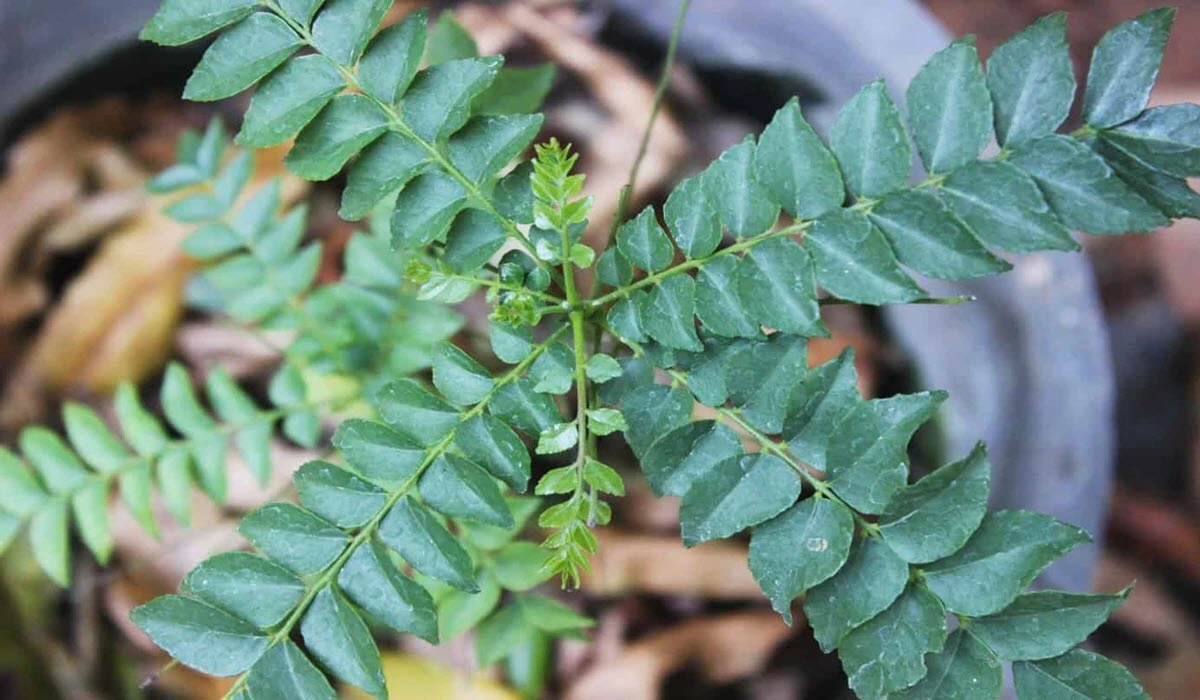
The first step in growing curry leaves plant is selecting the right pot and soil. Curry leaves plant need a pot that is at least 12 inches deep and wide enough to accommodate their growth. Choose a pot with good drainage and holes at the bottom to prevent waterlogging. The soil should be well-drained and rich in organic matter. You can use a mix of potting soil and compost or cow dung to provide the necessary nutrients to the plant.

Planting the Curry Leaf Plant
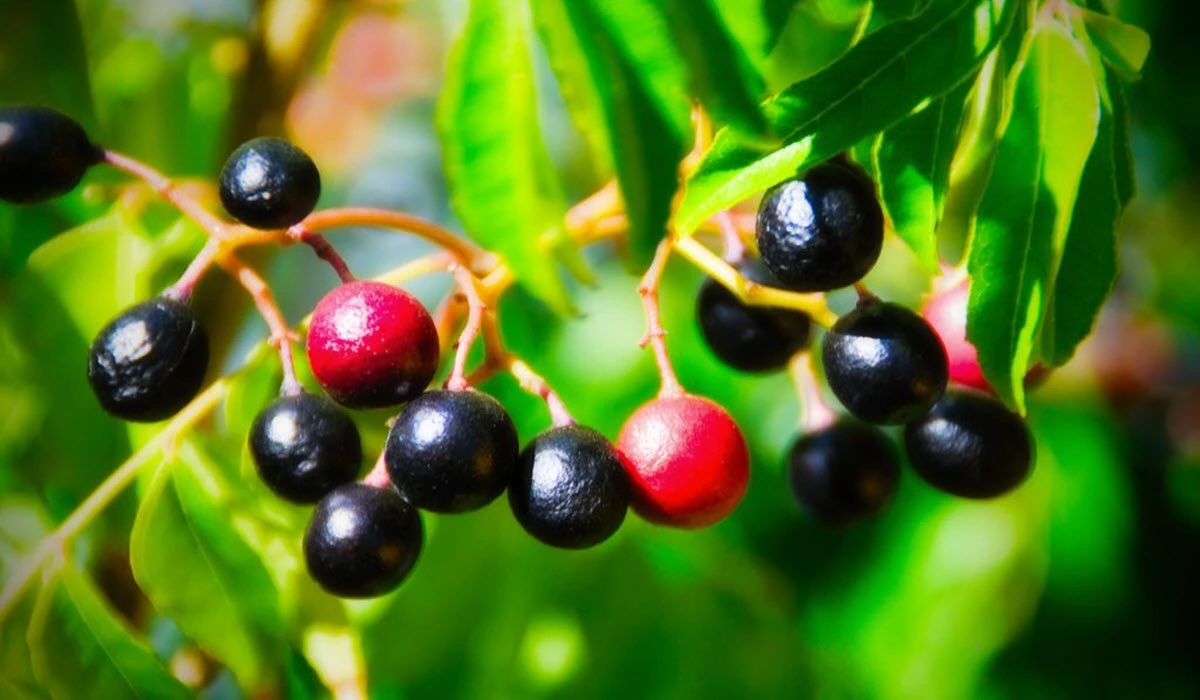
Curry Leaf Plant
Once you have selected the right pot and soil, it’s time to plant the curry leaves. You can buy curry leaves saplings from your local nursery or start from seed.If you are starting from seed, soak the seeds in water overnight before planting. Make a small hole in the soil and plant the seed, covering it with soil. Water the soil gently, but don’t overwater as it can cause the seeds to rot. If you are planting a sapling, gently remove it from the pot and loosen the root ball before planting it in the new pot. Water the soil thoroughly, but don’t let it become waterlogged.

Watering and Fertilizing

Curry leaves plant needs regular watering, especially during hot and dry weather. Water the plant once or twice a week, depending on the conditions of local weather. Avoid overwatering, as it can lead to root rot and other diseases. Fertilize the plant every two weeks during the growing season with a balanced fertilizer. You can also use organic fertilizers such as fish emulsion or seaweed extract to provide the necessary nutrients.
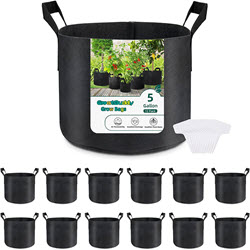
grow bags

12-Pack Grow Bags 5 Gallon, Thick Fabric Planter Bags for Vegetables

GreatBuddy 12-Pack Grow Bags 5 Gallon, Thick Fabric Planter Bags for Vegetables, Sturdy Handles & Reinforced Stitching, Labels Included, Black

 Buy Now

Sunlight and Temperature

Curry leaves plants need plenty of sunlight to grow and thrive. Place the pot in a spot that receives at least six hours of direct sunlight every day. The ideal temperature for curry leaves plant is between 60°F to 85°F (15°C to 29°C). It can tolerate some cold and heat, but extreme temperatures can damage the plant.

Pruning and Harvesting
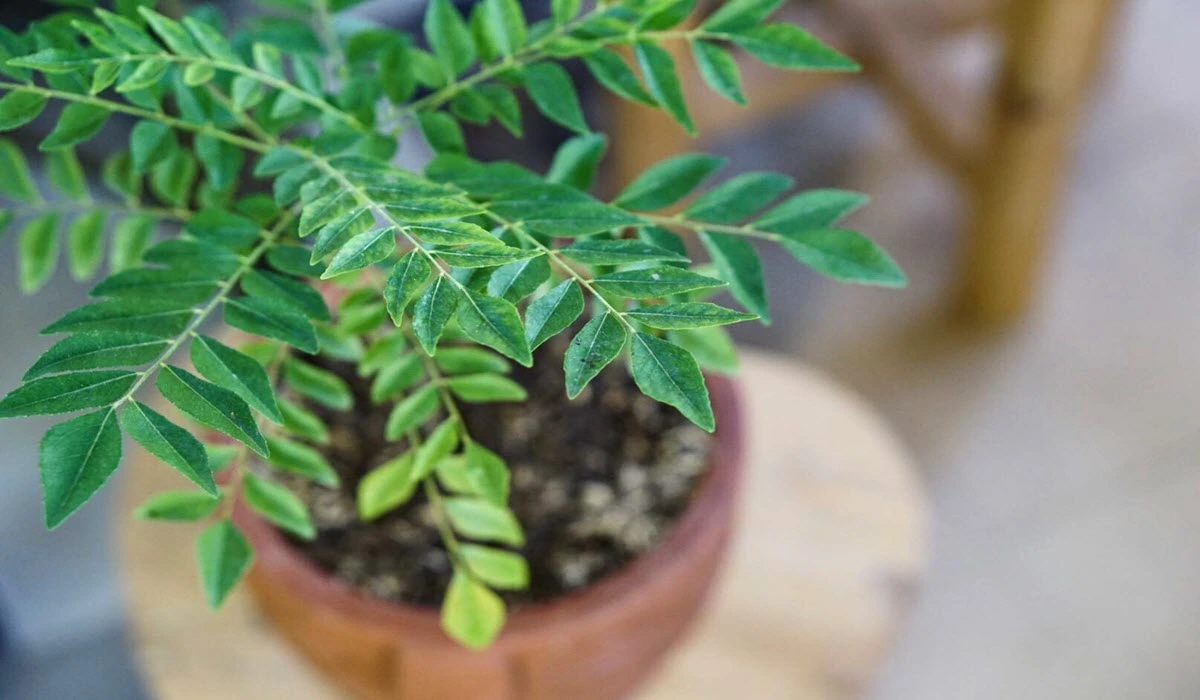
curry leaf
Pruning is an essential aspect of growing curry leaves plants. Regular pruning encourages new growth and prevents the plant from becoming too leggy. Prune the plant regularly to remove any dead or yellowing leaves and branches. You can start harvesting curry leaves once the plant has grown to a height of around 1.5 to 2 feet (45 to 60 cm). Pick the leaves as needed, leaving at least a few leaves on the plant to encourage new growth.

Pruner

5 pack Garden Pruning Shears Stainless Steel Blades

5 pack Garden Pruning Shears Stainless Steel Blades, Handheld Scissors Set with Gardening Gloves,Heavy Duty Garden Bypass Pruning Shears,Tree Trimmers Secateurs, Hand Pruner

 Buy Now

Health Benefits of Curry Leaves Plant

Grow Curry Leaves Plant
Good for Digestion: Curry leaves are rich in fiber, which helps to improve digestion and prevent constipation. They also contain essential oils that stimulate digestive enzymes and promote healthy bowel movements.

Promotes Weight Loss: Curry leaves are low in calories and high in fiber, making them a great addition to a weight loss diet. They also help to reduce cravings and keep you feeling full for longer periods.

Boosts Immunity: Curry leaves are a rich source of antioxidants, which help to protect the body from oxidative stress and boost the immune system. They also contain vitamins and minerals that support overall health and well-being.

Improves Hair Health: Curry leaves are a popular ingredient in hair oils and treatments. They contain compounds that help to promote hair growth, prevent hair loss, and reduce dandruff.

Reduces Inflammation: Curry leaves contain anti-inflammatory compounds that help to reduce inflammation and pain in the body. They have been found to be effective in reducing the symptoms of arthritis and other inflammatory conditions.

In conclusion, growing the curry leaves plant is not difficult, but it requires proper care and attention. Select the right pot and soil, water and fertilize regularly, provide plenty of sunlight, and prune the plant regularly. With a little patience and effort, you can have a healthy and thriving curry leaves plant in your home.
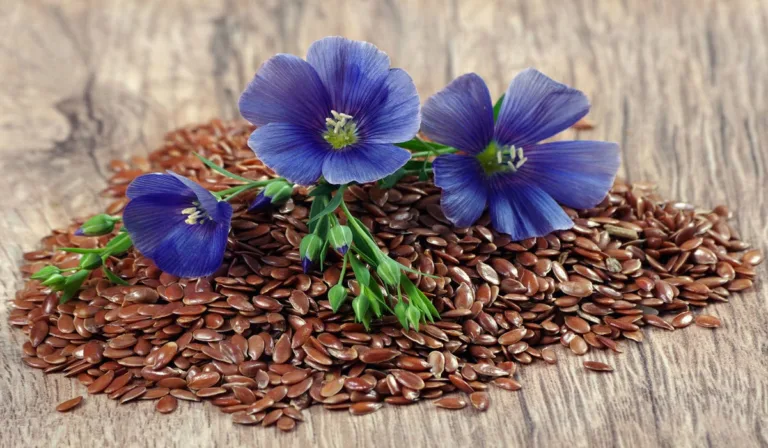
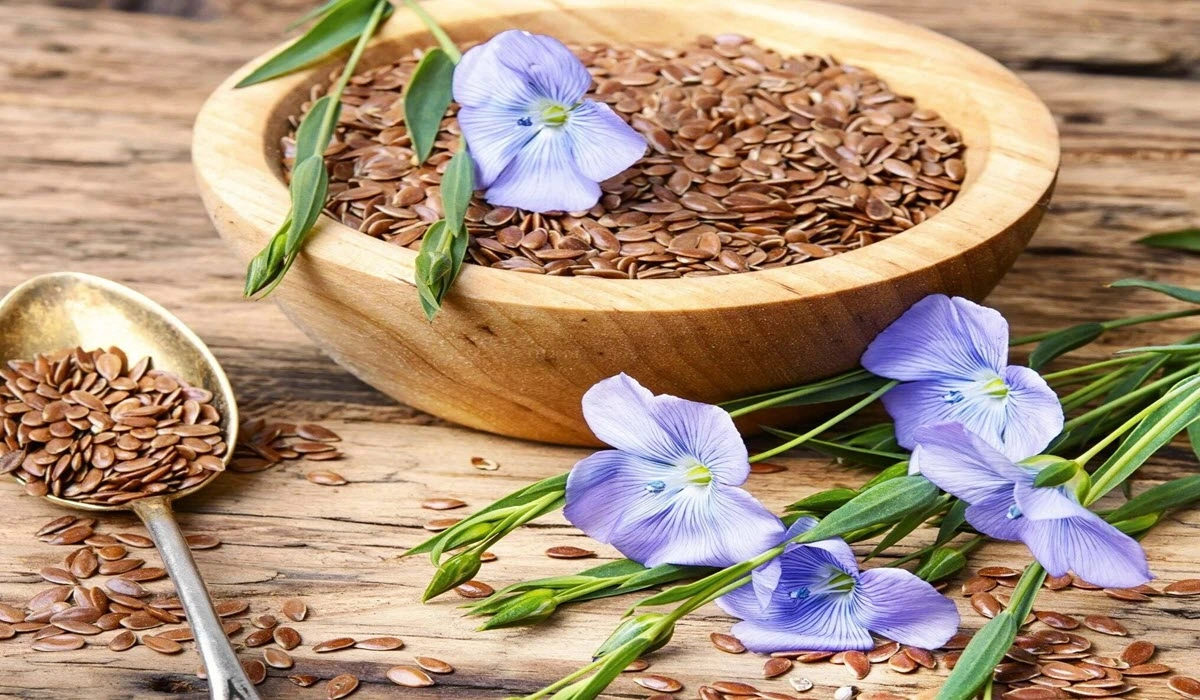
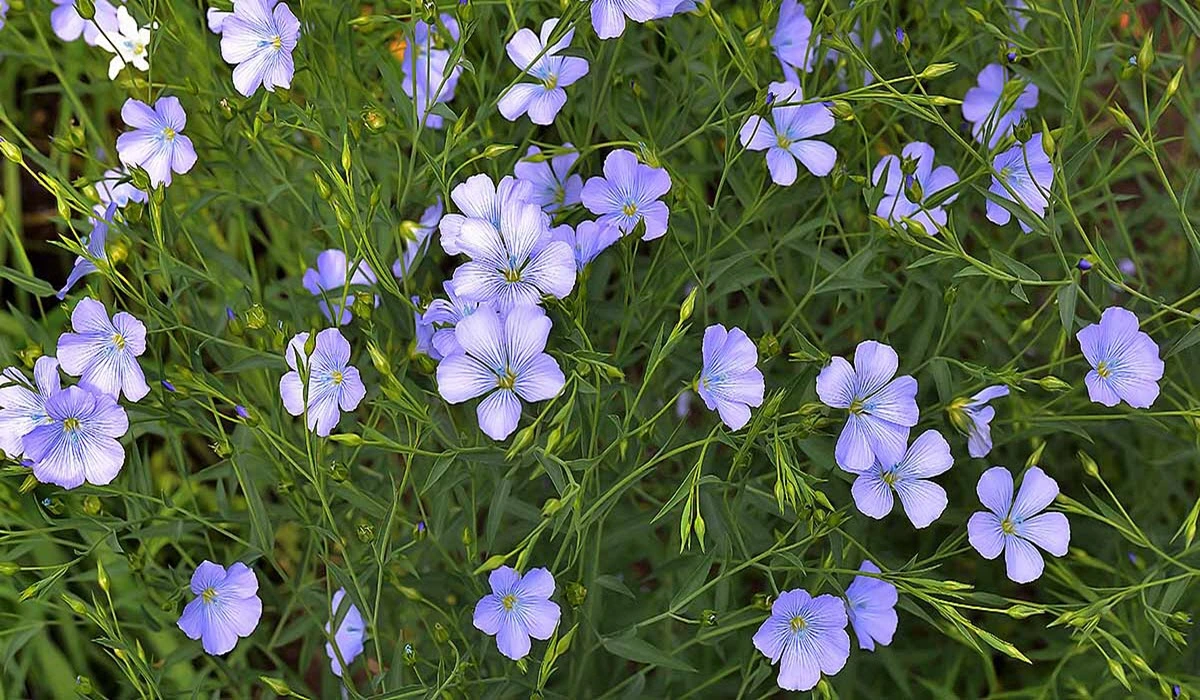
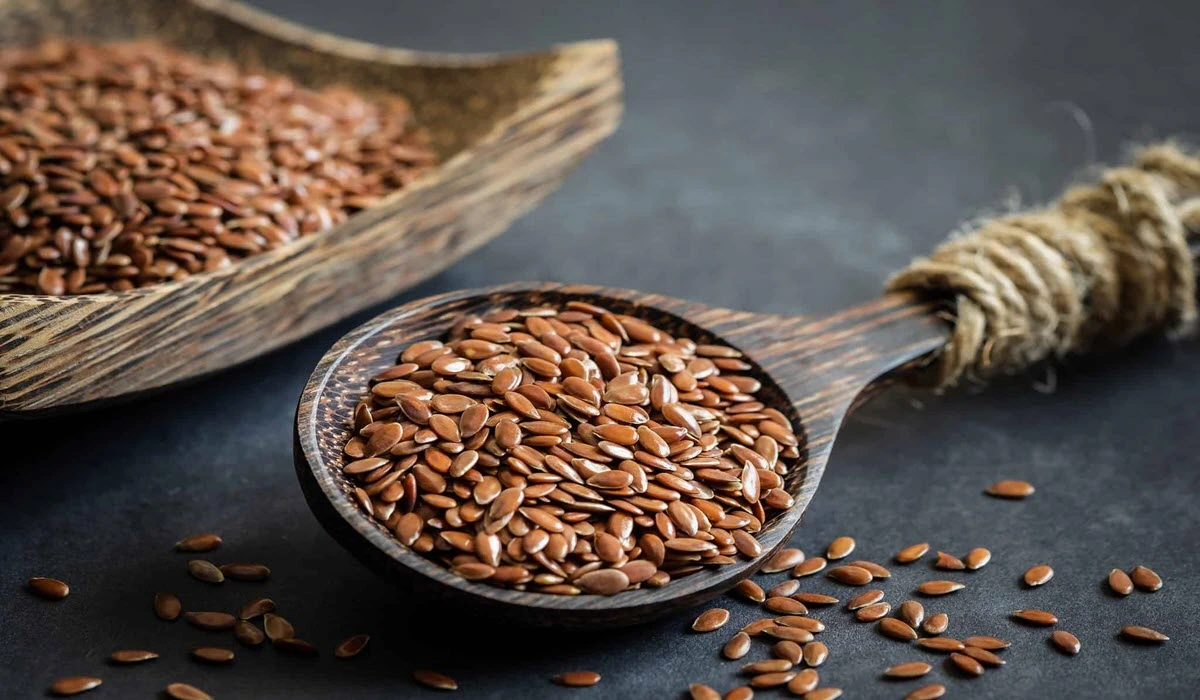
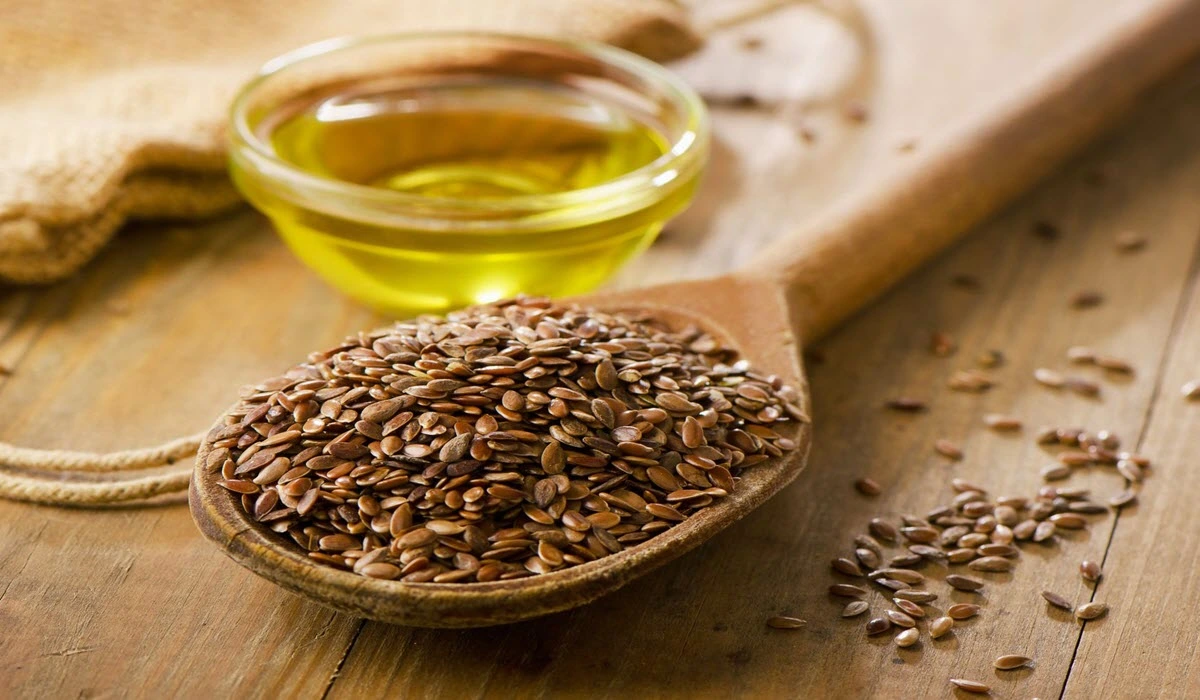
Flax seeds, also known as linseeds, are a nutritious and versatile crop that can be grown in many different environments. These tiny seeds are packed with essential nutrients such as omega-3 fatty acids, fiber, and lignans, making them an excellent addition to any healthy diet. Growing flax seeds can be a rewarding experience, and in this article, we will explore how to grow flax seeds, how flax seeds should be eaten, how flax seeds gel helps to hair growth and flax seeds benefits.
grow flax seeds

Choose the Right Variety of Flax Seed

Flax seeds come in different varieties, and it’s essential to choose the right one based on your location and growing conditions. There are two main types of flax seeds: fiber flax and oilseed flax. Fiber flax is grown for its long and sturdy fibers, while oilseed flax is grown for its oil content. Make sure to choose the right variety based on your desired outcome and growing conditions.

Seeding tray

Mr. Pen- Plastic Growing Trays

TMr. Pen- Plastic Growing Trays, 5 Pack, Black, Plant Tray, Seed Tray, Seedling Tray, Propagation Tray, Plant Trays for Seedlings, Planting Trays, Microgreens Growing Trays, Seedling Starter Trays

 Buy Now

Prepare the Soil to Grow Flax Seeds

Flax seeds require well-drained, fertile soil with a pH of 6.5 to 7.5. It’s important to prepare the soil before planting by removing any weeds and adding organic matter such as compost or well-rotted manure. Flax seeds prefer a loose, sandy loam soil, so make sure to loosen the soil to a depth of at least 6 inches.

Plant the Seeds

grow flax seeds
Flax seeds are usually planted in the spring when the soil temperature reaches around 10°C. Plant the seeds in rows, spacing them about 6 inches apart, and about 1/4 to 1/2 inch deep. Water the seeds immediately after planting to ensure good germination.

Water and Fertilize

Flax seeds require consistent moisture throughout their growing season, especially during the flowering stage. Water the plants regularly, especially during dry spells. Fertilize the plants with a balanced fertilizer, such as 10-10-10, once every three weeks.

Battery Powered Backpack Sprayer

Battery Powered Backpack Sprayer

The Field King pro Max 190515 lithium-ion battery powered 4 gallon backpack sprayer consists of an ergonomic design modeled after the existing Field King 190328 no-leak pump backpack sprayer. With integrated battery storage, this design ensures the equipment is protected from the elements & liquids during filling & spraying.

 Buy Now

Control Pests and Diseases

Flax seeds are susceptible to pests and diseases such as damping-off, rust, and powdery mildew. It’s essential to monitor your plants regularly and take action immediately if you notice any signs of disease or infestation. You can use organic methods such as neem oil or insecticidal soap to control pests and diseases.

Harvest and Store

flax seeds
Flax seeds are ready to harvest when the lower part of the stem turns yellow and the seed heads start to turn brown. Pull the plants out of the ground and allow them to dry in a warm, dry place for a few days. Once the seed heads are dry, thresh the seeds by rubbing them between your hands or using a flail. Store the seeds in an airtight container in a cool, dry place.

Health Benefits of Flax Seeds

flax seeds

High in Fiber

Flax seeds are an excellent source of both soluble and insoluble fiber. Soluble fiber helps to regulate blood sugar levels and lower cholesterol levels, while insoluble fiber promotes regularity and bowel health. Just two tablespoons of flax seeds contain about 4 grams of fiber.

Lowers Cholesterol Levels

Studies have shown that flax seeds can help to lower cholesterol levels, especially in people with high cholesterol levels. The high fiber and omega-3 fatty acid content in flax seeds are responsible for this benefit.

Helps to Reduce Inflammation

Inflammation is a natural response to injury or infection, but chronic inflammation can lead to many health problems, including heart disease, cancer, and diabetes. Flax seeds contain lignans, which are antioxidants that help to reduce inflammation in the body.

May Help to Prevent Cancer

The lignans in flax seeds may also help to prevent certain types of cancer, such as breast cancer, prostate cancer, and colon cancer. Studies have shown that lignans can help to reduce the growth of cancer cells and prevent the formation of new cancer cells.

Helps to Improve Digestion

Flax seeds are rich in both soluble and insoluble fiber, which helps to promote regularity and improve digestive health. The fiber in flax seeds also helps to feed the good bacteria in the gut, which can lead to better overall health.

In conclusion, grow flax seeds at home can be a fun and rewarding experience. By following these tips and tricks, you can ensure a successful harvest of nutritious and delicious flax seeds. Remember to choose the right variety, prepare the soil, plant the seeds, water and fertilize, control pests and diseases, and harvest and store properly. Happy growing!

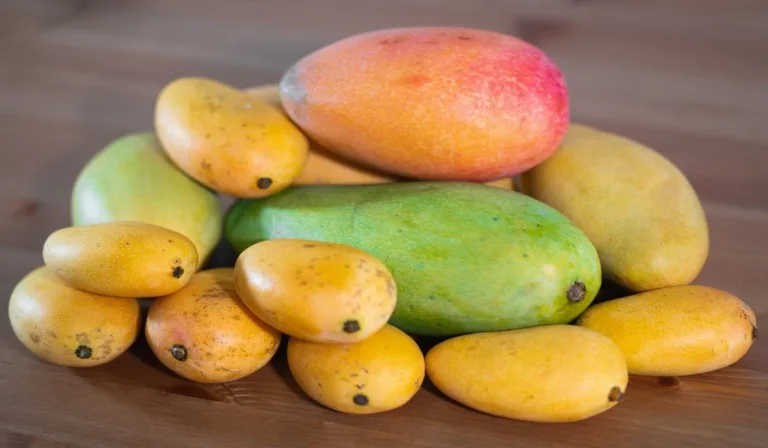
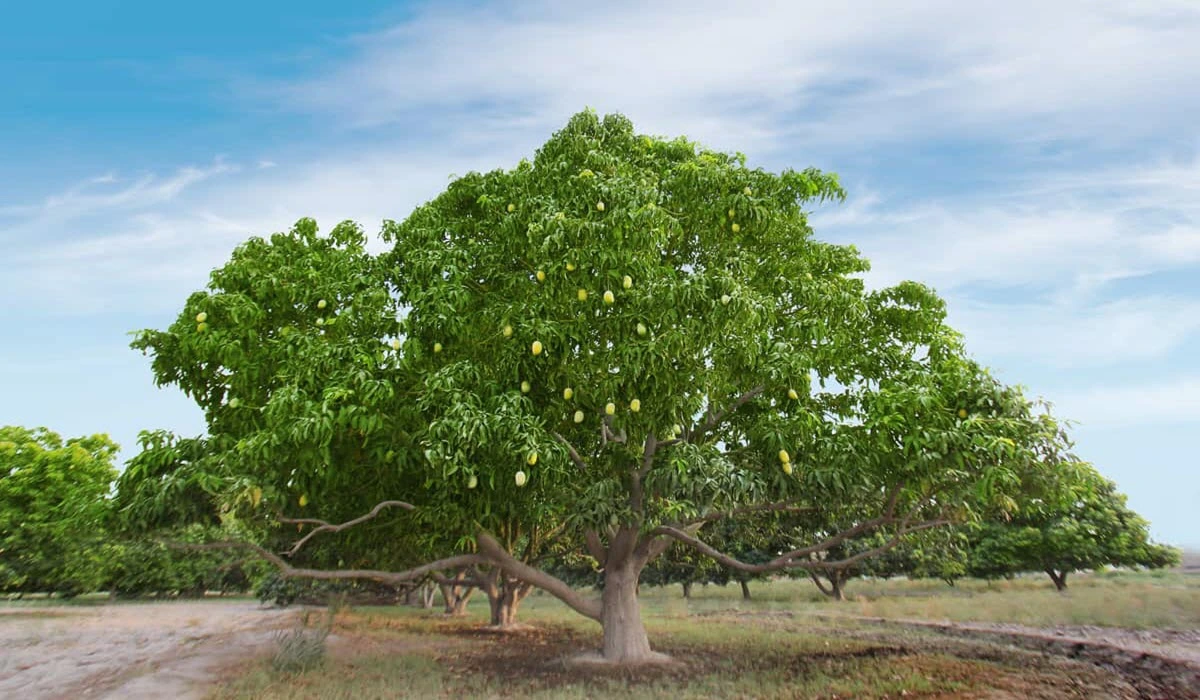
Mangoes are known for their deliciously sweet flavor and refreshing taste. Growing a mango tree can be a rewarding experience, as it provides a bountiful harvest of fruit that can be enjoyed by you and your loved ones. In this blog post, we will explore how to grow mango tree from mango seed, how to grow mango tree from cutting, how to graft mango, how to propagate mango, and the health benefits of mango fruit.
Mango

Choose the Right Variety

The first step to growing a mango tree is to choose the right variety. There are over 400 varieties of mangoes, so it is important to do your research and choose a variety that is well-suited to your climate and soil conditions. Some popular varieties of mangoes include Alphonso, Kent, and Haden.

Find the Right Spot to Grow Mango Tree

Growing mango require a lot of sunlight and warm temperatures to thrive. Choose a spot in your backyard that receives at least six hours of direct sunlight every day. Mango trees also prefer well-draining soil, so avoid areas with standing water or heavy clay soil.

Gardening gloves

Gardening Gloves for Women and Ladies

COOLJOB Gardening Gloves for Women and Ladies, 6 Pairs Breathable Rubber Coated Yard Garden Gloves, Outdoor Protective Work Gloves with Grip, Medium Size Fits Most, Red & Green

 Buy Now

Plant the Tree

Once you have chosen the right variety of mango and found the right spot, it is time to plant the tree. Dig a hole that is twice as wide and deep as the root ball of the tree. Gently place the tree in the hole and backfill it with soil, making sure to tamp the soil down firmly around the base of the tree.

Water and Fertilize

Mango trees require regular watering, especially during the first few years of growth. Water the tree deeply once a week, make sure the soil is moist but not waterlogged. In addition, fertilize the tree every three months during the growing season with a balanced fertilizer that contains nitrogen, phosphorus, and potassium.

Prune and Thin the Tree

Prune
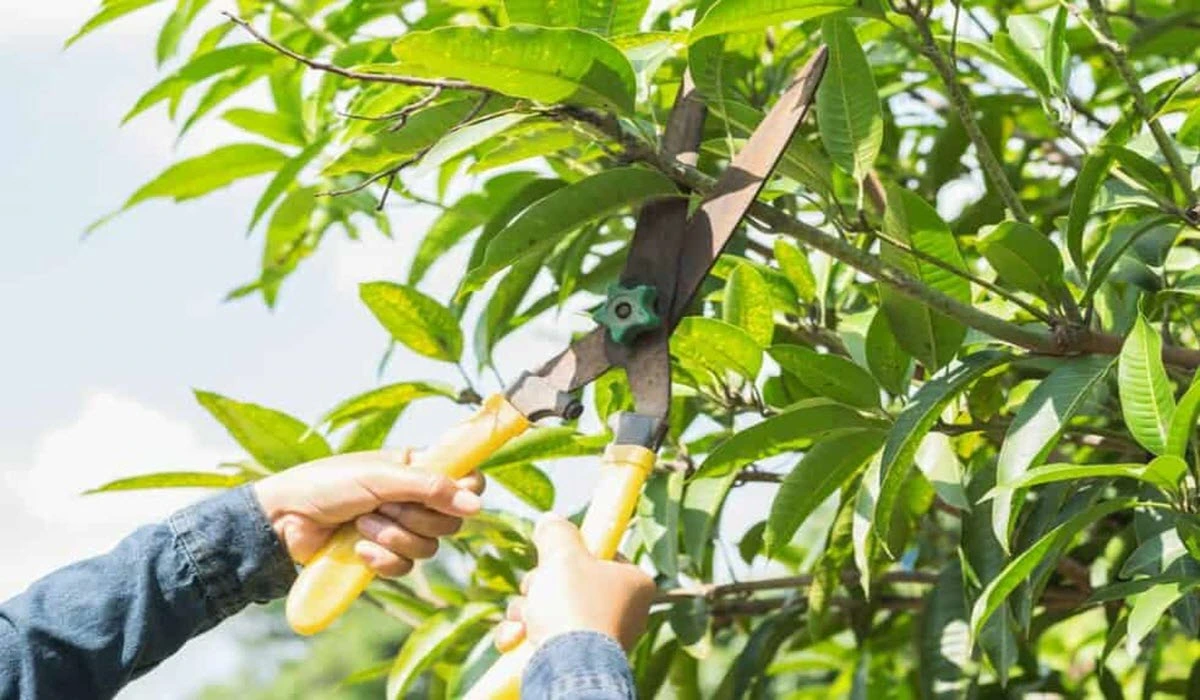
Regular pruning and thinning of the tree are important to ensure that it grows properly and produces a healthy crop of fruit. Prune the tree in the winter to remove dead or diseased branches and thin the fruit in the spring to ensure that the remaining fruit grows to its full size.

Pruner

5 pack Garden Pruning Shears Stainless Steel Blades

5 pack Garden Pruning Shears Stainless Steel Blades, Handheld Scissors Set with Gardening Gloves,Heavy Duty Garden Bypass Pruning Shears,Tree Trimmers Secateurs, Hand Pruner

 Buy Now

Harvest the Fruit

mango tree
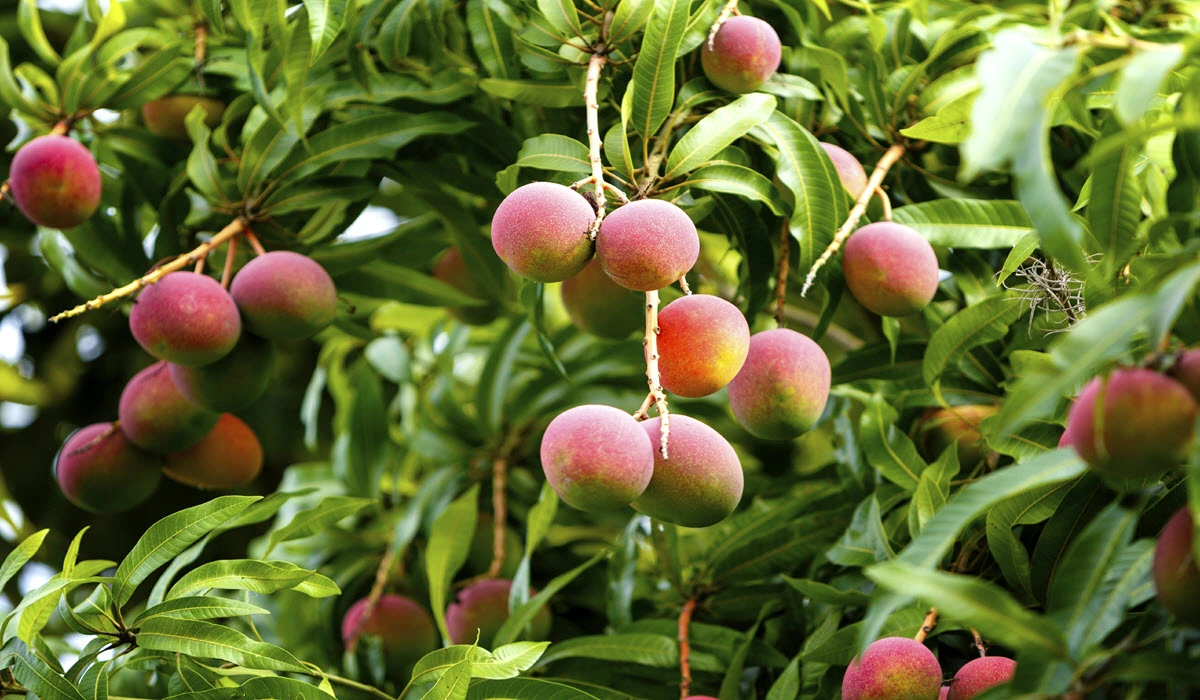
Mangoes typically ripen in the summer month, depending on the variety of mango and your local climate. To determine if a mango is ripe, gently squeeze it – it should give slightly but not be too soft. Use a pair of pruning shears to harvest the fruit.

Health Benefits of Mango

grow mango tree
Rich in Nutrients: Mangoes are loaded with vitamins and minerals, including vitamin C, vitamin A, folate, and potassium. They also contain antioxidants that can help protect your cells from damage.

Promotes Digestive Health: Mangoes are rich in fiber, which helps to promote digestive health by keeping your digestive system moving smoothly.

Boosts Immunity: Mangoes are rich in vitamin C, which helps to boost the immune system by stimulating the production of white blood cells. They also contain vitamin A, which helps to protect the body from infections.

Lowers Cholesterol: Mangoes are rich in fiber, which helps to control cholesterol levels by binding to cholesterol in the intestines and removing it from the body.

May Help to Prevent Cancer: Mangoes contain antioxidants and phytochemicals that have been shown to have anti-cancer properties. In particular, mangoes contain compounds that may help to prevent breast, colon, and prostate cancers.

Supports Eye Health: Mangoes contain beta-carotene, which is exchanged into vitamin A in the body. Vitamin A is important for maintaining healthy eyes and preventing age-related macular degeneration.

May Help to Regulate Blood Sugar: Mangoes have a low glycemic index, which means that they do not cause a rapid increase in blood sugar levels. They also contain compounds that may help to regulate blood sugar levels.

Growing a mango tree can be a fun and rewarding experience. With the correct variety, location, and care, you can enjoy a bountiful harvest of sweet and delicious mangoes in your own backyard.

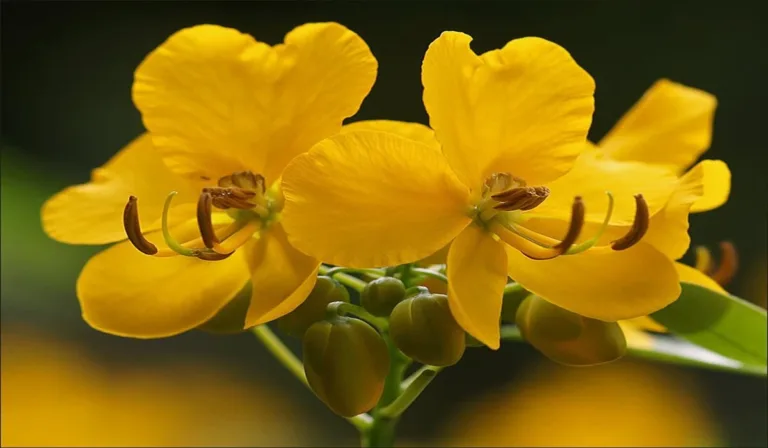
Golden Shower Flower Tree, also known as the Cassia fistula, is a beautiful and popular ornamental plant that belongs to the Caesalpiniaceae family. It is native to Southeast Asia and is widely cultivated for its attractive yellow flowers and shade-giving capabilities. Growing and maintaining golden shower flower tree is easy, and in this article, we’ll provide you with a comprehensive guide on how to grow golden shower tree amlatas golden shower flower tree, grow golden shower flower tree from seed, grow golden shower flower tree care tips and golden shower flower tree medicinal uses.
grow golden shower flower tree

Climate and Soil Requirements

Golden shower flower tree is a useful tropical plant that thrives in warm temperatures and can withstand high humidity levels. It requires a minimum temperature of 10-15°C (50-59°F) and can grow in most soil types, but it prefers well-drained soil. The soil pH should be neutral to slightly acidic, ideally between 6.0 to 7.5.

Planting

seed
The best time to plant golden shower flower tree is during the monsoon season when there is plenty of rainfall. Before planting, prepare the soil by removing weeds and debris and mixing organic matter such as compost or aged manure. Plant the sapling at a depth of about 1-2 inches and space them about 10-15 feet apart. Water thoroughly after planting and mulch to retain moisture.

Watering

Golden shower flower tree requires regular watering, especially during the first few months of planting. However, avoid overwatering as it can lead to root rot. Water the plant when the topsoil is dry to the touch, and make sure the water penetrates deep into the soil.

Fertilizer

Fertilize the golden shower flower tree during the growing season with a balanced fertilizer, ideally with an NPK ratio of 10-10-10. Apply the fertilizer every 2-3 months, and avoid over-fertilizing as it can damage the plant.

Pruning

Prune the plant in early spring to remove any dead or damaged branches. Golden shower flower tree responds well to pruning, and regular pruning helps to promote new growth and maintain its shape.

Pruner

5 pack Garden Pruning Shears Stainless Steel Blades

5 pack Garden Pruning Shears Stainless Steel Blades, Handheld Scissors Set with Gardening Gloves,Heavy Duty Garden Bypass Pruning Shears,Tree Trimmers Secateurs, Hand Pruner

 Buy Now

Pest and Disease Control

Golden shower flower tree is generally pest and disease resistant, but it can be affected by spider mites, scale insects, and leaf spots. Monitor the plant regularly for any signs of infestation or disease, and treat immediately using insecticides or fungicides. Avoid using harsh chemicals, and opt for natural remedies such as neem oil or soap and water solutions.

Health Benefits of Golden Shower Flower Tree

Anti-Inflammatory Properties:Golden shower flower tree has potent anti-inflammatory properties that can help reduce inflammation in the body. It is often used in traditional medicine to treat conditions such as arthritis and gout.

Antimicrobial Properties:Golden shower flower tree contains compounds with antimicrobial properties that can help fight against bacteria, viruses, and fungi. It is often used in traditional medicine to treat various infections.

Antioxidant Properties:Golden shower flower tree leaves is rich in antioxidants, which can help protect the body against free radical damage. Free radicals are unstable molecules that can cause oxidative stress, which has been linked to various chronic diseases.

grow bags

12-Pack Grow Bags 5 Gallon, Thick Fabric Planter Bags for Vegetables

GreatBuddy 12-Pack Grow Bags 5 Gallon, Thick Fabric Planter Bags for Vegetables, Sturdy Handles & Reinforced Stitching, Labels Included, Black

 Buy Now

Immune-Boosting Properties:Golden shower flower tree is known to have immune-boosting properties, which can help strengthen the immune system and protect against infections.

Analgesic Properties:Golden shower flower tree contains compounds that have analgesic properties, making it effective in reducing pain and discomfort.

Wound Healing Properties:Golden shower flower tree has been shown to have wound healing properties, making it effective in promoting the healing of wounds and injuries.

In conclusion, Golden shower flower tree is a beautiful and low-maintenance plant that adds beauty to any garden. By following these simple tips, you can grow and maintain a healthy and vibrant Golden Shower tree. Happy gardening!

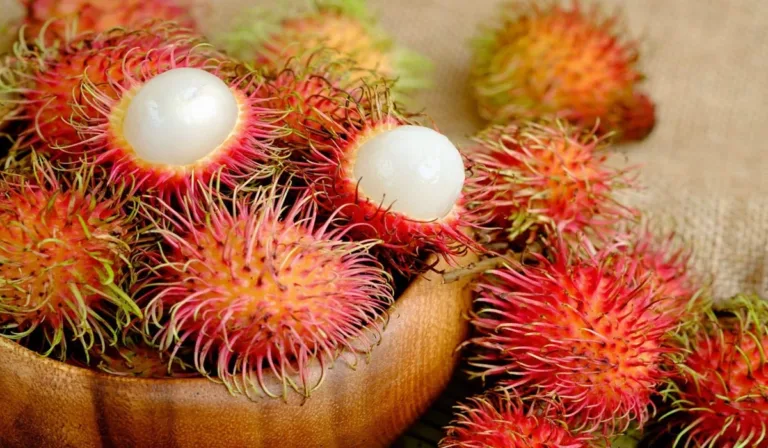
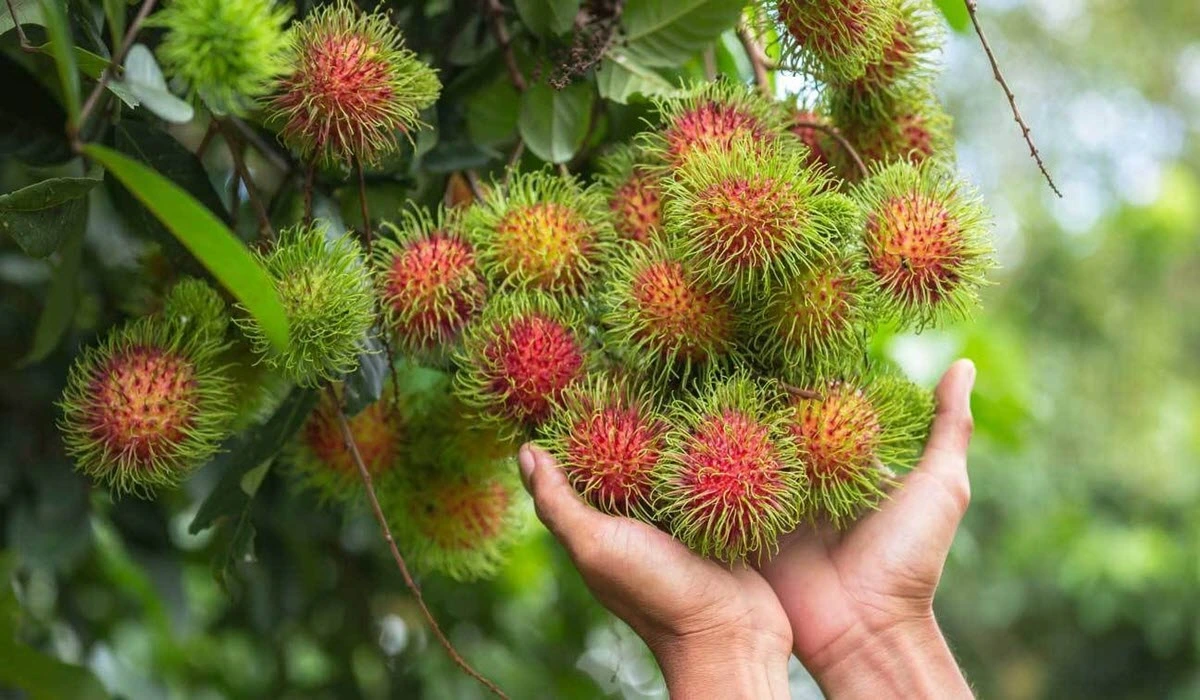
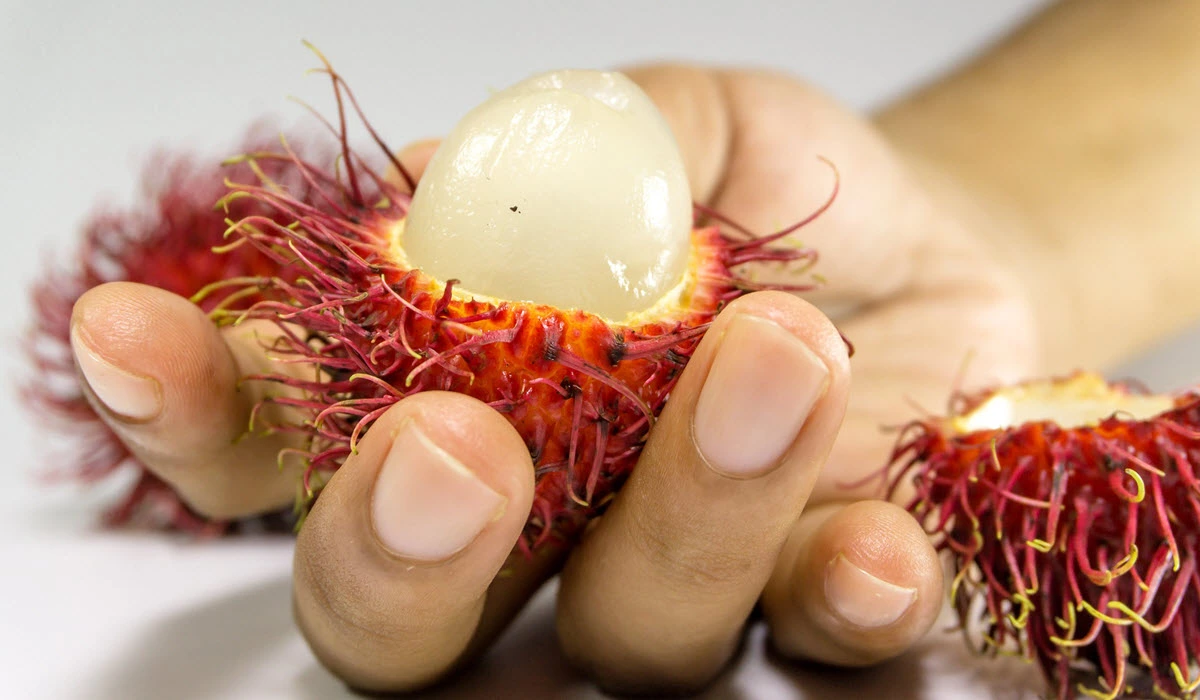
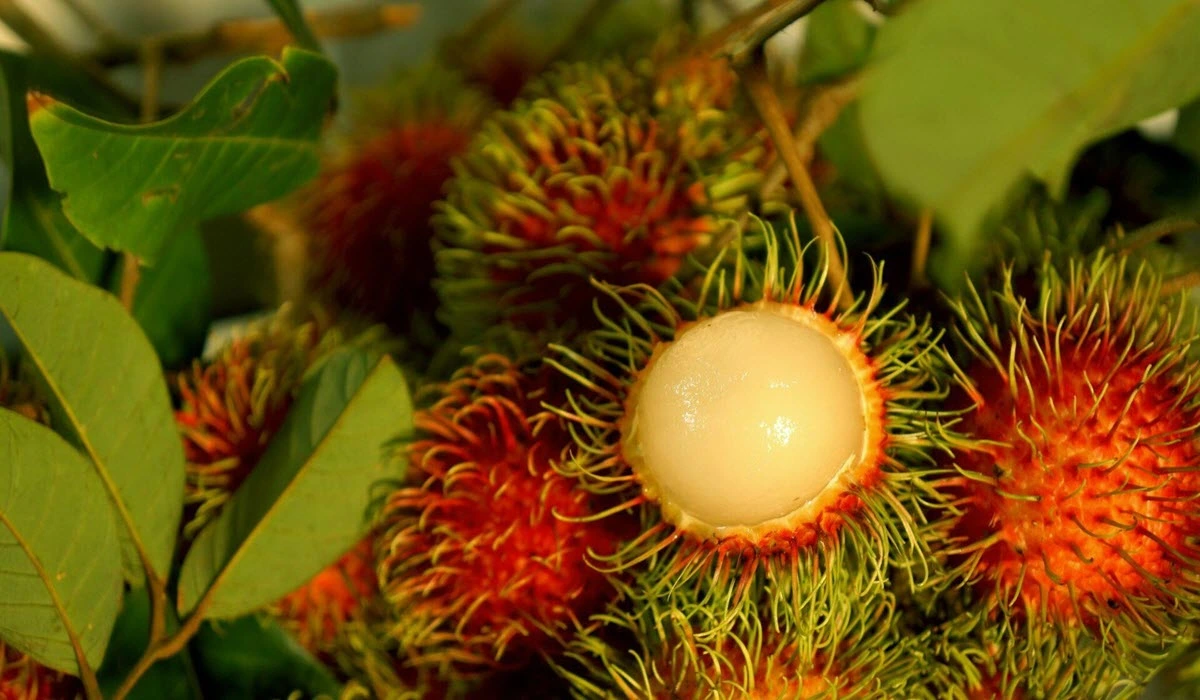
Rambutan fruit, also known as Nephelium lappaceum, is a tropical fruit native to Southeast Asia. This exotic fruit is popular for its sweet and juicy flesh, which is surrounded by a spiky red or yellow skin. Rambutan trees are relatively easy to grow and with proper care, you can enjoy a bountiful harvest of this delicious fruit. In this article, we’ll take a look at how to grow rambutan fruit from seed, how big does a rambutan tree grow, best season for planting rambutan, rambutan cultivation, how to eat a rambutan fruit and explore its health benefits.
grow rambutan fruit

Growing Rambutan Fruit

Rambutan trees thrive in tropical climates and are well-suited for growing in warm and humid areas. If you live in a cooler climate, you may need to grow your rambutan tree in a greenhouse to ensure that it receives the warmth and humidity it needs to thrive.

gardening kit icon

CHRYZTAL Stainless Steel Heavy Duty Gardening Tool Set

Garden Tool Set, Stainless Steel Heavy Duty Gardening Tool Set, with Non-Slip Rubber Grip, Storage Tote Bag, Outdoor Hand Tools, Ideal Garden Tool Kit Gifts for Women and Men

 Buy Now

Here are Some Steps to Follow When Growing Rambutan Fruit:

rambutan benefits
Choose a Sunny Location:Rambutan trees need plenty of sunlight to grow and produce fruit. Choose a location in your yard that receives full sun for at least six hours a day.

Plant Your Tree:Rambutan trees prefer well-draining soil, so make sure your planting location has good drainage. Dig a hole that is twice as wide and deep as the root ball of your tree, and place the tree in the hole. Cover the roots with soil, and water well.

Water Regularly:Rambutan trees need regular watering to thrive. Water deeply once a week, or more often during hot and dry weather.

Fertilize Your Tree:Rambutan trees benefit from regular fertilization. Use a balanced fertilizer with a ratio of 10-10-10, and apply it every three months during the growing season.

Pruner

5 pack Garden Pruning Shears Stainless Steel Blades

5 pack Garden Pruning Shears Stainless Steel Blades, Handheld Scissors Set with Gardening Gloves,Heavy Duty Garden Bypass Pruning Shears,Tree Trimmers Secateurs, Hand Pruner

 Buy Now

Prune Your Tree:Pruning your rambutan tree helps to increase healthy growth of plants. Remove damaged branches, and trim back any branches that are growing too close together.

Harvest Your Fruit:Rambutan fruit is ready to harvest when the skin turns bright red or yellow. Simply twist the fruit off the tree, or use a pair of scissors to cut it off.

Health Benefits of Rambutan Fruit

rambutan
Rambutan fruit is not only delicious but also packed with nutrients that can benefit your health. Here are some of the health benefits of rambutan fruit:

Rich In Antioxidants:Rambutan fruit is high in antioxidants, which can help to protect your cells from damage caused by free radicals.

Boosts Immunity:Rambutan fruit is a good source of vitamin C, which can help to boost your immune system and fight off infections.

Supports Digestion:Rambutan fruit contains fiber, which can help to support healthy digestion and prevent constipation.

Lowers Cholesterol:Rambutan fruit contains compounds that can help to lower cholesterol levels and reduce the risk of heart disease.

In conclusion, growing rambutan fruit is a rewarding and relatively easy process. By following the steps outlined above, you can enjoy a bountiful harvest of this delicious and nutritious fruit. And with its numerous health benefits, rambutan fruit is a great addition to any healthy diet.

Growing an orange fruit plant from seed can be a fun and rewarding experience. Not only does it allow you to enjoy fresh, home-grown oranges, but it can also help you develop a deeper understanding and appreciation for the natural world. In this blog article, we will explore how to grow orange fruit tree from seed, how long does it take to grow oranges, what month is best to grow oranges, how many oranges can one tree produce, the lifespan of orange tree and the health benefits of orange.
grow orange fruit

Gather Materials for Grow Orange Plant

The first step to growing an orange fruit plant is to gather all the necessary materials. You will need:

  • An Orange
  • Soil Mix
  • A Container with Drainage Holes
  • A Plastic Bag
  • Water
  • Extract the Seed to Grow Orange Fruit

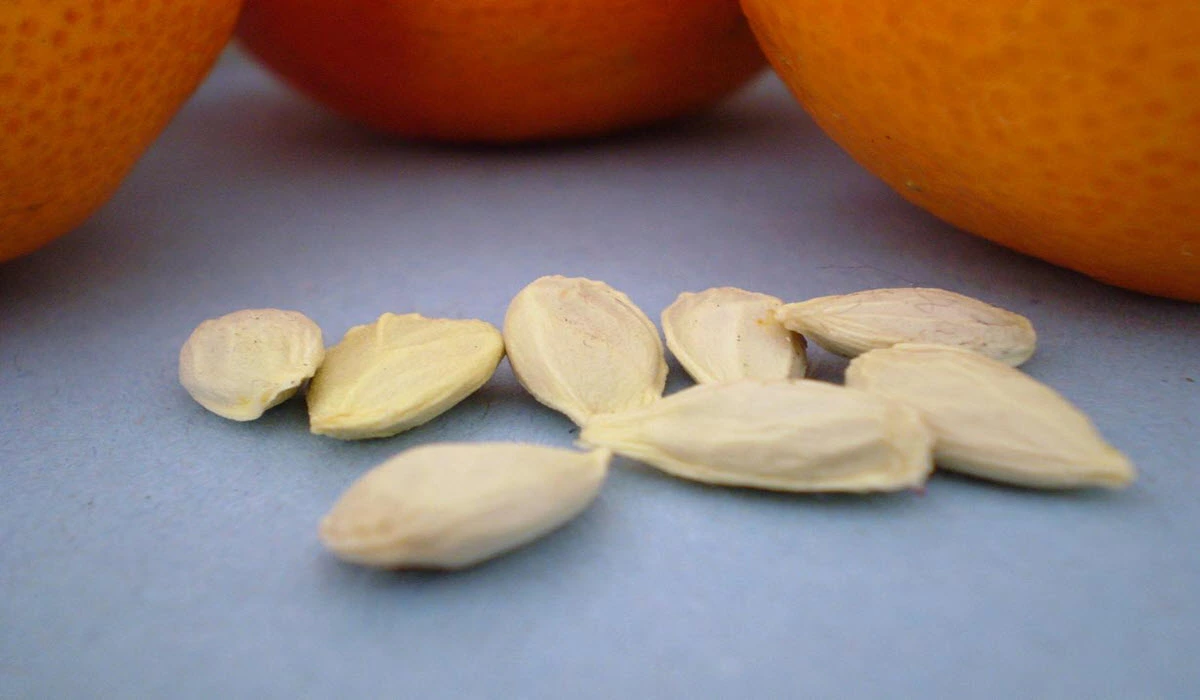
    After you have gathered your materials, it’s time to extract the seed from the orange. Cut open the orange and remove the seeds. Rinse the seeds with water and let them dry for a few days.

    Prepare the Soil

    While the seeds are drying, you can prepare the soil mix. Choose a well-draining soil mix that is rich in nutrients. You can also mix in some perlite or vermiculite to improve drainage. Fill the container with the soil mix, leaving about an inch of space at the top.

    nursery tray

    MIXC Seedling Trays Seed Starter Tray

    MIXC Seedling Trays Seed Starter Tray, 5-Pack Mini Propagator Plant Grow Kit Greenhouse with Humidity Vented Domes and Base for Seeds’ Starting (40 Cells Per Tray, Total 200 Cells), Black

     Buy Now

    Plant the Seed

    Once the seeds are dry, it’s time to plant them. Make a small hole in the soil mix with your finger, about half an inch deep. Place the seed in the hole and cover it with soil. Water the soil lightly.
    Orange seeds

    Cover the Container

    To create a humid environment for the seed to germinate, cover the container with a plastic bag. Make sure the bag doesn’t touch the soil. Place the container in a warm, sunny spot.

    Water and Monitor

    Check on the seed regularly to ensure that the soil remains moist but not waterlogged. Remove the plastic bag once the seedling has emerged from the soil. Water the seedling regularly and ensure that it gets enough sunlight.

    Battery Powered Backpack Sprayer

    Battery Powered Backpack Sprayer

    The Field King pro Max 190515 lithium-ion battery powered 4 gallon backpack sprayer consists of an ergonomic design modeled after the existing Field King 190328 no-leak pump backpack sprayer. With integrated battery storage, this design ensures the equipment is protected from the elements & liquids during filling & spraying.

     Buy Now

    Transplant the Seedling

    Once the seedling has grown to about 6 inches tall, it’s time to transplant it into a larger container or outdoors. Choose a spot that gets plenty of sunlight and has well-draining soil. Dig a hole that is twice the size of the root ball and place the seedling in the hole. Backfill with soil and water well.

    Care for Your Orange Fruit Plant

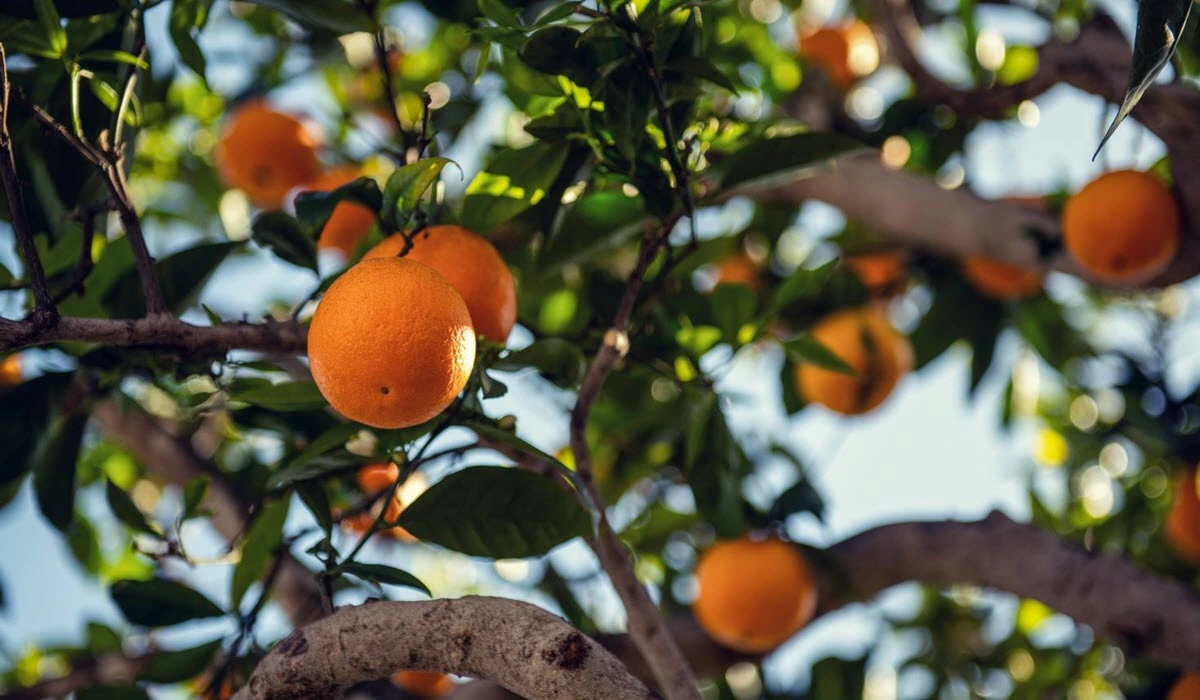
    As your orange fruit plant grows, it will require regular care. Water it regularly and fertilize it with a balanced fertilizer every few weeks. Prune any dead or damaged branches to promote healthy growth. Orange tree flowers grow from February to March month. One orange tree can produce 200-350 fruits and the lifespan of an orange tree is 50-60 years.

    Health Benefits of Orange Fruit

    orange plant
    Rich in Vitamin C: Oranges are an excellent source of vitamin C, an antioxidant that boosts the immune system and promotes healthy skin, gums, and teeth.

    Regulates Blood Pressure: Oranges are a good source of potassium, which helps regulate blood pressure and reduce the risk of hypertension.

    Reduces Inflammation: Oranges contain flavonoids, which have anti-inflammatory properties. This can help reduce inflammation in the body and lower the risk of chronic diseases such as cancer, diabetes, and heart disease.

    Promotes Digestion: Oranges are rich in dietary fiber, which promotes healthy digestion and prevents constipation.

    Improves Skin Health: Oranges contain antioxidants that protect the skin from damage caused by free radicals. This can help reduce the signs of aging and promote healthy, glowing skin.

    Boosts Brain Function: Oranges are a good source of folate, a B vitamin that is important for brain function and can help improve memory and cognitive function.

    Supports Weight Loss: Oranges are low in calories and high in fiber, making them a great addition to a healthy weight loss diet.

    In conclusion, grow orange fruit plant from a seed is a fun and rewarding experience that requires patience and care. By following these care tips, you can enjoy fresh, home-grown oranges in no time!

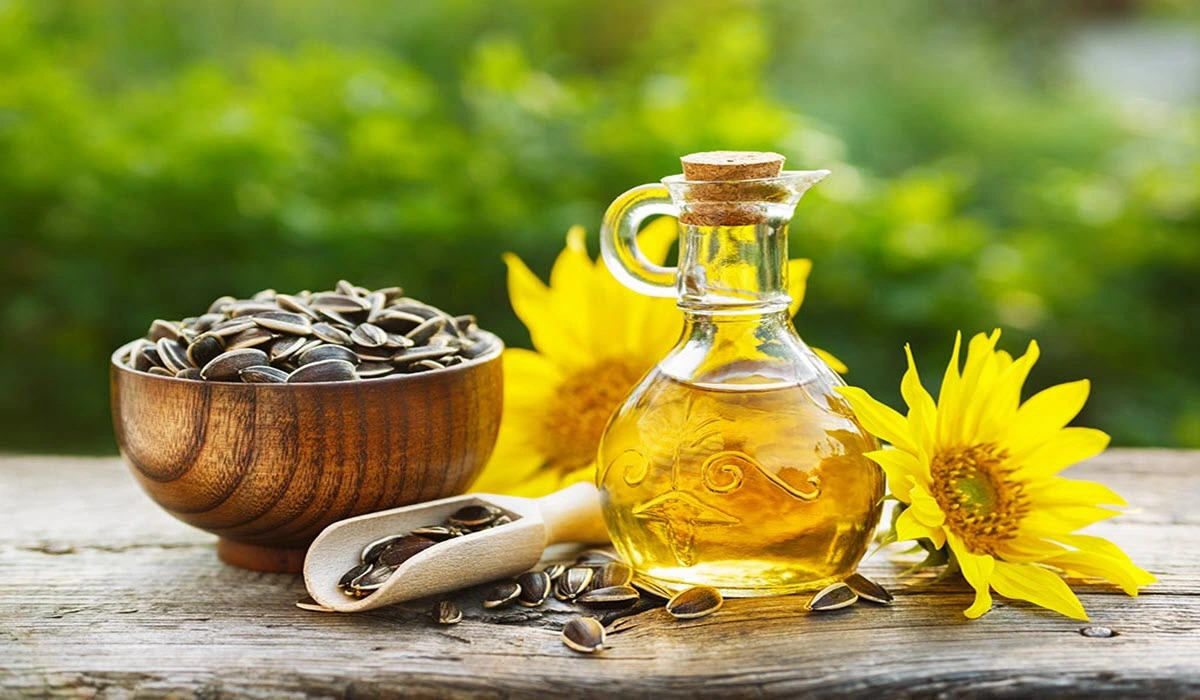
    Sunflowers are a beautiful and easy-to-grow plant that can add a touch of sunshine to any garden. They come in a range of sizes and colors, from small dwarf varieties to towering giants with yellow or red petals. In this article, we will explore how to grow sunflower plant at home, how to grow sunflowers from seed, how long does it take for sunflowers to grow, how long does it take for sunflowers to grow, how to grow sunflower plant in pots and health benefits of sunflower.
    homegarden
    Choose a Sunny Spot: Sunflowers thrive in full sun, so choose a spot in your garden that gets at least six hours of direct sunlight per day.

    Prepare the Soil to Grow Sunflower plant: Sunflowers prefer drained garden soil Add natural compost or other organic material to the soil before planting to improve fertility and drainage.

    Plant the Seeds: Plant sunflower seeds directly in the garden after the last frost date in your area. Space the seeds about 6 inches apart and plant them about 1 inch deep.
    sunflowers
    Water Regularly: Sunflowers need consistent moisture to grow, so water them regularly, especially during dry spells. Be careful not to overwater, as this can cause the roots to rot.

    Provide Support: Sunflowers can grow tall and may need support to prevent them from falling over in the wind. You can use stakes or cages to provide support, or plant them near a fence or wall for natural support.

    grow bags

    12-Pack Grow Bags 5 Gallon, Thick Fabric Planter Bags for Vegetables

    GreatBuddy 12-Pack Grow Bags 5 Gallon, Thick Fabric Planter Bags for Vegetables, Sturdy Handles & Reinforced Stitching, Labels Included, Black

     Buy Now


    Protect from Pests: Sunflowers are relatively pest-resistant, but watch out for slugs, snails, and aphids. You can use neem oil for spraying, it will act as a pest controller.

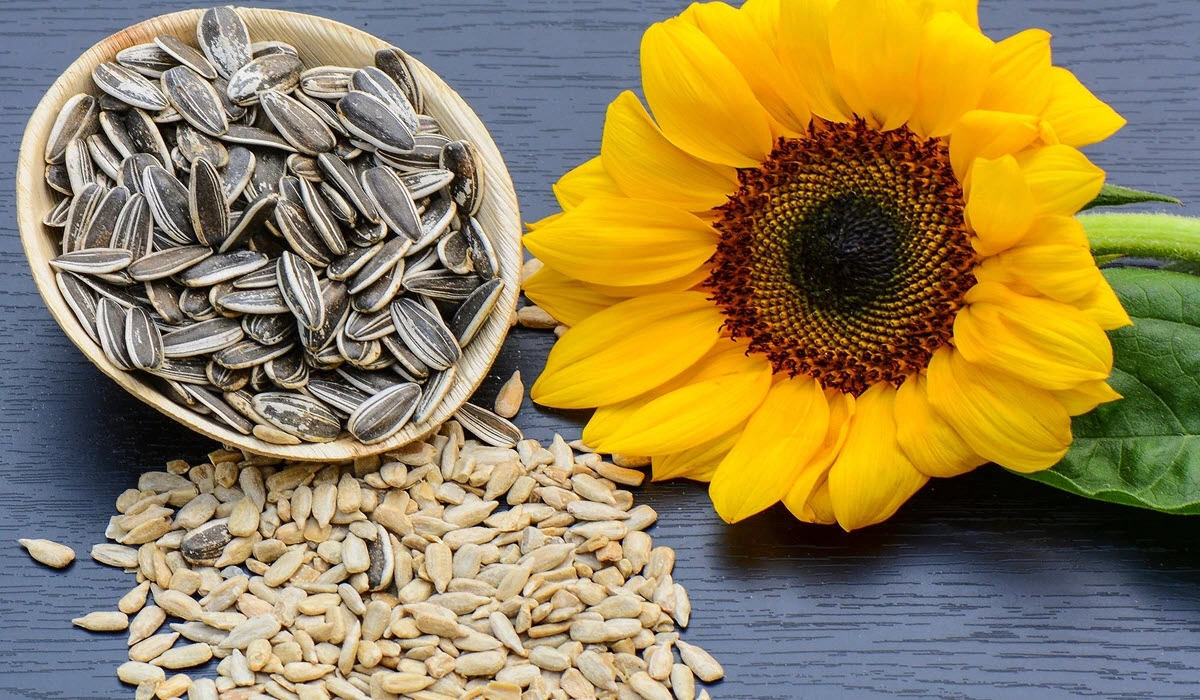
    Harvest the Seeds: Sunflowers will produce seeds in the late summer or fall. You can harvest the seeds by cutting off the flower head when the petals have wilted and the seeds have developed. Hang the flower head upside down in a dry, well-ventilated place to dry, then remove the seeds and store them in an airtight container.

    Health Benefits of Sunflower

    health-benefits-of-sunflower
    Rich in nutrients: Sunflower seeds are a great source of vitamins and minerals, including vitamin E, magnesium, selenium, and copper. They are also high in protein and fiber.

    Boosts Heart Health: Sunflower seeds are rich in good fats, which are healthy fats for the heart, that can help to reduce levels of cholesterol and lower the risk of heart related disease.

    Anti-Inflammatory Properties: Sunflower seeds contain compounds such as tocopherols and phenolic acids, which have anti-inflammatory properties. These properties make them beneficial for reducing inflammation in the body and treating inflammatory conditions such as arthritis.

    Promotes Healthy Digestion: Sunflower seeds are high in fiber, which helps to promote healthy digestion and prevent constipation.

    Gardening gloves

    Gardening Gloves for Women and Ladies

    COOLJOB Gardening Gloves for Women and Ladies, 6 Pairs Breathable Rubber Coated Yard Garden Gloves, Outdoor Protective Work Gloves with Grip, Medium Size Fits Most, Red & Green

     Buy Now


    Supports Healthy Skin: Sunflower keeps skin very healthy. Vitamin E helps to protect the skin from damage from UV rays.

    May Reduce the Risk of Cancer: Sunflower seeds contain a compound called selenium, which has been shown to have anticancer properties. Selenium helps to protect cells from damage and prevent the formation of tumors.

    May Improve Mood: Sunflower seeds are rich in tryptophan, an amino acid that helps to produce serotonin in the brain. Serotonin is a neurotransmitter that regulates mood and can help to improve feelings of happiness and well-being.

    In conclusion, growing sunflowers is a great way to add a splash of color to your garden and provide food for birds and other wildlife. With a little bit of effort, you can cultivate these beautiful and low-maintenance plants and enjoy their benefits all season long.

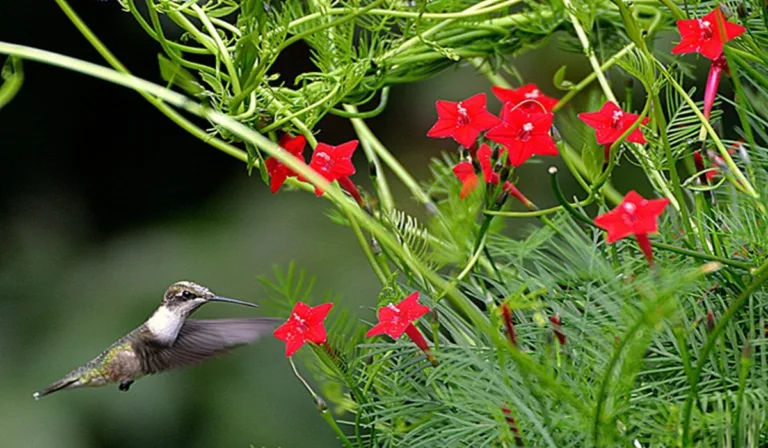
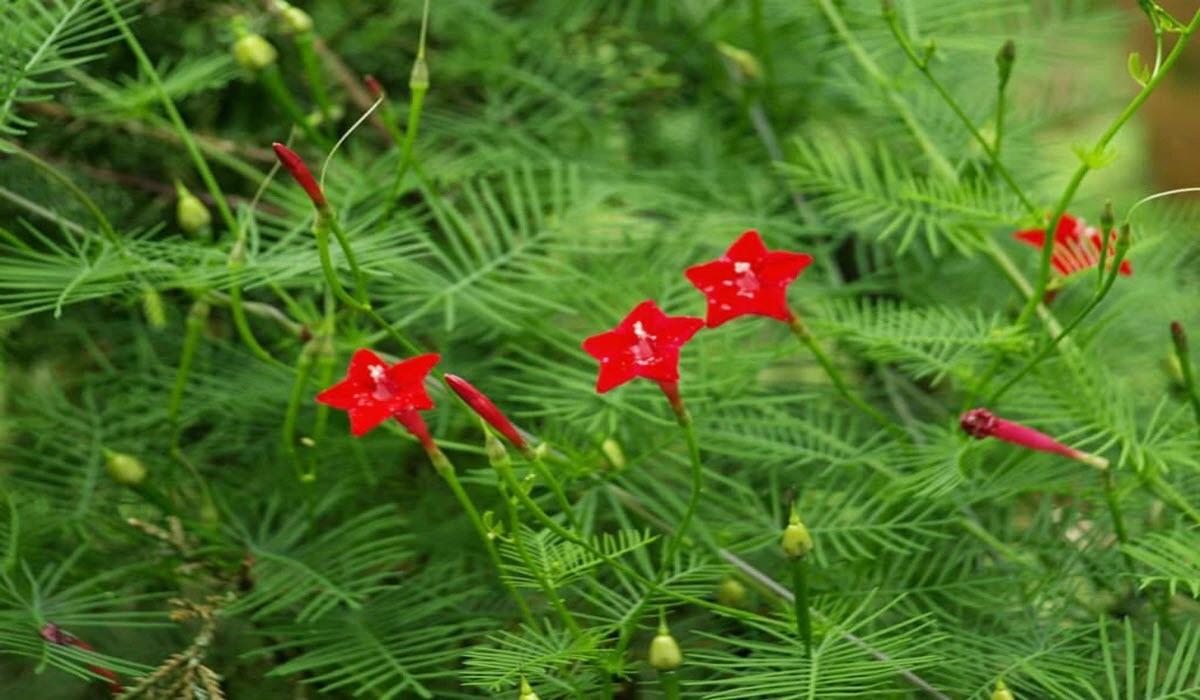
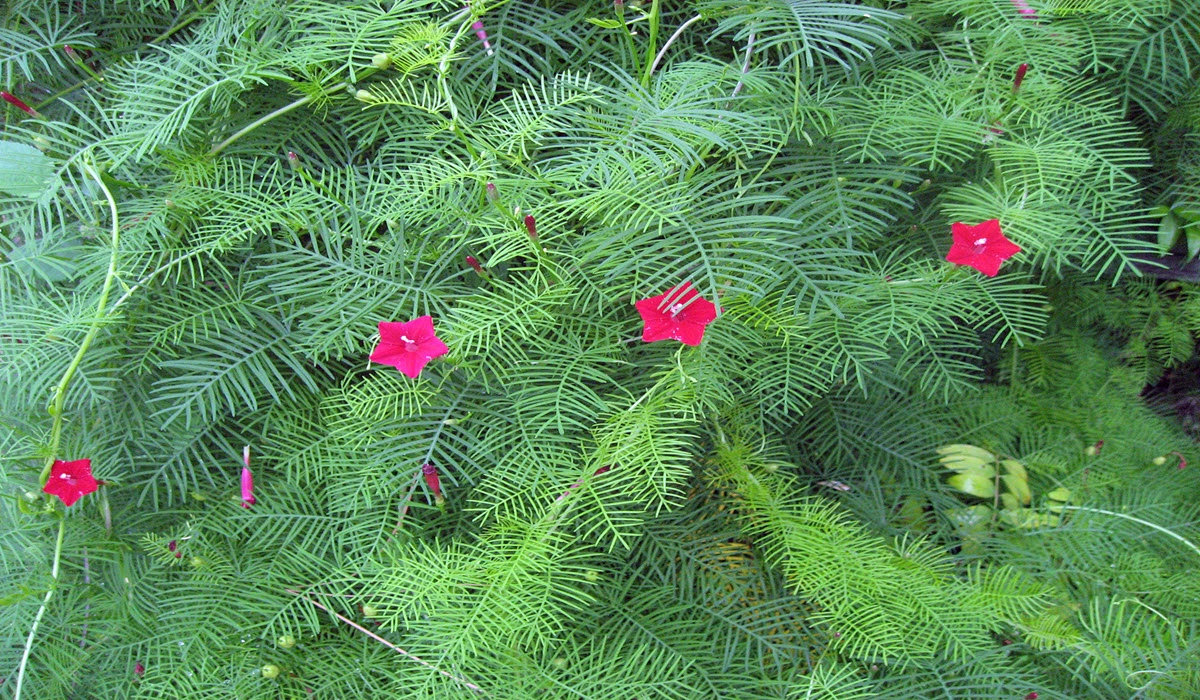
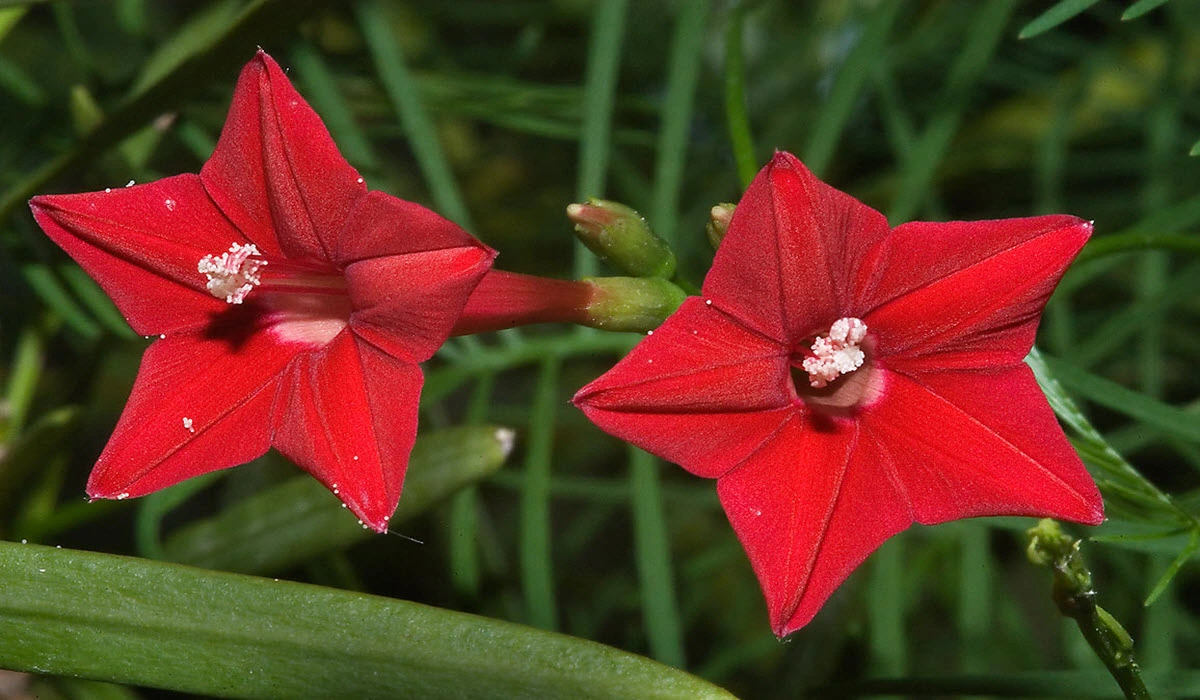
    Cypress vine, also known as hummingbird Cypress vine, is a beautiful and easy-to-grow plant that produces striking red, white, or pink flowers. This plant is native to Mexico and Central America, but it is now widely cultivated in other parts of the world. In this article, we will explore how to grow cypress vine from seed, how to grow cypress vine from cutting, how to grow and care for a cypress vine, cypress vine lifespan, and the benefits of cypress vine.
    cypress vine
    Soil Preparation: Cypress vine grows best in well-drained soil with a pH of 6.0 to 7.5. Before planting, loosen the soil to a depth of about 30 cm and add compost to improve soil fertility.

    Planting: Plant the seeds directly in the soil in the spring, once the danger of frost has passed. The seeds are small and should be sown at a depth of about 1 cm, and spaced about 15 cm apart. Water the seeds regularly, keeping the soil moist but not waterlogged.
    cypress flower
    Fertilization: Cypress vine is not a heavy feeder and does not require frequent fertilization. You can apply a balanced fertilizer once or twice during the growing season.

    Trellising: Cypress vine is a climbing plant that needs support to grow upright. You can use a trellis, fence, or other support to train the vines to climb.

    Pruning: Cypress vine grows quickly and can become invasive if not properly managed. Prune the plant regularly to control its growth and prevent it from spreading.

    Pruner

    5 pack Garden Pruning Shears Stainless Steel Blades

    5 pack Garden Pruning Shears Stainless Steel Blades, Handheld Scissors Set with Gardening Gloves,Heavy Duty Garden Bypass Pruning Shears,Tree Trimmers Secateurs, Hand Pruner

     Buy Now


    Pest Control: Cypress vine is relatively pest-resistant, but it may be attacked by aphids or spider mites. Treat any infestations promptly with an appropriate pesticide.

    Harvesting: Cypress vine produces beautiful flowers throughout the growing season, which can be cut and used as a decoration or in a floral arrangement.

    Health Benefits of Cypress Vine

    cypress vine plant
    Attracts Pollinators: Cypress vine produces nectar-rich flowers that are attractive to pollinators such as hummingbirds, butterflies, and bees. It helps to promote biodiversity and maintain a healthy ecosystem.

    Lowers Inflammation: Cypress vine contains compounds that have anti-inflammatory properties and may help to reduce inflammation throughout the body.

    Gardening gloves

    Gardening Gloves for Women and Ladies

    COOLJOB Gardening Gloves for Women and Ladies, 6 Pairs Breathable Rubber Coated Yard Garden Gloves, Outdoor Protective Work Gloves with Grip, Medium Size Fits Most, Red & Green

     Buy Now


    Boosts Immune System: Cypress vine is rich in antioxidants, which can help to boost the immune system and protect the body against disease.

    Promotes Relaxation: The Flowers of the cypress vine contain compounds that have a calming effect on the nervous system, promoting relaxation and reducing anxiety.

    In conclusion, Ultimate Guide to Cypress Vine Flower is a Wonderful way to add beauty and biodiversity to your garden while also reaping the many health benefits of this amazing plant. With a little bit of care and attention, you can enjoy the stunning flowers and medicinal properties of this versatile plant.

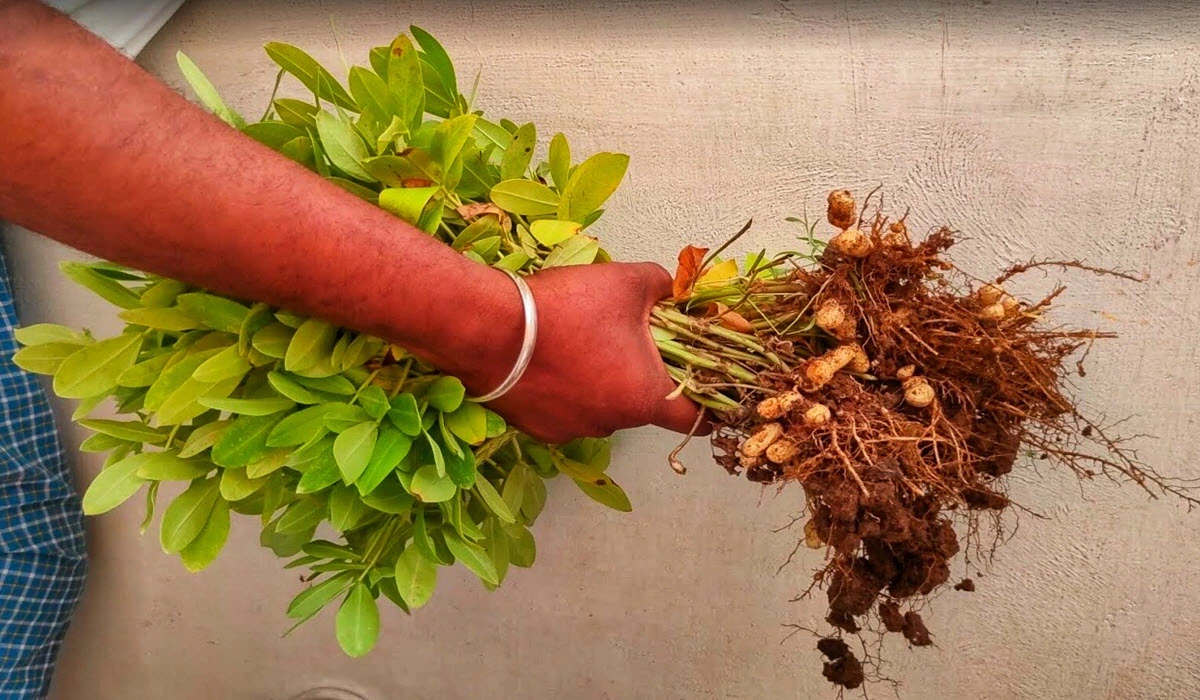
    Peanuts, also known as groundnuts, are a tasty and nutritious legume that can be grown in many parts of the world. Not only are peanuts easy to cultivate, but they also have a host of health benefits. In this article, we will explore how to grow peanut plant in your own garden or backyard, how to grow peanuts from seed, how to grow peanut in pot or containers and health benefits of peanut.
    peanut health benefits
    Peanuts thrive in warm climates and require a long growing season of 100-130 days. They are typically planted in the spring after the danger of frost has passed. Here are the steps to grow peanuts:

    Choose the right location: Peanuts grow best in well-drained soil with a pH between 5.8 and 6.2. Choose a sunny location with good air circulation.

    gardening kit icon

    CHRYZTAL Stainless Steel Heavy Duty Gardening Tool Set

    Garden Tool Set, Stainless Steel Heavy Duty Gardening Tool Set, with Non-Slip Rubber Grip, Storage Tote Bag, Outdoor Hand Tools, Ideal Garden Tool Kit Gifts for Women and Men

     Buy Now


    Prepare the soil for grow peanut plant: Prepare the garden soil to a depth of eight-ten inches and find and clean any debris or rocks. Add natural fertilizer to enrich the soil.

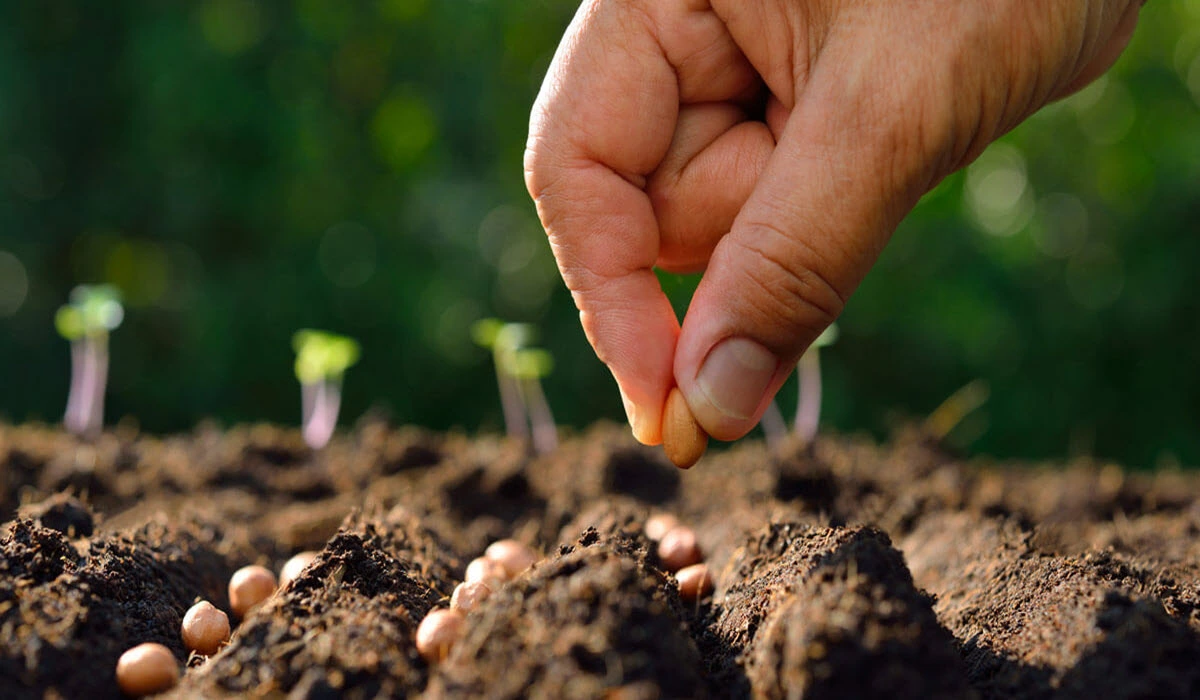
    Plant the Peanut seeds: Peanuts are typically planted 1-2 inches deep and 6 inches apart in rows that are 30-36 inches apart. Water the seeds immediately after planting.
    grow peanut plant
    Water and fertilize: Peanuts require consistent moisture to grow well, especially during the first few weeks after planting. Fertilize the plants with a balanced fertilizer at planting time and again 4-6 weeks later.

    Harvest: Peanuts are ready for harvest when the leaves turn yellow and the plants begin to wilt. Carefully pull the plants out of the ground, shake off the soil, and let them dry in the sun for a few days. Remove the peanuts from the plants and allow them to dry further in a warm, dry place.
    grow peanut plant

    Benefits of Peanuts

    grow peanut plant
    Peanuts are not only delicious but also packed with nutrition. Here are some of the benefits of peanuts:

    High in protein: Peanuts are an great source of protein, making them a great choice for vegetarians people.

    Rich in healthy fats: Peanuts are high in monounsaturated and polyunsaturated fats, which are healthy fats that can lower cholesterol levels and reduce the risk of heart disease.

    High in fiber: Peanuts are a good source of fiber, which can aid digestion and help you feel full for longer.

    Seeding tray

    Mr. Pen- Plastic Growing Trays

    TMr. Pen- Plastic Growing Trays, 5 Pack, Black, Plant Tray, Seed Tray, Seedling Tray, Propagation Tray, Plant Trays for Seedlings, Planting Trays, Microgreens Growing Trays, Seedling Starter Trays

     Buy Now


    Packed with vitamins and minerals: Peanuts are rich in several vitamins and minerals, including vitamin E, magnesium, phosphorus, and potassium.

    May reduce the risk of certain diseases: Studies have shown that eating peanuts may reduce the risk of heart disease, diabetes, and certain types of cancer.

    Conclusion

    Peanut plant growing is a fun and rewarding experience that can provide you with a tasty and nutritious snack. With the right growing conditions and care, you can harvest a bountiful crop of peanuts in just a few months. Not only do peanuts taste great, but they also have a host of health benefits that make them a smart choice for any diet. So why not give peanuts a try and see for yourself how delicious and nutritious they can be?

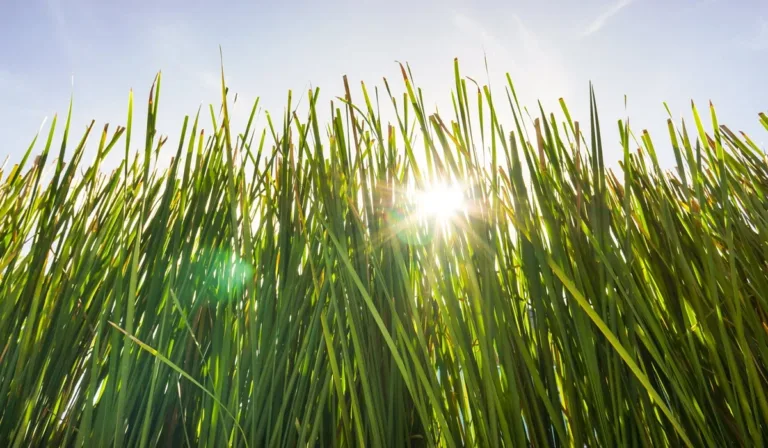
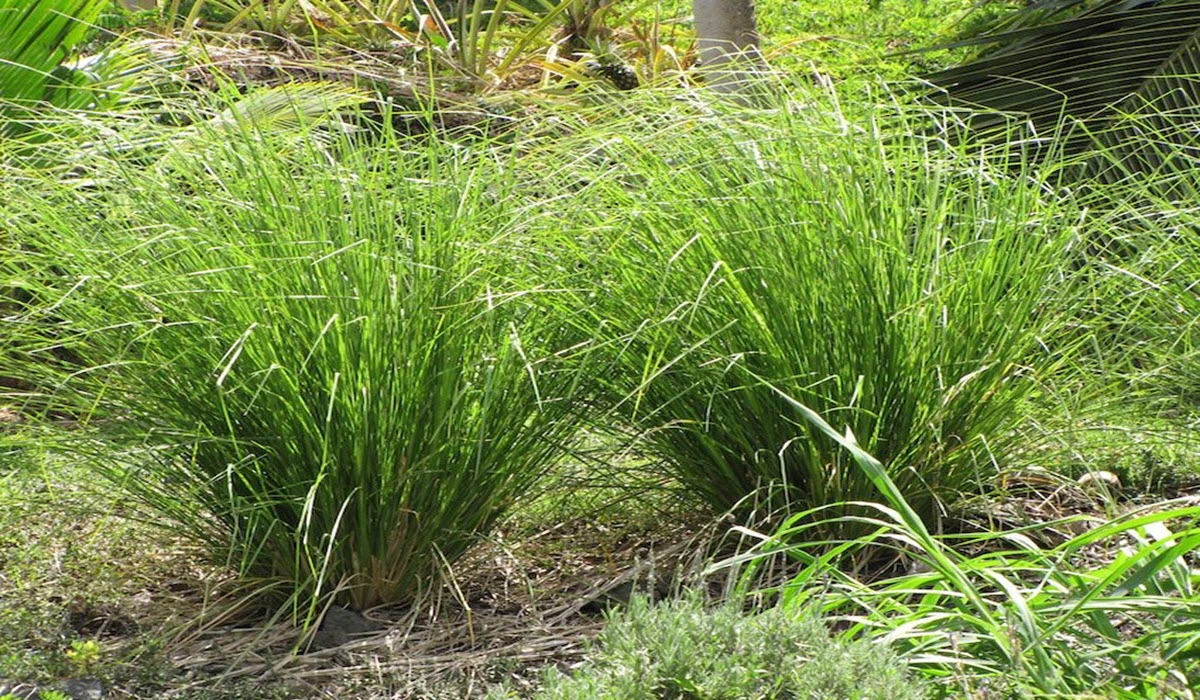
    Vetiver, also known as khus, is a perennial grass with a deep and complex root system that makes it an ideal plant for soil erosion control, wastewater treatment, and essential oil production. It is also a plant with a long history of medicinal use in traditional Ayurvedic and Chinese medicine. In this article, we will explore how to grow vetiver plant, how do you grow vetiver at home, care tips for grow vetiver plant, and its vetiver health benefits.
    Planting Vetiver

    Planting Vetiver

    Vetiver can be propagated from seed, slips, or mature root sections. Slips are the most commonly used propagation method and can be obtained from a vetiver nursery or by rooting clippings taken from mature plants.

    grow bags

    12-Pack Grow Bags 5 Gallon, Thick Fabric Planter Bags for Vegetables

    GreatBuddy 12-Pack Grow Bags 5 Gallon, Thick Fabric Planter Bags for Vegetables, Sturdy Handles & Reinforced Stitching, Labels Included, Black

     Buy Now

    When grow vetiver plant, it is important to prepare the soil by adding organic matter such as compost or well-rotted manure. Vetiver prefers well-draining soil with a pH between 6.0 and 8.5. The planting hole should be dug to a depth that allows the entire root system to be accommodated without bending or coiling. After planting, the slips should be watered thoroughly to settle the soil.

    Vetiver should be planted in rows with a spacing of 1-2 feet between plants and 3-4 feet between rows. It allows the roots to develop a dense network that helps to stabilize the soil and retain moisture. Vetiver is tolerant of a wide range of growing conditions, including full sun or partial shade, and can grow in a variety of soil types.

    Care and Maintenance

    grow vetiver plant
    Vetiver grass is a low-maintenance plant that requires minimal care once established. It is drought-tolerant and can survive extended periods of dry weather. However, regular watering during the first few months after planting is essential for root development.Fertilizer is not need for vetiver, as it can obtain all the necessary nutrients from the soil. However, adding a balanced fertilizer during the first year after planting can help to establish a root system.

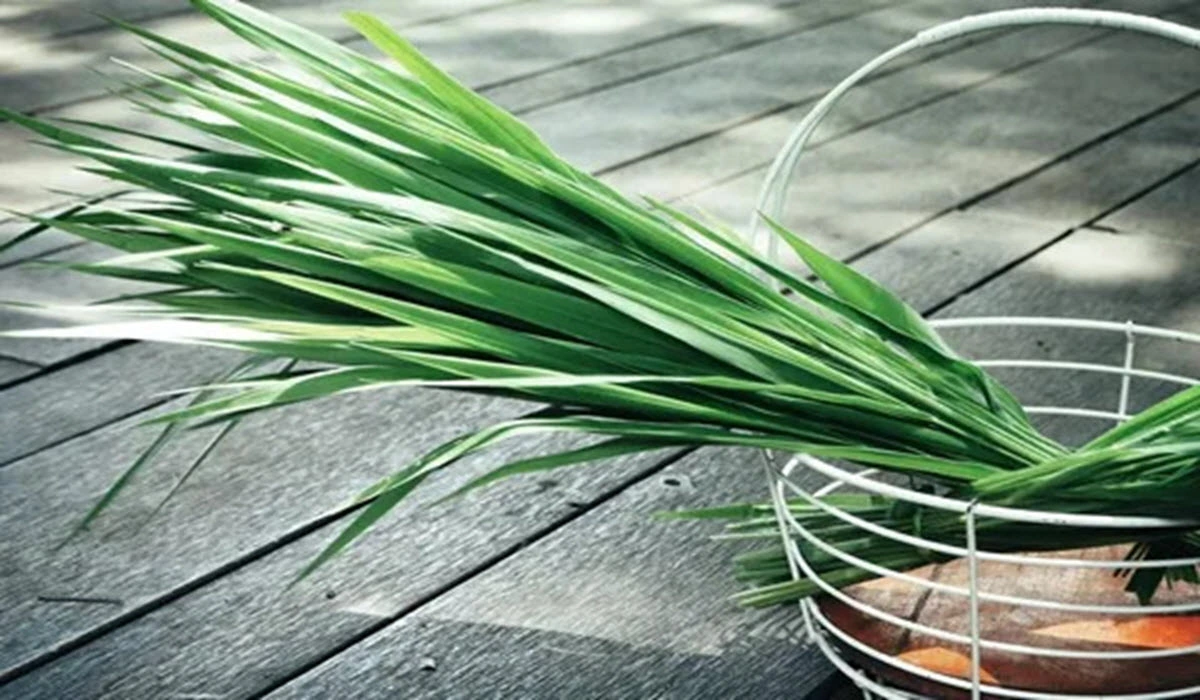
    Vetiver should pruned regularly to prevent it from becoming too tall and to promote the growth of new shoots. The leaves can be used as mulch or added to compost piles.

    Harvesting Vetiver

    grow vetiver plant
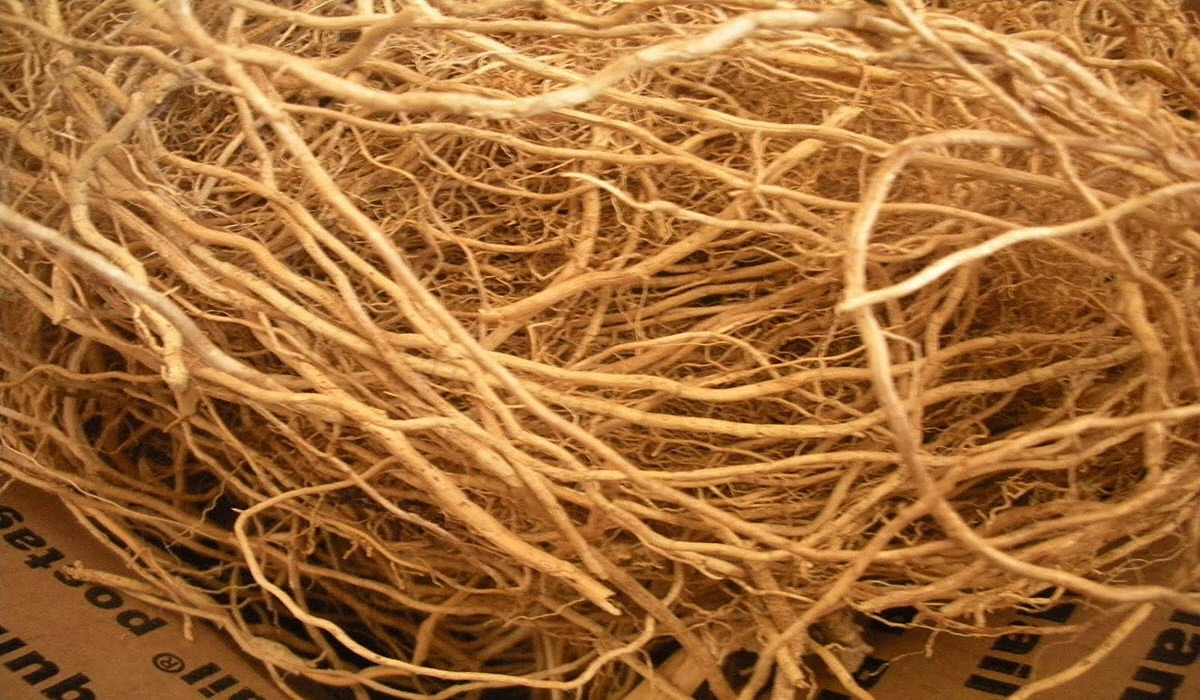
    Vetiver is harvested for its essential oil, which is extracted from the roots. Harvesting is typically done when the plant is 12-18 months old, once the Roots have become well-established.

    nursery tray

    MIXC Seedling Trays Seed Starter Tray

    MIXC Seedling Trays Seed Starter Tray, 5-Pack Mini Propagator Plant Grow Kit Greenhouse with Humidity Vented Domes and Base for Seeds’ Starting (40 Cells Per Tray, Total 200 Cells), Black

     Buy Now

    Harvesting involves digging up the entire plant and removing the roots. The roots are then washed, dried, and distilled to extract the essential oil. It is a labor-intensive process that requires specialized equipment and expertise.

    Health Benefits of Vetiver

    grow vetiver plant
    Vetiver has a long history of use in traditional medicine, particularly in Ayurvedic and Chinese medicine. Here are some of the health benefits associated with Vetiver:

    Reduces Anxiety and Stress: Vetiver oil is known for its calming and grounding properties, and it reduce anxiety and stress levels. A study published in the journal Natural Product Research found that inhaling vetiver oil reduced anxiety levels in rats.

    Improves Sleep: Vetiver oil has sedative properties that can help improve the quality of sleep. A study published in the Journal of Intercultural Ethnopharmacology found that inhaling vetiver oil before bed improves the quality of sleep.

    Promotes Wound Healing: Vetiver oil has antiseptic and anti-inflammatory properties that can help promote wound healing. A study published in the journal Burns found that applying vetiver oil to burn wounds reduced inflammation and promoted healing.

    Reduces Inflammation: Vetiver oil has anti-inflammatory properties that can help reduce inflammation in the body. A study published in the journal Pharmacognosy Reviews found that vetiver oil has potent anti-inflammatory effects.

    Conclusion

    Vetiver is a versatile plant that can be used for soil erosion control, Vetiver a true miracle grass, wastewater treatment, and essential oil production. It also has a long history of use in traditional medicine and has been shown to have a Range of health benefits, including reducing anxiety and stress, improving sleep quality, promoting wound healing, and reducing inflammation. Whether you are interested in growing Vetiver for its practical uses or its medicinal properties, it is a fascinating plant that is worth exploring.

    Pin It