Author

MK Pets And Gardening

Browsing

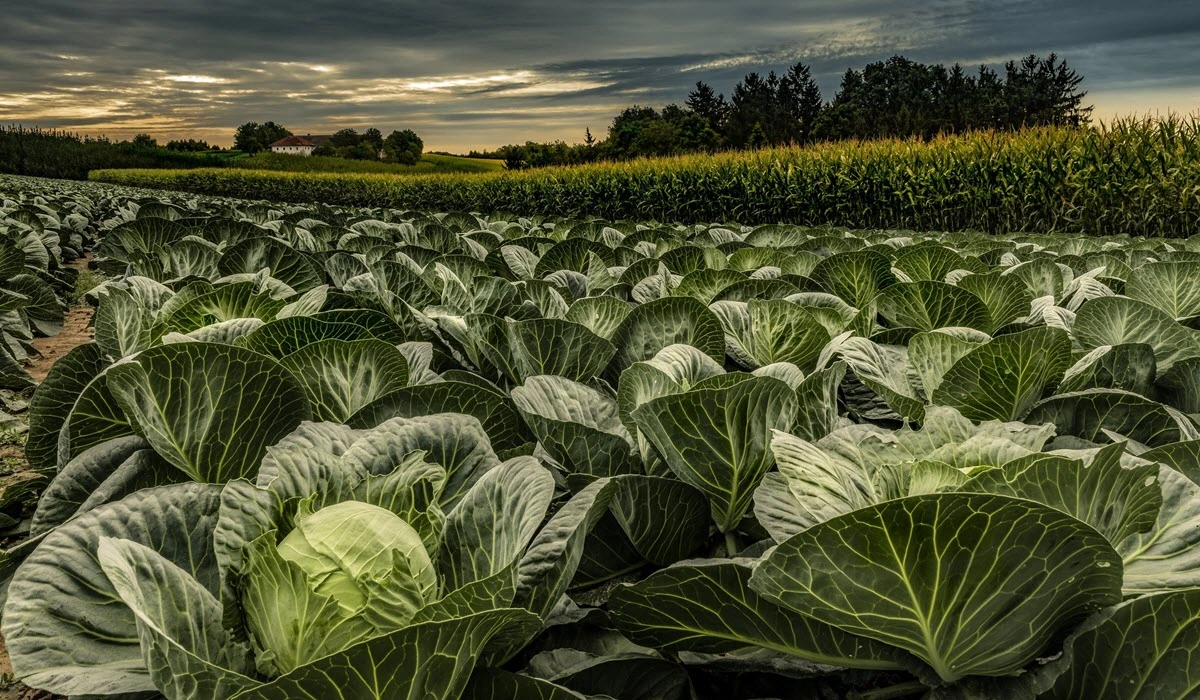
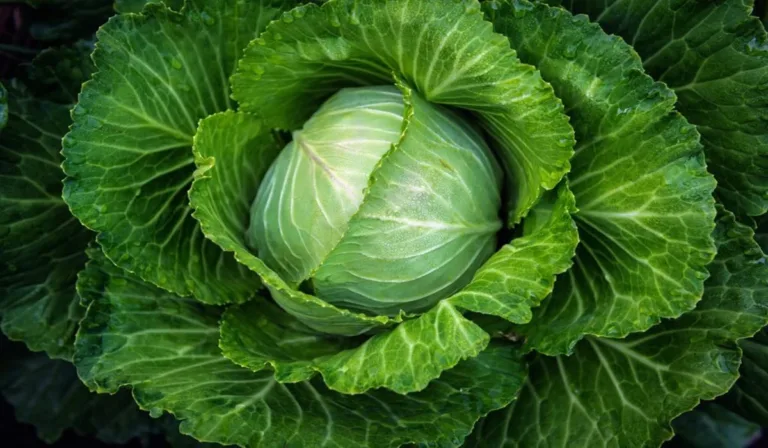
Cabbage is a cool-season vegetable that is Easy to grow cabbage in a home garden. It’s a versatile vegetable, used in a various dishes, including salads, soups, and stir-fries. Here is a complete guide for how to grow cabbage in your home garden, what is the best month to plant cabbage? How long does cabbage take to grow, How to Plant, Grow, and Harvest Cabbage, How to grow cabbage from scraps:
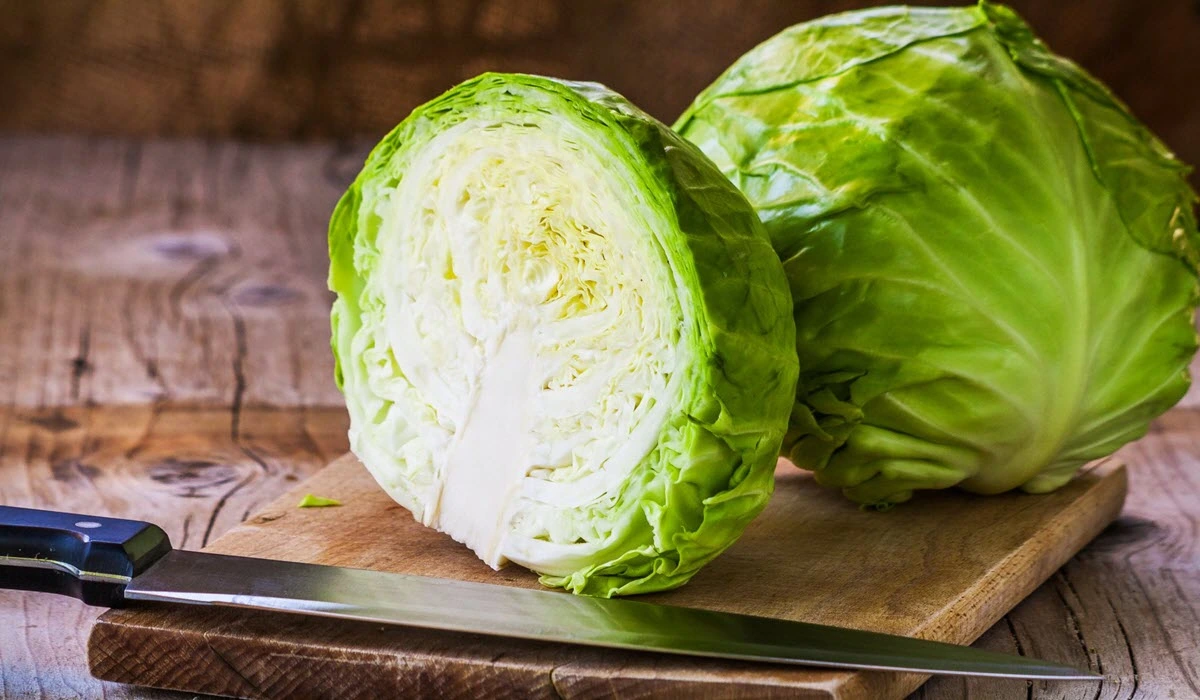
harvest

Choose the Right Variety

There are many different varieties of cabbage to choose from, including green cabbage, red cabbage, and Napa cabbage. Choose a type that is well-suited to your climate and growing conditions.

Planting

Cabbage can be planted from seeds or seedlings. If you’re starting from seeds, start them indoors 6-8 weeks before the last frost date. If you’re planting seedlings, plant them outdoors after the last frost date. Plant the seedlings about 18-24 inches apart in rows that are 2-3 feet apart.

Soil for Grow Cabbage

Cabbage prefers well-drained soil that is rich in organic matter. Add compost or aged manure to the soil before planting to improve its fertility.

Gardening gloves

Gardening Gloves for Women and Ladies

COOLJOB Gardening Gloves for Women and Ladies, 6 Pairs Breathable Rubber Coated Yard Garden Gloves, Outdoor Protective Work Gloves with Grip, Medium Size Fits Most, Red & Green

 Buy Now

Watering

Cabbage needs regular watering, especially during the hot and dry summer Months. Water the plants deeply once a Week or more often if the weather is Particularly dry.

Fertilization for Grow Cabbage

Cabbage is a heavy feeder and needs regular fertilization to thrive. Apply a balanced fertilizer every 3-4 weeks during the growing season.

Pest Control

Cabbage is susceptible to pests like aphids, Cabbage loppers and cabbage worms. To control these pests, spray the plants with a natural insecticide like neem oil or introduce natural predators like ladybugs to the garden.

Battery Powered Backpack Sprayer

Battery Powered Backpack Sprayer

The Field King pro Max 190515 lithium-ion battery powered 4 gallon backpack sprayer consists of an ergonomic design modeled after the existing Field King 190328 no-leak pump backpack sprayer. With integrated battery storage, this design ensures the equipment is protected from the elements & liquids during filling & spraying.

 Buy Now

Harvesting

Cabbage is typically ready for harvest 70-90 days after planting. To harvest, cut the head off at the base of the plant with a sharp knife. Leave the outer leaves in place and let the plant continue to grow, as it may produce smaller heads later in the season.

Best Time to cabbage planting

grow cabbage
Cabbage is a cool-season crop and can grow well in cool temperatures, making it best suited for growing in the spring and fall seasons. The ideal temperature range for growing cabbage is between 60 to 65°F (15 to 18°C).

Cabbage plants can tolerate light frosts and temperatures as low as 20°F (-6°C), which means they can be planted in early spring before the last frost date or in late summer for a fall harvest. In warmer regions, it’s best to plant cabbage in the fall Season when temperatures Start to cool down.

Does cabbage need a lot of water?

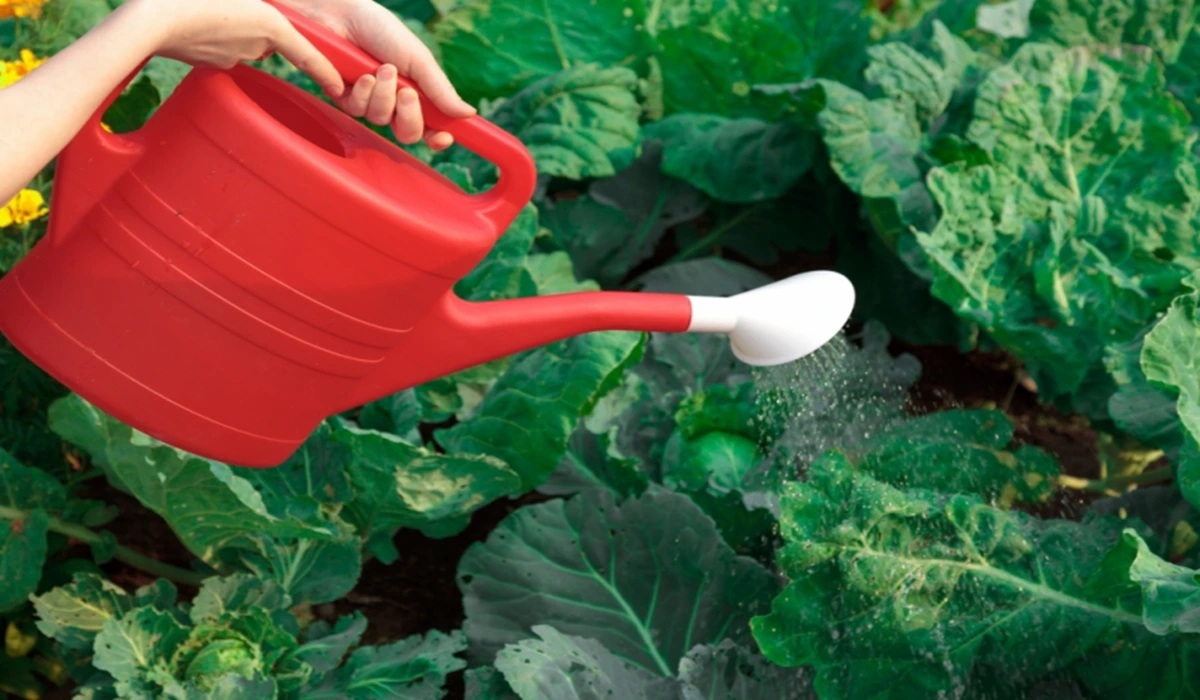
water.
Cabbage plants require consistent and adequate moisture to grow and produce healthy heads. However, it’s essential to ensure that the soil is well-drained and doesn’t become water logged as this can lead to root rot and other issues.
Cabbage plants typically require about 1 to 1.5 inches of water per week, depending on the weather conditions and soil moisture levels. It’s best to water deeply and infrequently rather than shallowly and frequently. This allows the water to penetrate deep into the soil and encourages the roots to grow deeper, which makes the plants more drought-resistant.

Types of Cabbage

grow cabbage
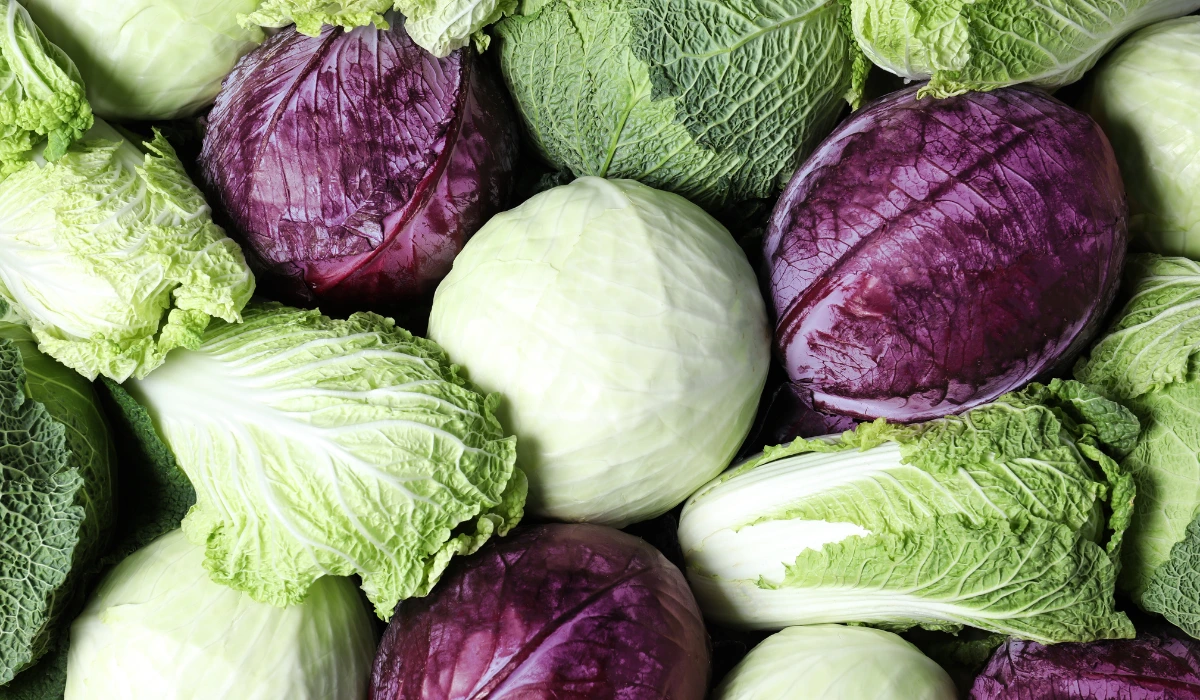
There are many different types of cabbage, each with it’s unique characteristics in terms of taste, texture, and color. You can grow cabbage indoors. Here are some of the most common types of cabbage:

Green cabbage

This is the most common type of cabbage, and it’s the one you’ll typically find in grocery stores. Green cabbage grows very well in winter. It has a mild flavor and a crunchy texture, making it ideal for salads, coleslaw, and stir-fries.

Red cabbage

This type of cabbage has a purple color and a slightly sweeter taste than green cabbage. It is used in salads, slaw, and pickling.

Savoy cabbage

Savoy cabbage has a crinkled texture and a milder flavor than other types of cabbage. It’s commonly used in soups, stews, and braised dishes.

Napa cabbage

Also known as Chinese cabbage, Napa cabbage has a mild, sweet flavor and a delicate texture. It’s commonly used in Asian cuisine, especially in stir-fries and kimchi.

Bok Choy

Bok Choy is a type of Chinese cabbage that has a mild flavor and a crunchy texture. It’s commonly used in stir-fries and soups.

Brussels sprouts

Brussels sprouts are a type of miniature cabbage that grows on a stalk. They have a slightly bitter taste and are commonly roasted or sautéed.

Disease Attack in Cabbage and its solution

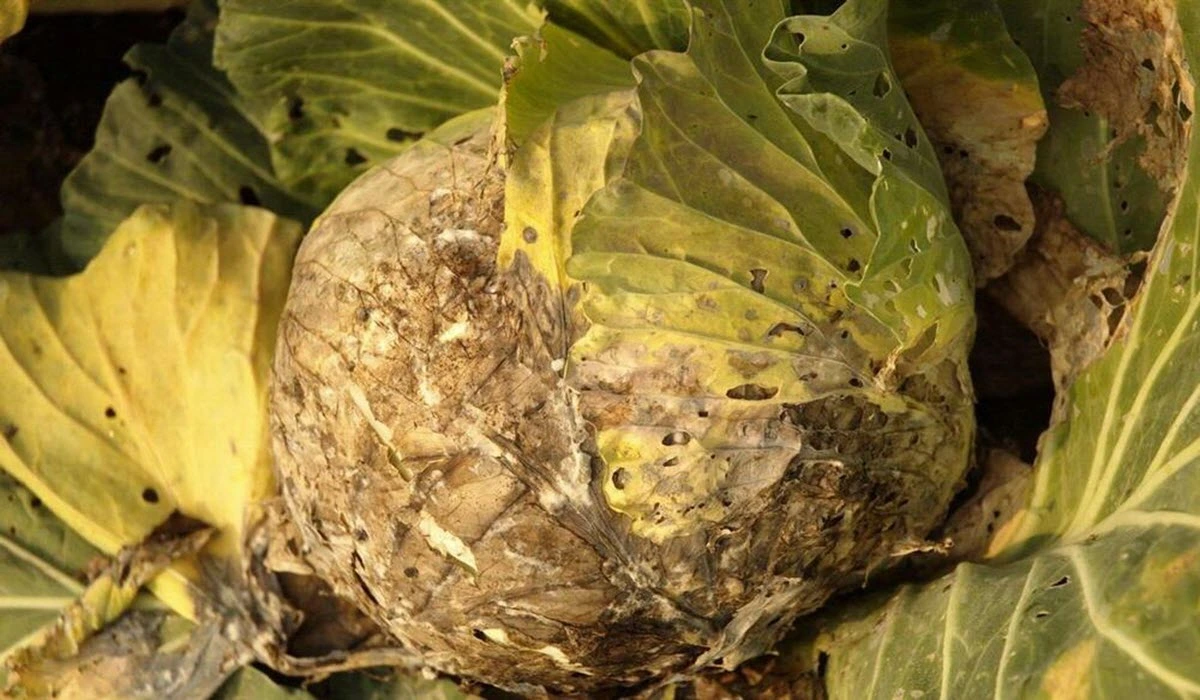
attack

  • Club root: Club root is a soil-borne disease that causes stunted growth and deformed roots in cabbage plants. To prevent club root, avoid planting cabbage in soil infected with the disease. If club root is already present in the soil, use a resistant variety of cabbage, rotate crops, and maintain good soil drainage.
  • Black Rot: Black rot is a bacterial disease that causes yellowing and wilting of the leaves and blackening of the stem. To prevent black rot, practice crop rotation, remove infected plants immediately, and avoid planting cabbage in soil infected with the disease.
  • Downy Mildew: Downy mildew is a fungal disease that causes yellowing of the leaves and a white or gray fuzzy growth on the undersides of the leaves. To prevent downy mildew, avoid overhead watering, plant in well-drained soil, and practice good air circulation.
  • Fusarium Yellows: Fusarium yellows are a fungal disease that causes yellowing and wilting of the leaves, stunted growth, and root rot. To prevent fusarium yellows, use a resistant variety of cabbage, rotate crops, and avoid planting cabbage in soil infected with the disease.
  • Alternaria Leaf Spot: Alternaria leaf spot is a fungal disease that causes small, circular spots on the leaves that eventually turn brown and coalesce. To prevent Alternaria leaf spots, avoid overhead watering, plant in well-drained soil, and maintain good air circulation.

Health benefits of cabbage

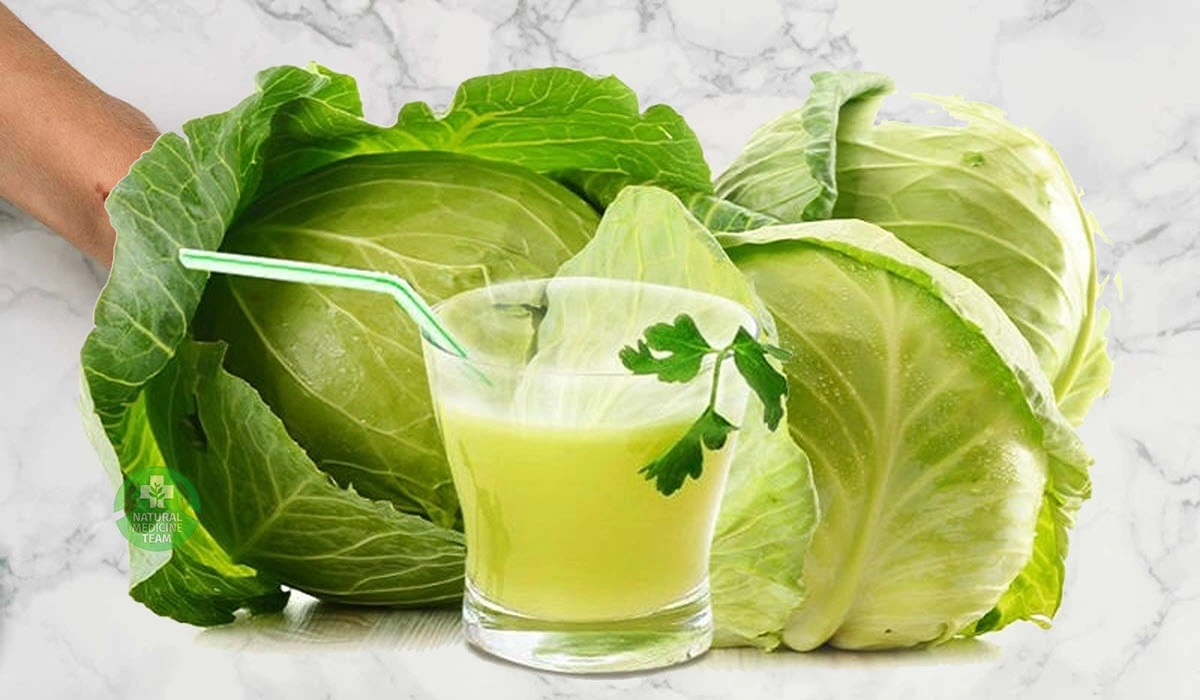
cabbage-juice

  • Rich in Nutrients
  • Supports Digestive Health
  • May Lower Cholesterol
  • May Reduce Inflammation
  • May Support Brain Health
  • May Help to Prevent Cancer


In conclusion, growing cabbage in a home garden is relatively easy and can be a rewarding experience. By following the steps outlined above, you can grow healthy, delicious cabbage that can be used in a variety of dishes.

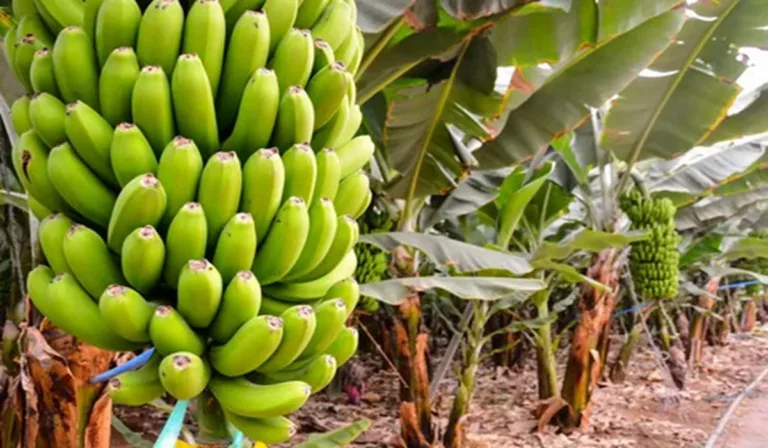
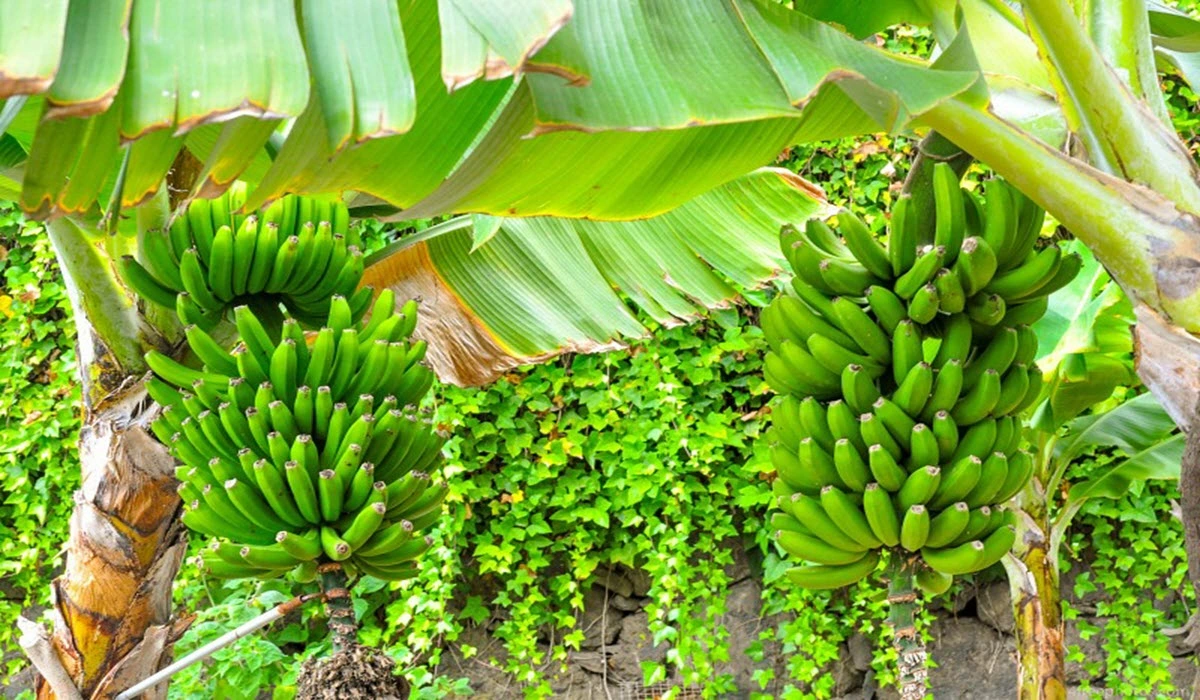
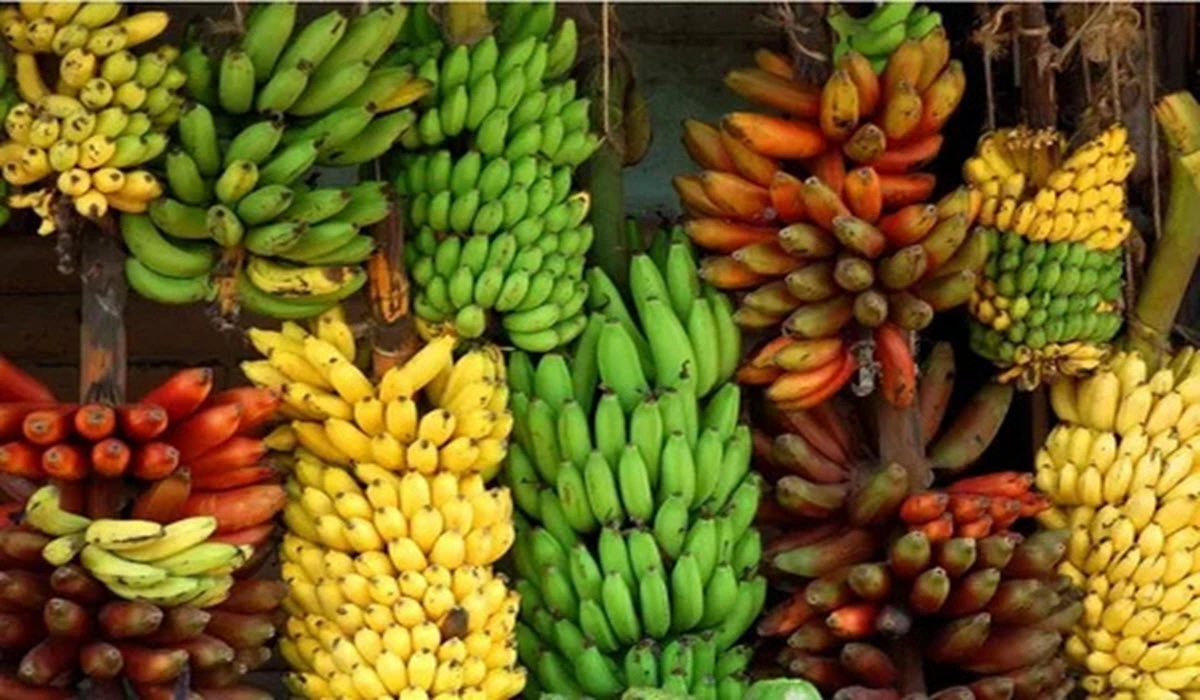
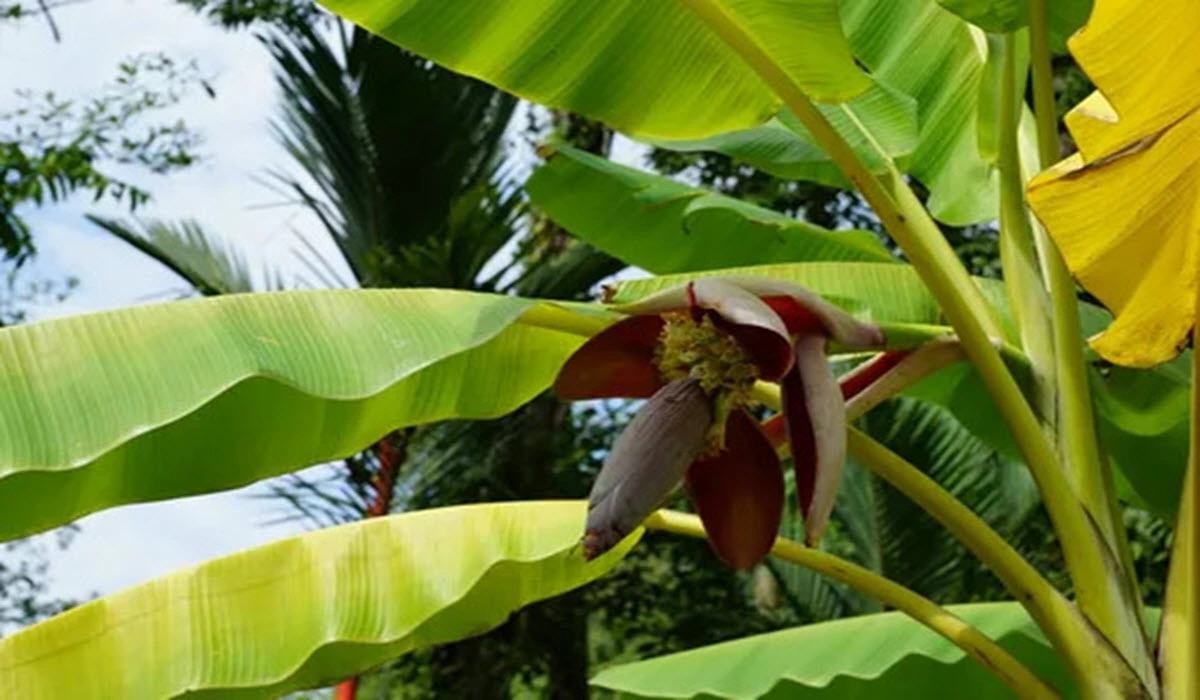
Bananas are delicious and nutritious fruit that many people enjoy. But did you know that you can grow your banana tree at home? Growing a banana tree may seem daunting at first, but with a liitle patience and care, you can have a thriving banana tree. In this article, we are going to see whether can we grow banana trees at home, How long bananas take to grow, What is the lifespan of a banana tree, How to Grow Banana trees indoors, Do bananas grow on trees.
grow-banana-tree

Step 1: Choose the Right Banana Tree Variety

The first step in growing a banana tree is to choose the Right variety for your climate. There are varieties of banana trees, but not all are suitable for all Climates. For example, if you live in a cooler Climate, you may want to choose a various of banana tree that is more cold-hardy, such as a Dwarf Cavendish or the Ice Cream banana. However, if you live in a warmer climate, you may be able to grow a wider variety of bananas, such as the Gros Michel or the Red Dacca.

Step 2: Prepare the Soil

Once you have chosen the Right banana tree variety, it’s time to prepare the soil. Banana trees are well-draining garden soil that is high in organic type. You can achieve this by adding compost or other organic matter to the soil. Banana trees also Prefer a slightly acidic soil pH, around 6.0 to 6.5.

Step 3: Plant the Banana Tree

When planting your banana tree, choose a sunny location with good drainage. Banana trees need plenty of sunlight to grow, so choose a spot that gets minimum six to eight hours of sunlight per day. The banana tree cannot grow indoors. Dig a hole in the soil that is about twice as wide and deep as the root ball of the banana tree. Gently place the root ball in the hole and backfill it with soil, maka sure to tamp the soil down firmly around the tree.

Step 4: Water the Banana Tree

Banana trees need consistent moisture to thrive, so it is momentous to water them regularly. Water the banana tree need once e a week, depending on the climate and the
Amount of rainfall you receive. In addition, make sure to keep the soil around the banana tree moist but not waterlogged.

Step 5: Fertilize the Banana Tree

Banana trees needs proper fertilization to grow and produce banana fruit. You can use a balanced fertilizer that is high in potassium, such as a 10-10-10 or 8-10-8 blend. Apply the fertilizer every six to eight weeks during the growing season, which is typically from spring to fall. Bananas grow in a banana tree only once, banana did not grow twice.

Step 6: Maintain the Banana Tree

It’s momentous to maintain it regularly. It includes pruning any dead or damaged leaves or fruit stalks, removing any suckers or offshoots that grow from the base of the plant, and protecting the tree from pests and diseases.

gardening kit icon

CHRYZTAL Stainless Steel Heavy Duty Gardening Tool Set

Garden Tool Set, Stainless Steel Heavy Duty Gardening Tool Set, with Non-Slip Rubber Grip, Storage Tote Bag, Outdoor Hand Tools, Ideal Garden Tool Kit Gifts for Women and Men

 Buy Now

Diseases Attack in Banana Tree and its Solution

disease

Fusarium Wilt

Fusarium wilt is a fungal disease that affects the vascular system of the banana tree, blocking the movement of water and nutrients. Symptoms of fusarium wilt include wilting and yellowing of the leaves, a brown discoloration of the vascular tissue. Unfortunately, there is no cure for fusarium wilt, so it’s momentous to prevent it by choosing disease-resistant varieties of banana trees, practicing good sanitation momentous.

Black Sigatoka

Black Sigatoka is a fungal disease that affects the leaves of the banana tree, causing them to develop black spots and eventually die. It can be prevented by maintaining good air circulation around the banana tree, practicing good sanitation, and applying fungicides.

Panama Disease

Panama disease, also known as Panama wilt, is a soil-borne disease caused by the fungus Fusarium oxysporum f. sp. cubense. It affects the vascular system of the banana tree, causing it to wilt and eventually die. There is no cure for Panama disease, so it’s momentous to prevent it by choosing disease-resistant varieties of banana trees, practicing good sanitation, and avoiding planting in soil that has been infected with the fungus.

2 Litter sprayer

Garden Pressure Pump Sprayer

ITISLL Manual Garden Sprayer Hand Lawn Pressure Pump Sprayer Safety Valve Adjustable Brass Nozzle 0.5 Gal 2L

 Buy Now

Bunchy Top

The bunchy top is a viral disease that affects the growth and development of the banana tree, causing the leaves to become stunted and twisted. The Disease is spread by aphids, so it’s momentous to control aphids by using insecticides or other methods. Infected plants should be removed and destroyed to prevent the spread of the disease.

Anthracnose

Anthracnose is a fungal disease that affects the fruit of the banana tree, causing it to develop sunken, dark spots. The disease can be prevented by maintaining good air circulation around the banana tree, practicing good sanitation, and applying fungicides as needed.

Types of Banana Plants

types

  • Cavendish
  • Gros Michel
  • Lady Finger
  • Red Banana
  • Plantain
  • Blue Java
  • Gold finger
  • Pisang Raja
  • Manzano

Health Benefits of Banana

grow-banana
Rich in Nutrients: Bananas have nutrients, including potassium, vitamin C, vitamin B6, and dietary fiber, potassium for maintaining healthy blood pressure and heart function, while vitamin C and vitamin B6 are essential for immune system function and energy production.

Digestive Health: Bananas are a good source of dietary fiber, which can help promote regular bowel movements and prevent constipation. Fiber in bananas can also help feed the good bacteria in your gut, promoting digestive health from bananas.

Energy Boost: Bananas are a great source of natural energy, thanks to their high carbohydrate content. They can provide a quick energy boost before exercise or help keep you energized throughout the day.

Heart Health: Bananas are rich in potassium, for maintaining healthy blood pressure and heart function. Studies have also found that eating bananas may help reduce the risk of heart disease.

Mood Booster: Bananas contain tryptophan, an amino acid that can help boost serotonin levels in the brain.

Kidney Health: Bananas are a good source of potassium, which can help prevent kidney stones and promote overall kidney health.

Antioxidants: Bananas contain antioxidants like vitamin C and dopamine, which can help protect your cells from damage caused by free radicals.

In conclusion, growing a banana tree is a rewarding and enjoyable experience that can provide you with delicious, fresh fruit. By following these steps, you can successfully grow your banana tree at home, with a little patience and care, your banana tree will thrive and produce an abundance of delicious bananas for you and your family to enjoy.

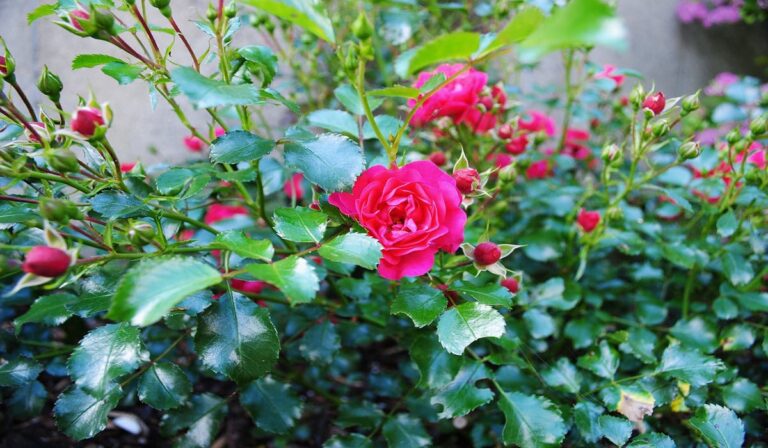
Grow rose plant from cuttings is an easy and inexpensive way to cultivate new plants that have the same characteristics as the parent plant. Here is a step-by-step guide on an easy way to grow rose from cutting and rooting roses from cuttings at home:
Grow rose plant

Choose the Right Time

The best time to take rose cuttings is in late spring or early summer, it is the perfect climate to grow roses after the first flush of blooms has faded. The plants are in their active growth phase at this time and are most likely to root quickly.

Select a Healthy Stem

cuttings
Look for a stem that is 6-8 inches long and has at least 3-4 healthy leaves on it. Make sure it is a new growth, not a woody old stem.

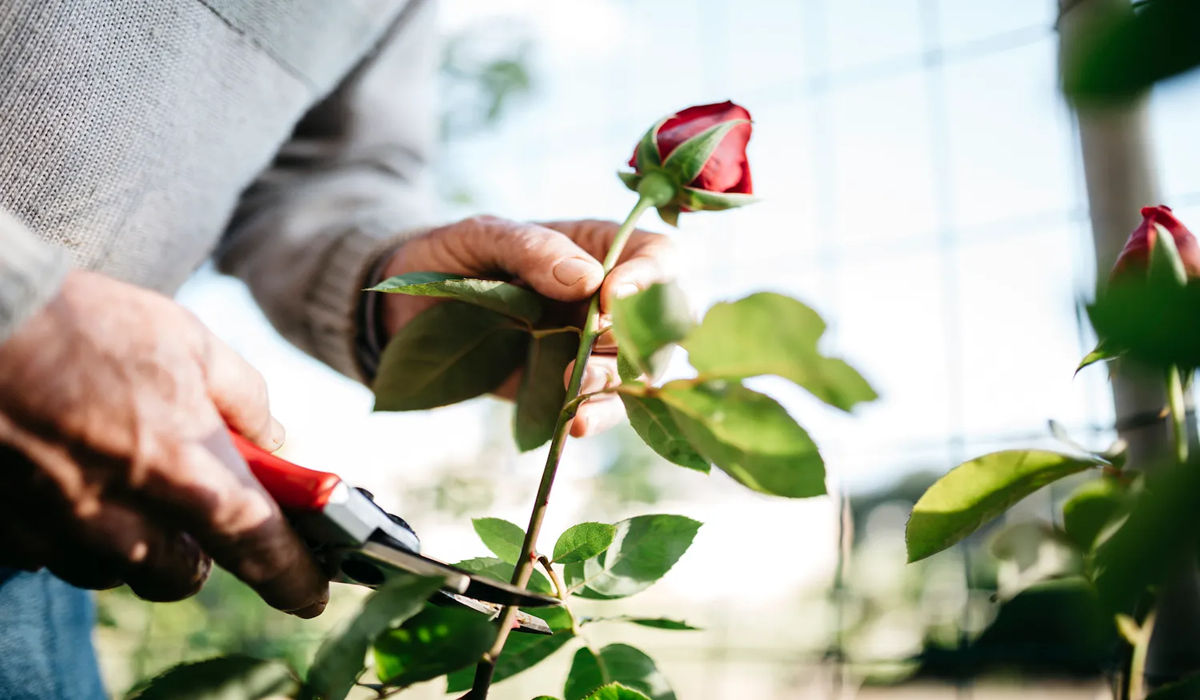
Cutting of Stem

Grow rose plant
Use sharp scissors or sharp pruning shears to cut the stem at a straight angle. Make the cut just a leaf in the node below, where the rose leaf meets the stem.

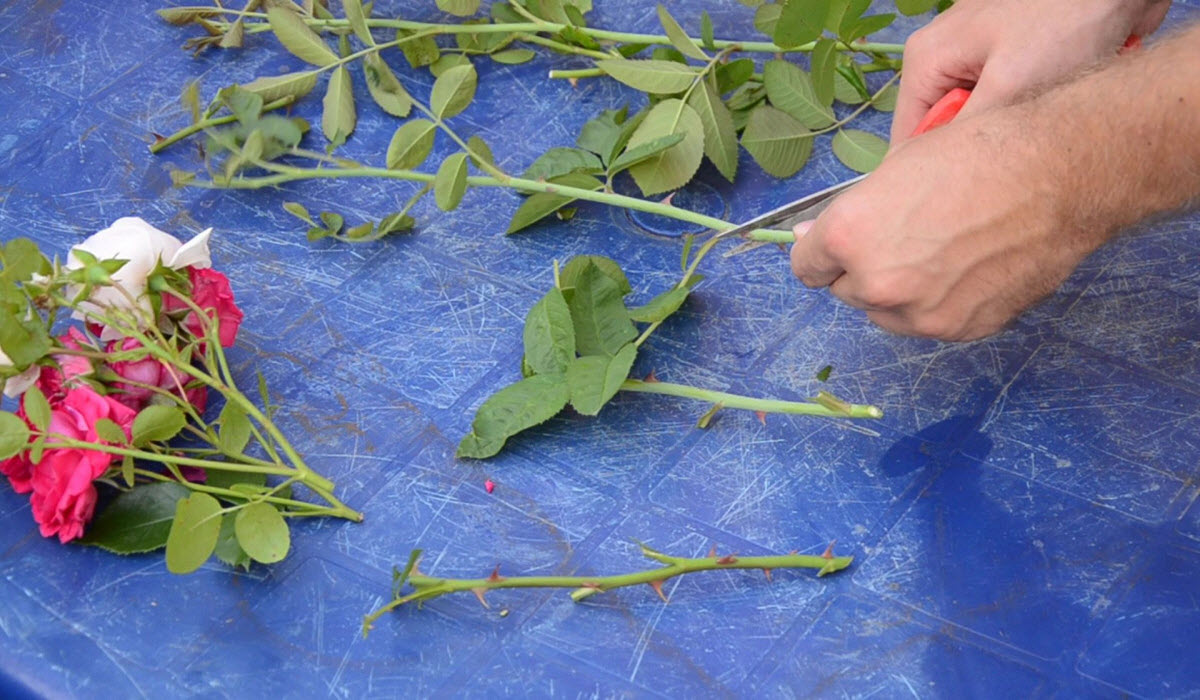
Remove the Leaves

Remove all the leaves from the stem except for the top 2-3 leaves. This will reduce the amount of water loss through transpiration and help the cutting to root more easily.

Prepare the Cutting to Grow Rose Plant

Dip the cut end of the stem into rooted auxin powder. This will help the cutting to develop roots more quickly.

Plant the Cutting

Fill a small pot or container with a well-draining garden soil. Make a hole in the center of the pot with garden soil and insert the cutting about 2 inches deep. Press the potting mix firmly around the stem to ensure good contact.

grow bags

12-Pack Grow Bags 5 Gallon, Thick Fabric Planter Bags for Vegetables

GreatBuddy 12-Pack Grow Bags 5 Gallon, Thick Fabric Planter Bags for Vegetables, Sturdy Handles & Reinforced Stitching, Labels Included, Black

 Buy Now

Water the Cutting

grow-rose-plant-1
Water the cutting well, but make sure the soil is not waterlogged. Place the pot in a bright, warm spot, but out of direct sunlight.

Provide the Right Conditions to Grow Rose Plant

i
Keep the pot moist, which is filled with garden soil, but not sloppy. Cover the pot with a growing bag or a plastic bag to create a wet environment. This will help to prevent the rose cutting from drying out.

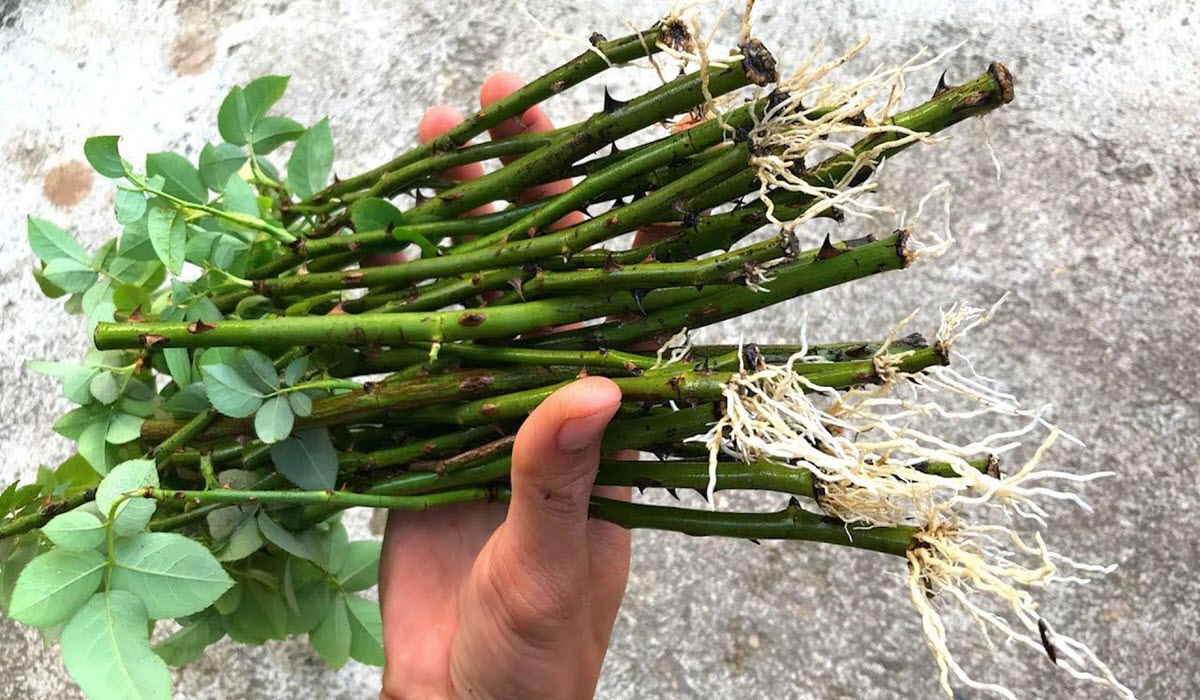
Wait for Roots to Develop

grow-rose-plant
After a few weeks, gently tug on the cutting to see if it has rooted. If it resists being pulled up, roots have formed. If it comes out easily, it needs more time to root.

Transplant the Cutting

Pruner

5 pack Garden Pruning Shears Stainless Steel Blades

5 pack Garden Pruning Shears Stainless Steel Blades, Handheld Scissors Set with Gardening Gloves,Heavy Duty Garden Bypass Pruning Shears,Tree Trimmers Secateurs, Hand Pruner

 Buy Now


flower
Once roots have developed, transplant the cutting into a larger container or into the garden. Make sure to keep the garden soil moist and protect the new rose plant from heat sun and hard weather.

By following these simple steps and caring tips for how to grow roses, you can easily cultivate new rose plants from cuttings and enjoy a beautiful, healthy rose garden and decorate your Terrace Garden.

Aquarium hobbyists have a Wide Range of freshwater fish species to choose from when setting up their tanks. Some are small and peaceful, while others are larger and more aggressive. With so many options available, it can be hard to know where to start. That’s why we have compiled a list of the 50 most famous freshwater aquarium fish to help you to make a selection.

Here we are going to see types of freshwater aquarium fish list, Exotic freshwater fish, Aquarium freshwater fish list with pictures, small aquarium fish names, Best Aquarium Fish, and Tropical fish species for tank. However, it’s important to note that each fish has unique requirements and temperaments, and not all of them will be suitable for every aquarium setup. Before adding any fish to your tank, Research its needs and compatibility with other fishes. Additionally, this list is not exhaustive, and there are many other interesting freshwater fishes out there that could make great additions to your aquarium.
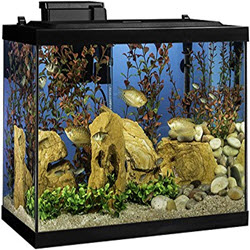
aquarium tank

Tetra Aquarium 20 Gallon Fish Tank

The Tetra 20 Gallon Aquarium kit is just what you need to dive in to starting a new tank. The Tetra 20 Gallon Kit is perfect for the aquarist looking for a traditional aquarium with natural scenery or someone looking to break into this exciting hobby!

 Buy Now

Live Bearers Freshwater Aquarium Fish List

Livebearers are relatively easy to care for and adapt well to various water conditions. They are also quite hardy, making them an excellent choice for beginners. However, it is essential to note that different species have different requirements, such as water temperature, pH, and hardness, so it is a must to research each species’ specific needs. Fishes in Live Bearers freshwater aquarium fish list, will deliver fries instead of eggs. Mostly they will be non-aggressive freshwater aquarium fish.

1. Guppies Fish
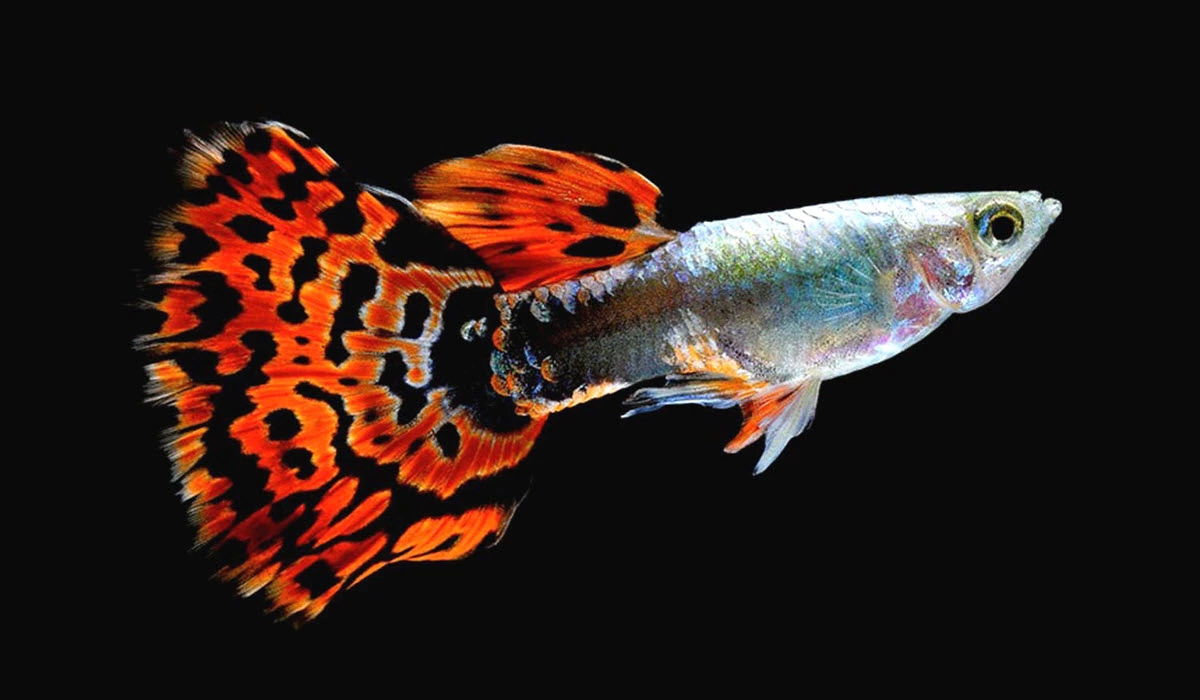
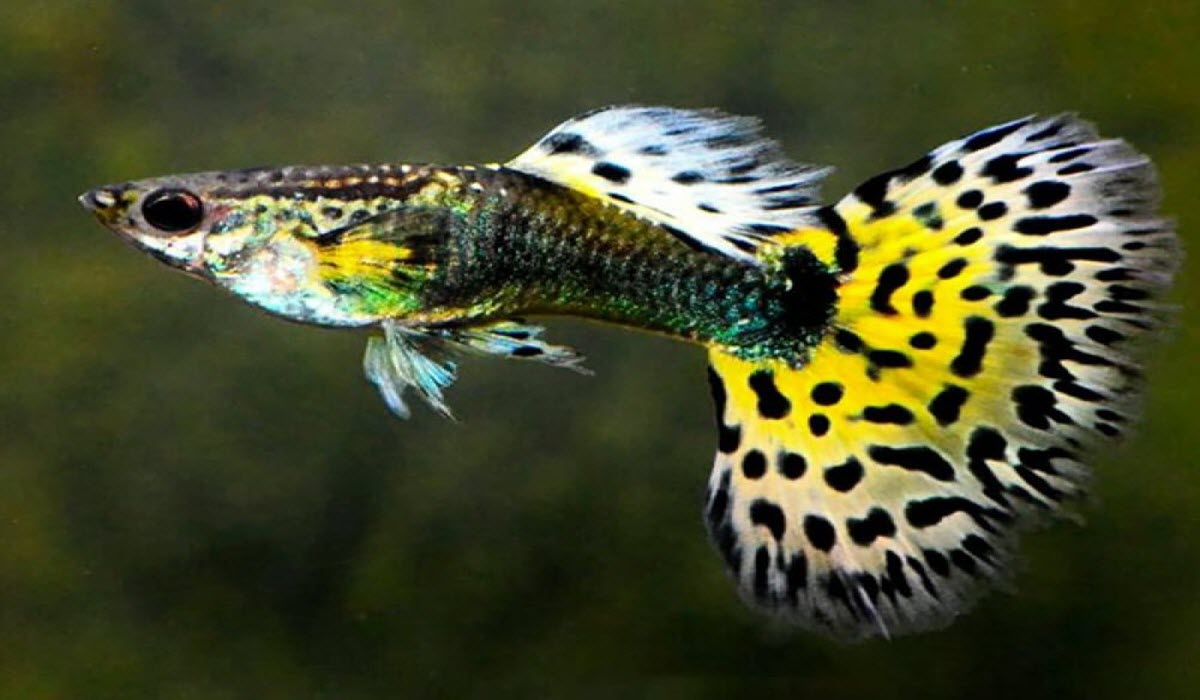
guppy
Guppies are relatively easy to care for and adapt to various water conditions. They prefer warm water with a pH between 6.8 and 7.8 and can thrive in freshwater and brackish water. They are omnivorous and can eat more foods, including flakes, pellets, frozen, and live foods.

2. Molly Fish
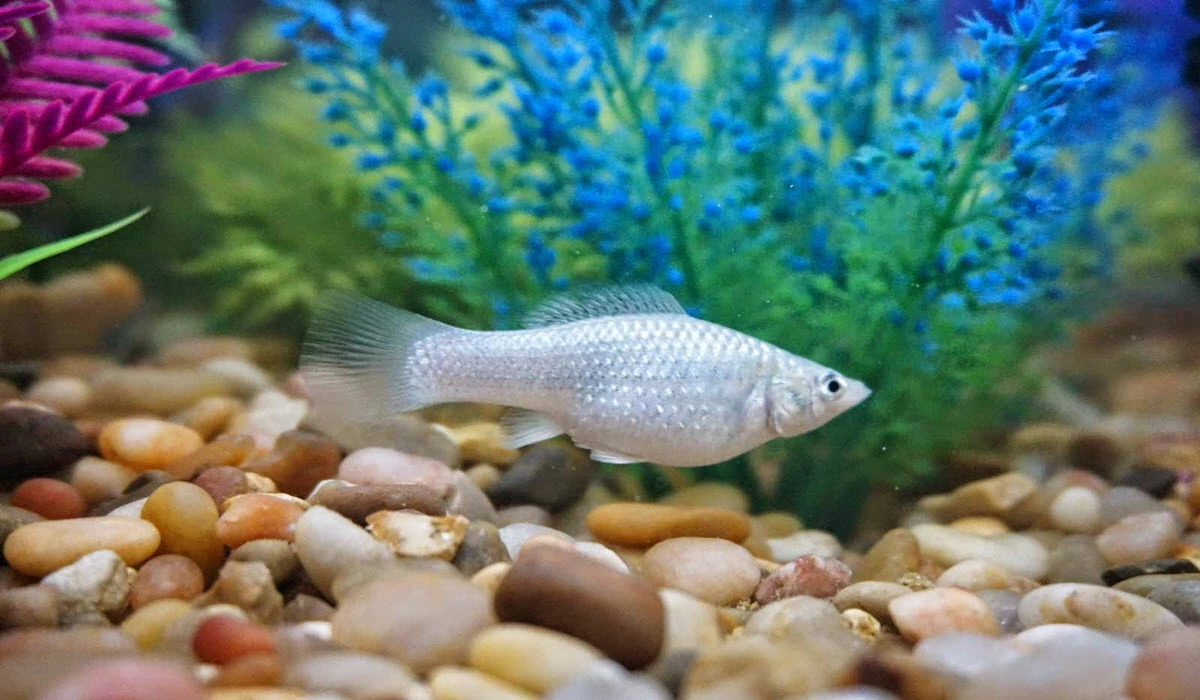
molly-fish
Mollies are livebearers, which means they give birth to live young instead of laying eggs. They are also prolific breeders, with females giving birth to 20-100 fry at a time. This makes them an excellent choice for breeding and adding new generations of fish to your aquarium.

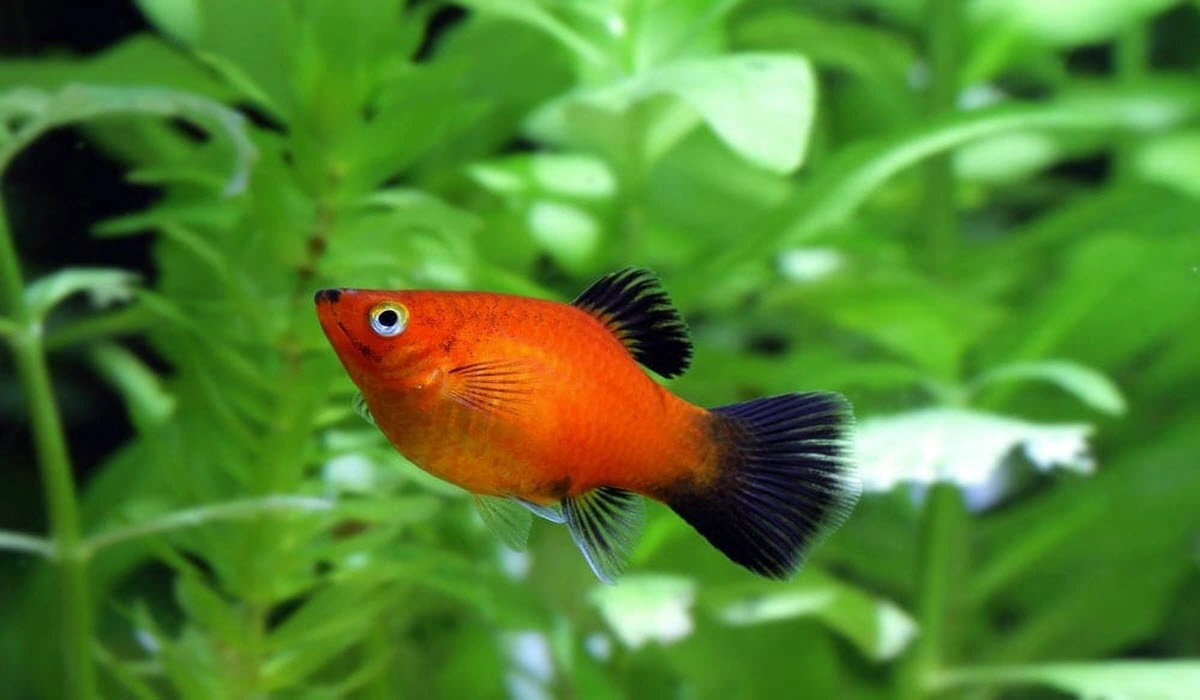
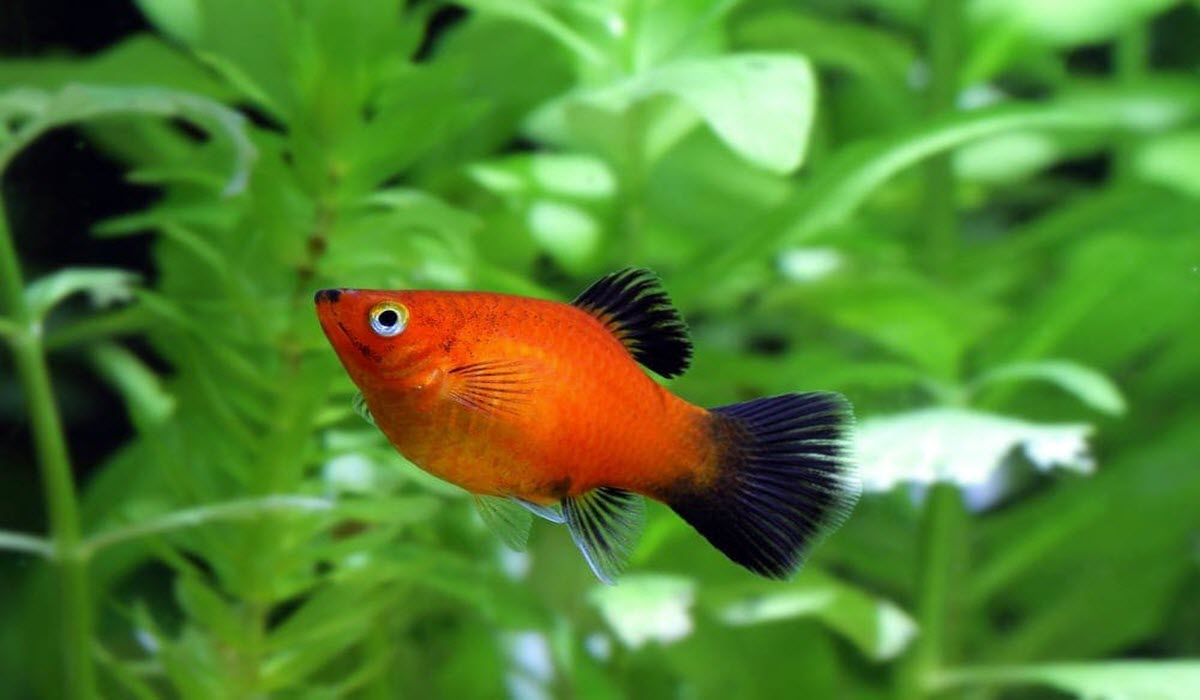
3. Platy Fish
platy-fish
One of the most notable features of platy fish is their peaceful nature. They are non-aggressive and can be kept with other peaceful species in a community tank. Platy fish are also easy to care for and can adapt to a various water conditions. They prefer slightly alkaline water with a pH between 7.0 and 8.2 and a temperature between 68°F and 82°F.
aquarium plastic plant

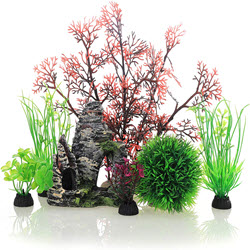
Aquarium Fish Tank Plastic Plants and Cave Rock Decorations

JIH Aquarium Fish Tank Plastic Plants and Cave Rock Decorations Decor Set 7 Pieces, Small and Large Artificial Fish Tank Plants with Cave Rock

 Buy Now

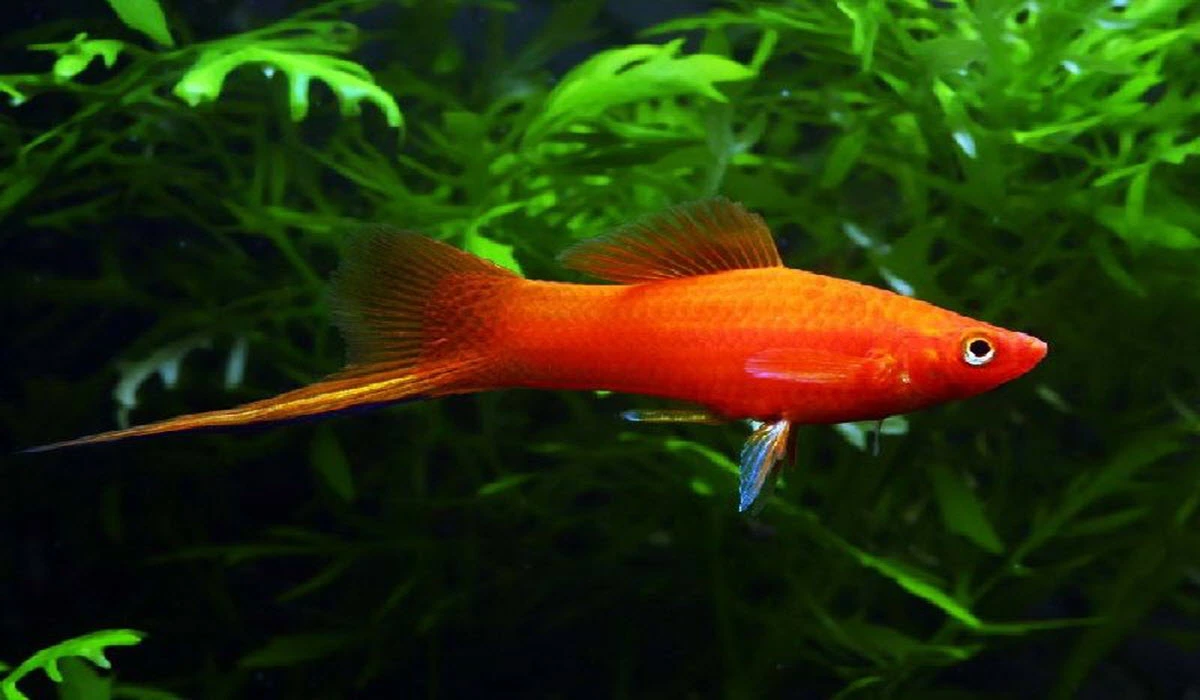
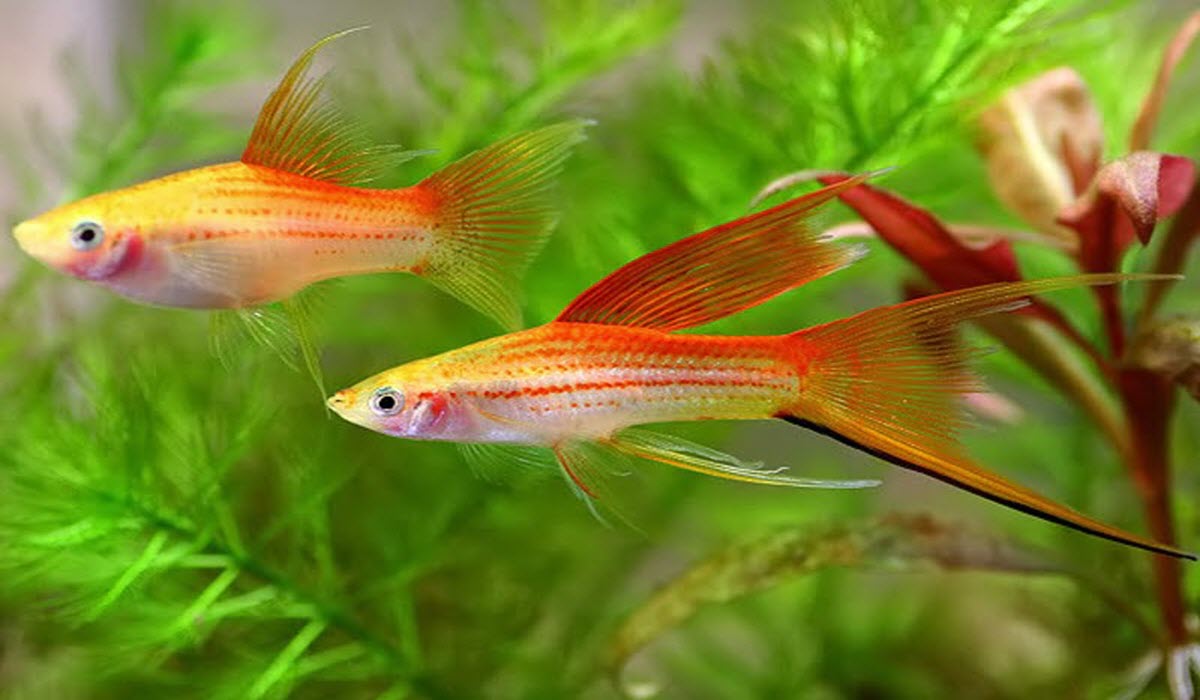
4. Swordtail Fish

swordtail-fish
Swordtail fish prefer slightly alkaline water with a pH between 7.0 and 8.0 and a water temperature between 72°F and 82°F. They are omnivorous and can eat a variety of foods, including flakes, pellets, and live or frozen foods.

Exotic Freshwater Aquarium Fish List

Exotic freshwater aquarium fish are species that are not typically found in the local waterways or pet stores and are often imported from other countries. They are popular among aquarium enthusiasts for their unique colors, and shapes, and behaviors, and can add a vibrant element to any aquarium.

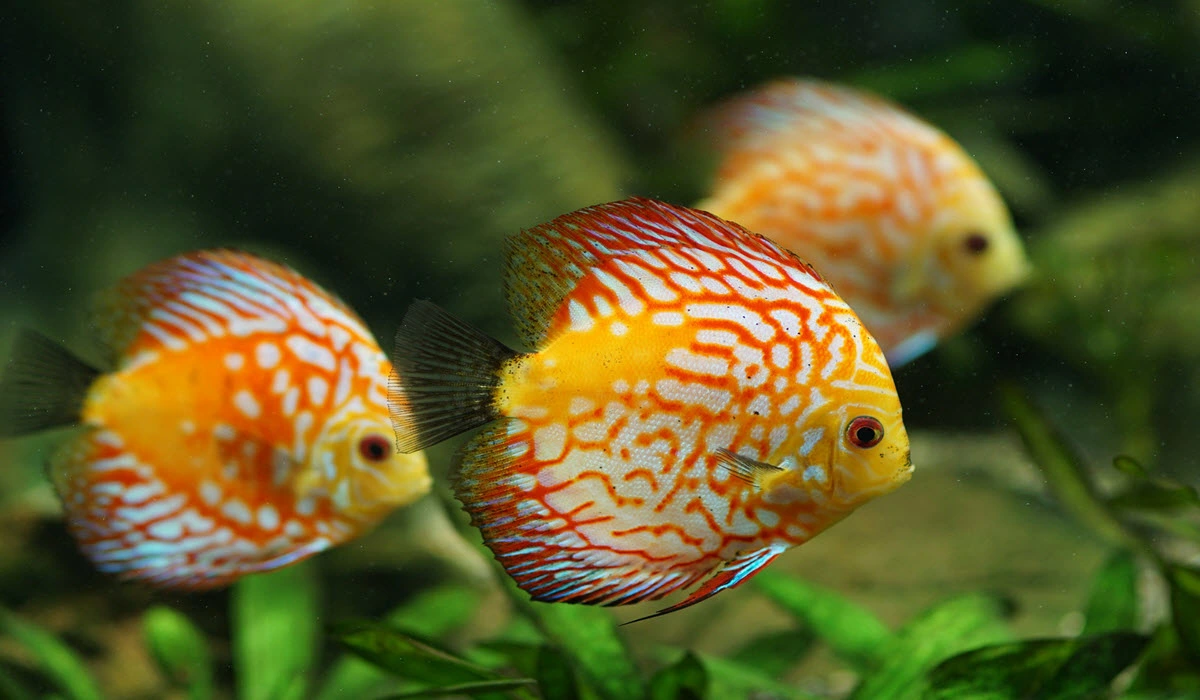
5. Discus Fish
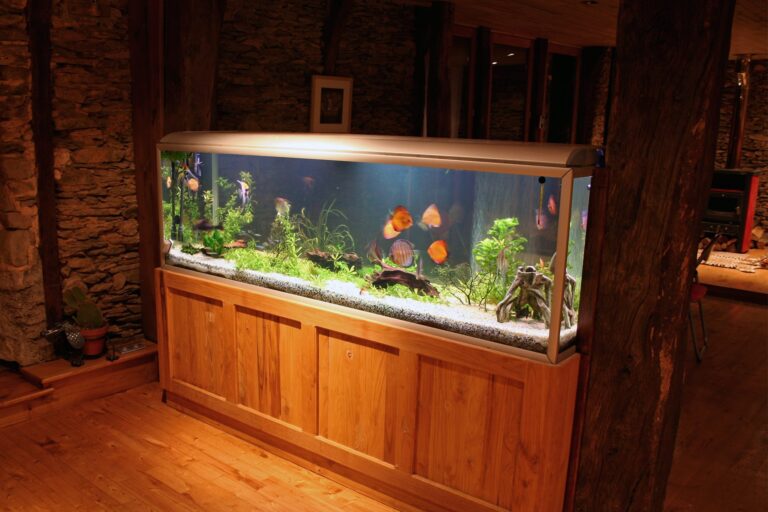
discus-fish
The Discus fish is a popular and highly sought-after species among aquarium enthusiasts. It is known for its round, disc-shaped body, and vibrant colors, which can range from shades of red, blue, green, and yellow. Discus fish are native to the Amazon Basin in South America and are known for their social behavior and calmful nature. They are often kept in groups of 6 or more and require a large tank with plenty of hiding places and plant cover.

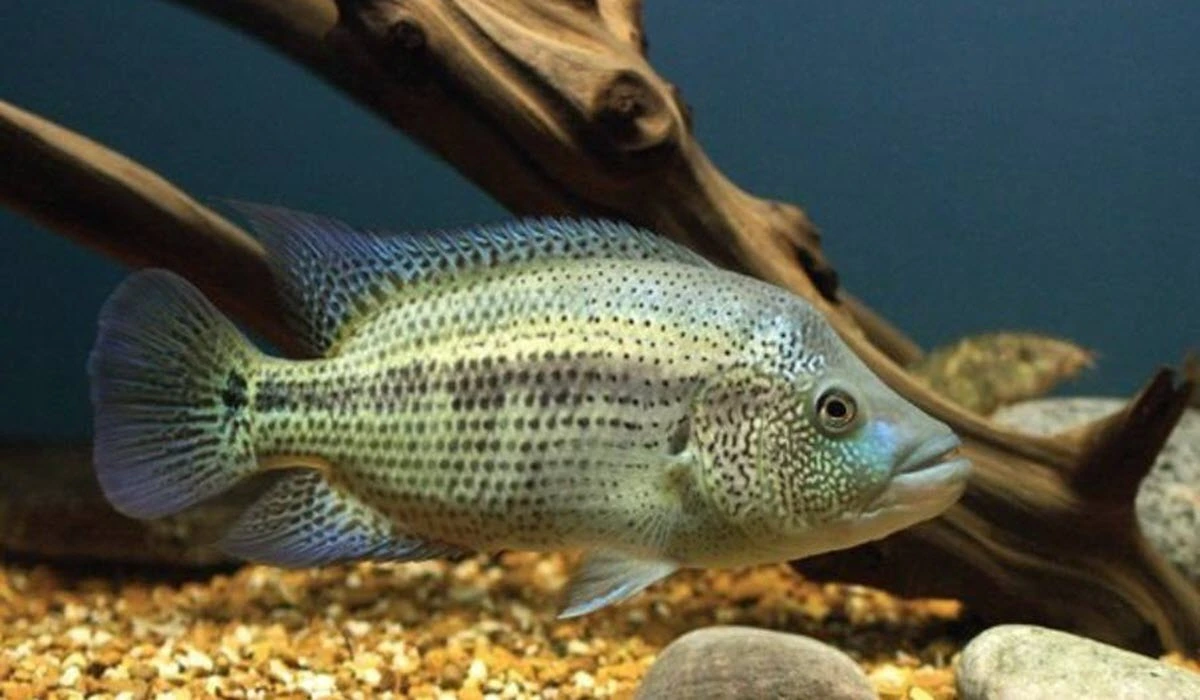
6. Wolf Cichlid Fish
wolf-cichlid
The Wolf Cichlid fish, also known as the Dovii Cichlid, is a large and aggressive freshwater species native to Central America. It is known for its impressive size, reaching up to 2 feet in length, and its bold and aggressive temperament.
aquarium filter

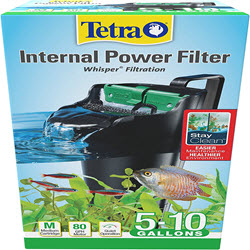
Internal Power Filter 5 To 10 Gallons

For the ultimate in convenience and quiet, choose a Whisper In-Tank Filter. These filters mount on the inside of the aquarium, rather than hanging from the outside making it possible to place the tank flush against a wall. In-Tank Filters are unusually quiet, since the motor is under the water.

 Buy Now

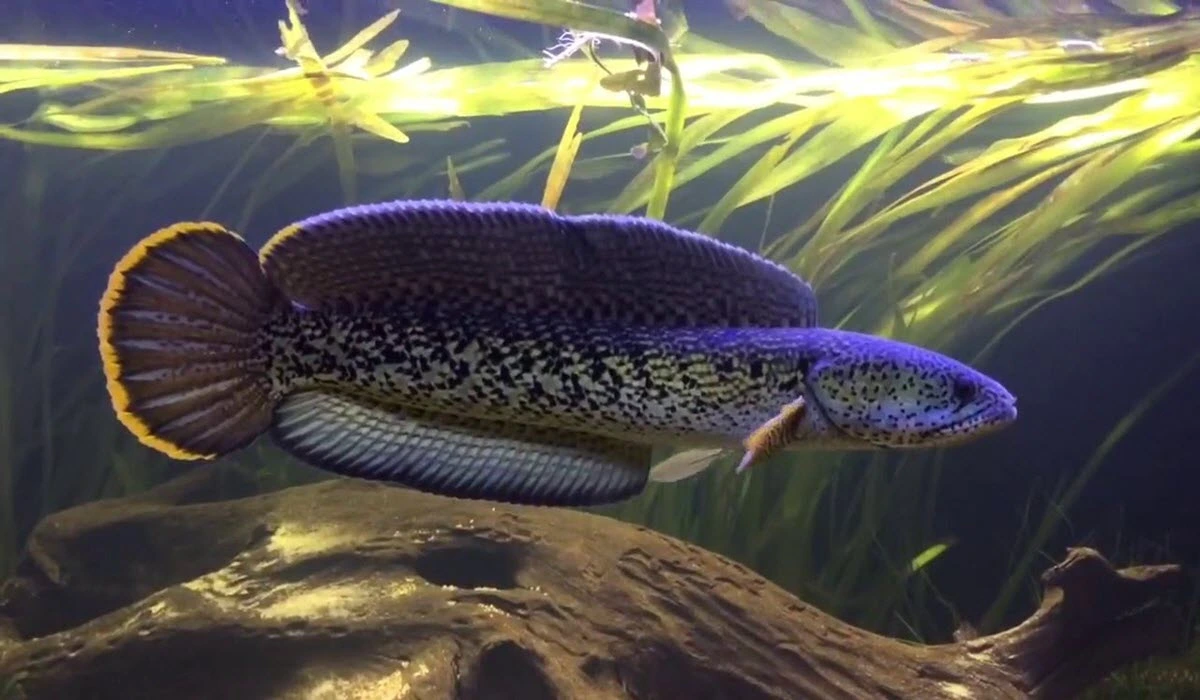
7. Blue Rainbow Snakehead Fish

Blue-Rainbow-Snakehead-Fish
Blue Rainbow Snakehead Fish require a large, well-filtered aquarium with plenty of swimming space and hiding places. They are carnivorous and require a diet of live or frozen foods such as shrimp, worms, and small fish. They may also accept pellets and flakes, but live or frozen foods are preferred.

Blue Rainbow Snakehead Fish are aggressive and should only be kept with other similarly sized and aggressive fish. They may also attack smaller fish that invade their territory. They are not suitable for community aquariums and are best kept in species-specific aquariums or with other large, aggressive fish.

8. Dwarf Puffer Fish
Dwarf-Puffer-Fish
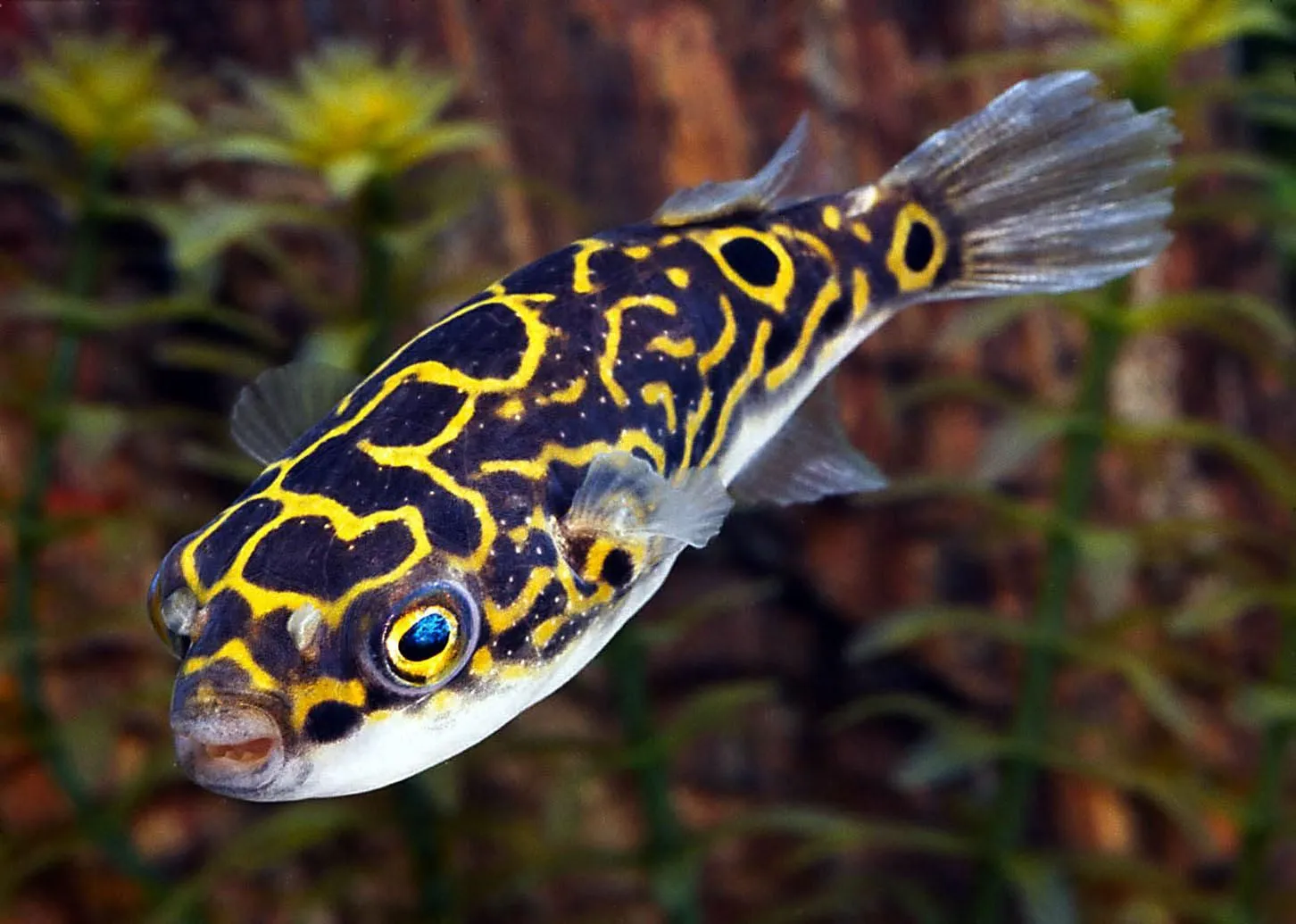
The Dwarf Puffer Fish, also known as the Pea Puffer, is a small freshwater species native to South Asia. It is a popular and highly sought-after species among aquarium enthusiasts due to its unique appearance and curious nature.

Dwarf Puffer Fish are small in size, typically growing up to 1-2 inches in length, and require a small tank with plenty of hiding places and live plants. They are known for their ability to puff themselves up when threatened, which makes them a unique species to observe.

9. Zebra Plecos Fish
Zebra-Plecos-Fish
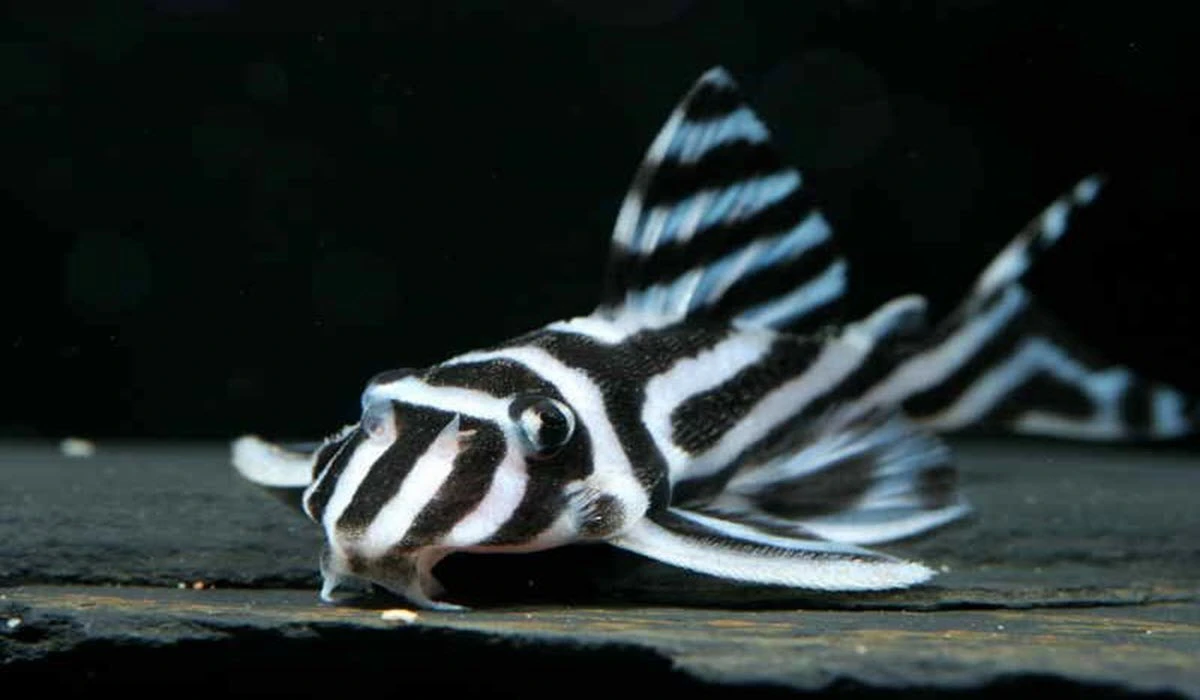
One of the unique features of Zebra Pleco fish is their diet, as they are primarily carnivorous and require a diet that is rich in protein. They can be like a type of live or frozen foods, such as bloodworms, Brine shrimp, and small snails.

10. Black Ghost Knife Fish
Black-Ghost-Knife-Fish
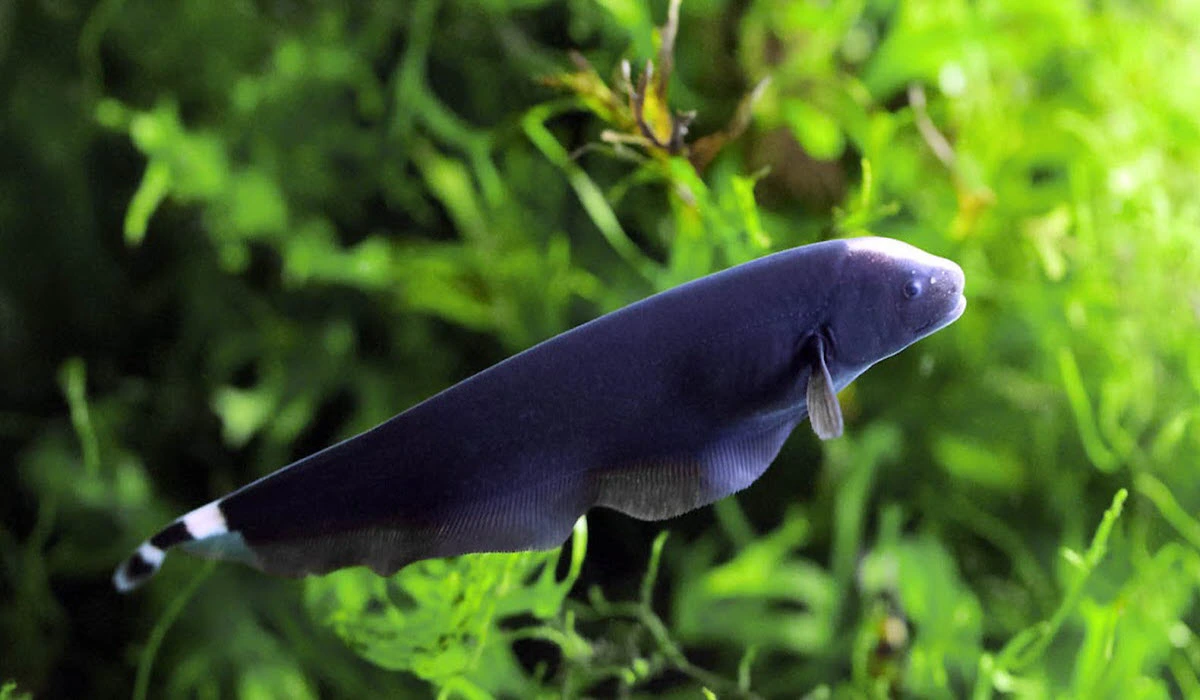
The Black Ghost Knife Fish is a unique and striking freshwater species. It is known for its long, narrow body shape and its distinctive black coloration, which can appear iridescent under proper lighting. Black Ghost Knife Fish are nocturnal and often hide during the day, so they need a tank with plenty of hiding places and a dimly lit environment. They can grow up to 20 inches in span and require a large aquarium with clean, well-oxygenated water.

11. Bubble Eye Gold Fish
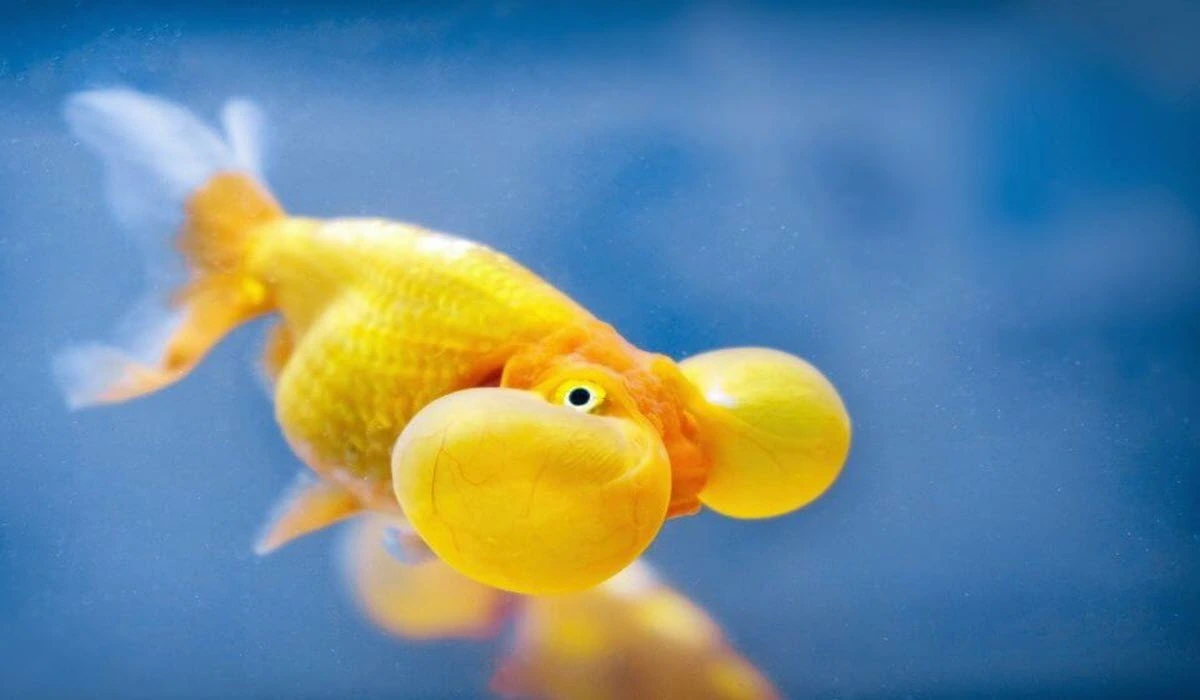
Bubble-Eye-Gold-Fish
The Bubble Eye Goldfish is a unique and captivating freshwater fish that is popular among aquarium enthusiasts. It is known for its distinctive appearance, characterized by two large, fluid-filled sacs on either side of its head that resemble bubbles.

Bubble Eye Goldfish are typically small, growing up to 6 inches in span, and require a tank with clean, well-oxygenated water and plenty of hiding places. They are peaceful and can be in a community tank with other non-aggressive species.

12. Red Parrot Fish
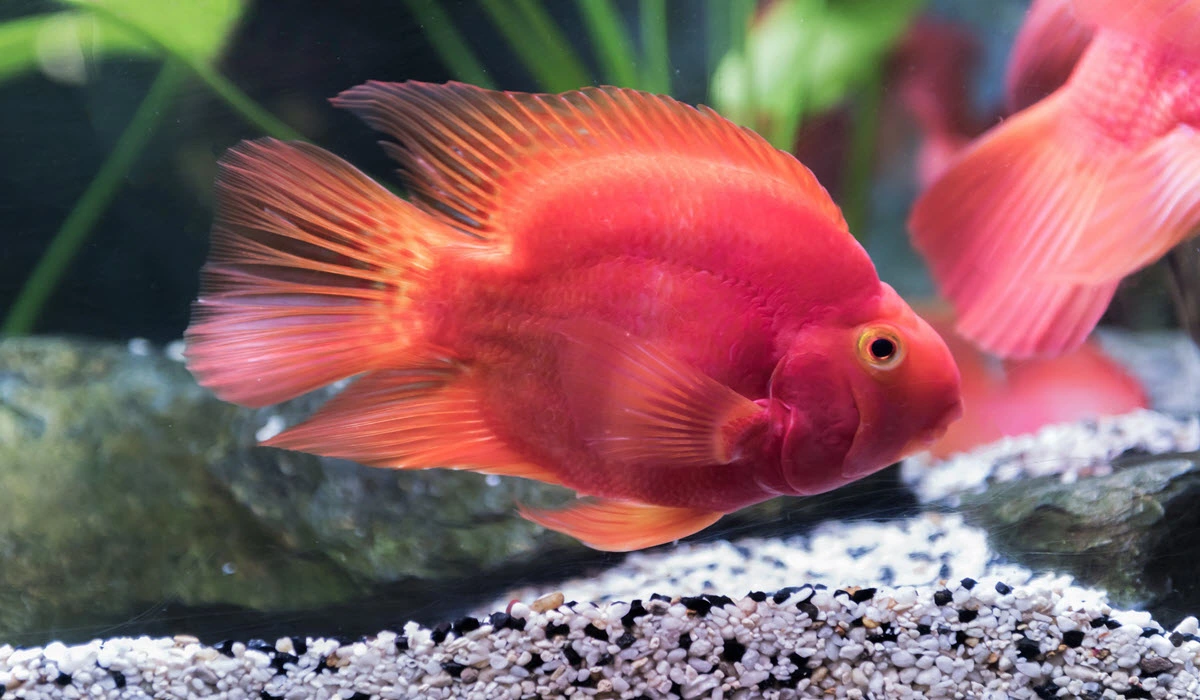
Red-Parrot-Fish
Red Parrot Fish require a tank with clean, well-oxygenated water and plenty of hiding places, as they can be somewhat skittish and prefer a peaceful environment. They are omnivorous and can be like a change of commercial flakes, pellets, and live or frozen foods, such as brine shrimp and bloodworms.

One of the unique features of Red Parrot Fish is their mouth, which is small and often deformed due to the hybridization process. It can make it difficult for them to eat certain foods and may require special attention to their diet.

13. Freshwater String Rays
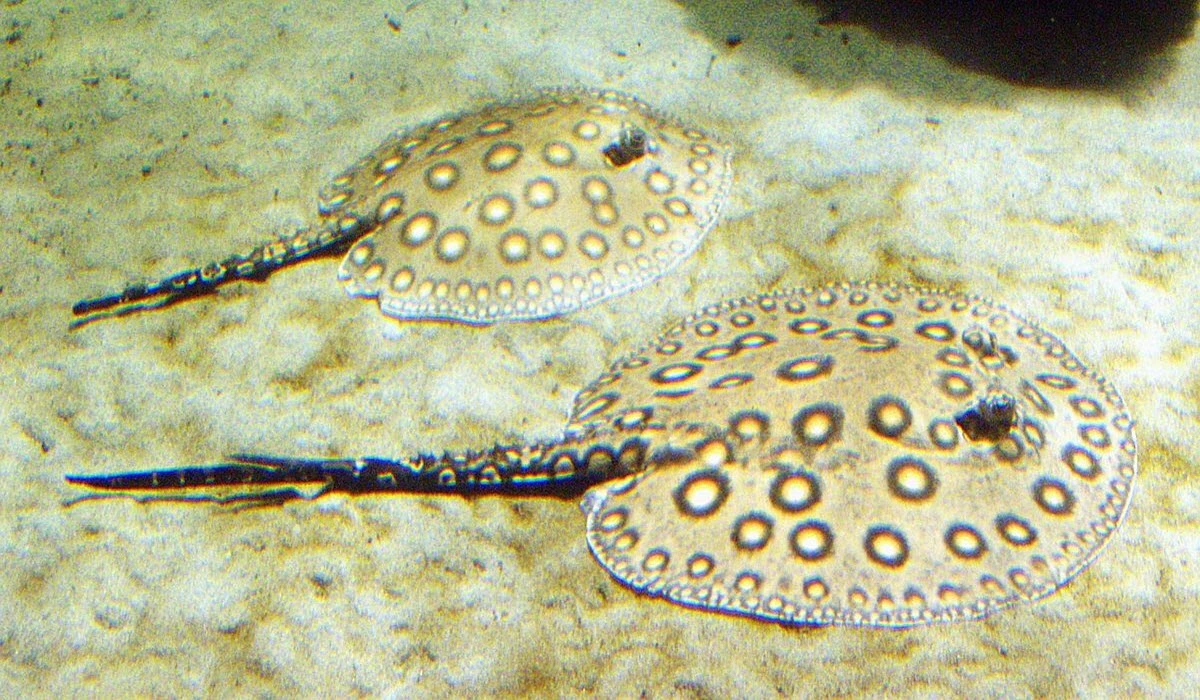
Freshwater-String-rays
Freshwater Stingrays are an exotic and fascinating species becoming increasingly popular among aquarium enthusiasts. They are known for their unique appearance, characterized by their flattened, disc-shaped body and long, whip-like tail with a venomous barbs.

14. Archer Fish
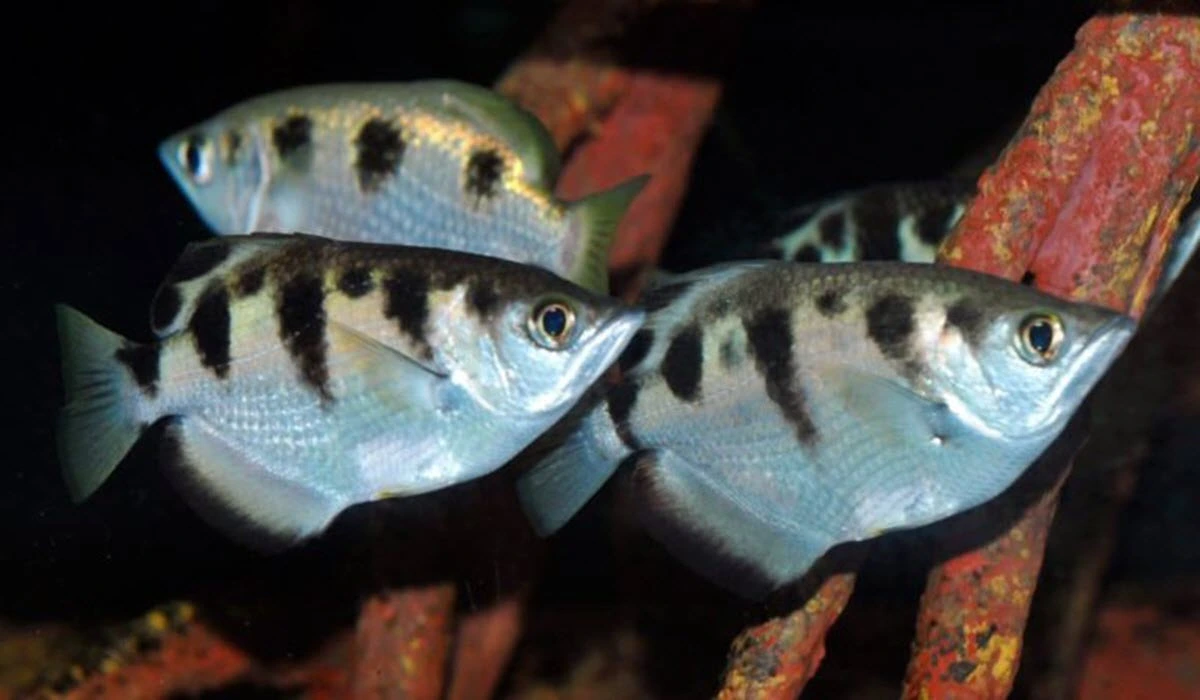
Archer-Fish
Archers fish are a unique and fascinating species of freshwater fish known for their ability to shoot down prey with a stream of water. They are native to Southeast Asia and Australia and are often found in brackish or freshwater environments with slow-moving or stagnant water.

Archers Fish have a specialized mouth that is designed to form a small, narrow channel for shooting water at their prey. They typically feed on insects, small crustaceans, and other small aquatic animals that are found near the surface of the water.

Monster Freshwater Aquarium Fish List

Monster freshwater aquarium fish refer to species of large fish that are commonly kept in home aquariums. These fish are known for their impressive size, unique appearance, and often aggressive behavior. Some popular examples of monster fish in freshwater include:

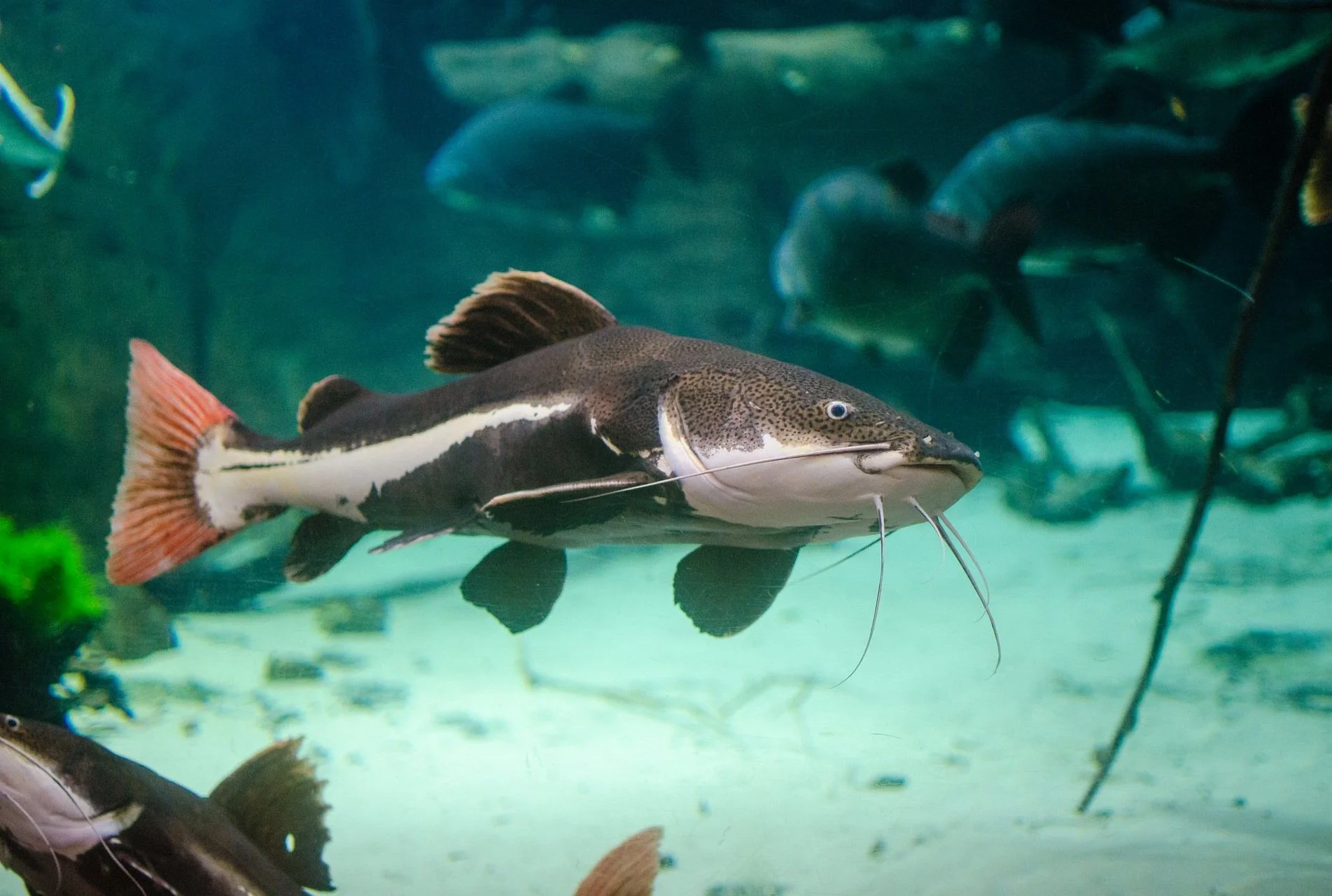
15. Redtail Catfish
Redtail-Catfish
Redtail Catfish require a large aquarium with plenty of space to swim and move around. They are carnivorous and require a diet of meaty foods such as fish, shrimp, and squid. It is essential to provide them with a varied diet to ensure they receive all the necessary nutrients.

Redtail Catfish can be aggressive towards others and may require a solitary life in the aquarium. They also needed a stable filtration system to maintain clean water and prevent harmful ammonia buildup.

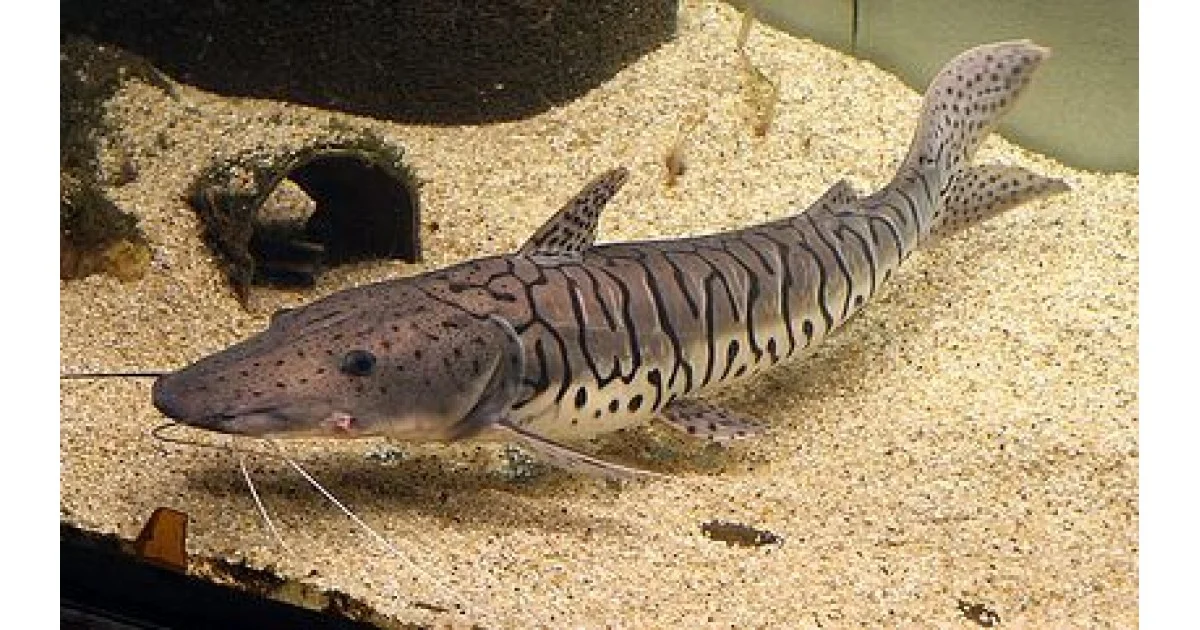
16. Tiger Shovelnose Catfish
Tiger-Shovelnose-Catfish
These catfish are highly prized by aquarium hobbyists due to their impressive size, striking appearance, and active nature. However, they are not recommended for beginner fishkeepers as they require a large aquarium (at least 250 gallons) with plenty of hiding places and strong filtration.

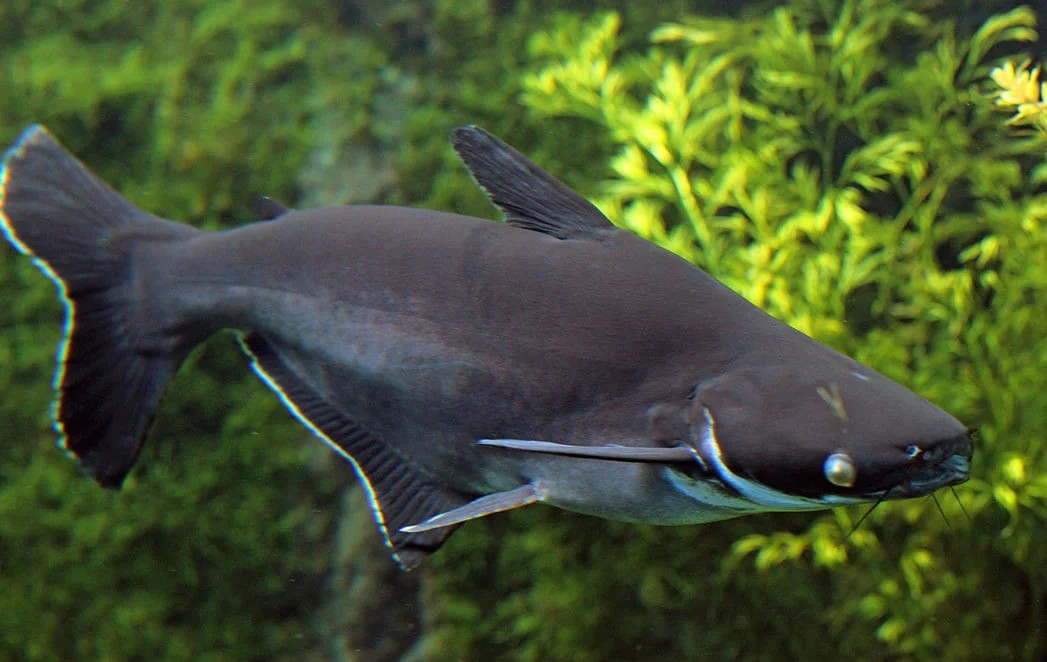
17. Iridescent Shark
Iridescent-Shark
Iridescent Sharks are known for their shiny, iridescent scales and their large size, which can reach up to 4 feet in length in the wild. In captivity, they require a large aquarium with plenty of space to swim and move around. They are omnivorous and require a diet of both plant and meaty foods, such as shrimp, and vegetables.

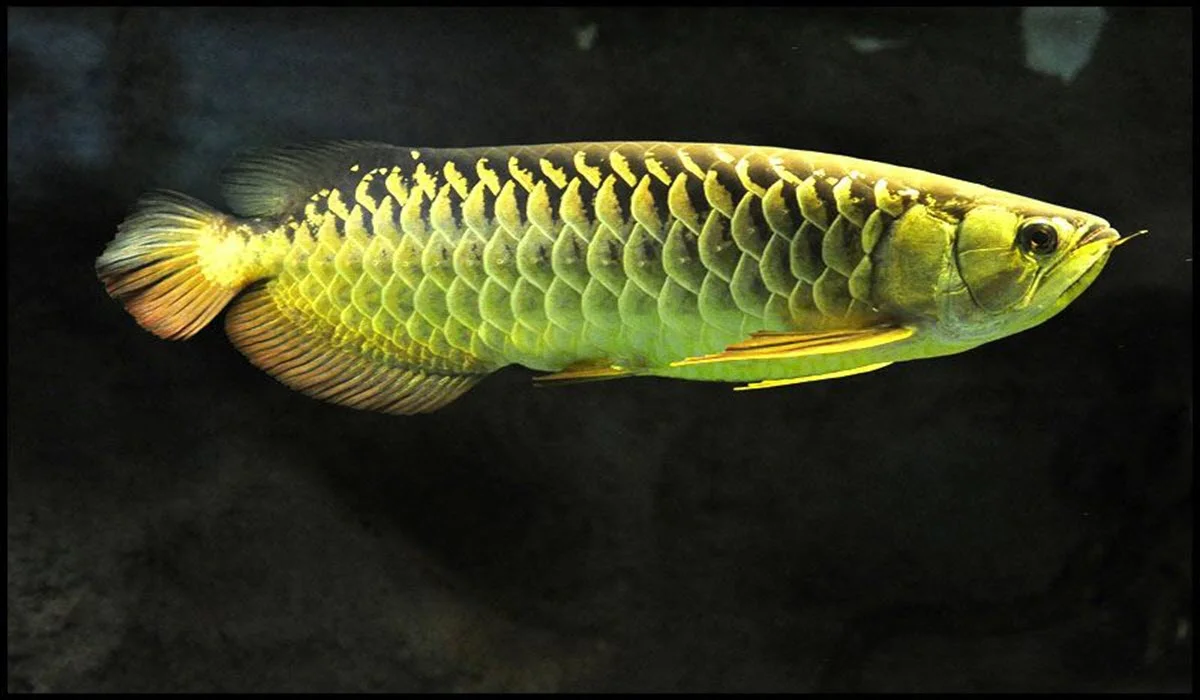
18. Arowana Fish
Arowana-Fish
The Arowana Fish, also known as the Dragon Fish, is a freshwater fish native to South America, Asia, and Australia. They are known for their long, sleek body and it is an impressivesize, which can reach up to 3 feet in length in the wild.

In captivity, Arowana Fish require a large aquarium with plenty of space to swim and move around. They are carnivorous and require a diet of meaty foods such as small fish, shrimp, and insects. It is essential to provide them with a varied diet to ensure that they receive all the necessary nutrients.

19. Clown Knifefish
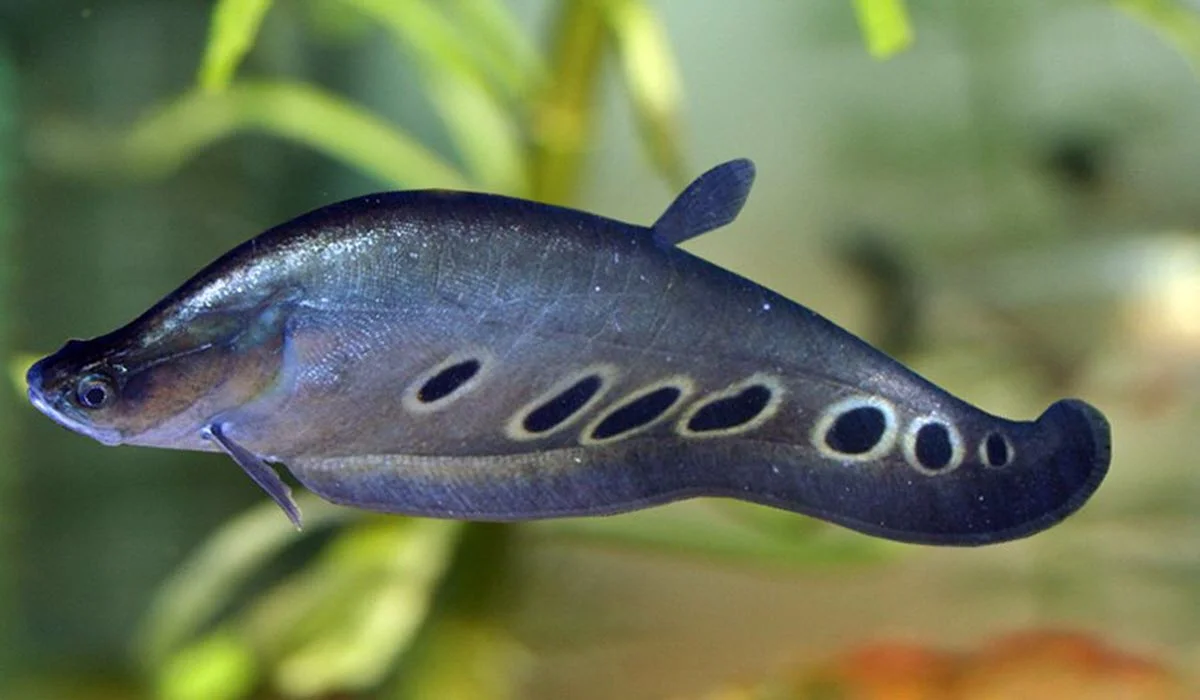
Clown-Knifefish
Clown Knifefish are nocturnal and prefer to be active during the night. They are peaceful one and can be kept in groups in the aquarium. However, they may become aggressive towards others if they feel threatened or if they are not provided with enough space to swim.

Due to their large size and specific care requirements, Clown Knifefish are not recommended for novice aquarists or those with limited space. They require a dedicated and experienced owner who can provide them with the proper care and attention they need to thrive in captivity.

20. Black Pacu Fish
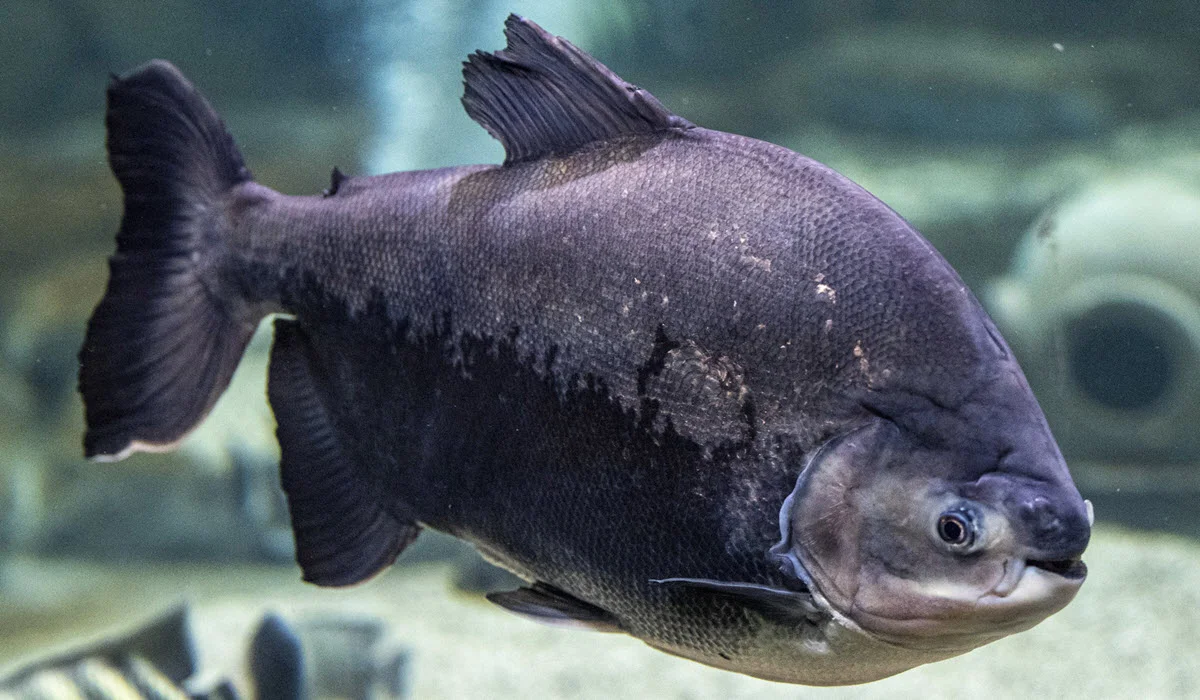
Black-Pacu-Fish
Black Pacu requires a large aquarium with plenty of space to swim and move around. They are omnivorous and require a diet of both plant and animal-based foods, including vegetables, fruits, and insects. It is important to provide them with a varied diet to ensure that they receive all the necessary nutrients.

Black Pacu are peaceful fish and can be kept in groups in the aquarium. However, they may become aggressive towards other fish if they feel threatened or if they are not provided with enough space to swim.

21. Giant Gourami Fish
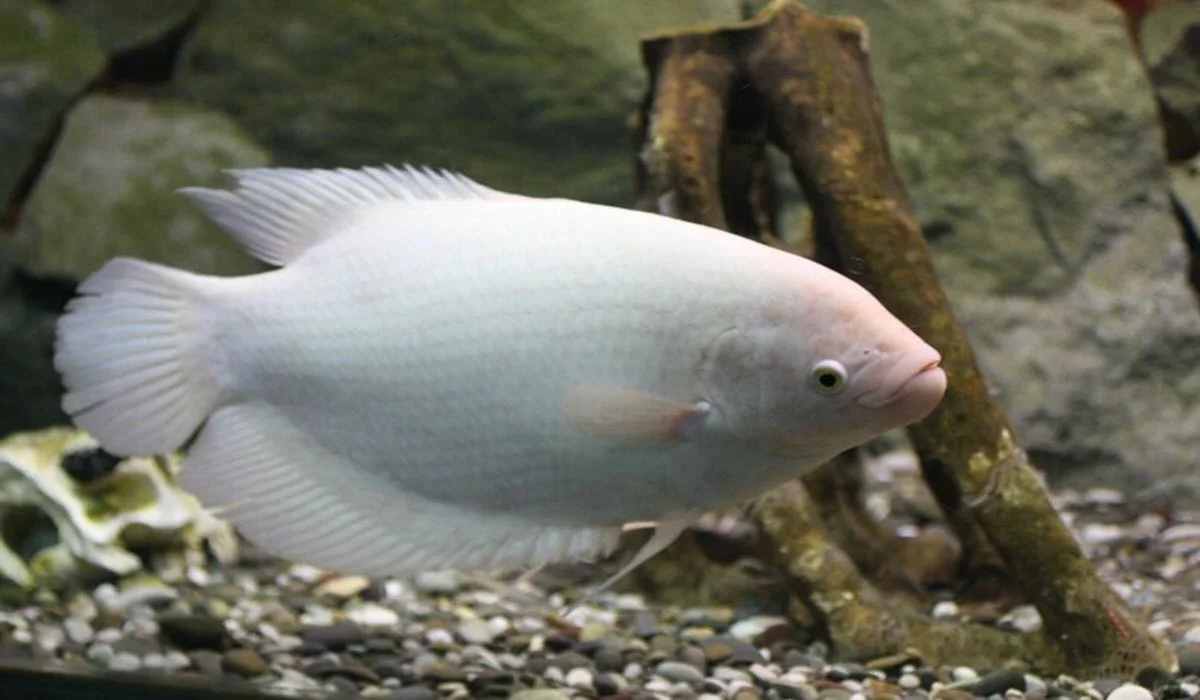
Giant-gournami-fish
Giant Gourami is peaceful fish and can be kept in groups in the aquarium. However, they may become territorial towards other fish if they feel threatened or if they are not provided with enough space to swim. They are also known to be very intelligent and can recognize their owners and respond to commands.

22. Oscar Fish
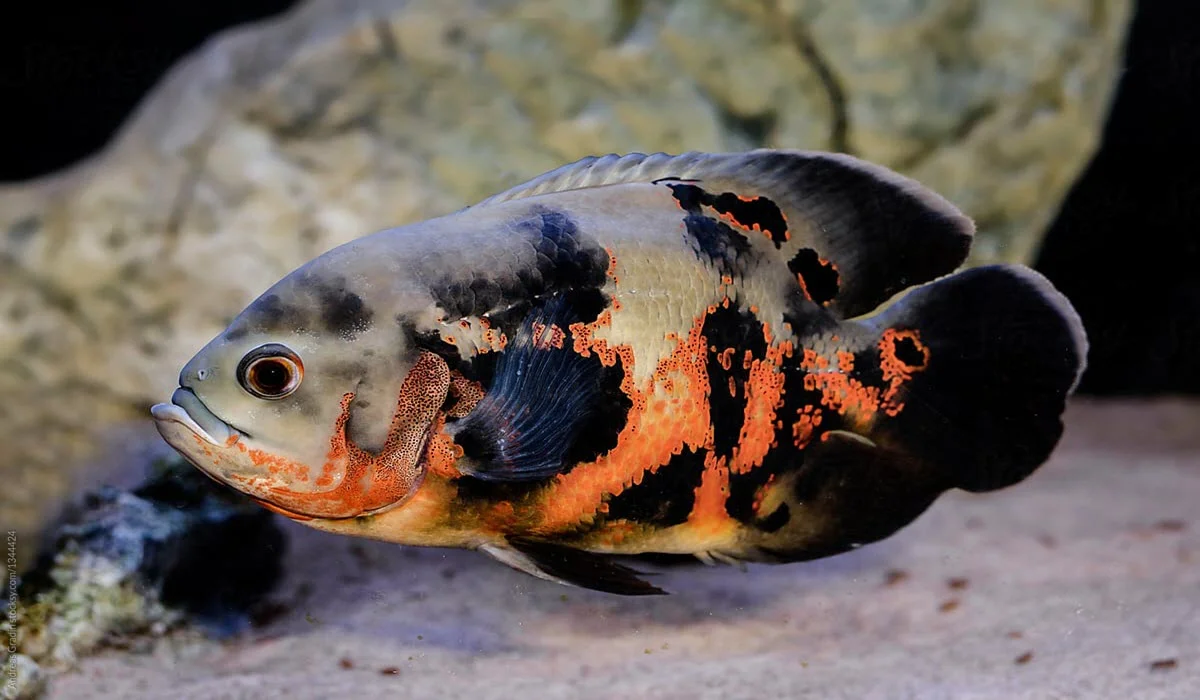
oscar-fish
The Oscar Fish, also known as the Velvet Cichlid, is a freshwater fish native to South America. They are popular in the aquarium hobby due to their unique appearance, with a large, oval-shaped body and vibrant colors ranging from orange, yellow, and red to black.

In captivity, Oscar Fish require a large aquarium with plenty of space to swim and move around. They are carnivorous and require a diet of high-quality pellets, live or frozen foods such as shrimp or worms, and occasional treats such as small pieces of meat or vegetables.

23. Piranha Fish
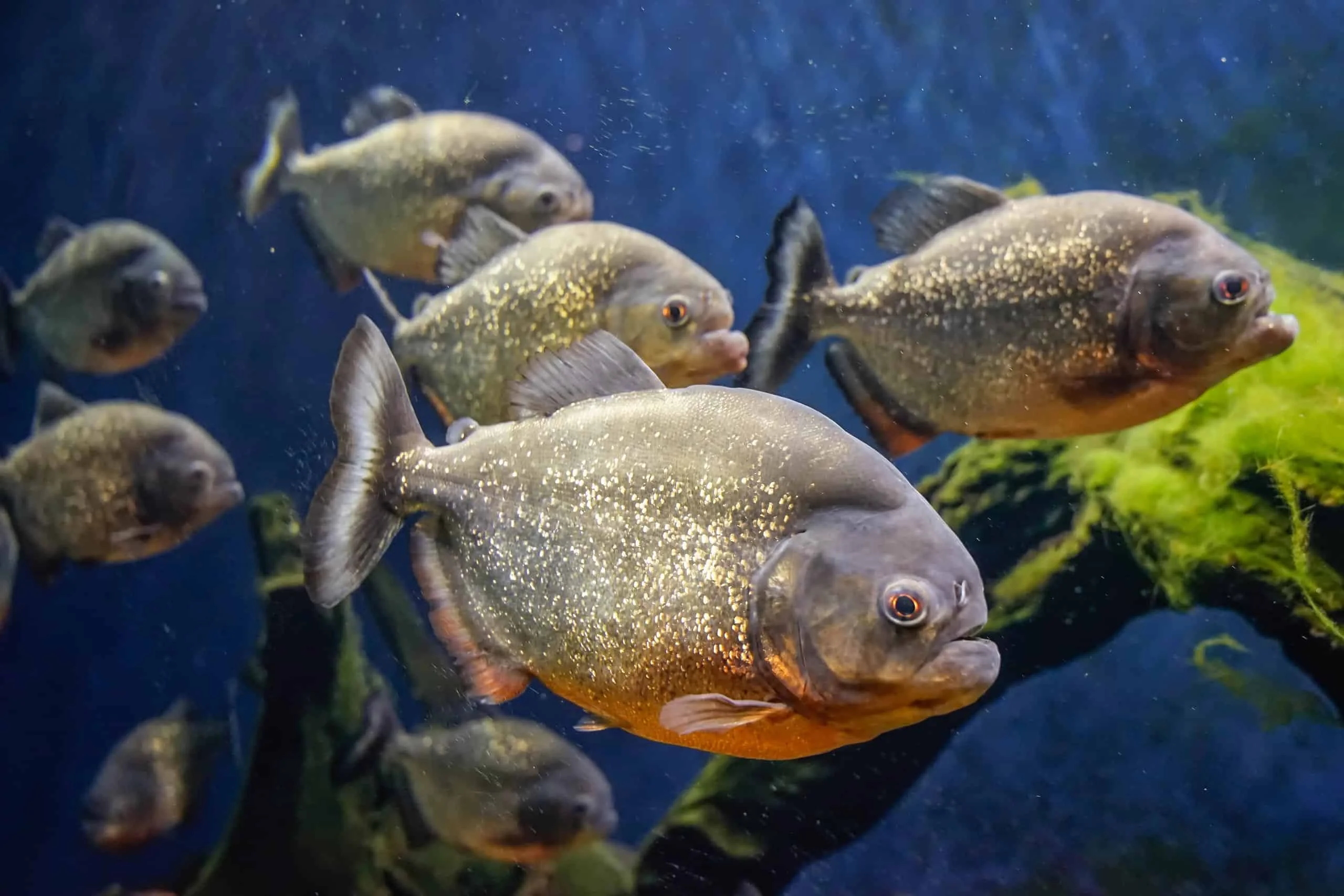
Piranha-Fish
Piranhas are known for their aggressive behavior towards others in the aquarium. Therefore, they are best kept alone or with other Piranhas of the same species in a large aquarium with plenty of hiding places. It is important to note that Piranhas can inflict serious injuries with their sharp teeth, so handling them should be done with extreme care.

24. Goliath Tiger Fish
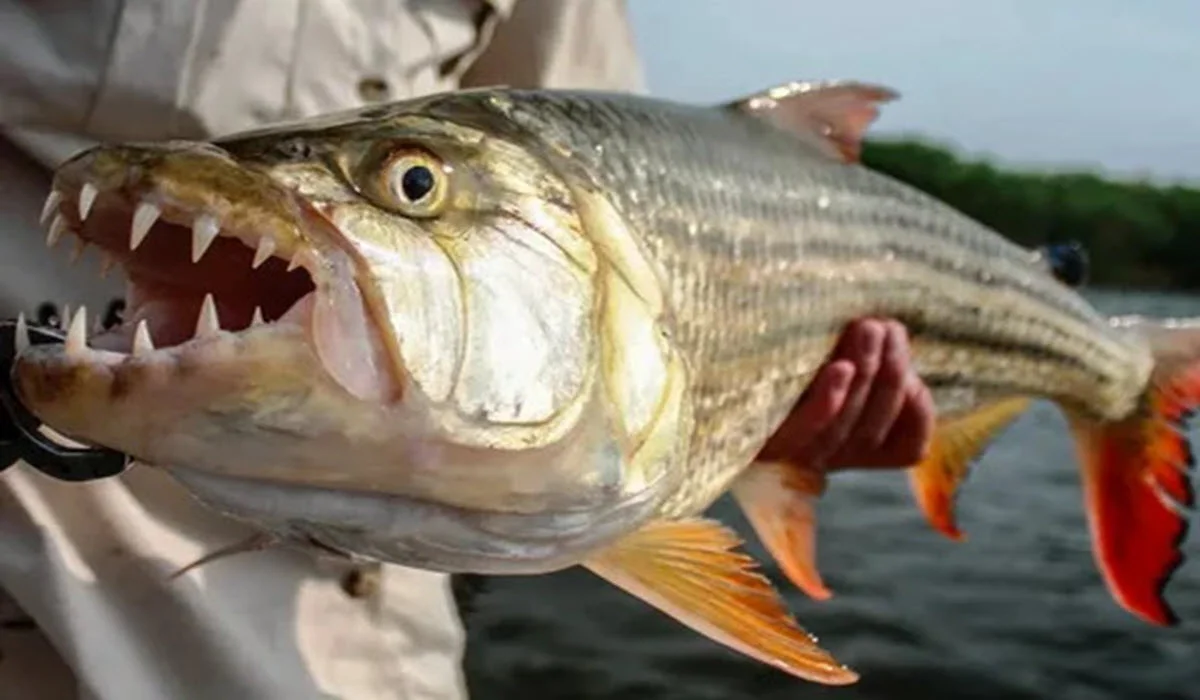
goliath-tiger
The Goliath Tiger Fish, also known as the Giant Tigerfish, is a large freshwater fish native to African rivers such as the Congo and Zambezi. They are known for their impressive size, predatory behavior, and sharp teeth.

In the aquarium hobby, Goliath Tiger Fish are highly sought after due to their unique appearance and reputation as fierce predators. However, they are not recommended for most aquarium hobbyists, as they require a very large aquarium with plenty of space to swim and move around.

Aggressive Freshwater Aquarium Fish List

Aggressive freshwater aquarium fish are species known for their territorial behavior, aggressive tendencies towards other fish, and their potential to harm or even kill other fish in the aquarium. These fish require careful consideration before being added to an aquarium and are typically recommended for experienced aquarists.

25. Tiger Barb
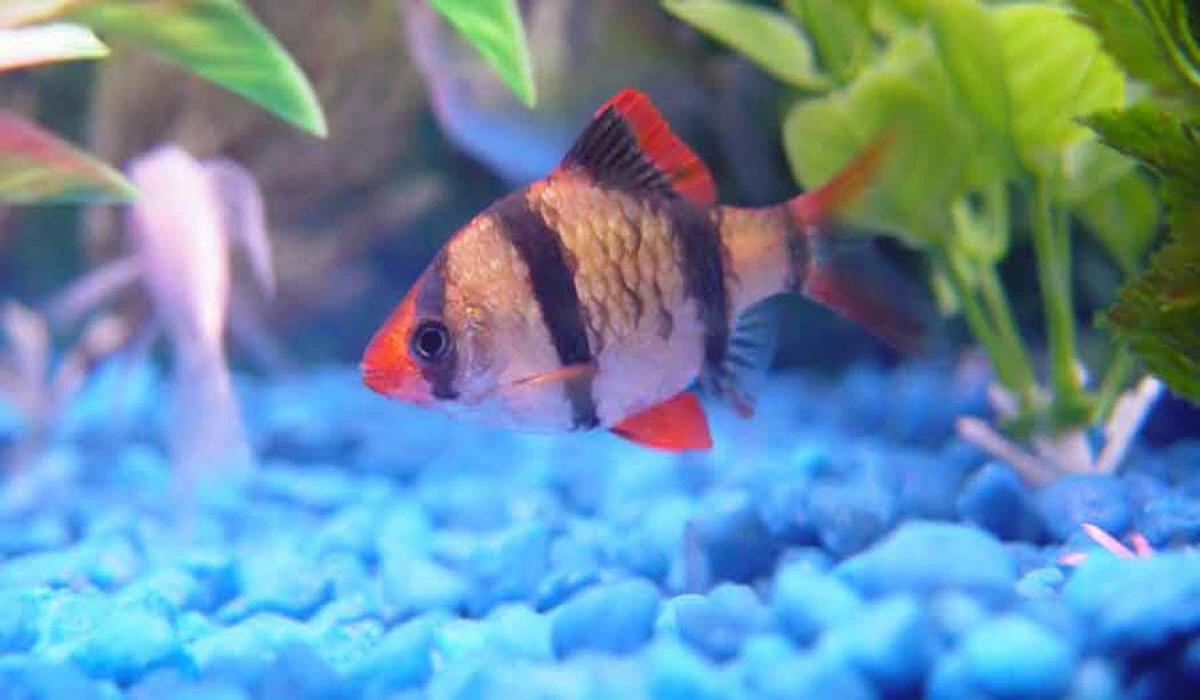
Tiger-Barb
Tiger Barbs require a well-filtered aquarium with plenty of swimming space and hiding places. They are omnivores and require a varied diet of high-quality flakes, pellets, and live or frozen foods such as brine shrimp or bloodworms.

Tiger Barbs are known for their sometimes aggressive behavior toward other fish in the aquarium, particularly those with long fins or slow-moving fish. They are best kept with other active, similar-sized fish in a school, and should not be kept with long-finned or slow-moving species.

26. Red Tail Shark Fish
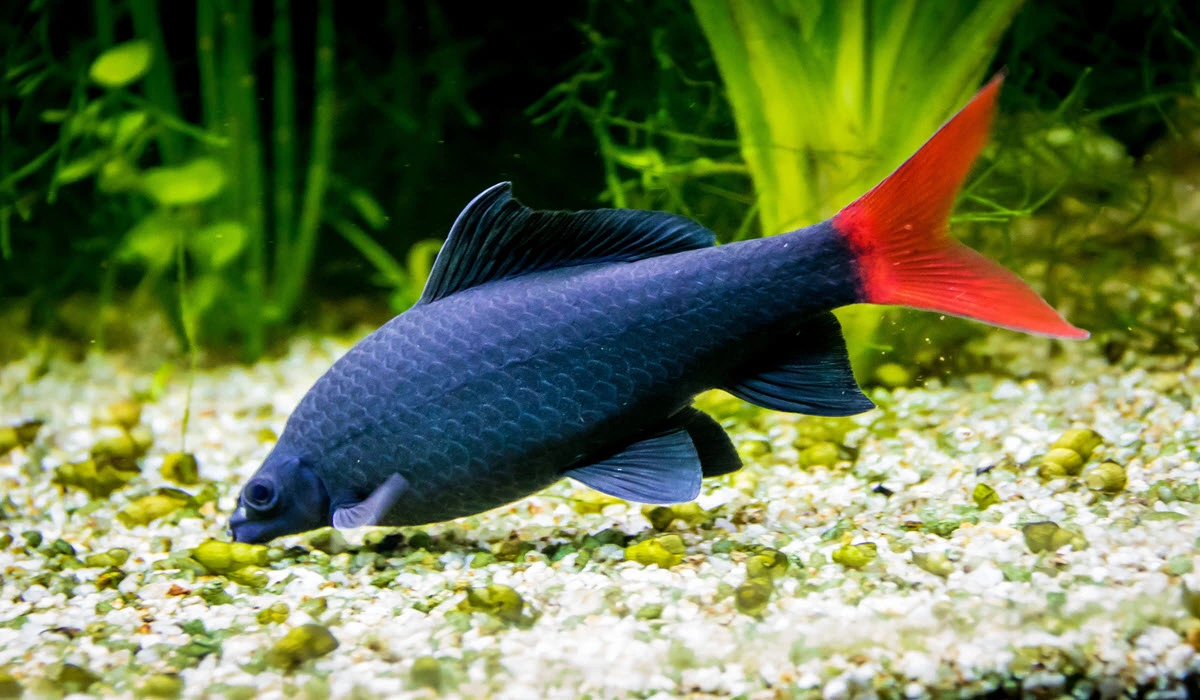
Red-Tail-Shark-Fish
Redtail Sharks are known for their territorial behavior and can be aggressive towards other fish in the aquarium, particularly those with similar coloration or body shape. They are best kept in a species-only tank or with other fast-swimming, similarly-sized fish.

27. Bucktooth Tetra Fish
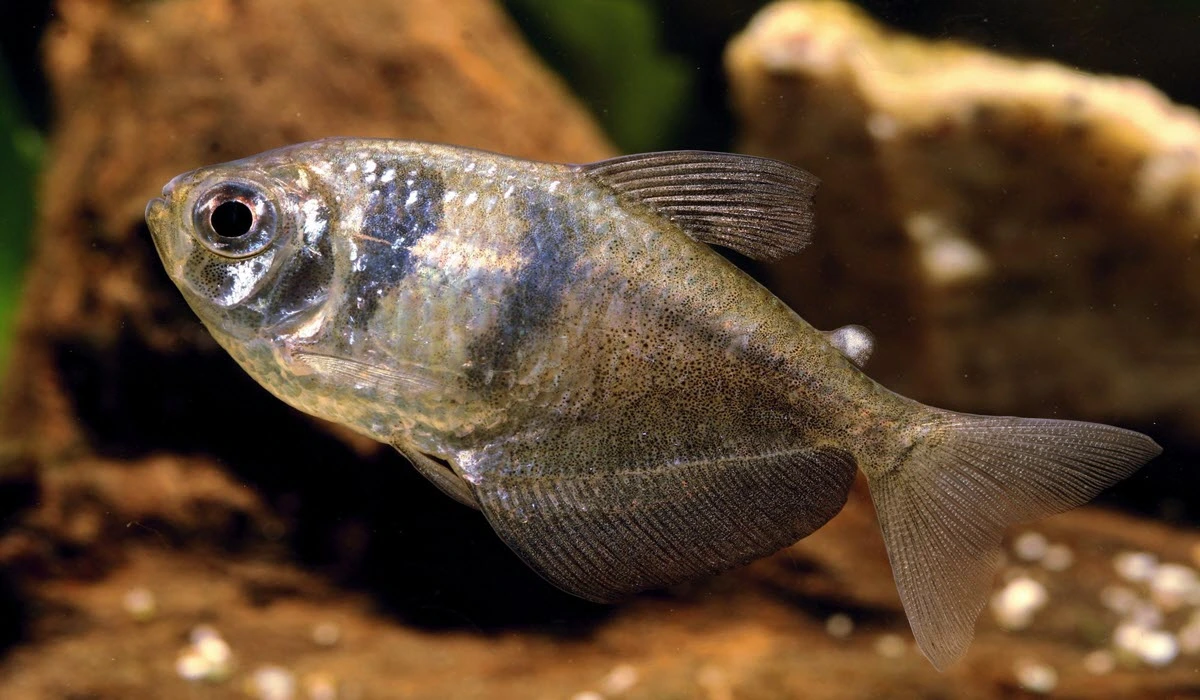
Bucktooth-Tetra-Fish
Bucktooth Tetras are a fascinating and unique addition to many aquariums. They require careful consideration before being added to an aquarium and are best suited for experienced aquarists who are prepared to provide the proper care and attention required for these challenging and often aggressive species.

28. African Knife Fish
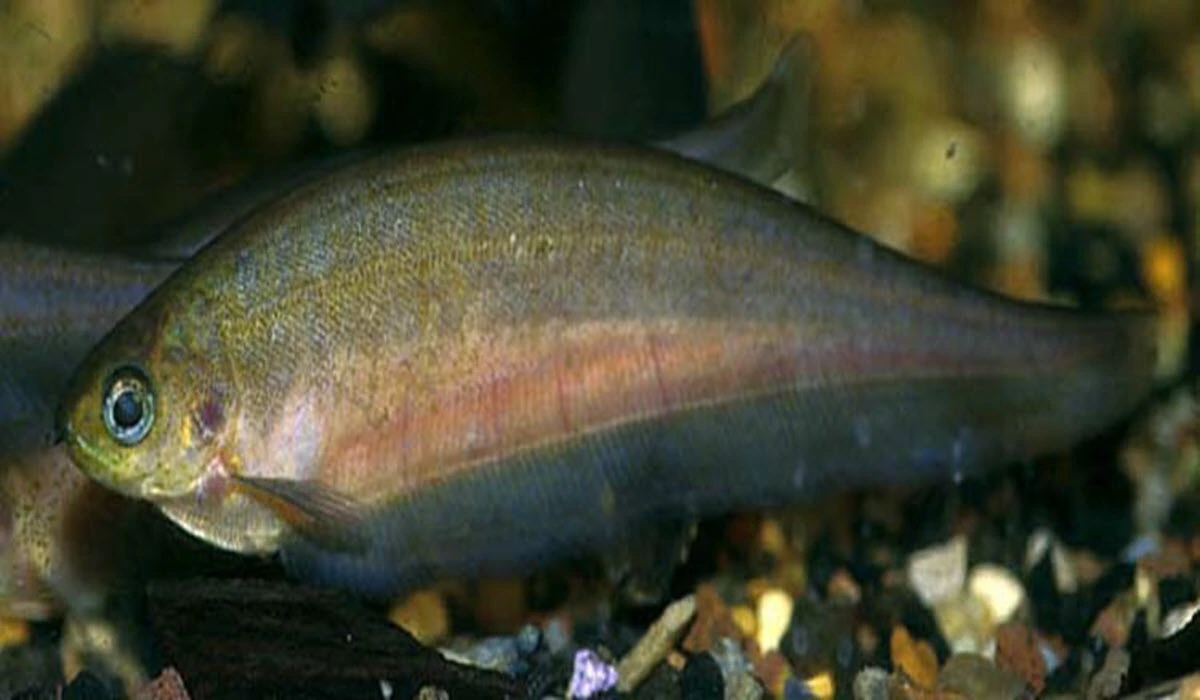
African-Knife-Fish
African Knife Fish are nocturnal and prefer to be kept in a dimly lit aquarium. They are known for their peaceful and solitary nature and can be kept with other similarly sized and peaceful fish. However, they are also known for their predatory behavior and can be aggressive toward smaller fish.

29. Flowerhorn Cichlid Fish
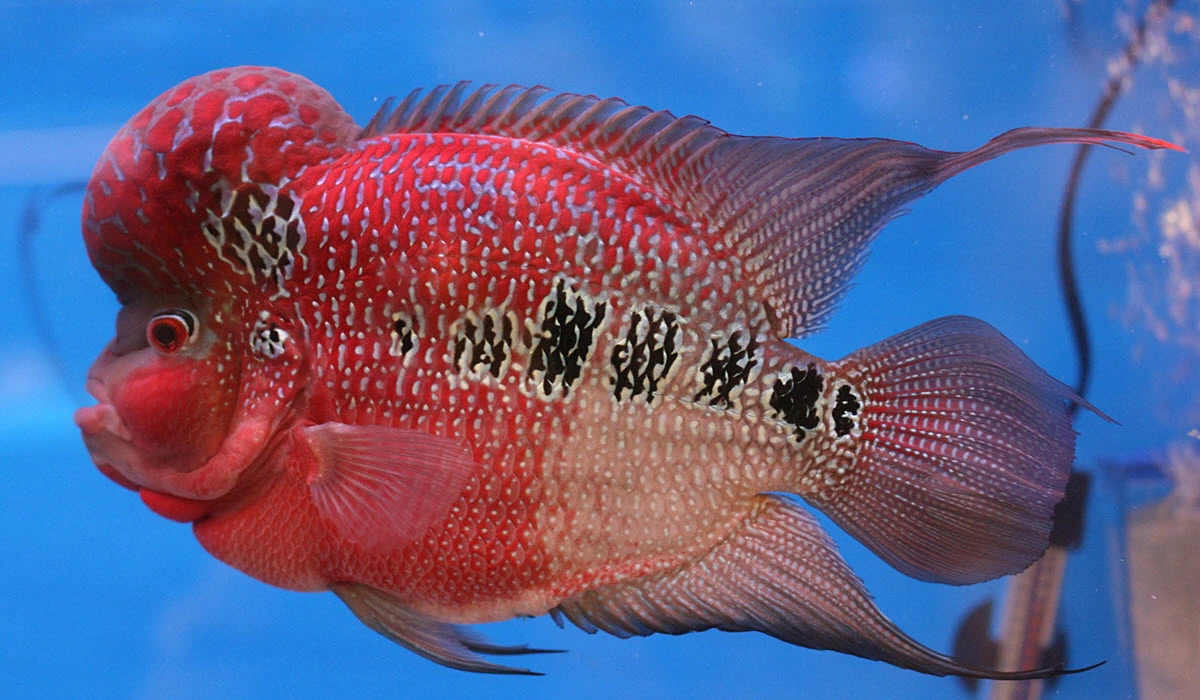
Flowerhorn-Cichlid-Fish
One of the unique features of Flowerhorn Cichlid fish is their responsiveness to human interaction, as they can be trained to recognize their owners and may even perform tricks. They are also known for their hardiness and adaptability, making them a popular choice for beginner and experienced aquarium enthusiasts alike.

30. Jaguar Cichlid Fish
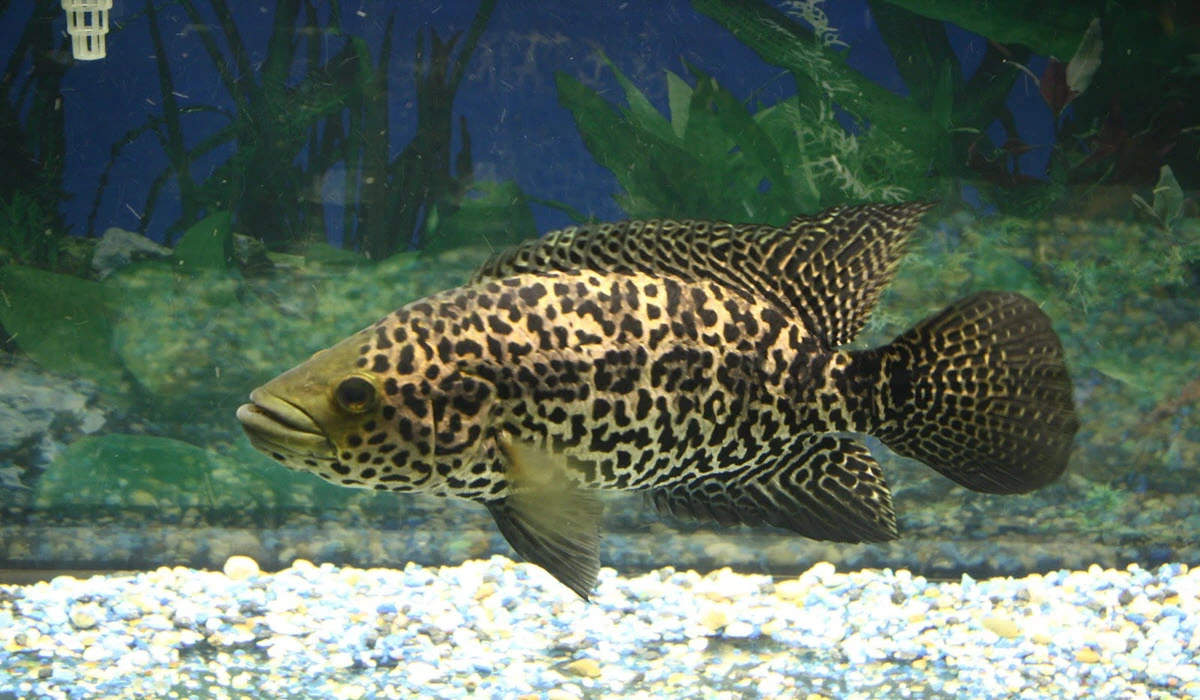
Jaguar-Cichlid-Fish
Jaguar Cichlids are a popular and impressive addition to many aquariums. They are relatively easy to care for but require careful consideration before being added to an aquarium due to their aggressive nature. They are best suited for experienced aquarists who are prepared to provide the proper care and attention required for these challenging and often aggressive species.

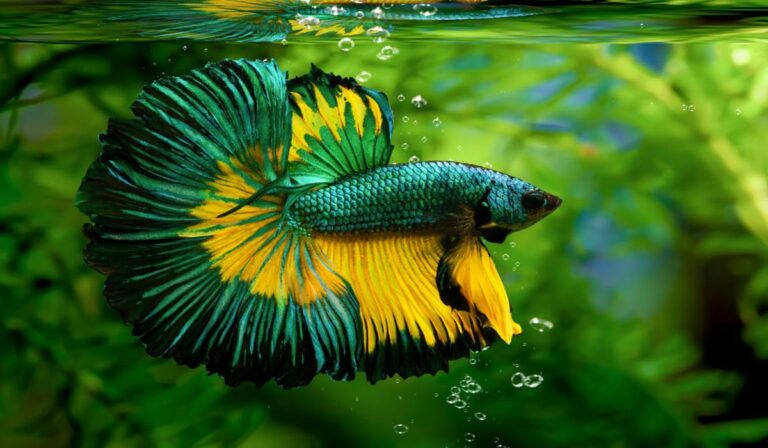
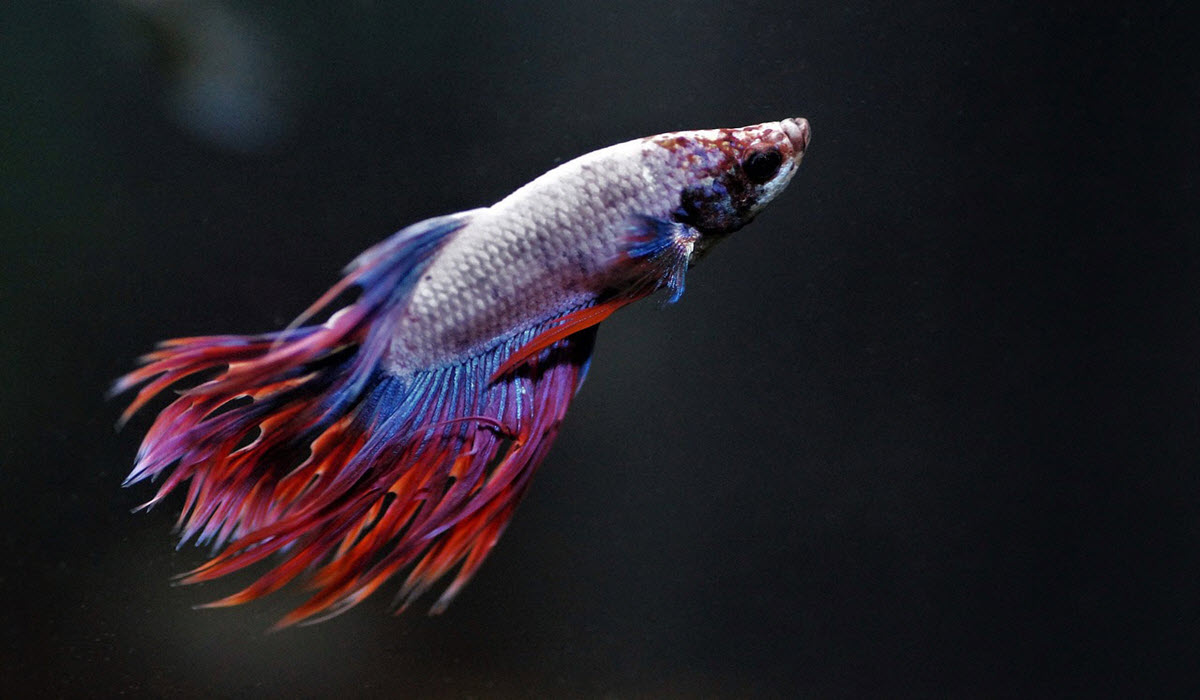
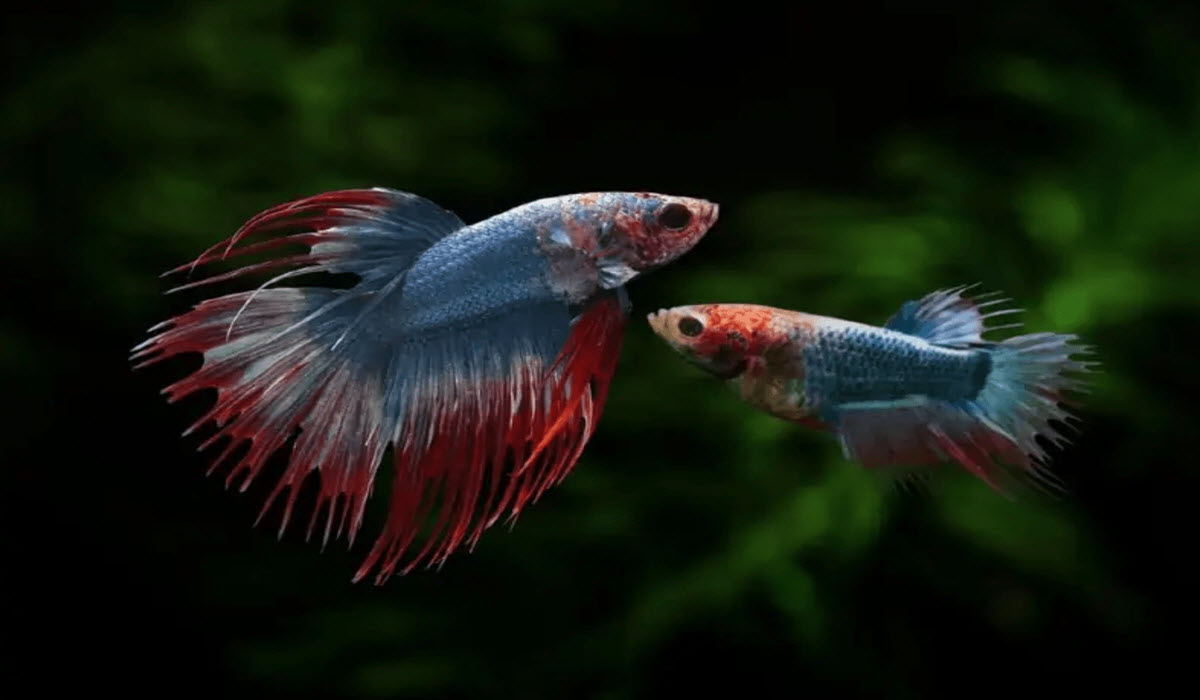
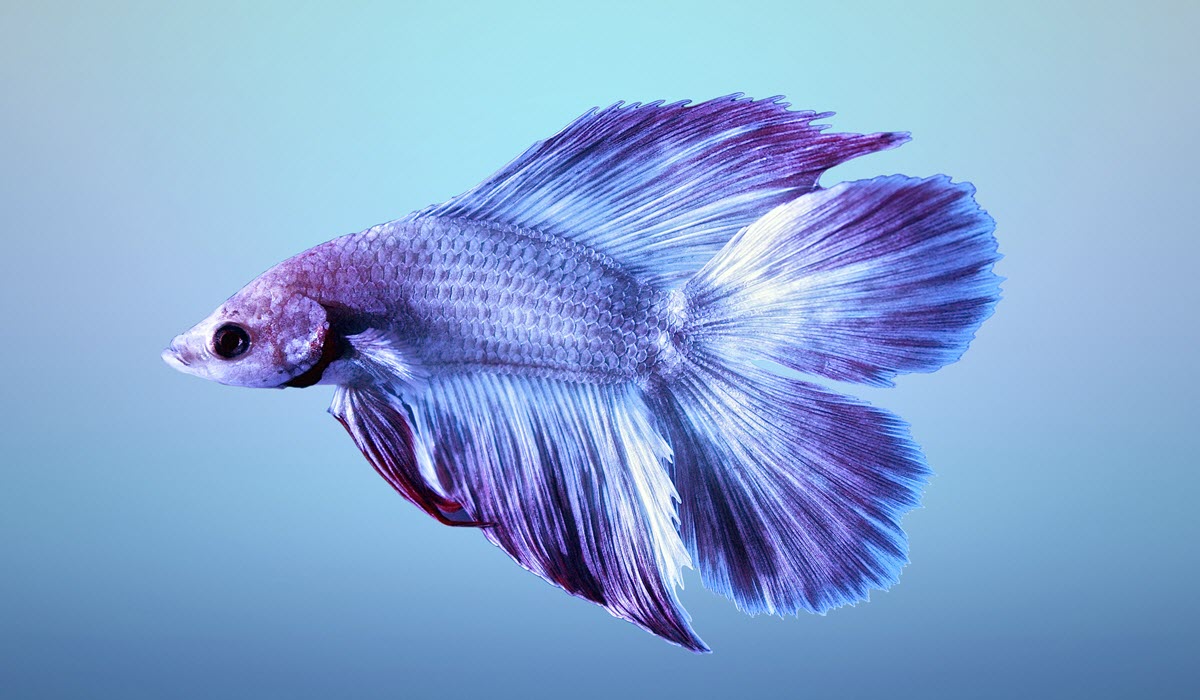
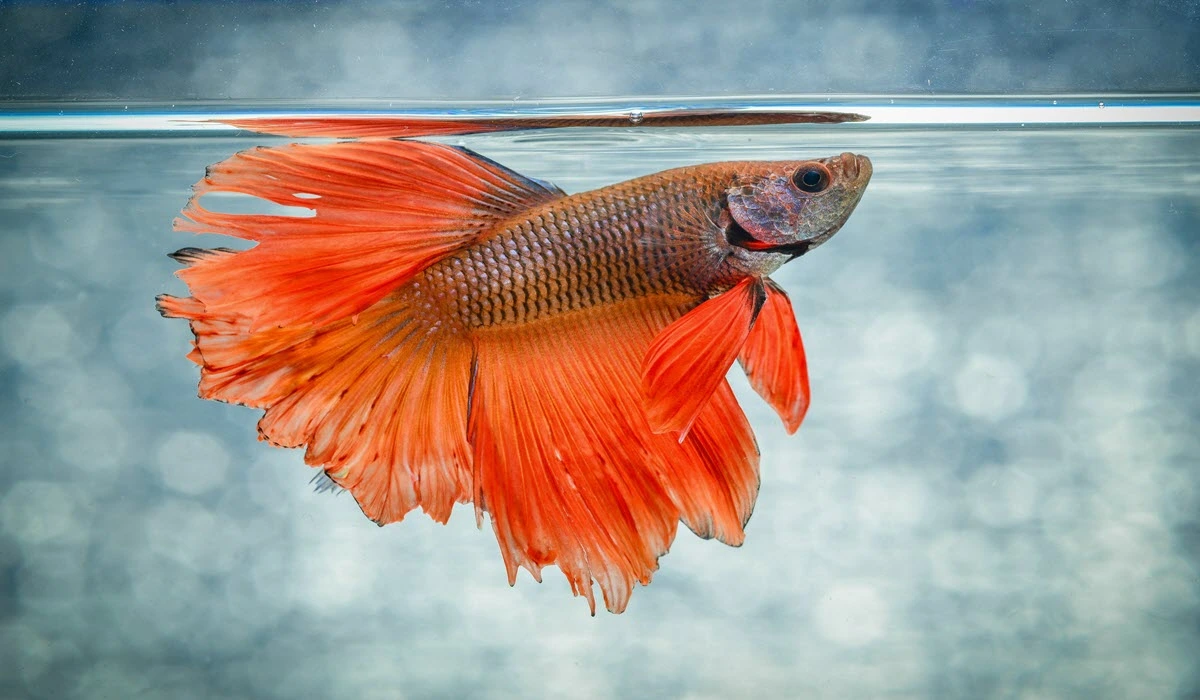
31. Betta Fish
Betta-Fish
Betta Fish are relatively easy to care for and are ideal for small aquariums, making them a popular choice for beginners and experienced fish keepers alike.

Bettas are Best Pet Fish. They prefer warm water temperatures ranging from 75-82°F and require a minimum tank size of 2.5 gallons. Bettas are carnivorous and require a varied diet of high-quality flakes, pellets, and live or frozen foods such as brine shrimp, bloodworms, and daphnia.

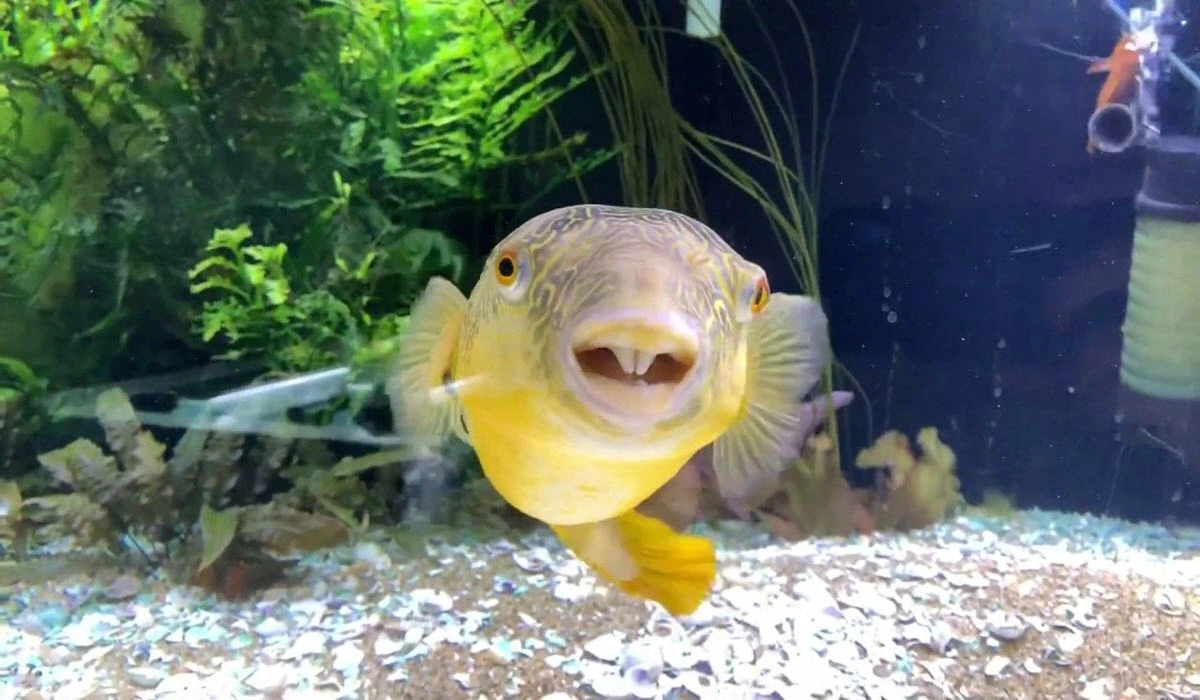
32. Puffer Fish Variety
Puffer-fish
Pufferfish can make fascinating and entertaining aquarium pets, they require specialized care and should only be kept by experienced fish keepers. Pufferfish can be aggressive towards other fish and should be housed alone or with other non-aggressive species. They also require a well-maintained aquarium with excellent filtration and water quality to thrive.

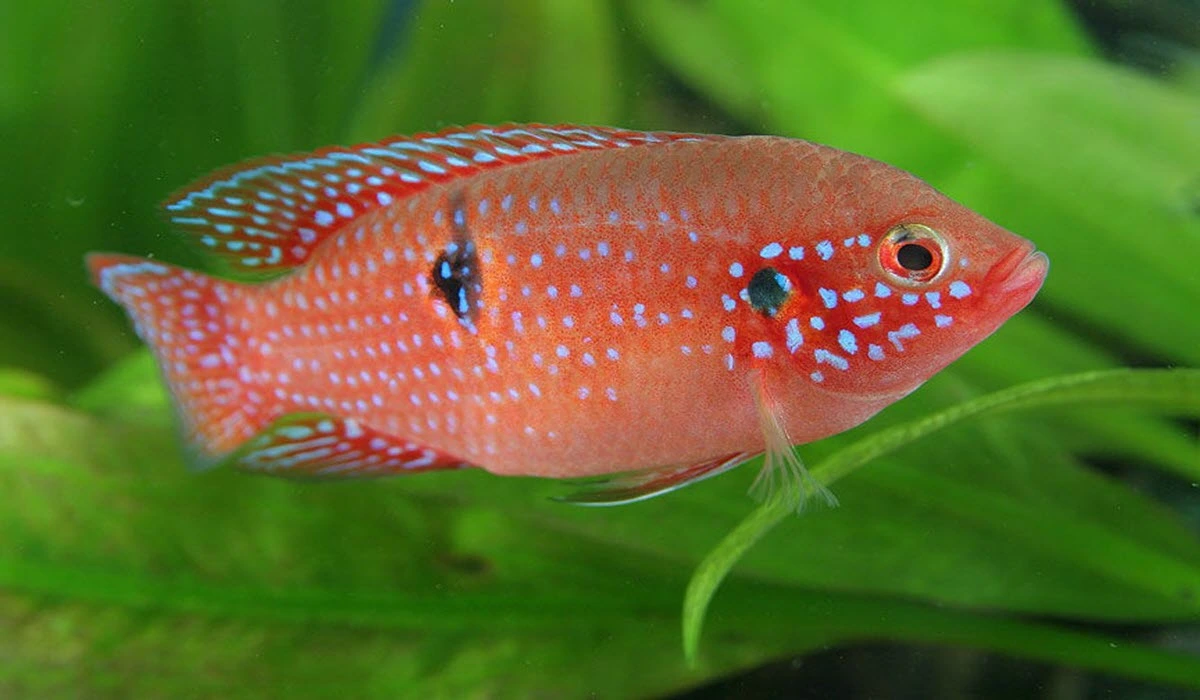
33. Jewel Cichlid Fish
Jewel-Cichlid-Fish
Jewel Cichlids can be relatively easy, and they are known for their parental care of their young. They will lay their eggs on a flat surface and guard them fiercely until they hatch. The young fry can be fed on small live foods, such as brine shrimp or crushed flakes. Overall, Jewel Cichlids are a beautiful and fascinating species that can provide a lot of enjoyment for hobbyists.

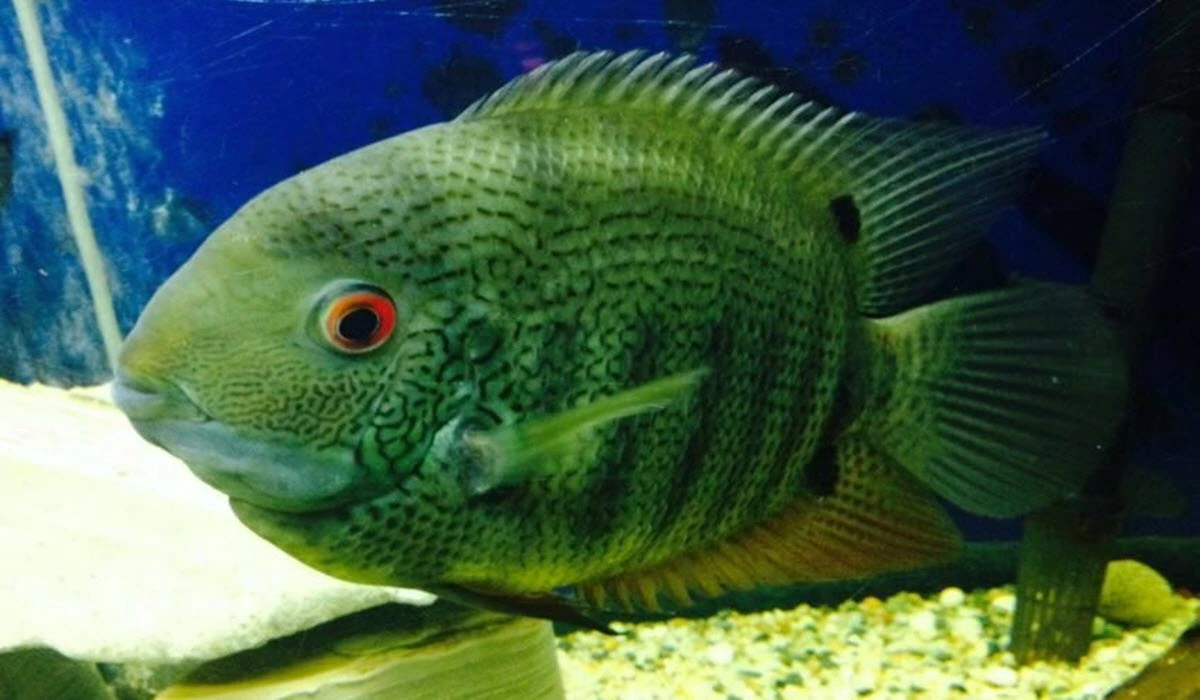
34. Green Severum Fish
Green-Severum-Fish
Green Severums have a distinctive greenish coloration on their body, which is complemented by red or orange patches on their cheeks and gill plates. They have a round, disk-shaped body and can grow up to 8 inches in length. Green Severums are generally peaceful and can be kept with other non-aggressive fish of similar size.

Small Freshwater Aquarium Fish List

Small aquarium fish are relatively easy to care for and can be kept in groups, making them an excellent choice for beginners. They require a well-maintained aquarium with appropriate water conditions, filtration, and regular feeding. While they may not be as visually impressive as larger fish, their vibrant colors and active behavior make them a popular choice for many hobbyists.

35. Gouramis Fish
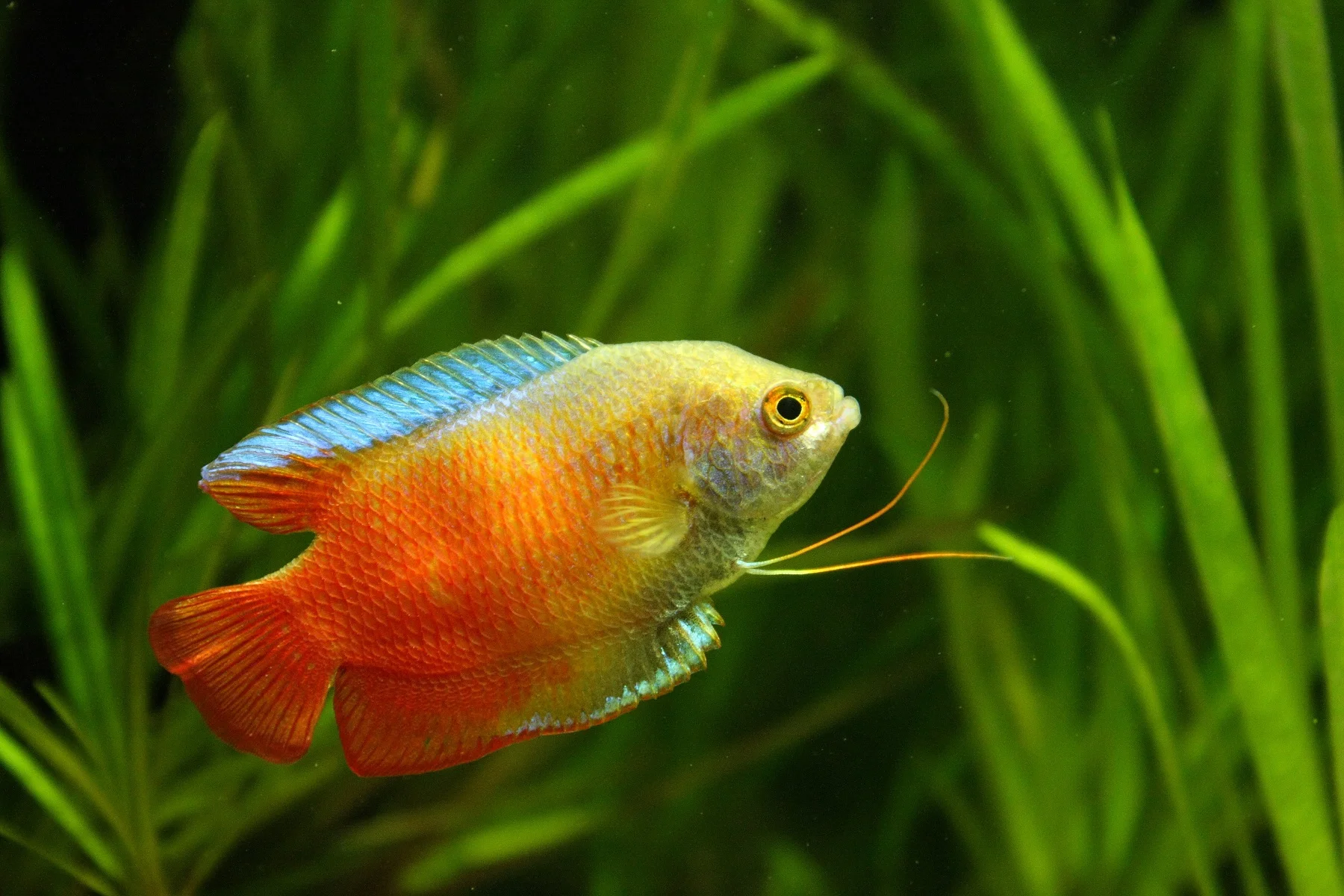
Gouramis-Fish
Gouramis are labyrinth fish, which means they have a specialized organ that allows them to breathe air from the surface of the water. This adaptation makes them well-suited to low-oxygen environments, but they still require a well-maintained aquarium with appropriate water conditions and filtration.

36. Chili Rasbora Fish
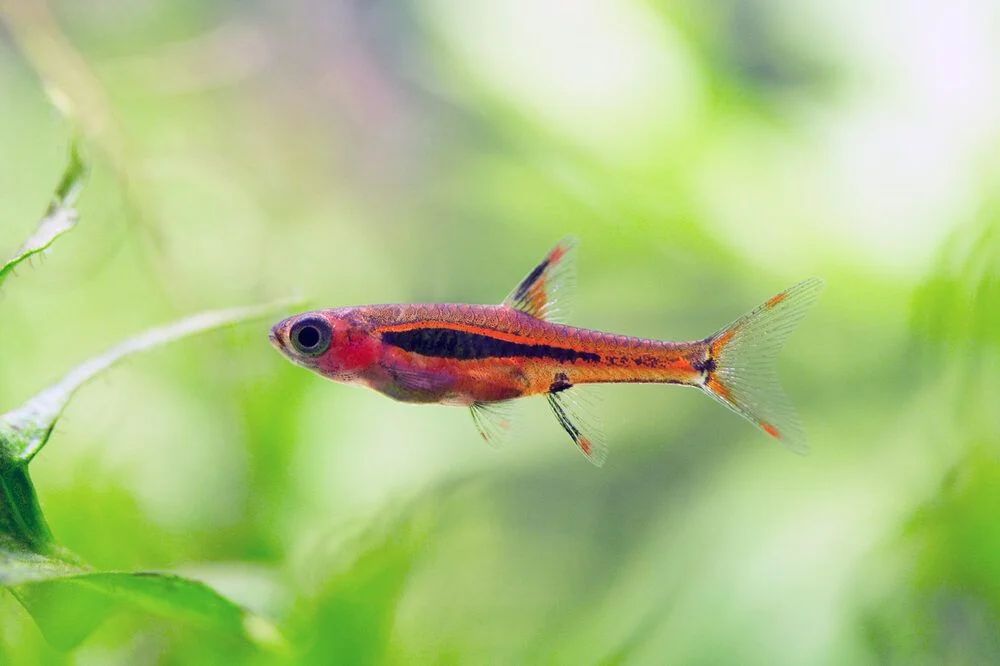
 Chili-Rasbora-Fish
Chili rasbora fish, also known as the Mosquito rasbora or Boraras Brigitte, is a small, brightly colored freshwater fish native to Southeast Asia. They are a popular choice for planted aquariums due to their small size, peaceful temperament, and attractive appearance.

Adult chili rasboras grow to only about 0.6-0.8 inches in length and have a bright red coloration with a black tail and eyes. They are social fish and should be kept in groups of at least 6-8 individuals. They prefer a densely planted tank with plenty of hiding places and slow-moving water.

37. Neon Tetra Fish
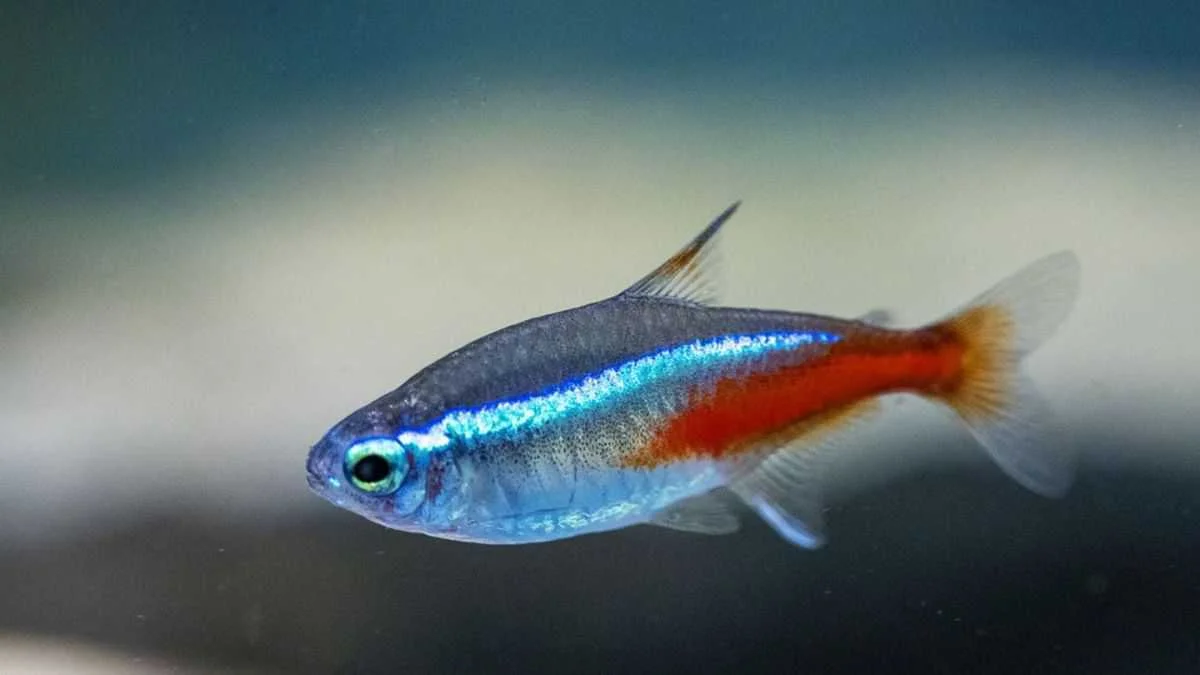
Neon-Tetra-Fish
The neon tetra is a popular freshwater aquarium fish known for its bright neon-blue and red stripes. They are native to the streams and tributaries of the Amazon basin in South America.

Neon tetras are peaceful, schooling fish that prefer to be kept in groups of at least six individuals. They are easy to care for and require a well-maintained aquarium with stable water parameters. The water temperature should be between 72°F to 78°F (22°C to 26°C), and the pH level should be between 6.0 to 7.5.

38. Angel Fish
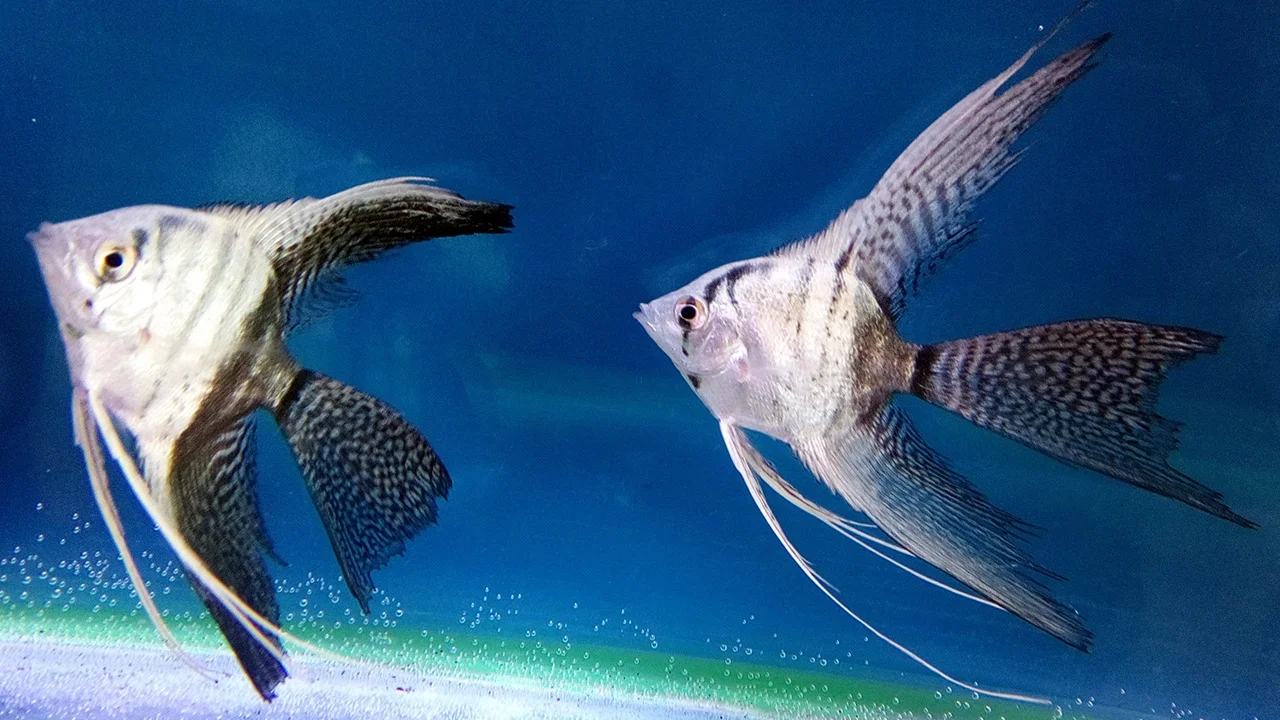
Angel-Fish
Angel Fish are generally peaceful and can be kept with other peaceful community fish, but can become aggressive toward each other if they are housed in a small tank. They require a spacious aquarium with plenty of hiding places and plants to recreate their natural habitat.

Angel Fish are omnivorous and should be fed a balanced diet of both meaty and plant-based foods, including live or frozen foods, flakes, and pellets.
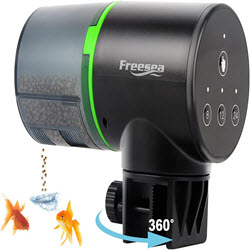
aquarium fish feeder

Automatic Aquarium Fish Feeder

FREESEA Aquarium Automatic Fish Feeder: Vacation Timer Feeder for Fish Tank Electric Adjustable Auto Fish Food Dispenser 0.05 Gal & Two Fixed Methods

 Buy Now

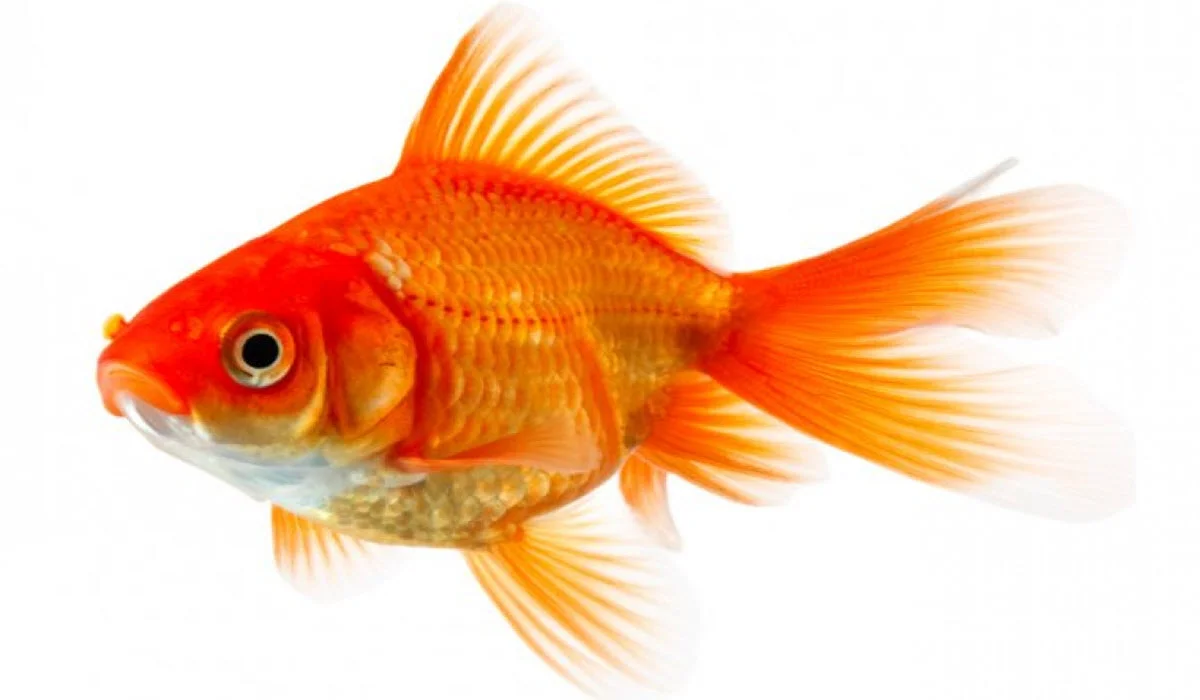
39. Common Gold Fish

gold-fish
Common Goldfish are hardy and can tolerate a wide range of water conditions, making them ideal for beginners. Common Gold Fish known as friendliest aquarium fish. They are omnivorous and will eat a variety of foods, including flakes, pellets, and vegetables.

These fish are best kept in a spacious aquarium with plenty of room to swim and hide. They are social and can be kept in groups, but care should be taken to avoid overcrowding.

40. Killifish
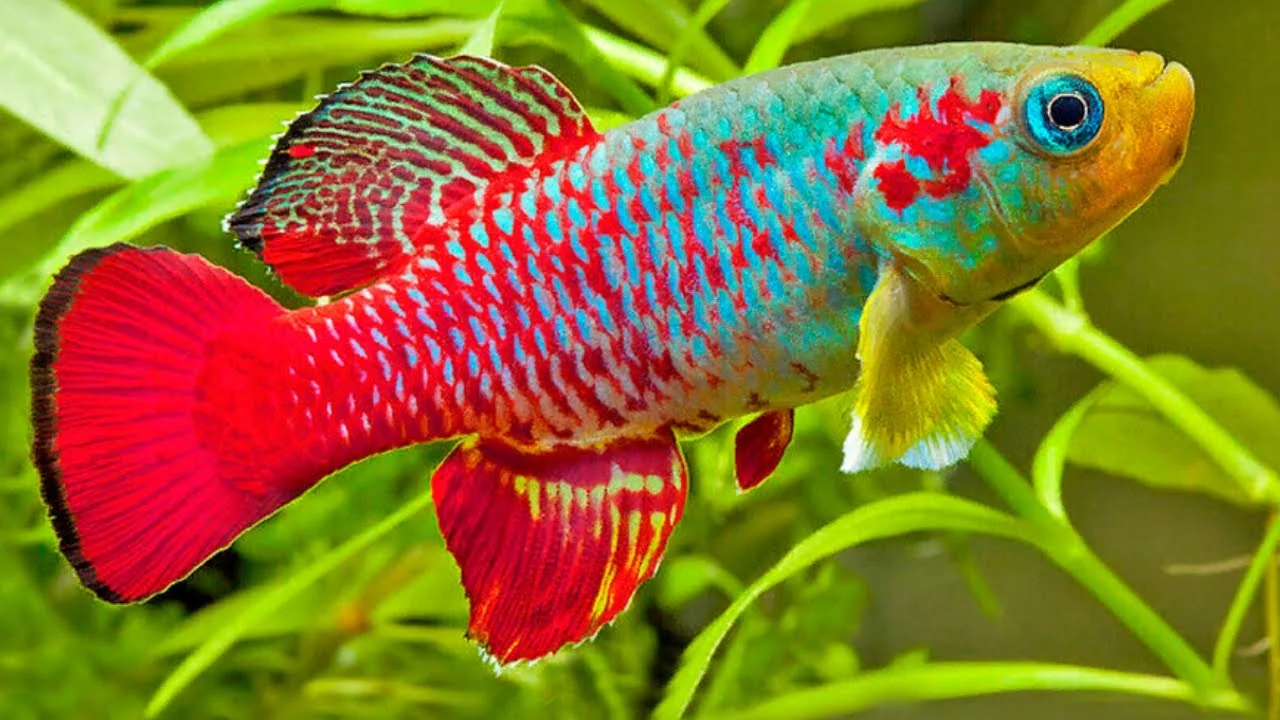
Killifish
There are many different species of killifish in freshwater aquarium fish list, ranging in size from less than an inch to several inches in length. They are typically peaceful and can be kept in community tanks with other small, non-aggressive fish. Some species of killifish, such as the popular Aphyosemion gardneri, are known for their ability to jump, so it is important to keep a tight-fitting lid on the aquarium.

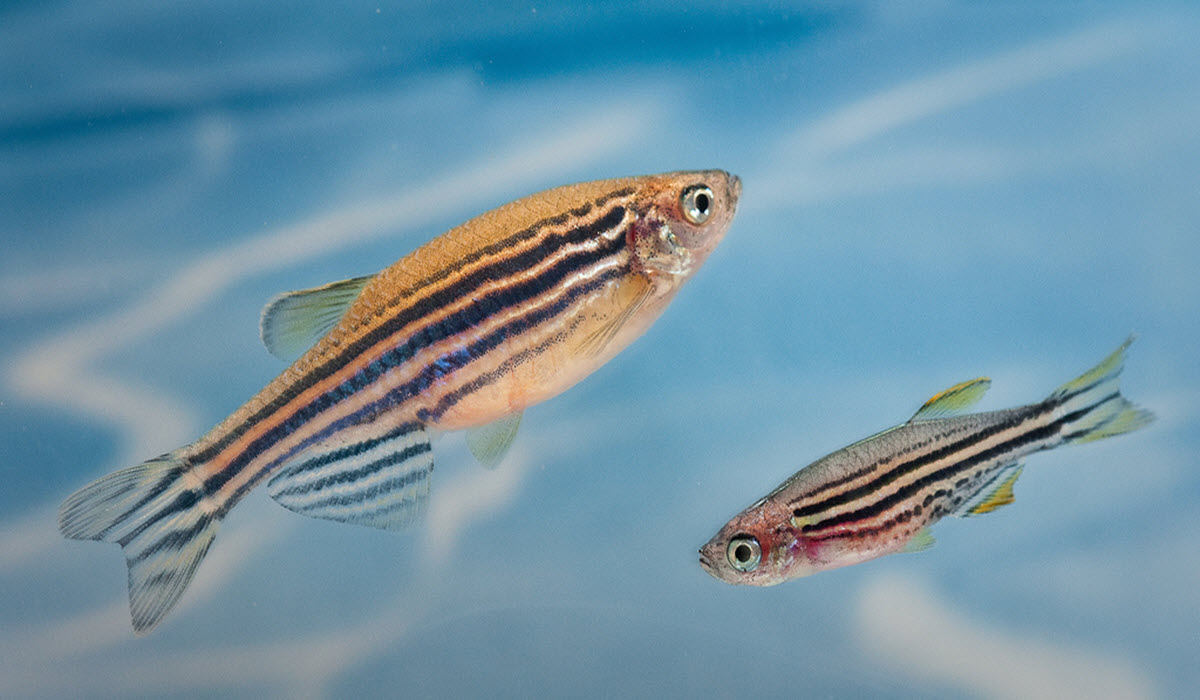
41. Zebra Danio Fish
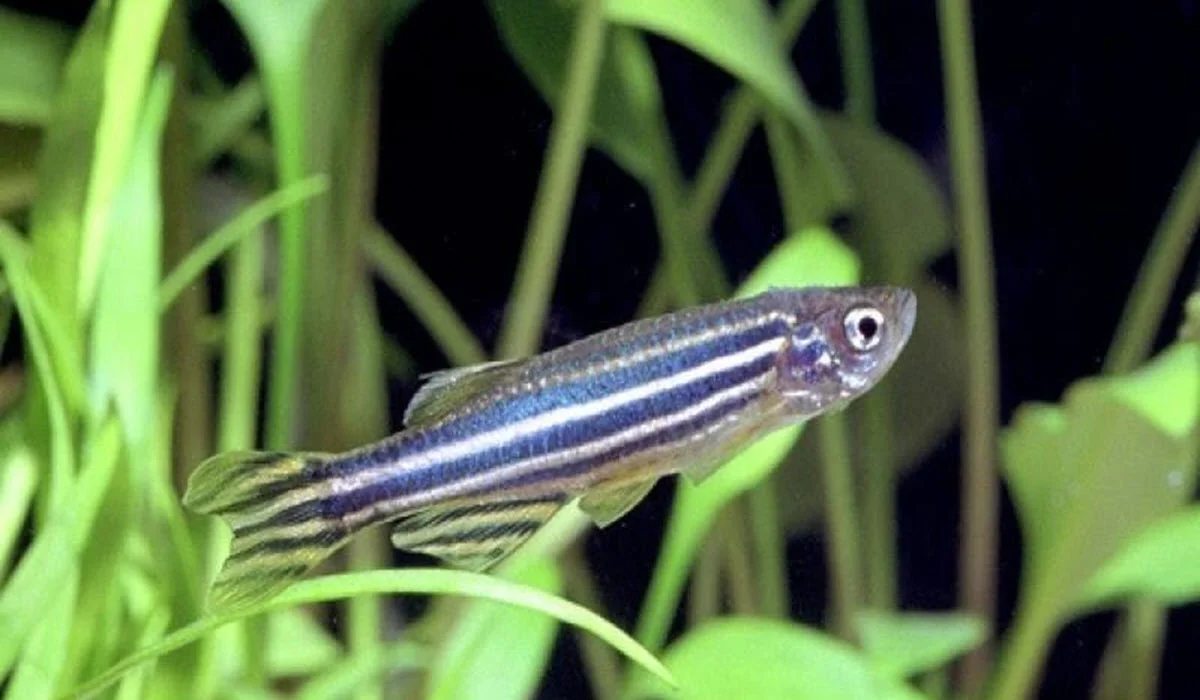
Zebra-Danio-Fish
Zebra Danios are a hardy and active fish species that can adapt to a wide range of aquarium conditions. They are relatively small, growing up to 2-2.5 inches (5-6 cm) in length, and are suitable for community aquariums. They are best kept in groups of 6 or more and require a minimum tank size of 10 gallons.

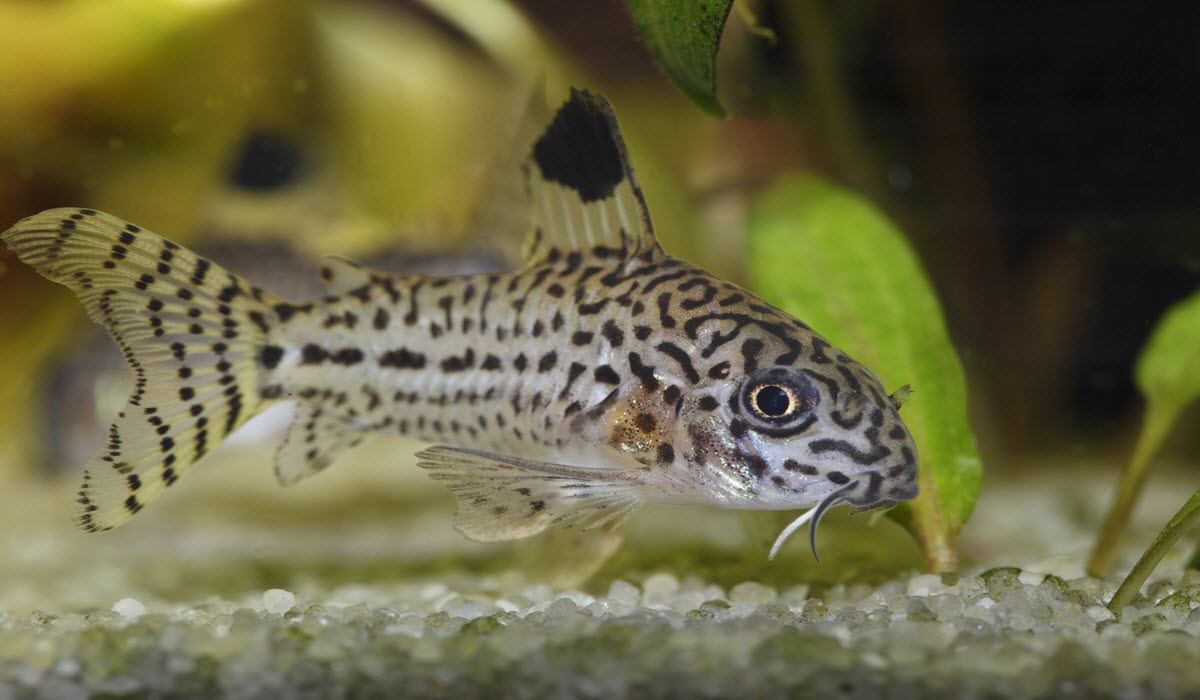
42. Panda Corydoras Fish
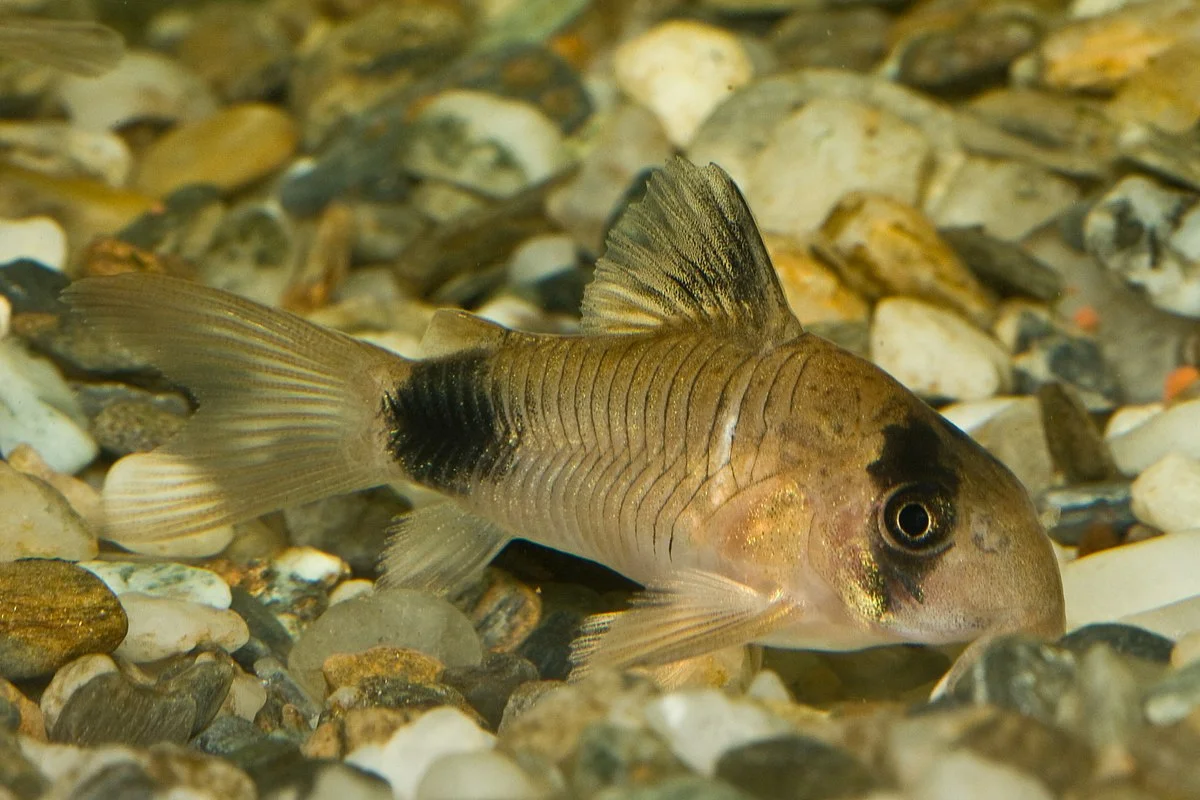
Panda-Corydoras-Fish
Panda Corydoras are easy to care for and are suitable for beginners. They are peaceful and do well in community tanks with other peaceful fish. They are also hardy and can tolerate a wide range of water conditions, although they prefer slightly acidic water with a pH between 6.0 and 7.0.

They are bottom-dwellers and prefer a well-planted aquarium with plenty of hiding spots and smooth substrate to prevent injury to their delicate barbels.

43. German Blue Ram Fish
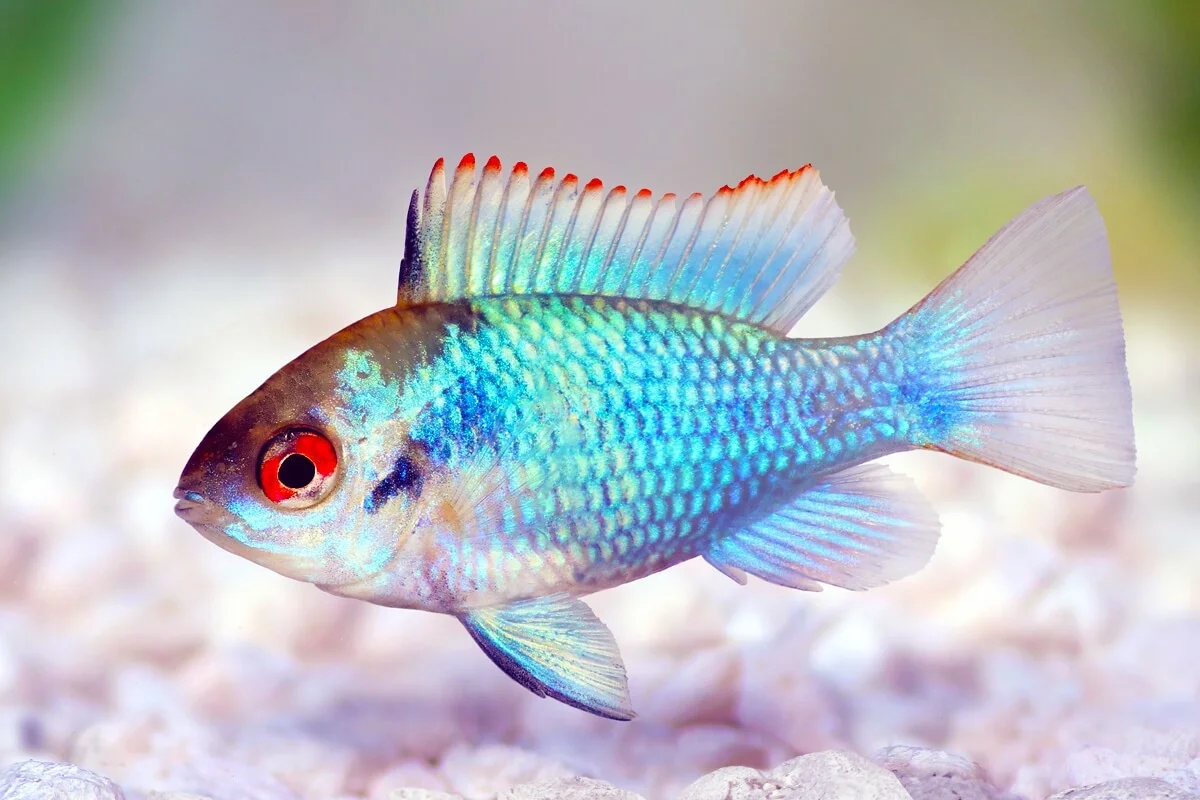
German-Blue-Ram-Fish
German Blue Ram fish, also known as Blue Ram cichlid, is a popular freshwater aquarium fish. They are native to South America and belong to the Cichlidae family. German Blue Ram fish are known for their beautiful blue coloration, which is more prominent in males. They are peaceful and can be kept with other fish, but should not be housed with aggressive or fin-nipping species.

German Blue Ram fish require warm water with a pH range of 6.0-7.5 and a temperature of 77-82°F. They are omnivorous and will accept a variety of foods including flakes, pellets, and frozen foods. German Blue Ram fish are known to be quite sensitive to water conditions, so proper aquarium maintenance is crucial for their health and well-being.

44. White Cloud Mountain Minnow Fish
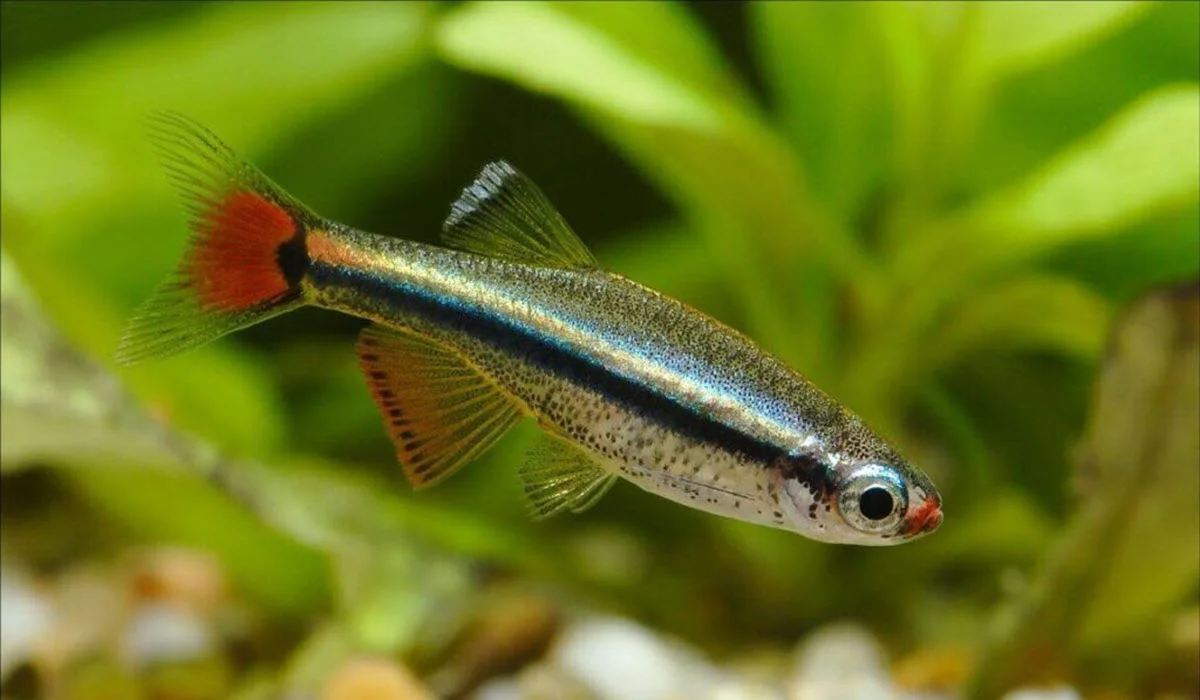
freshwater aquarium fish list
The White Cloud Mountain Minnow is a small freshwater fish native to China. It is a peaceful and hardy fish, making it a popular choice for beginner aquarists. These fish have an iridescent silver body with red and gold fins. They are shoaling fish and should be in groups of at least six in a tank with a minimum size of 10 gallons.

They prefer a temperature range of 64-72°F and a pH range of 6.0-8.0. They are omnivores and will eat both flake and live foods. The White Cloud Mountain Minnow is popular for small community tanks due to its peaceful nature and easy care.

Scaleless Freshwater Aquarium Fish

Scaleless freshwater aquarium fish are a unique group of fish that lack the typical scales found in other fish species. Instead, they have smooth, slimy skin that protects against disease and parasites. Some popular scaleless freshwater aquarium fish include catfish, loaches, eels, and a few tetras. These fish require a specific diet and water conditions to thrive, as their lack of scales makes them more sensitive to changes in water quality. While they may require little more care than other fish, they can be a fascinating and rewarding addition to any aquarium.

45. Zebra Catfish
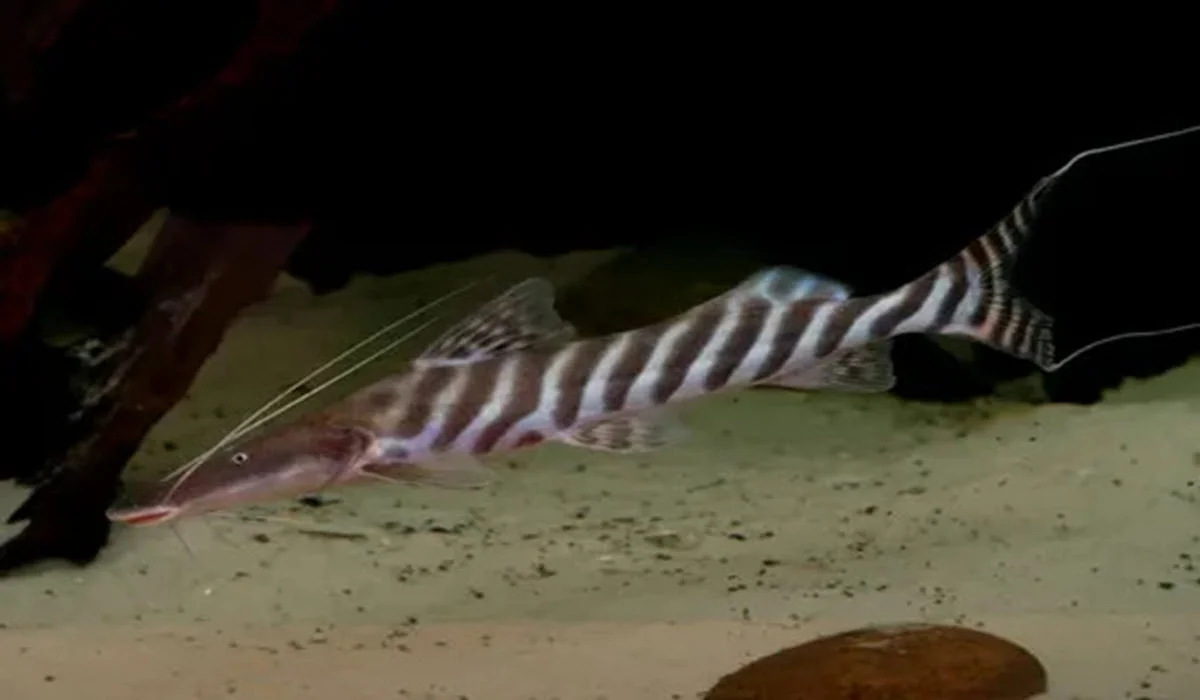
freshwater aquarium fish list
Zebra Catfish is a freshwater aquarium fish native to South America. Zebra Catfish are characterized by their striped black and white pattern and have a flat, broad head with two pairs of barbels. They are peaceful and social fish, often found in groups, and can grow up to 6 inches in length.

Zebra Catfish prefer a planted aquarium with plenty of hiding spots and moderate water flow. They are omnivores and will eat a variety of foods including pellets, frozen, and live foods. They are relatively easy to care for and make additions to community aquariums.

46. Albino Walking Catfish
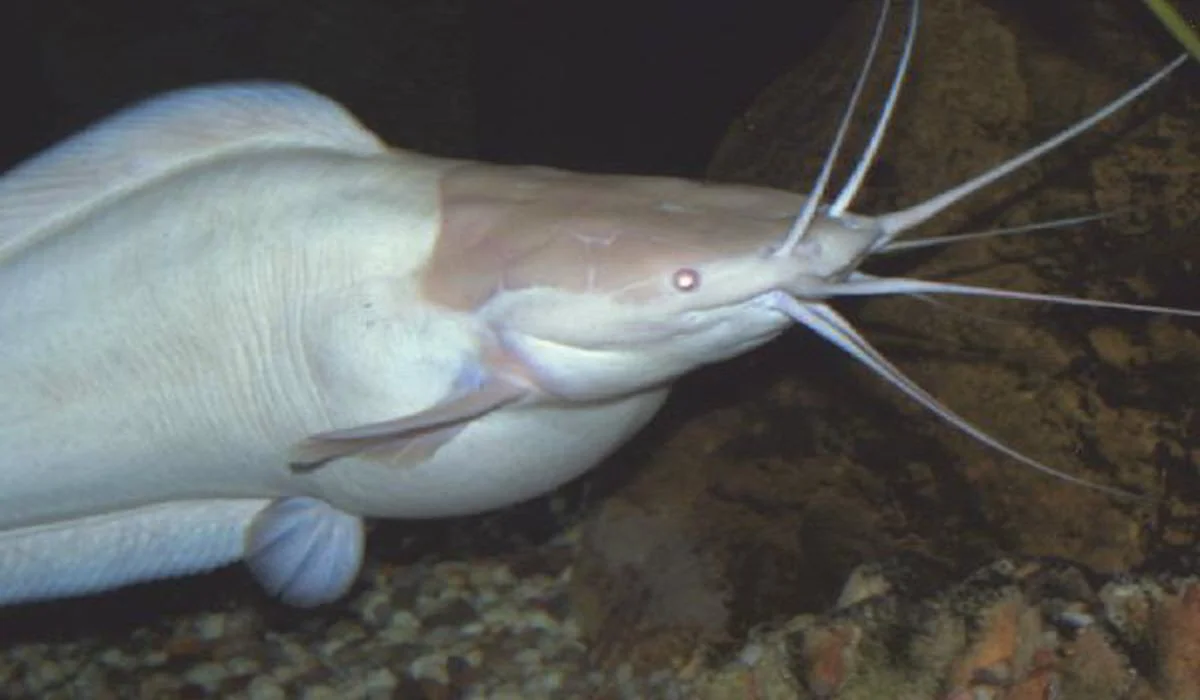
albino-walking-cat-fish
The albino walking catfish, also known as the white or ghost catfish, is a variety of the walking catfish that lacks pigmentation, resulting in a pale, almost transparent appearance. They are primarily found in Southeast Asia, but have also been introduced to other parts of the world.

As their name suggests, walking catfish are able to walk on land using their pectoral fins and are able to survive out of water for extended periods of time by breathing air through their gills. They are considered a pest in many areas where they have been introduced as they are able to quickly populate and disrupt local ecosystems.

47. Common Sturgeon Fish
freshwater aquarium fish list
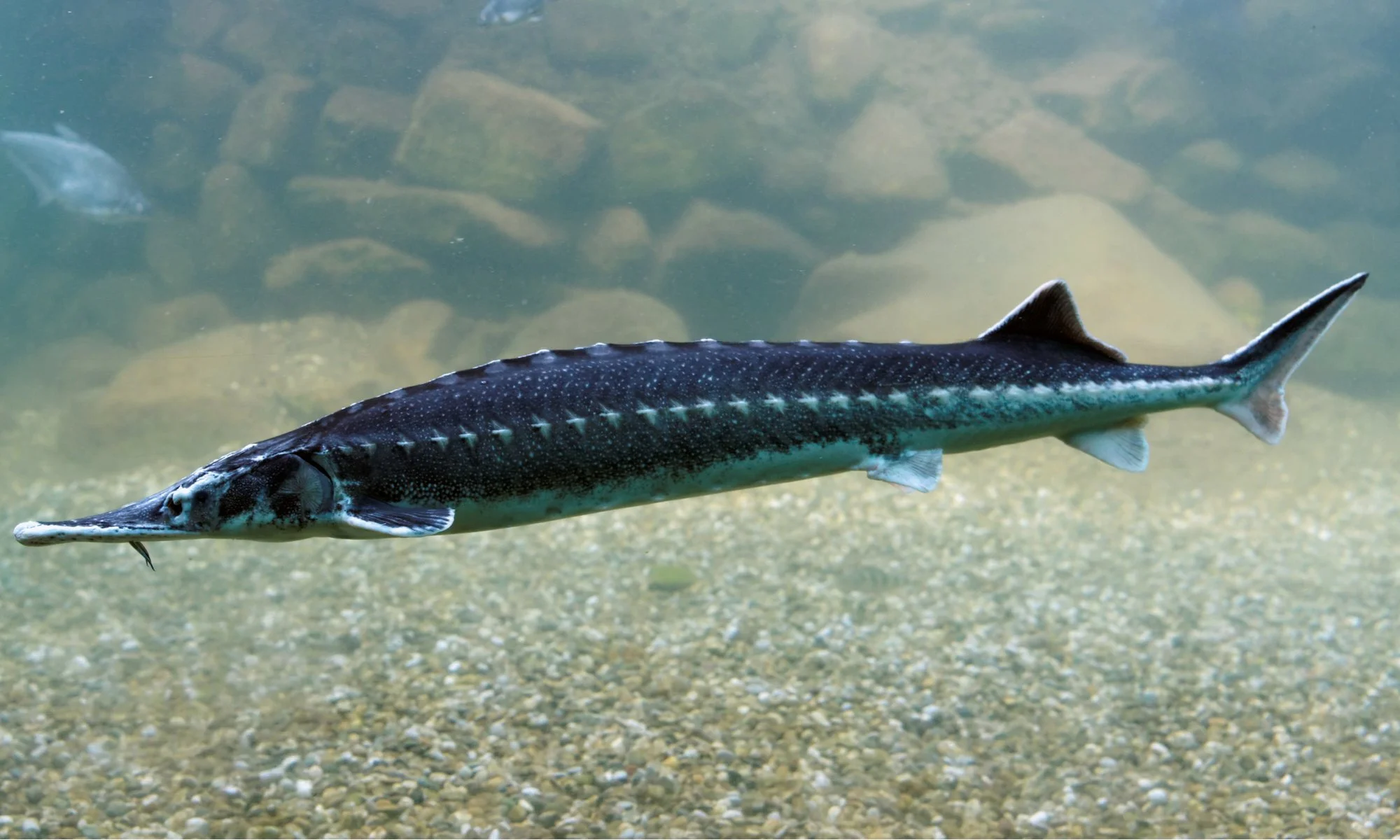
Common Sturgeon Fish, also known as the Atlantic sturgeon, is a species of fish belonging to the family Acipenseridae. They are found in the western Atlantic Ocean, from New Brunswick in Canada to Florida in the United States.

Common Sturgeons can grow up to 3 meters in length and weigh up to 400 kg. They have a long and pointed snout, five rows of bony plates called scutes on their body, and scaleless skin. They are a popular food fish, and their eggs are used to make caviar. However, their populations have declined due to overfishing and habitat loss, and they are now considered a threatened species.

Large Freshwater Aquarium Fish List

Large freshwater aquarium fish can be a stunning addition to any tank, providing a focal point and adding a sense of drama and excitement. However, it’s important to remember that larger Fish require more space, filtration, and careful attention to water quality.

48.Koi Fish
koi-fish
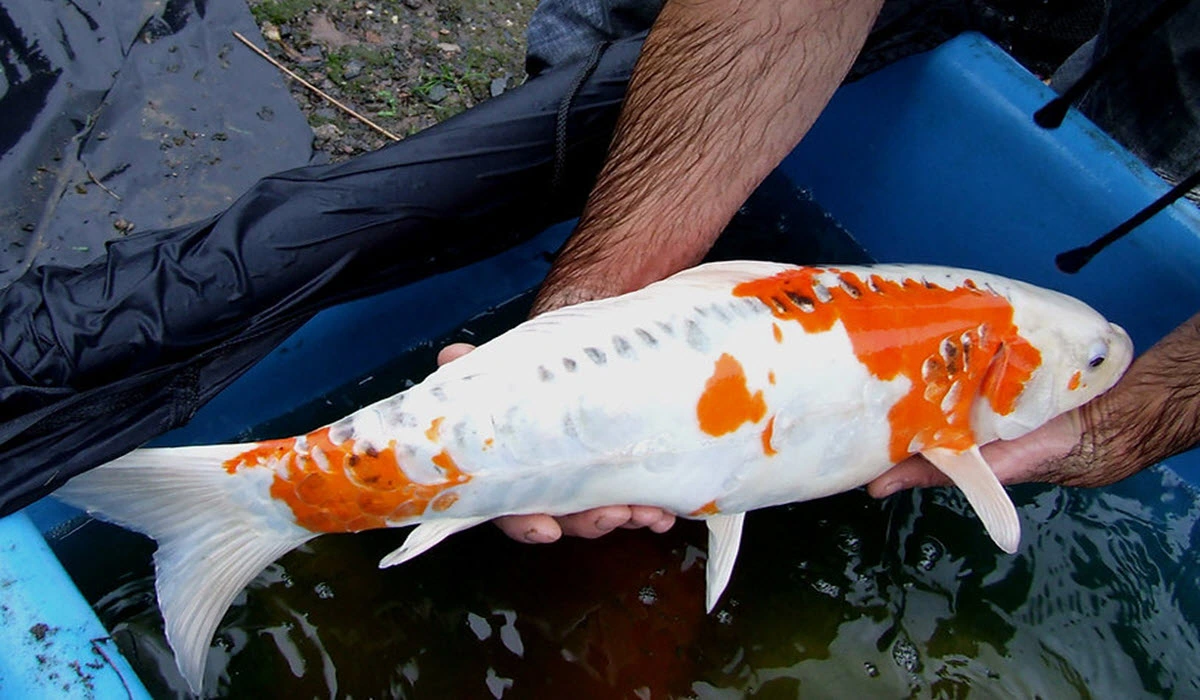
Koi fish are native to Japan, where they have been bred for centuries to produce the many varieties of colors and patterns seen today. They are a hardy species that can adapt to a wide range of water conditions, but they require a large amount of space to swim and grow.

49.Alligator Gar Fish
Alligator-Gar-Fish
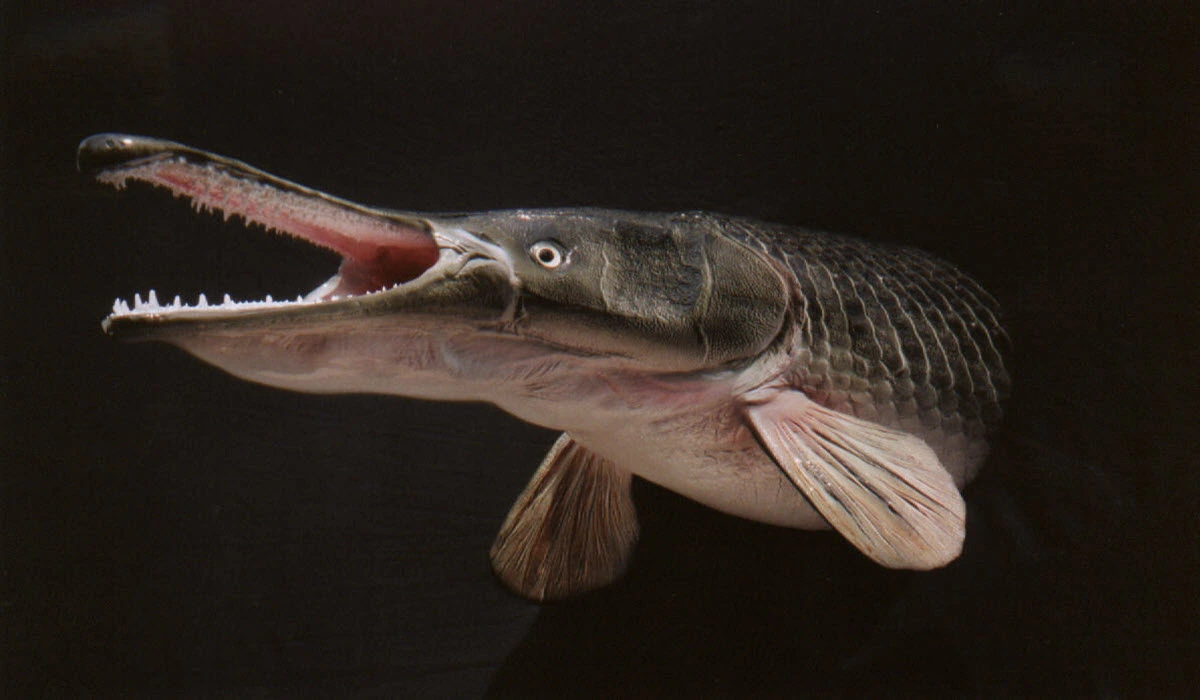
The Alligator Garfish is a Large predatory freshwater species that is native to North and Central America. It is named for its elongated snout, which resembles an alligator. This species is known for its fierce reputation and impressive size, with some individuals reaching over eight feet in length and weighing up to 300 pounds.

50.Arapaima Fish
Arapaima-Fish
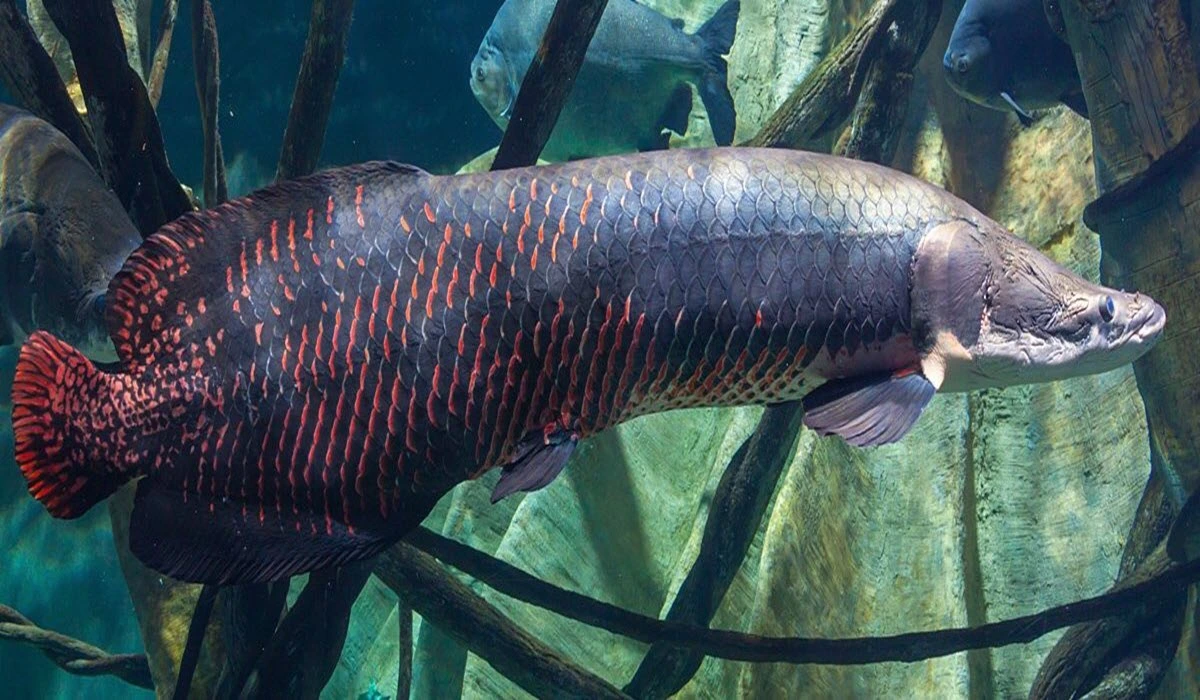
Arapaima fish are known for their unique adaptations, including the ability to breathe air using a specialized swim bladder, which allows them to survive in oxygen-poor waters.

They are also powerful swimmers, with streamlined body and muscular tail that allows them to move quickly through the water.

In conclusion, the world of freshwater aquarium fish list is vast and fascinating, with so many beautiful and unique species to choose from. The 50 Most Famous Freshwater Aquarium Fish listed here are just a few sample of the many options available to aquarium hobbyists. It is important to note that while these fish are popular and widely available, they may not be suitable for every aquarium setup or skill level. It is always important to research each species thoroughly and ensure that their need can be met in your aquarium before making a purchase. With proper care and attention, these fish can bring joy and beauty to any aquarium.

Aquariums are a great way to add Some life and color to your home. If you’re a beginner in the world of fishkeeping, you might be Wondering which fish species are the best for starting. Here are our Top 10 Aquarium Fish for Beginners :

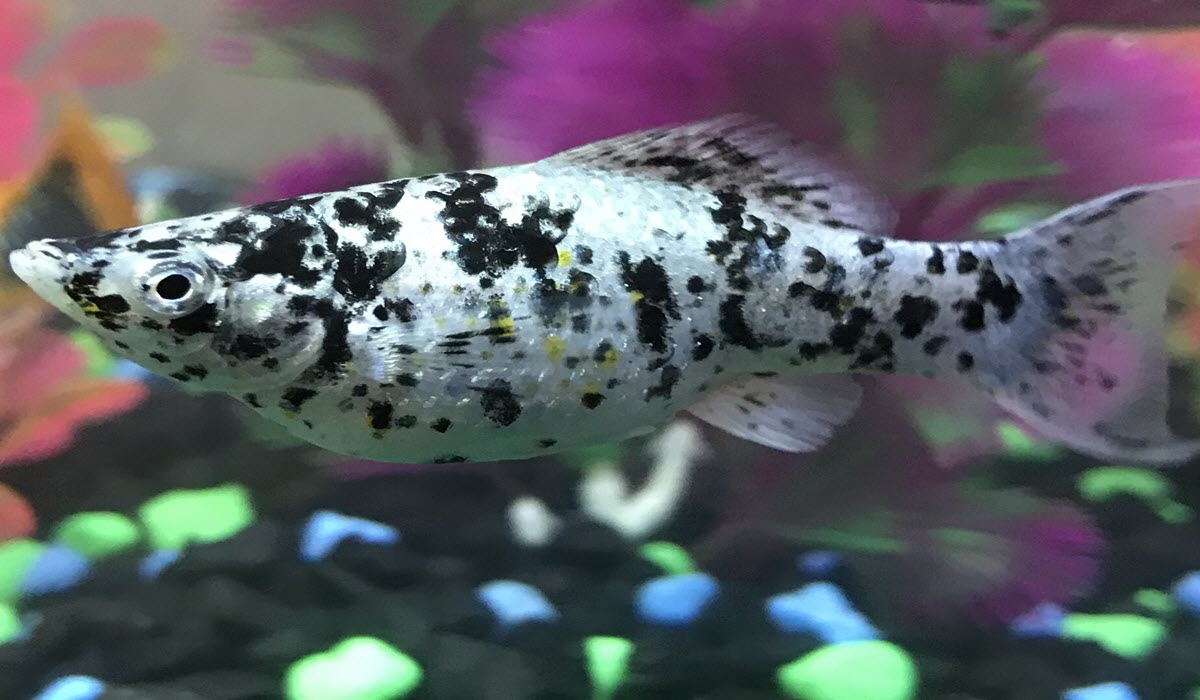
10. Molly

molly-fish
Mollies are a hardy and colorful species that are great for beginners. They are also livebearers, like plates, and can be kept in community tanks.

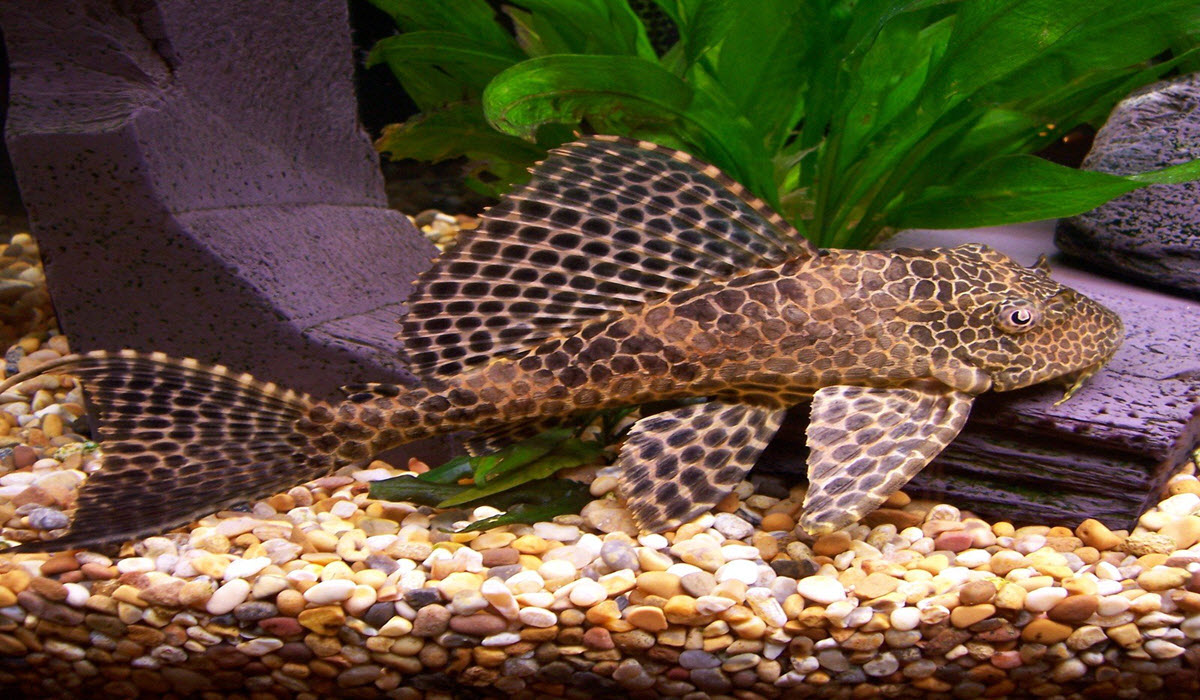
9. Bristlenose Pleco

Bristlenose-Pleco-fish
Bristlenose plecos are a popular species of algae-eating fish that can help keep your tank clean. They are also peaceful and relatively easy to care.

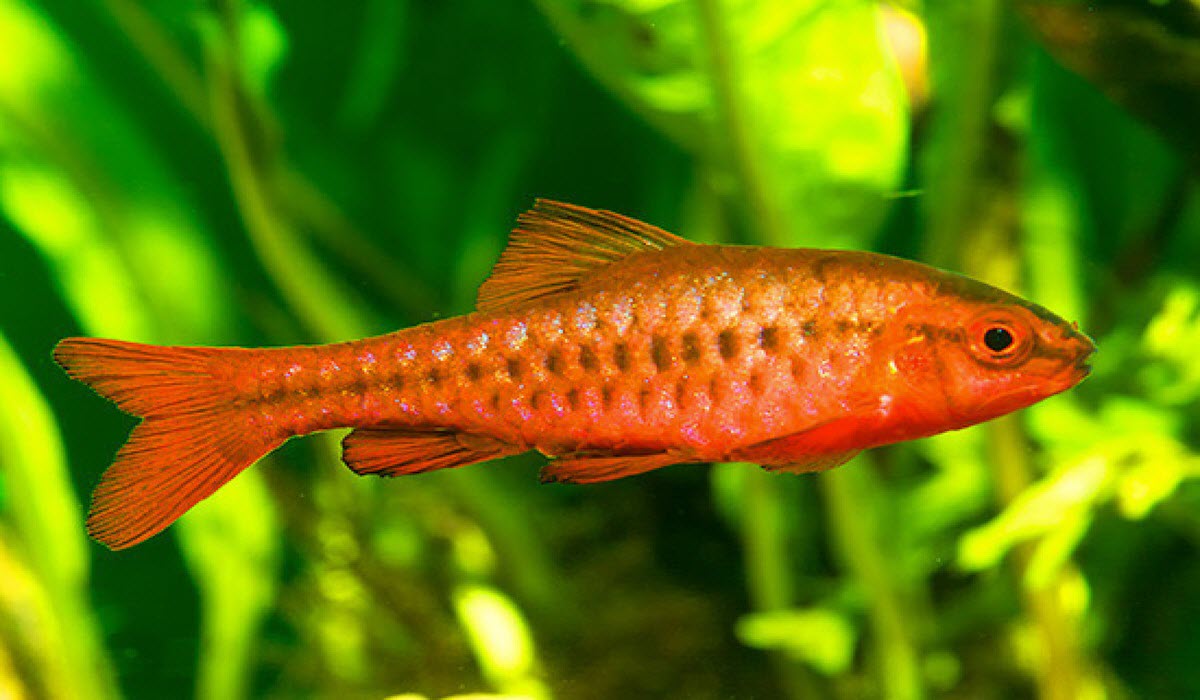
8. Cherry Barb

Cherry-Barb-fish
Cherry barbs are a colorful and peaceful species that are great for community tanks. They also have a relatively small size, making them a good choice for smaller aquariums.

7. Zebra Danio

Aquarium Fish
Zebra danios are a hardy and active species that are great for beginners. They are also known for their unique striped pattern, Which adds Some visual interest to your tank.

6. Cory Catfish

Cory-Catfish
Cory catfish are a Great choice for beginners looking for a bottom-dwelling species. They are small, peaceful, and can help keep your tank clean by eating leftover food and debris. Cory Catfish is the best fish for a small tank.

aquarium fish food

Nutritionally Balanced Fish Food

TetraMin Tropical Flakes are a nutritionally balanced, complete diet for optimal health in top- and mid-feeding aquarium fish. These crisps leave up to 35 percent less waste behind than competing flakes for more usable food, clearer water and healthy fish. The uniform size of each crisp provides consistency in feeding.

 Buy Now

5. Platy

platy-fish
Platies are another easy-to-care-for and peaceful species that come in a Variety of colors. They are also livebearers, which means they give birth to live young instead of laying eggs.

4. Swordtail

Top 10 Aquarium Fish for Beginners
Swordtails are a colorful and active species that are easy to care. They are also known for their peaceful nature, making them a great addition to a community tank.

3. Tetra

tetra-fish
Tetras are a peaceful and colorful species that come in Many Different varieties, such as neon tetras, cardinal tetras, and black skirt tetras. They are great for adding some color and activity to your aquarium.
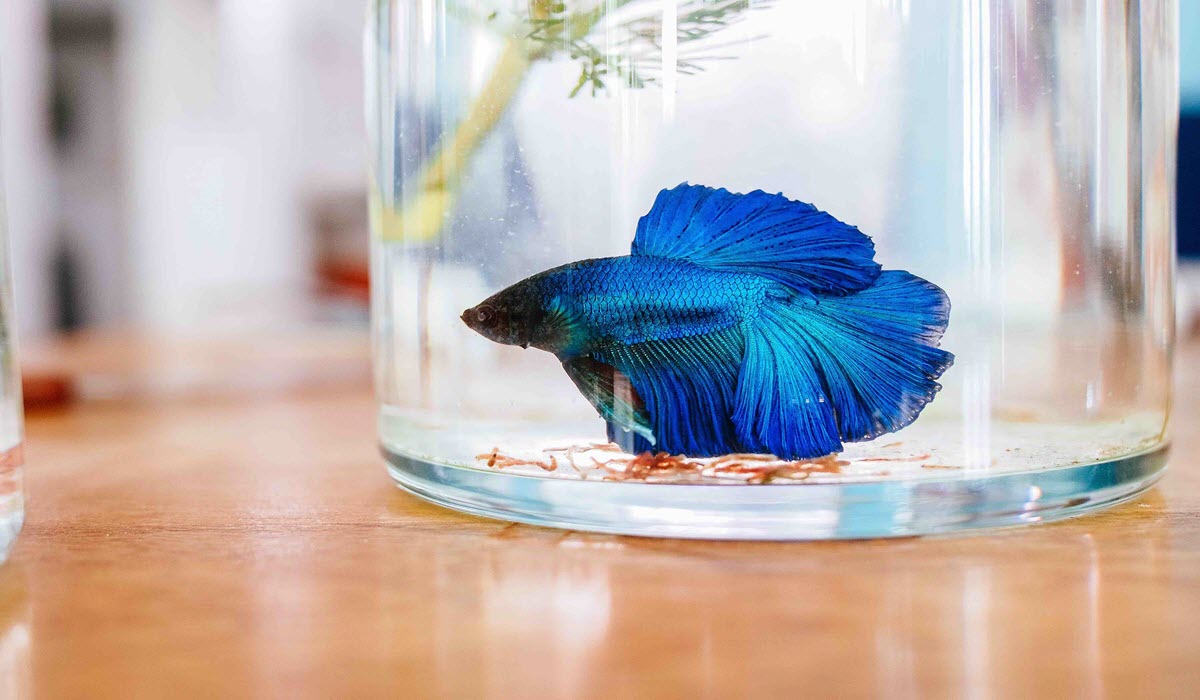
2. Betta

betta-fish-1
Betta fish, also known as Siamese fighting fish and small tank fish, is another popular choice for beginners. They are beautiful, Easy maintenance Fish. Just be sure to keep them alone, as they can be aggressive toward other fish.

aquarium tank

Tetra Aquarium 20 Gallon Fish Tank

The Tetra 20 Gallon Aquarium kit is just what you need to dive in to starting a new tank. The Tetra 20 Gallon Kit is perfect for the aquarist looking for a traditional aquarium with natural scenery or someone looking to break into this exciting hobby!

 Buy Now

1. Guppy

guppy
Guppies are one of the most popular freshwater fish for beginners, and for Good Reason. They are hardy, colorful, and easy to care. They are also known for their active swimming, making them fun fish to watch.

Conclusion

Overall, these all are the Top 10 Aquarium Fish for Beginners, Those ten species are Great choices for beginners looking to add some life to their home with an aquarium, and also they are the Easy to Grow aquarium fish for kids. Just be sure to research their specific care needs and Make sure you have the proper equipment and setup to keep them healthy and happy.

Setting up an aquarium in your home requires Some equipment to ensure that your fish are healthy and happy. Here is a list of the essential equipment you will need to make aquarium set up and it is complete Aquarium setup guide for Beginners:
 aquarium

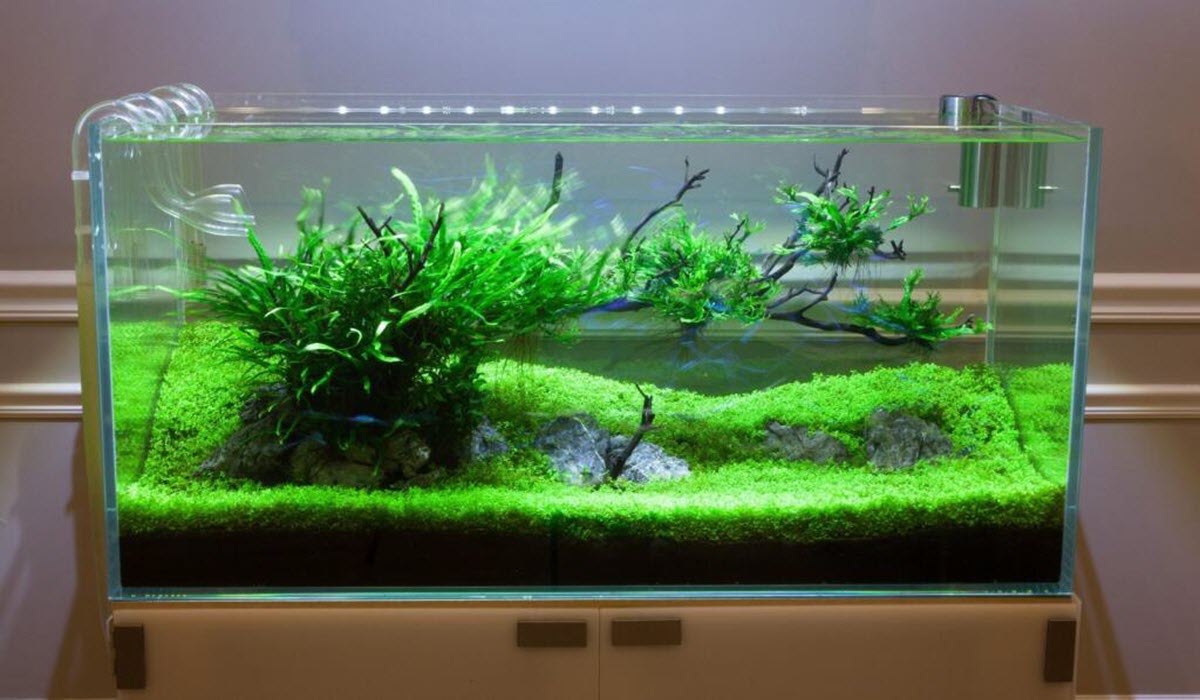
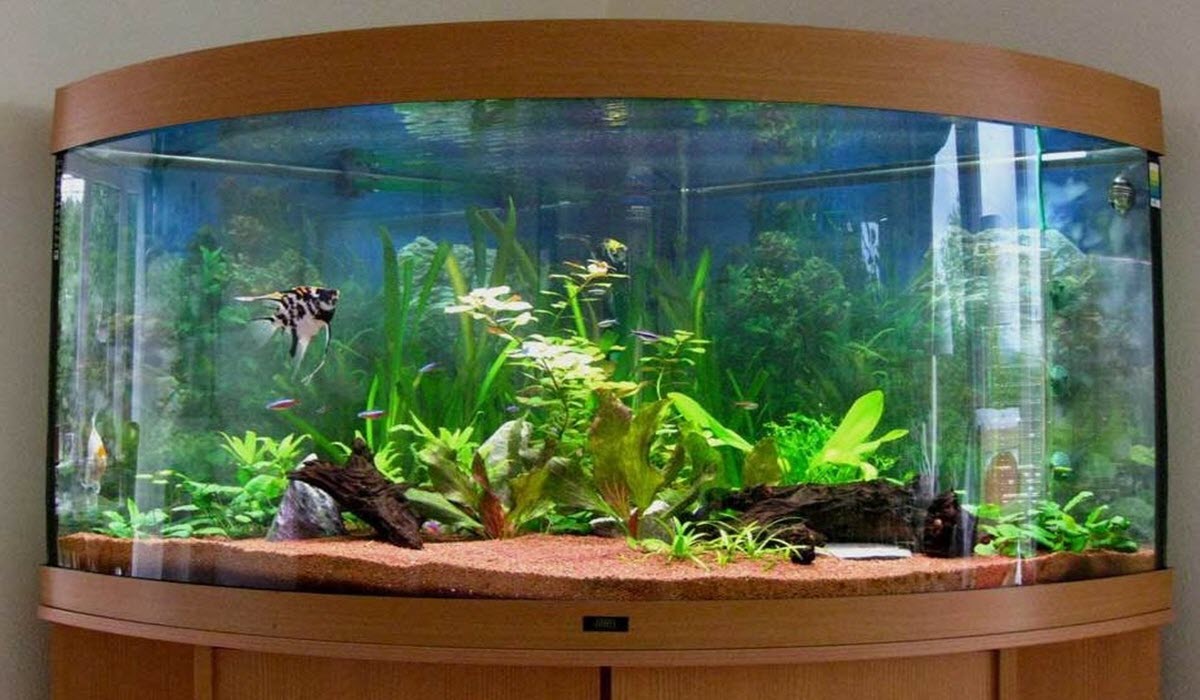
Glass Tank

aquarium-Glass-tank
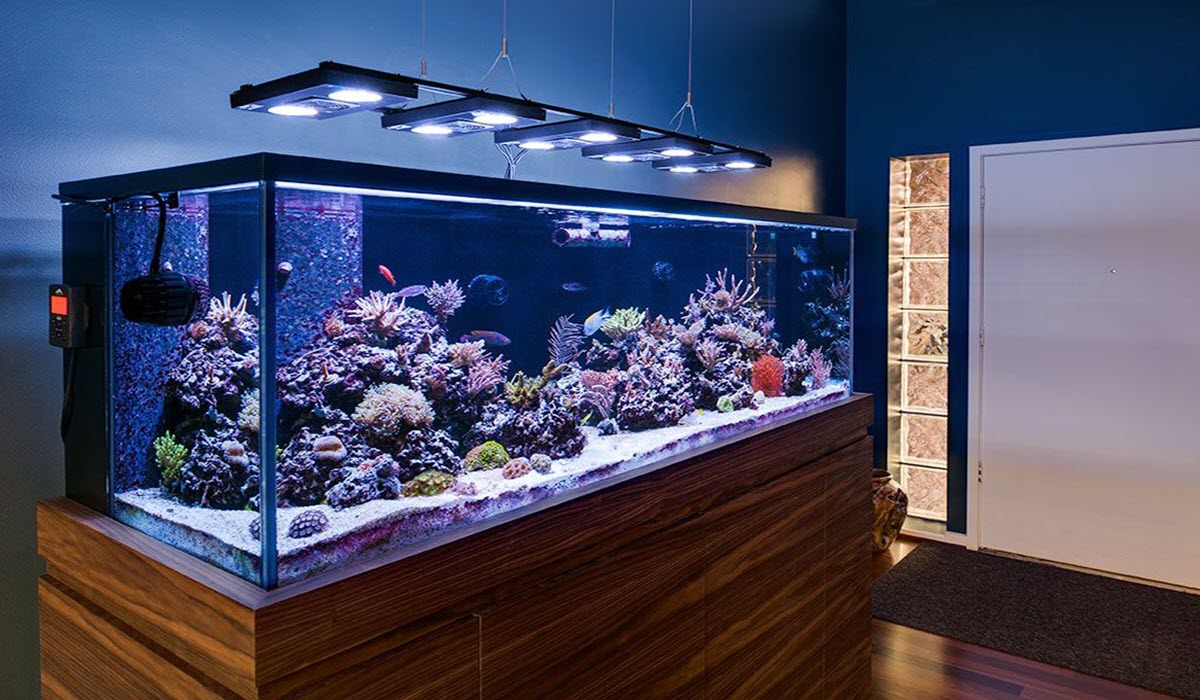
The First thing you will need is a glass tank for fishtank setup, which can range in size from small to very large. Choose an appropriate size based on the number and size of the fish you plan to keep. You’ll also need a stand or support system to hold the Weight of the glass tank.

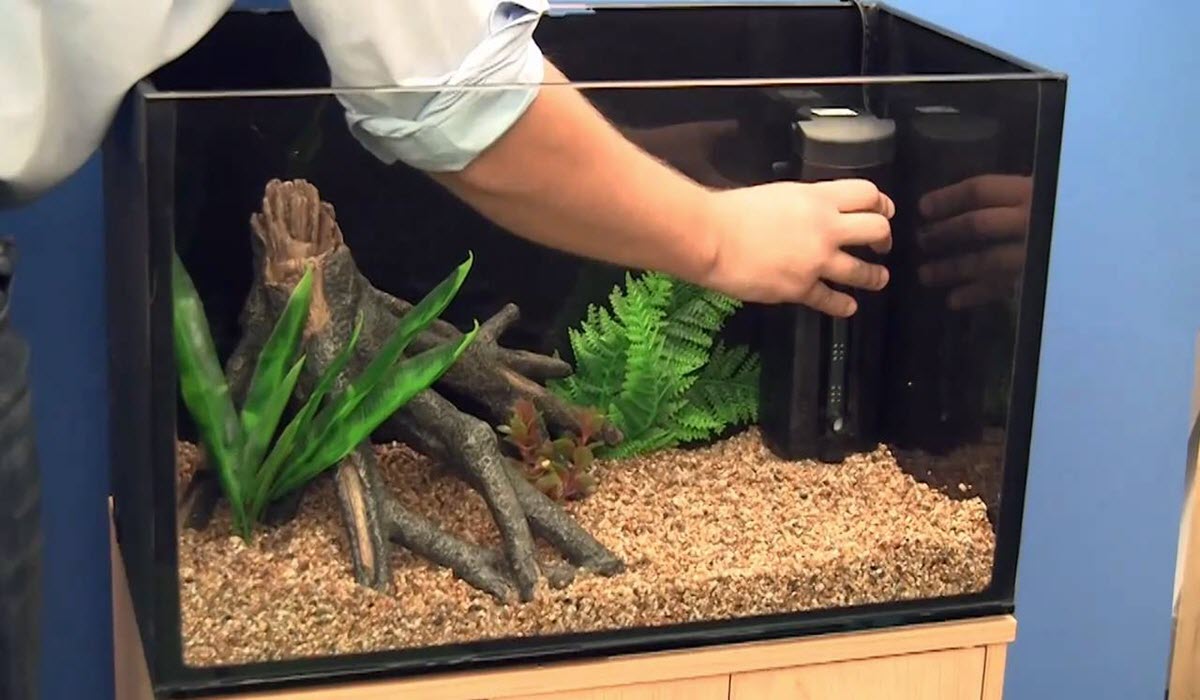
Filter in Aquarium Setup

aquarium-filter
A filter is essential for maintaining a healthy aquarium environment. It helps to remove toxins and waste products from the water, which can build up and harm your fish. There are Many Different types of filters available, including hang-on-back, canister, and sponge filters.

aquarium filter

Internal Power Filter 5 To 10 Gallons

For the ultimate in convenience and quiet, choose a Whisper In-Tank Filter. These filters mount on the inside of the aquarium, rather than hanging from the outside making it possible to place the tank flush against a wall. In-Tank Filters are unusually quiet, since the motor is under the water.

 Buy Now

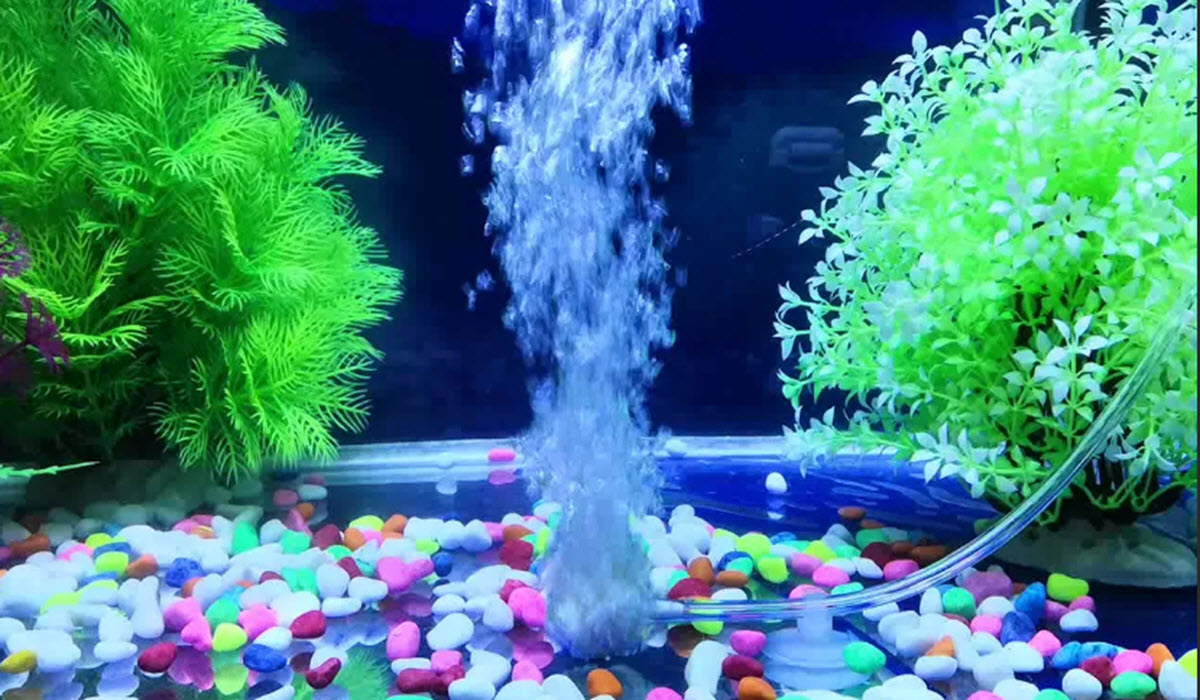
Oxygen Pump

oxygen-pump
An oxygen pump, also known as an air pump or aerator, is a device that is commonly used in aquariums to increase the oxygen levels in the water. The pump draws in air from the surrounding environment and pumps it into the aquarium through an airline and air stone or diffuser. The air stone or diffuser creates tiny bubbles that rise to the surface of the water, which increases the surface area and helps to oxygenate the water.

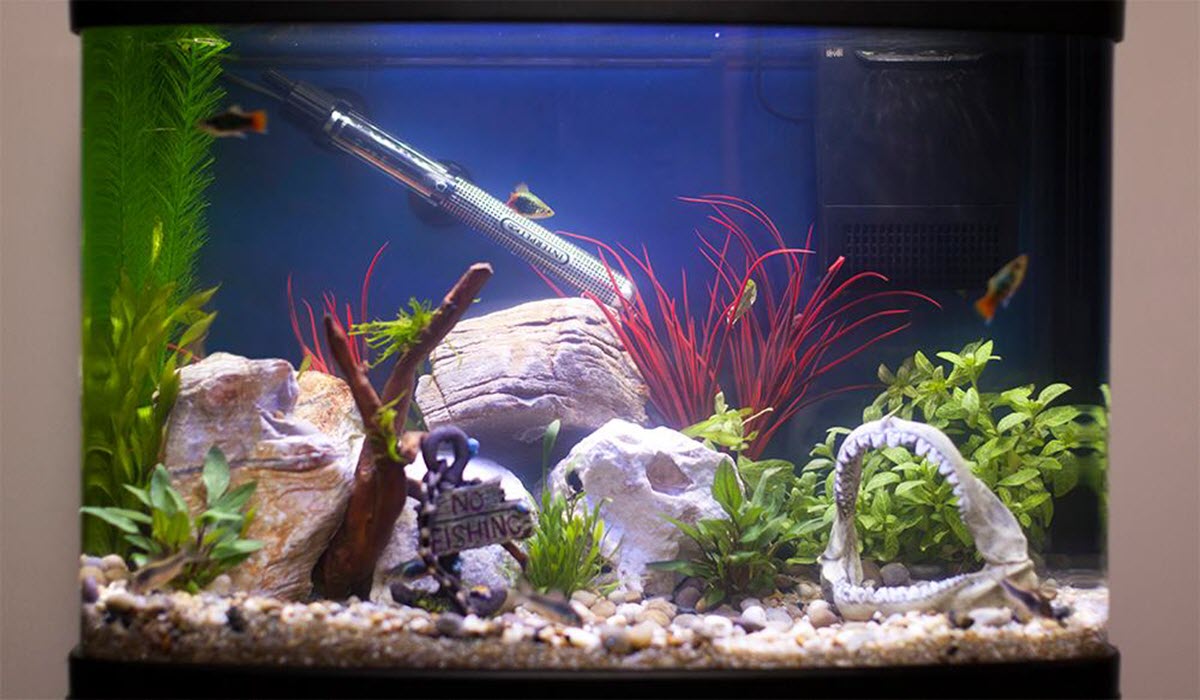
Heater for Aquarium Setup

heater
Many fish species require a specific temperature range to thrive, so a heater is Necessary to maintain a consistent temperature in your aquarium. Choose a heater that is appropriate for the size of your tank and the temperature requirements of your fish.
Lighting

aquarium-setup
Lighting is Important for the Health of your fish and for the Growth of plants if you choose to include them in your aquarium. Select a light that provides the appropriate spectrum and intensity for your fish and plants.
Substrate

Substrate
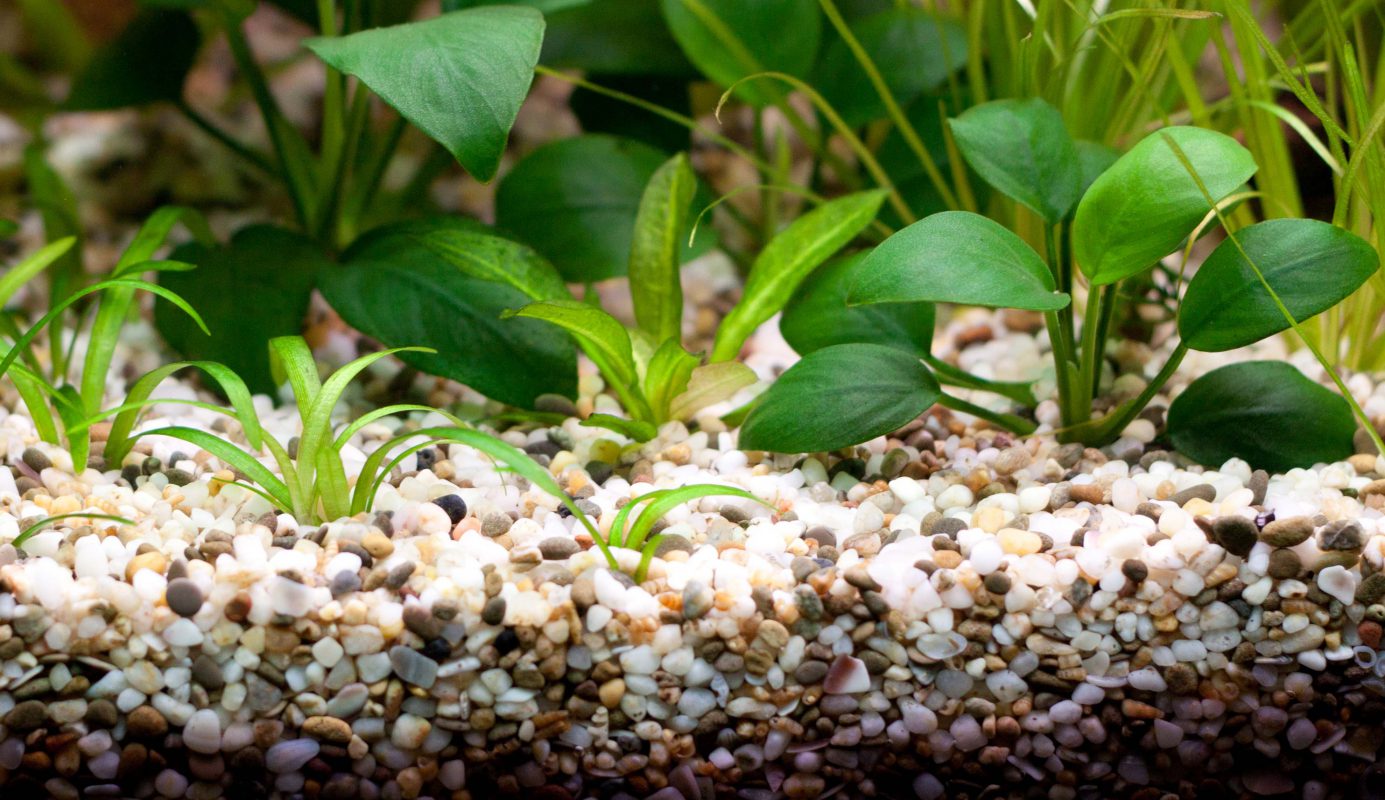
The substrate is the material that covers the bottom of your aquarium. It provides a surface for beneficial bacteria to grow and Can also Serve as a decoration for your aquarium. There are Many different types of substrates available, including gravel, sand, and crushed coral.
Decorations

Decorations
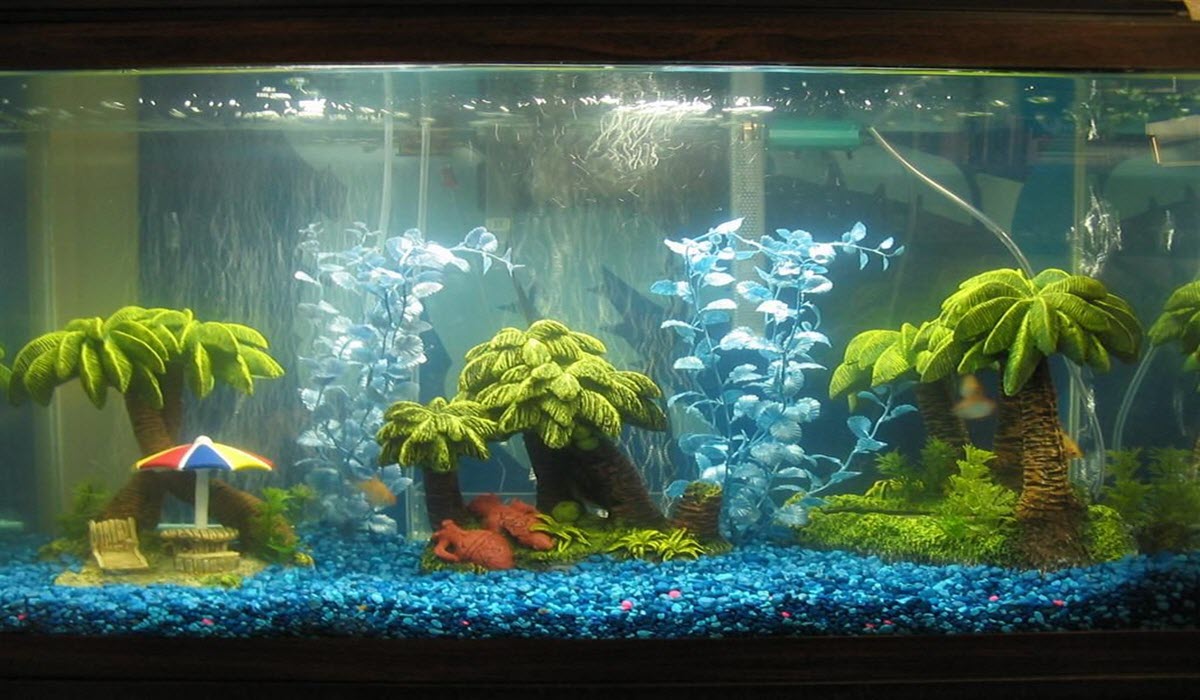
Decorations, such as rocks, plants, and driftwood, not only enhance the appearance of your aquarium but also provide hiding places and territories for your fish. Choose Decorations that are appropriate for the size of your tank and the needs of your fish.

Water Test Kit

water_test_kit-removebg-preview
A water test kit is Important for monitoring the water quality in your aquarium. It allows you to test for levels of ammonia, nitrite, nitrate, and pH, which can impact the Health of your fish. Test your water regularly and make adjustments as necessary.

aquarium plastic plant

Aquarium Fish Tank Plastic Plants and Cave Rock Decorations

JIH Aquarium Fish Tank Plastic Plants and Cave Rock Decorations Decor Set 7 Pieces, Small and Large Artificial Fish Tank Plants with Cave Rock

 Buy Now

Fish Food

food
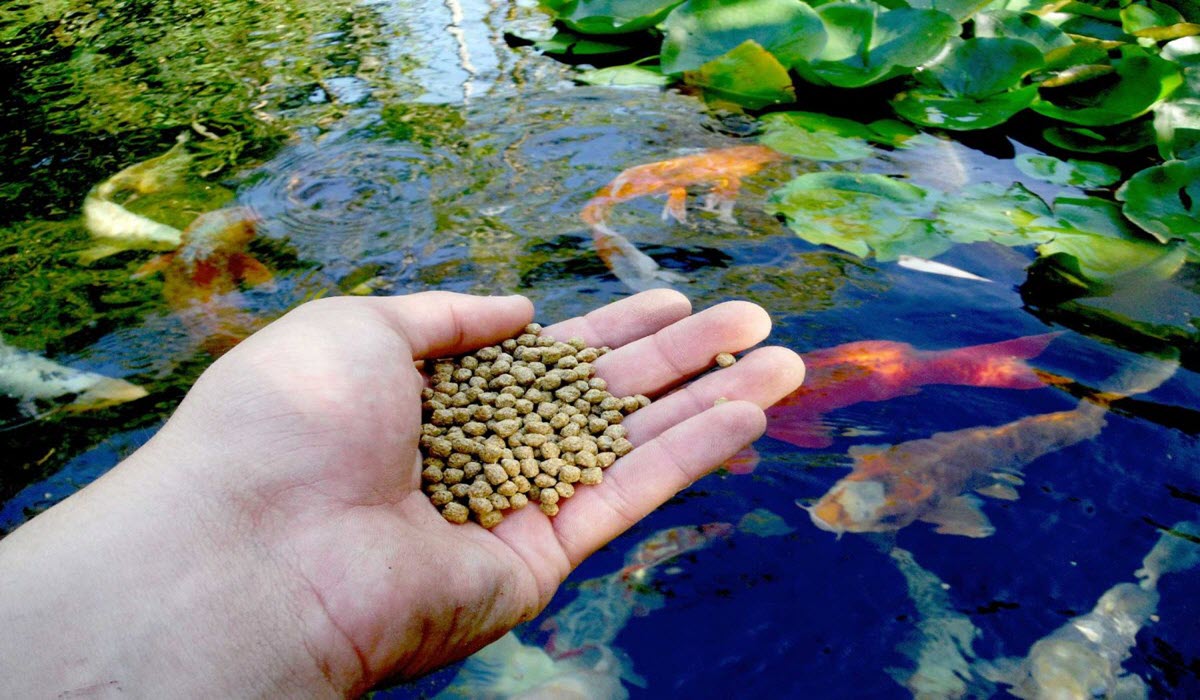
Finally, you’ll need fish food to provide nutrition for your fish. Choose a food appropriate for the species of fish you have and feed them according to the instructions on the package.

Conclusion

setup-in-home
These all are the needed equipments to setting up a new aquarium. With the Right knowledge, equipment, and care, you can create a beautiful and peaceful oasis in your home with an aquarium. Whether you’re a beginner or an experienced hobbyist, setting up an aquarium is a Wonderful way to connect with nature and add a touch of tranquility to your space.
Are you planning to grow betta fish? Betta fish live only in freshwater and Betta Fish are famous for their aggressive behavior and vibrant colors. Southeast Asia is the Native of Betta fish. Betta fish is a favorite of many because of their small size and low maintenance effort.

Betta fish live in small spaces, but a tank of at least 2.5 gallons is needed for betta fish’s good health and happiness. They require clean water, a filtered aquarium, and a balanced diet of pellets. In this article, We are Going to see How to grow betta fish faster in a bowl, Foods for a betta fish to grow Healthy Betta fish, Does betta fish need an oxygen motor? How to increase betta fish colors, It is a complete guide for beginners.
grow betta fish

Provide a Suitable Habitat

favorite
The first and most important step in growing Betta fish is to provide them with a suitable habitat. Betta fish are native to stagnant waters in Southeast Asia and require a heated aquarium with filtered water and plenty of hiding places. A 5-gallon tank is the minimum recommended size for one Betta fish, but larger tanks are always better. Make sure to include live or artificial plants and hiding spots, such as caves or PVC pipes, in a Tank.

Water Quality

betta fish
Water quality is the Key factor to the growth and health of your betta Fish. Check the quality parameters such as ammonia, pH, nitrate, and nitrite level Regularly. Overfeeding will cloud your water, so avoid overfeeding and do a weekly partial water change.

aquarium tank

Tetra Aquarium 20 Gallon Fish Tank

The Tetra 20 Gallon Aquarium kit is just what you need to dive into starting a new tank. The Tetra 20 Gallon Kit is perfect for the aquarist looking for a traditional aquarium with natural scenery or someone looking to break into this exciting hobby!

 Buy Now


Offer a Balanced Diet

Betta fish are omnivores, so they need a varied diet of dry and frozen foods, such as pellets, brine shrimp, and bloodworms. Feed your Betta fish 2-3 small meals a Day and Avoid overfeeding. You can use a feeding ring to control the amount of food and prevent it from sinking to the bottom of the tank, where it can decompose and affect the water quality.

Provide Appropriate Temperature

grow-betta-fish
Betta fish require a stable temperature between 76-82°F (24-28°C) to thrive. Use a heater to maintain the appropriate temperature, and consider using a thermometer to monitor the water temperature.

Keep Them Healthy

Regularly observe your Betta fish to ensure they are healthy and happy. Watch for signs of illness, such as lack of appetite or abnormal swimming behavior, and take appropriate action if necessary. A healthy diet, clean water, and suitable habitat are all Important factors in keeping your Betta fish healthy.

Can you Train a Betta Fish?

 fighter betta fish
Are Betta fish social with humans? Yes, Betta fish have a good bond with their owners, like other pets do with their owners. Betta fish show this bonding in a unique method. Betta fish will Always swim in front of their bonded human, They can also play with them after they get trained.

aquarium fish feeder

Automatic Aquarium Fish Feeder

FREESEA Aquarium Automatic Fish Feeder: Vacation Timer Feeder for Fish Tank Electric Adjustable Auto Fish Food Dispenser 0.05 Gal & Two Fixed Methods

 Buy Now


Betta Fish Training

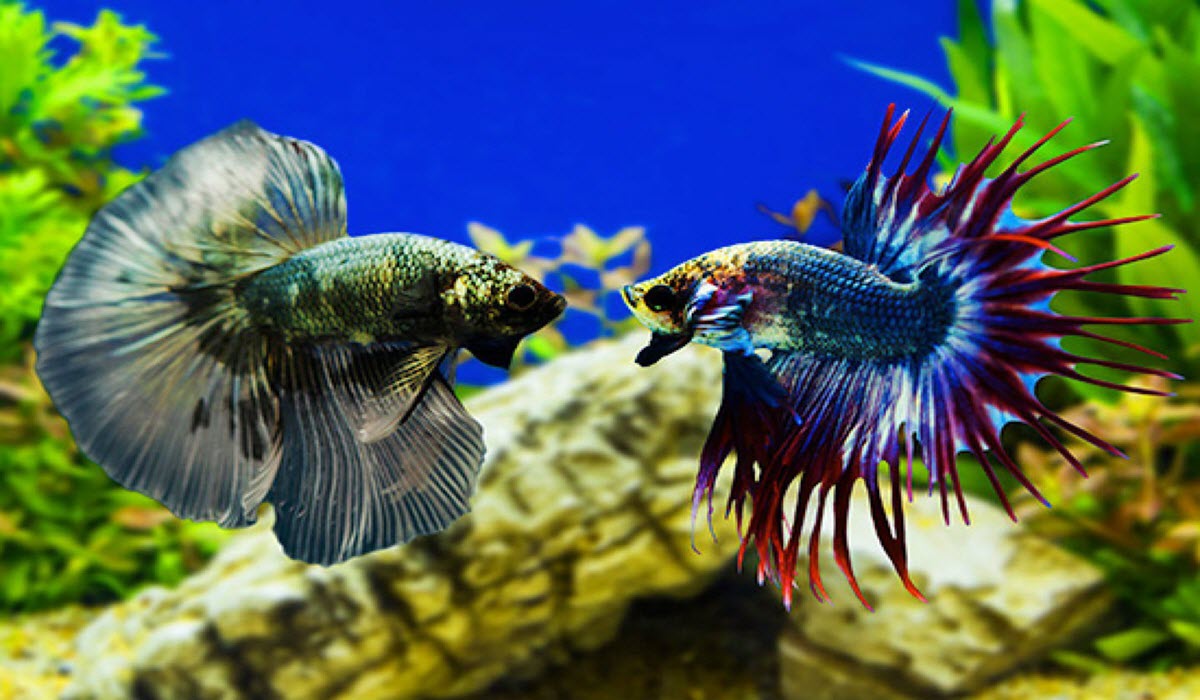
Betta fishes are well known for their aggressive character. If any other male fish will enter its own tertiary it will fight until death. In this case, sometimes your fish’s fins will get damaged, by providing quality food and a healthy environment you can grow your betta fish tail and fins bigger and more colorful again.

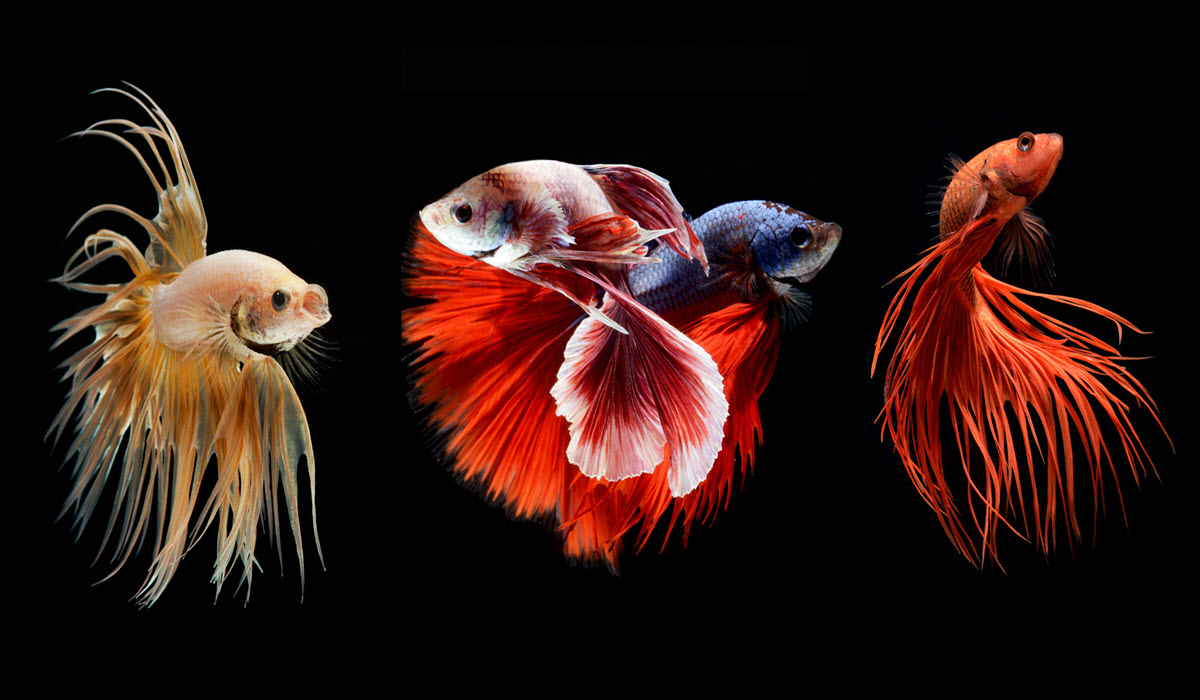
Types of Betta Fish

betta fish types
Veiltail, Crowntail, Combtail, Double Tail, Spadetail, Halfmoon, Over-half Moon, Delta, Super Delta, Half Sun, Rose Tail, Feather Tail, Plakat/Shortfin, Dumbo Ear/Elephant Ear.
In conclusion, Betta fish are beautiful and fascinating creatures that make great pets. With Proper care and attention, they can grow and thrive in your aquarium. By Following these Guidelines You will give your Betta fish the best possible chance to grow and flourish.
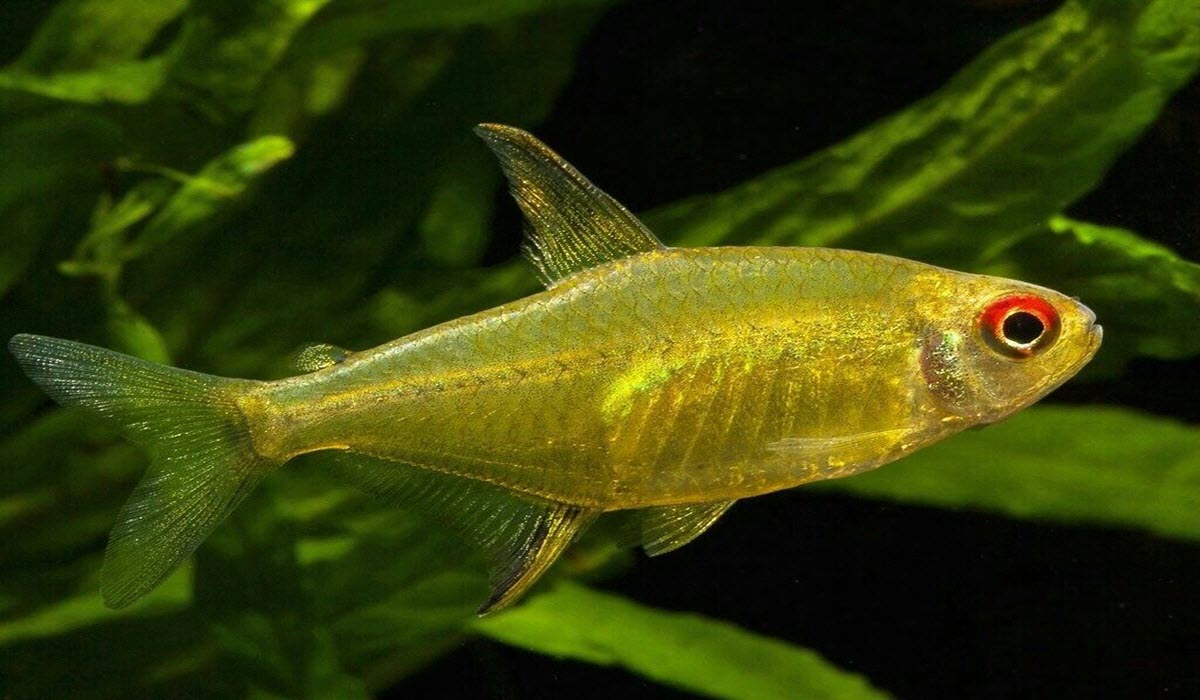
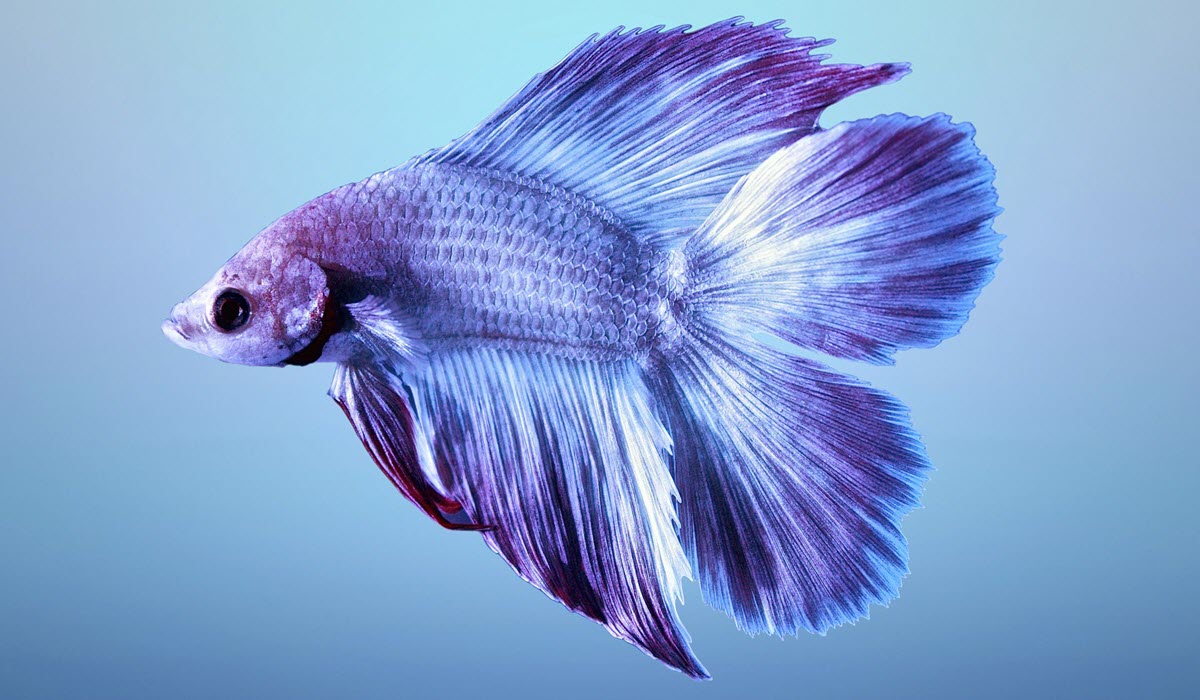
Finally, it is essential to spend time interacting with Betta fish and providing them with enrichment. This includes providing them with suitable decorations, live plants, and other hiding spots in the tank. Overall, by providing proper care and attention, betta fish can thrive and provide enjoyment for their owners for many years to come.

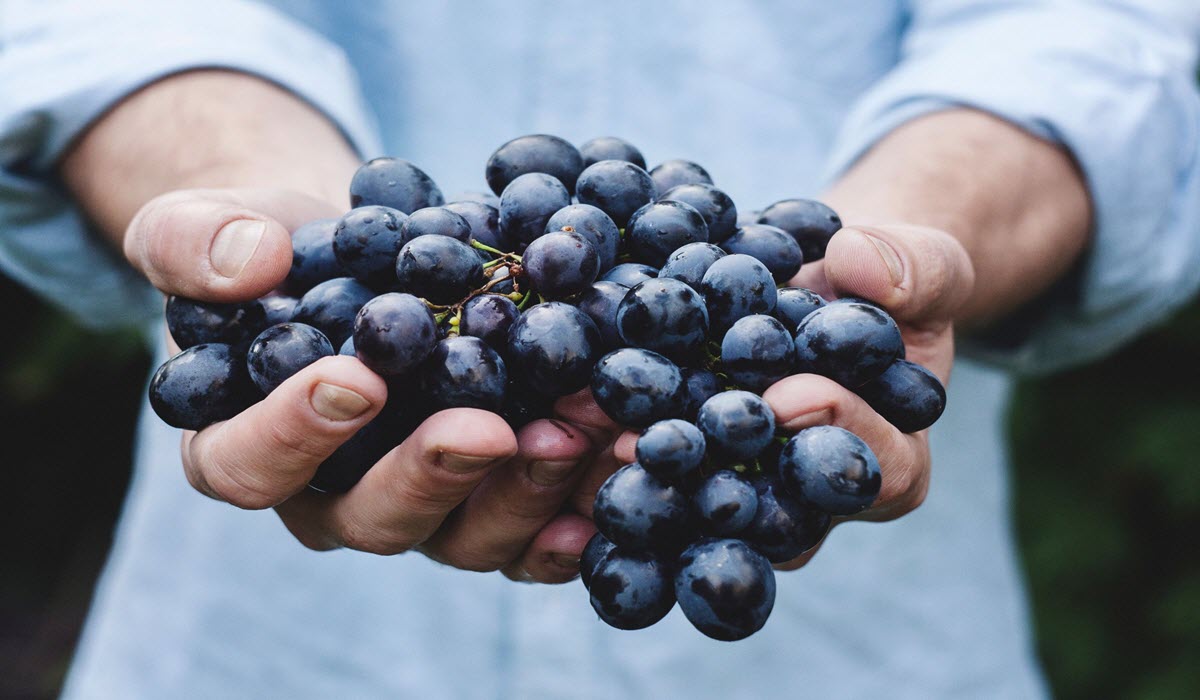
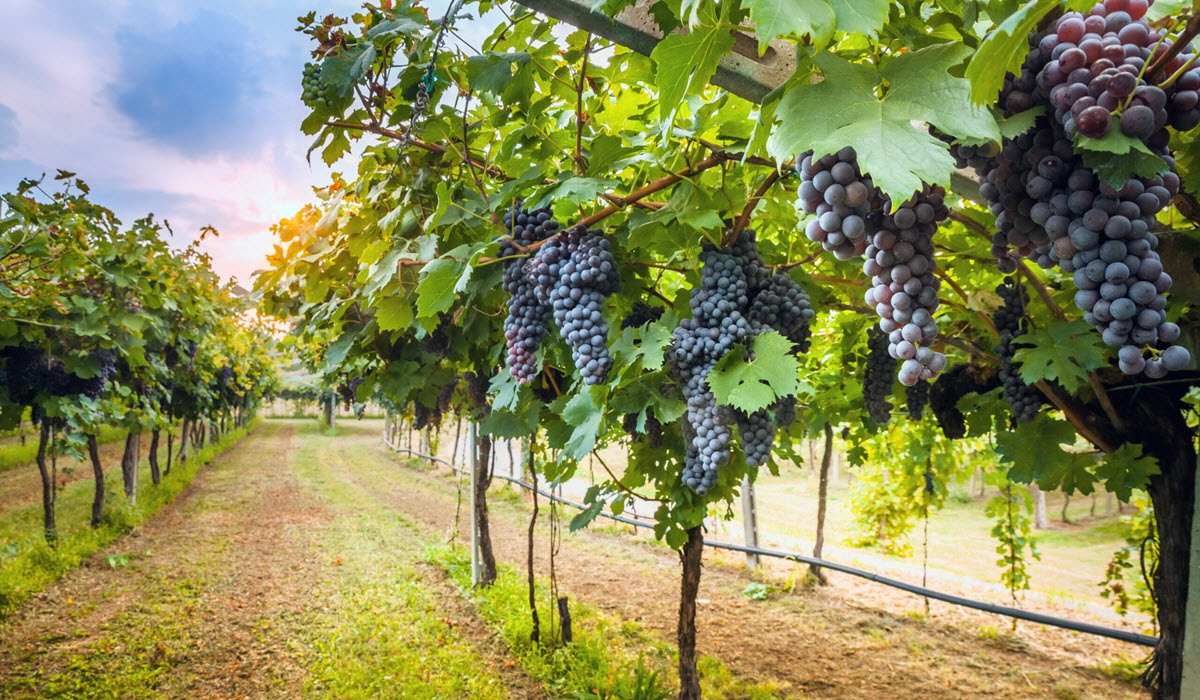
Grow grapes at home, without any chemical fertilizer and enjoy the natural taste of grapes. Here we are going to see the methods of how to grow grapes plants at home, grow grapes from seeds, how to grow grapes from cuttings, and many more.
vine

How to Grow Grapes from Seed

seed
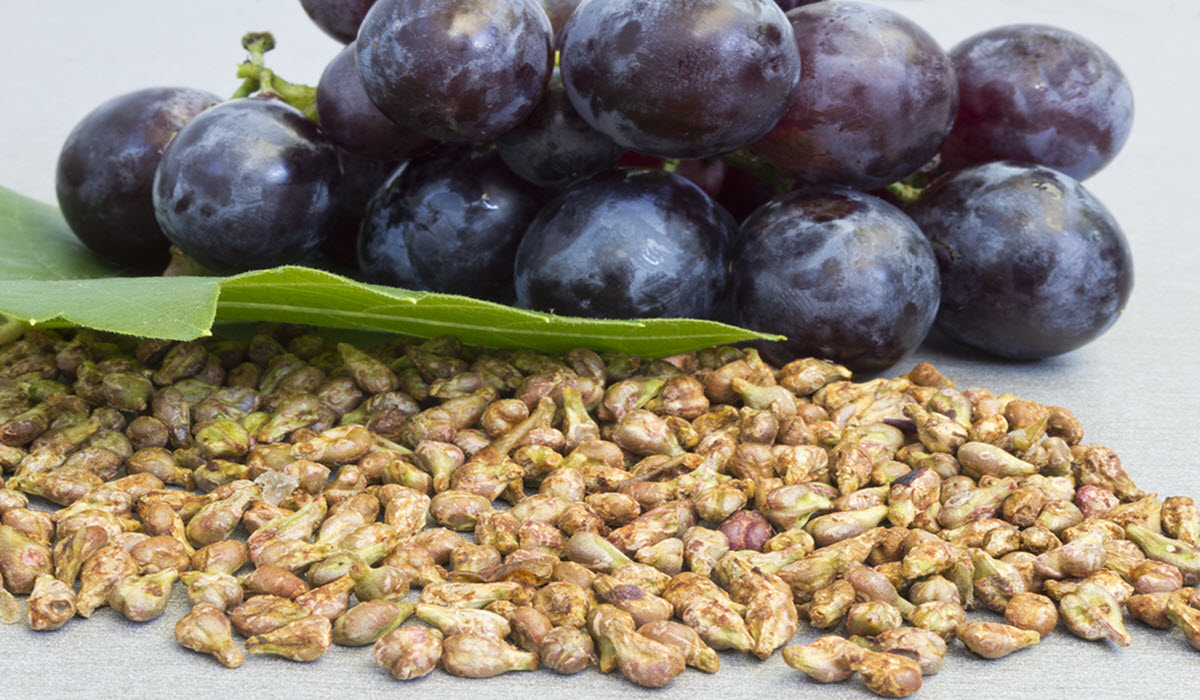
Germinating grape seeds can be a little bit tricky. Select the fine variety recommended for your surroundings which has been naturally grown.

Do not select a hybrid seed that may not grow like the native varieties. Growing time may take two to three years from seed to a vine and then produce grape, the duration to produce grapes is based upon the type of grape.

gardening kit icon

CHRYZTAL Stainless Steel Heavy Duty Gardening Tool Set

Garden Tool Set, Stainless Steel Heavy Duty Gardening Tool Set, with Non-Slip Rubber Grip, Storage Tote Bag, Outdoor Hand Tools, Ideal Garden Tool Kit Gifts for Women and Men

 Buy Now


Before planting, you must soak the seeds in tepid water for 24 hours, select the small size container, keep the seeds in the container wrapped with a paper towel, and then place the container in your refrigerator at 30 to 35 degrees Fahrenheit for two months. After two months, the seeds will start to produce two leaves.

Grow Grape at Home

home
Transplant the already prepared seedlings into pots or growing bags. Add some bio-fertilizers to the container for seeding strength. Select a 15-20 gallon container, that must be 16-18 inches deep, and 18-24 inches wide is enough. First, start with a small pot and then replace the larger one after the vine has grown up.

Then put the pot in the backyard or outside. Growing vines may take a few months.

Grow Grapes on a Fence

fence
Fences are also a good selection for growing grapes. You don’t need to install an extra trellis. Growing grapes along existing fences is a way to minimize the garden space if you don’t have a larger area for planting.

Each idea will have drawbacks at some times. Because Pruning and harvesting of grapes can be difficults along chain link fences, solid wood fences may offer the grapes too much shade, and Rodents wiil eat the fruits.

How to Grow Grapes from Cuttings

cutting
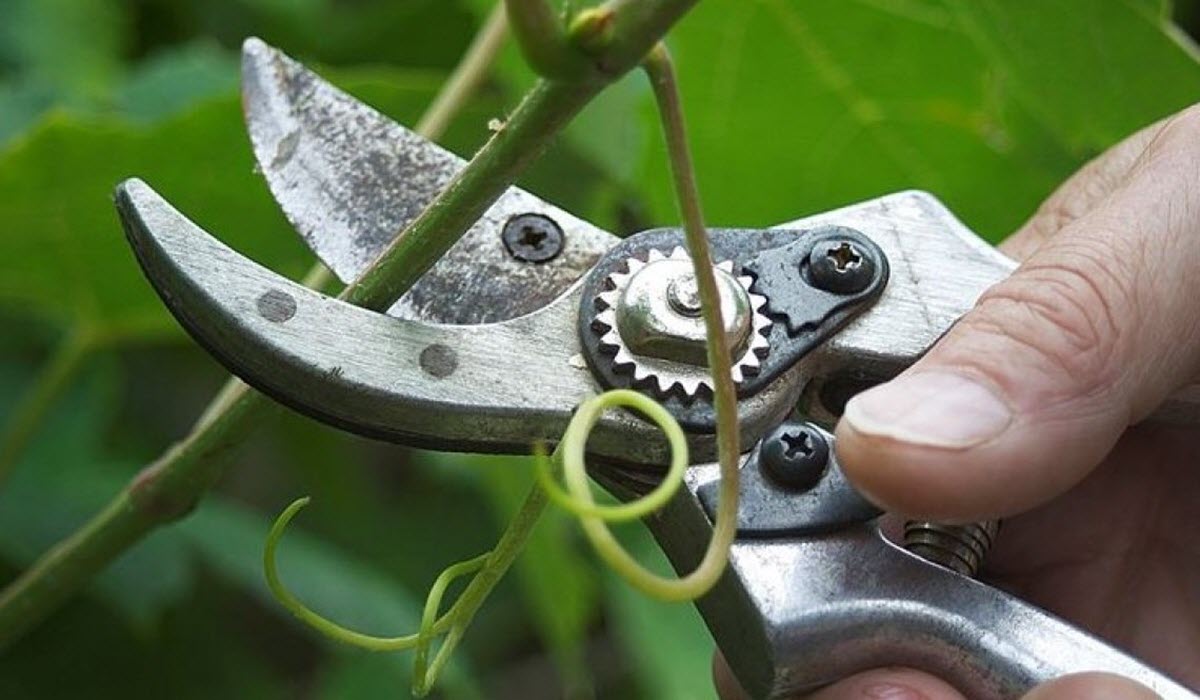
You can also grow grape plants from cuttings. First, select well-conditioned vines and then cut them into 16-18 inches long. Take many more cuttings than you need, because some of them won’t grow properly.

Pruner

5 pack Garden Pruning Shears Stainless Steel Blades

5 pack Garden Pruning Shears Stainless Steel Blades, Handheld Scissors Set with Gardening Gloves,Heavy Duty Garden Bypass Pruning Shears,Tree Trimmers Secateurs, Hand Pruner

 Buy Now


Then plant the vine cuttings in a pot or growing bag filled with garden soil and bio-fertilizers. It may take around two years to produce grapes.

Benefits of Grapes

garden

    • Maintains the proper sugar level and controls the diabetes possibilities.
    • Improves Memory, Eye health.
    • Slowing aging and promoting the longevity.
    • Good for Skin care and hair health.
    • Support getting deep sleep.


Grapes contain many valuable nutrients which are necessary for human life. Plant more Grapes to get more benefits.

If you ask people with pets what they prefer to keep, there’s a good chance their answer is going to be cats. Apart from being cute and fluffy, cats are cleanliness-friendly as well. With their large beady eyes and plump bodies, they are surely some of the most loved creatures in the world. Here I have listed the 10 most beautiful cat breeds in the world.

10. British Shorthair

British Shorthair Cat

 grooming brush

Maxpower Planet Pet Grooming Brush

Maxpower Planet Pet Grooming Brush – Double Sided Shedding and Dematting Undercoat Rake Comb for Dogs and Cats,Extra Wide, Blue, Dog Grooming Brush, Dog Shedding Brush

 Buy Now


They are one of the oldest breeds of cats in the world. These cat names are derived from the fact that they were imported to Britain in the earlier times from Egypt. They are a good choice for a homely pet. Their short coating of hair makes them easier to maintain.

9. Exotic shorthair

Exotic shorthair Cat

Thinking, “Which is the most beautiful cat breed?” Then this breed is definitely one of them. A cross of Persian and shorthair breeds, they are some of the most beautiful cats in the world with their short bodies and beady eyes.

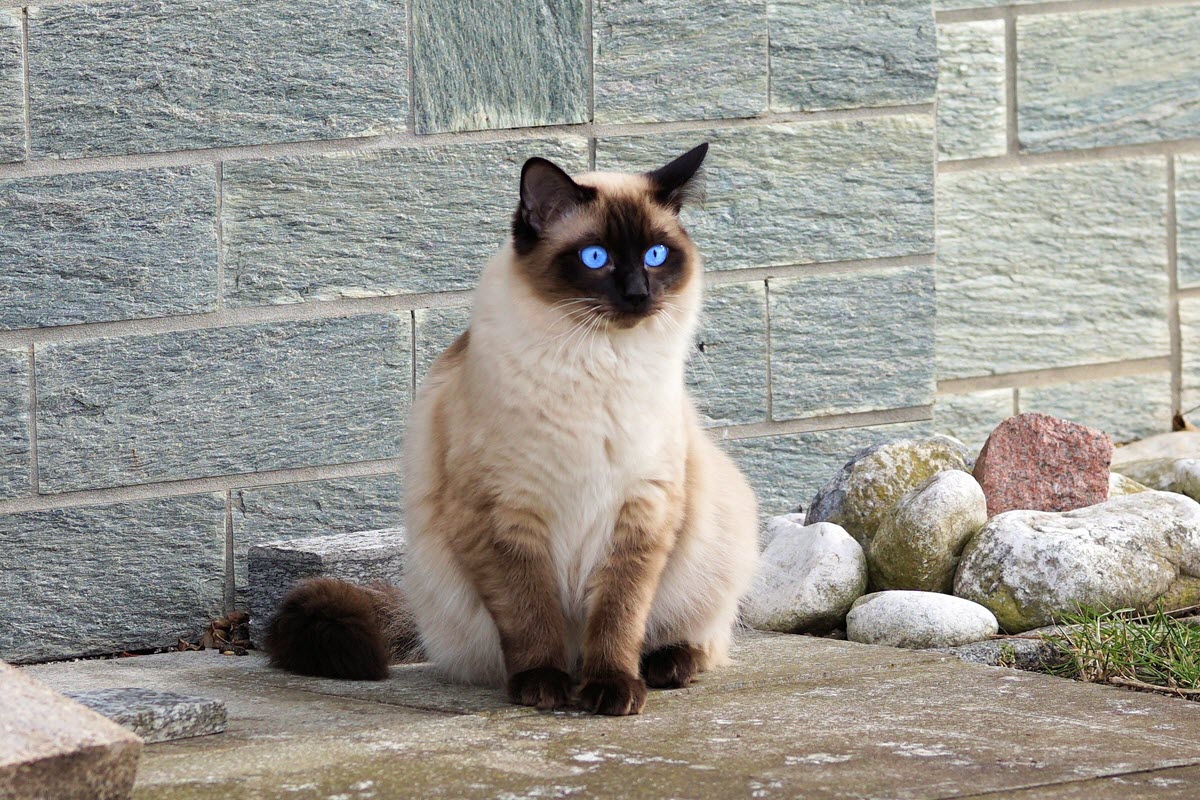
8. The Birman Cat

Birman Cat

Birman has considered one of the most beautiful cats breeds in the world and their sacred legend adds to their charm. It is said that his breed of cats stayed by a dying priest in a Burmese temple. This transformed the colour of their body to golden and their eyes blue. No wonder they look heavenly!

7. Abyssinian Cats

Abyssinian Cat

These cat names have been kept from their place of origination- Abyssinia (now Ethiopia). The sharp, pointy ears add to their physical beauty and this breed is quite intelligent too.

6. Scottish Fold

Scottish Fold Cat

pet grooming kit

Bunfly Pet Clipper Grooming Kit & Vacuum Suction

Bunfly Pet Clipper Grooming Kit & Vacuum Suction 99% Pet Hair, 6 Proven Grooming Tools, 2.5L Large-Capacity Easy Empty Dustbin for Pet Hair, Home and Car Cleaning-Brown

 Buy Now

The word ‘fold’ was added to its name because of its round face and ears. The striking yellow colour of their eyes is the highlight of their appearance. No wonder they are some of the cutest cat breeds the world has seen.

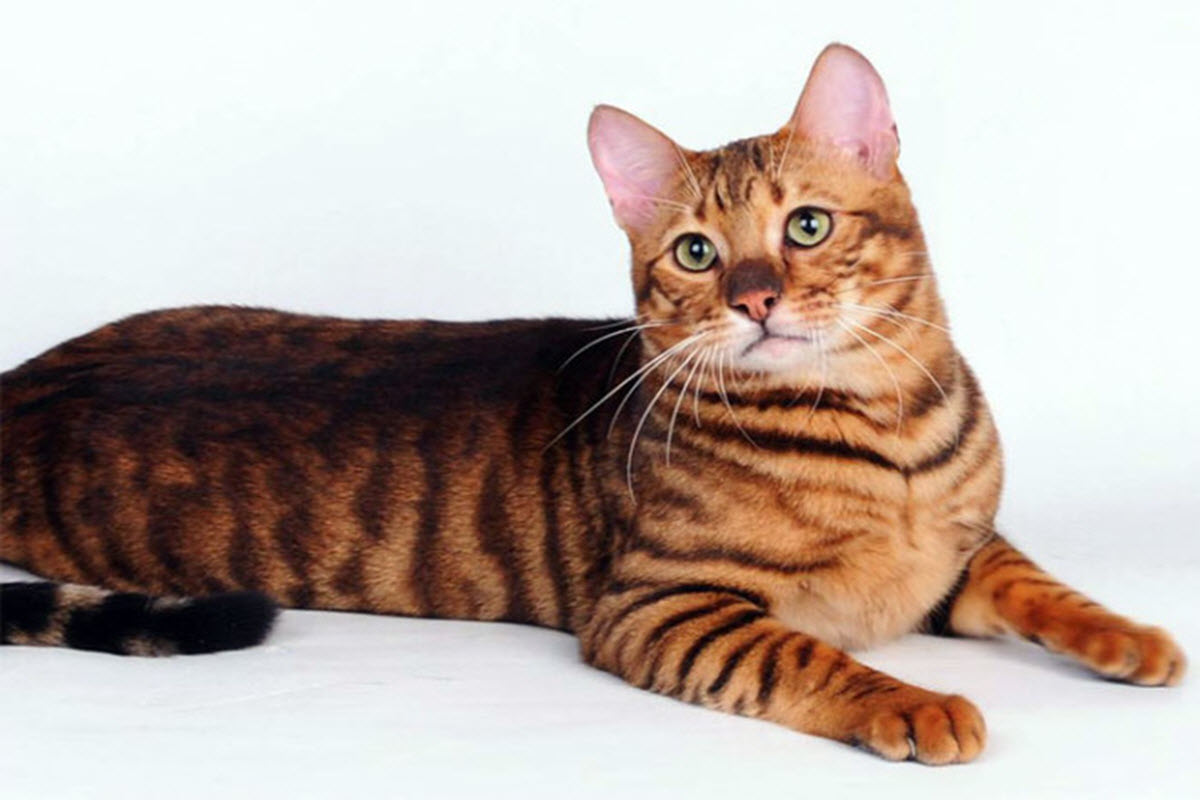
5. Toyger Cat

Toyger Cat

Just like the name sounds, this cat looks a lot like a tiger with similar stripes. They are a cross between striped domestic shorthair and a Bengal tabby. They are muscular as well as active so the owner won’t get bored of them ever. They are interesting pets to own.

4. Maine Coon

Maine Coon Cat

If you want to know the answer to ‘Which is the world’s beautiful cat?’ this breed would certainly be it. After all, they are the most domesticated cat breed in the world. Their colourful eyes and playful nature make them perfect pets to own.

3. Ragdoll Cat

Ragdoll Cat

They look like dolls and their fluffy mid-length fur adds to their appeal. Their blue eyes stand out in their physical features while their energy and loyalty make them a good fit for domestication.

2. Persian Cat

Persian Cat

If you are thinking ‘What is the coolest cat in the world?’ a Persian Cat will give you a run for your money. Their thick furry coats are sported in colours like red, white and lilac among 80 colour variants. In short, their size and beauty make them a nice addition to the family as pets.

1. Siamese

Siamese Cats

The Siamese Cats are one of the most beautiful cat breeds in the world with their triangular head and long ears. They are social creatures with excellent communication skills with their owners.

These are some of the most beautiful cats in the world. Though shedding might be a problem for some breeds, they are all undeniably adorable and good enough to bring home.

Someone has rightly said, “Every flower is a soul blossoming in Nature.” Be it adorned in your garden in multiple colours or decorated in a vase to brighten up your home, they have a way of lifting people’s moods. If you are wondering ‘What are the 10 most beautiful flowers in the world?’ this has got you covered.

Here is a list of the Top 10 Most Beautiful Flowers in the World

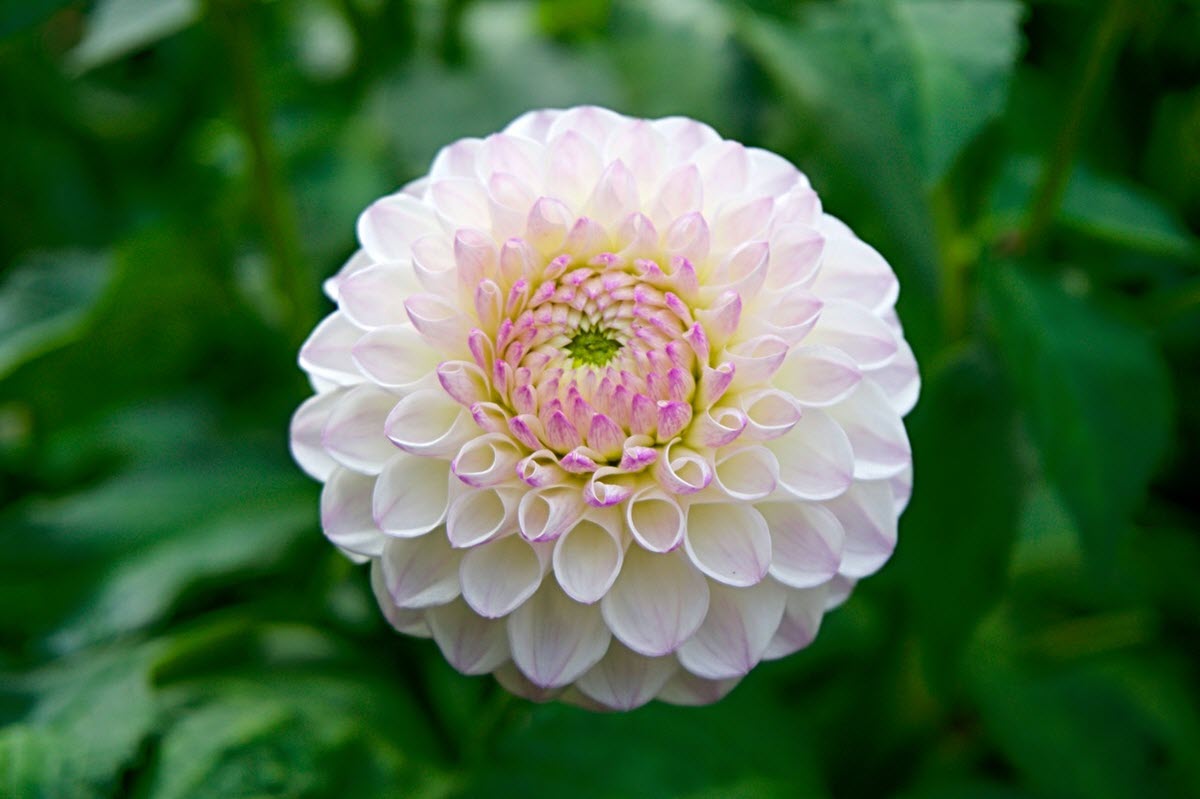
10. Most Beautiful Dahlia Flower

most beautiful flowers

When it comes to Dahlia, size does matter. The varied colours and sizes of this flower make it a widely loved flower for people of all choices. The flower plants are more or less the same in size but the variety determines the size of the flower. If you are a fan of bright colours and large flowers, go for Dahlia.

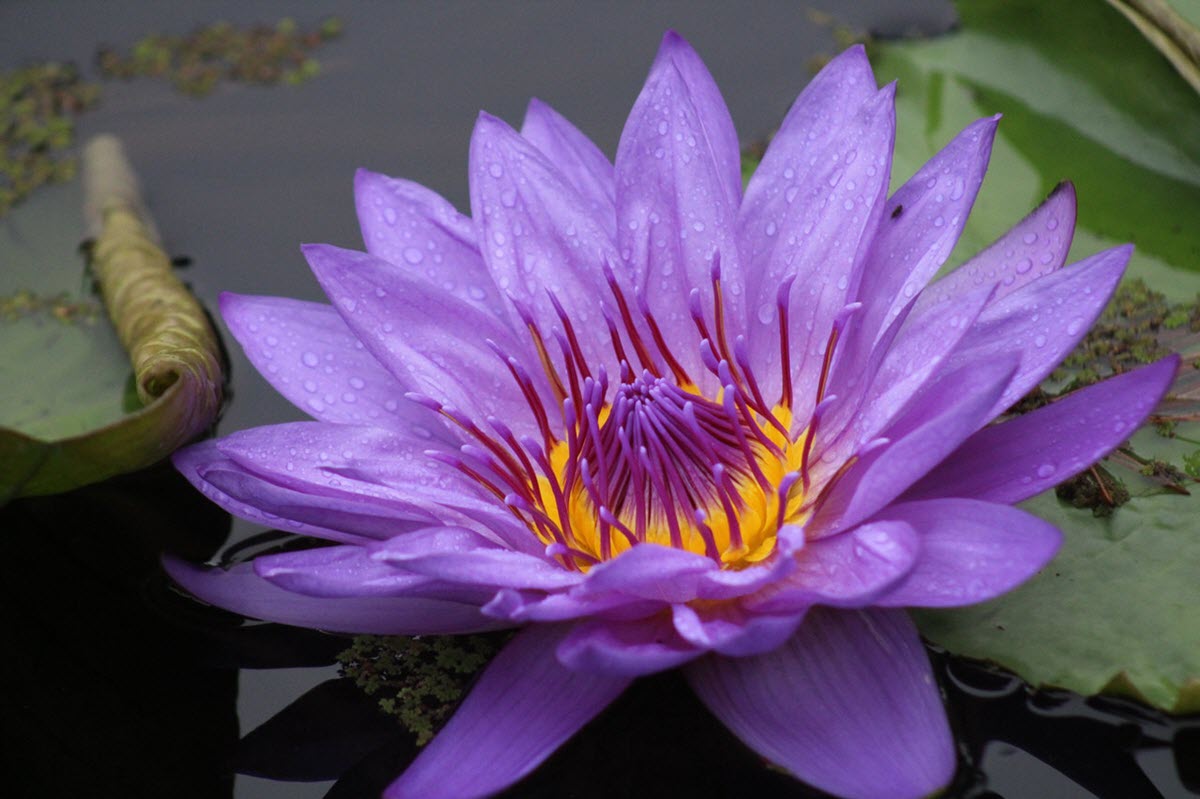
9. Water Lily

most beautiful Water Lily flower
Delicate is the word for the elegance and beauty of a flower-like Water Lily. It is known as the ‘queen of the aquatic flowers’ not only for its beauty but also for its ability to regulate the temperature of the water and ecosystem balance. It is counted among one of the prettiest flowers to grow.

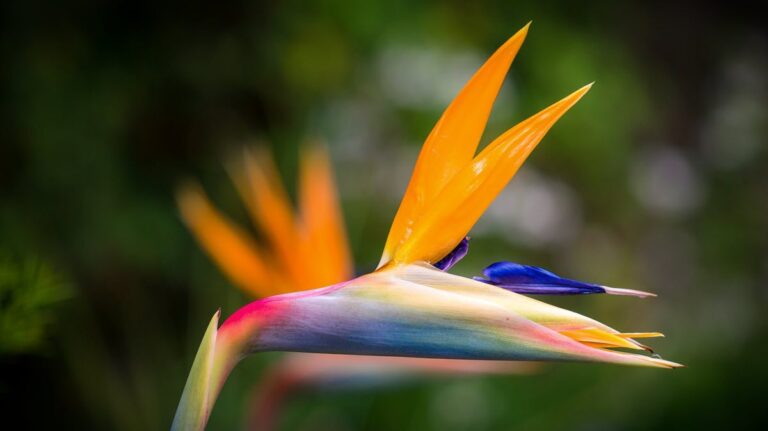
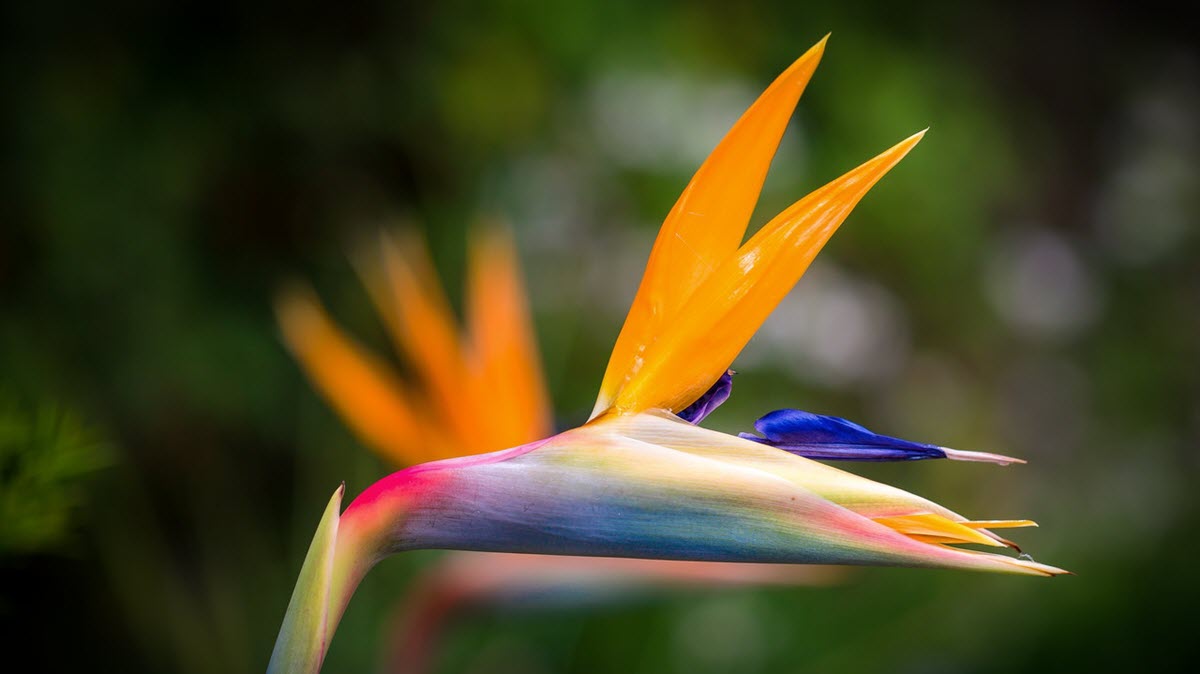
8. Bird of Paradise

Bird of Paradise flower
These flowers are a piece of art created by nature. The native South African flower blooms and takes the shape of a flying Birds of Paradise. The name is also one of the most beautiful flower names you’ll come across.

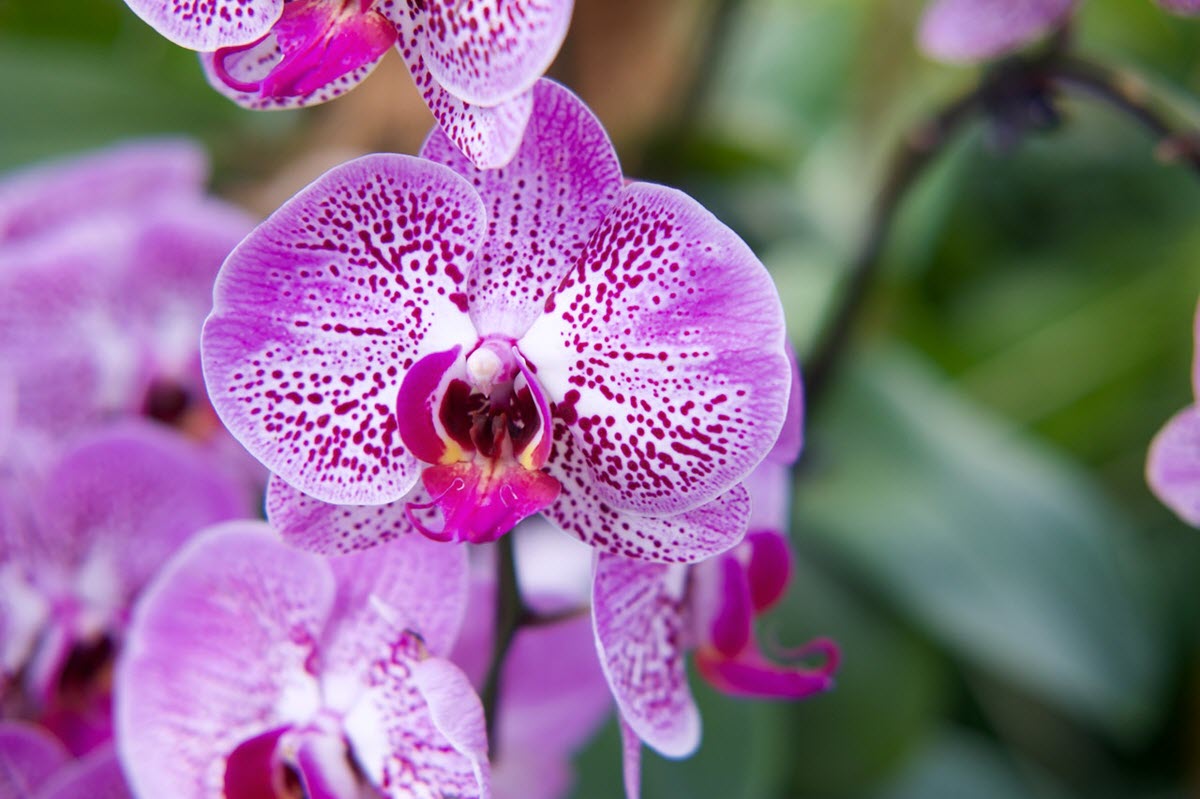
7. Orchid

most beautiful Orchid flower
An orchid embodies the word ‘vibrant’ with its unique colours. It is found all over the world and that’s what makes it one of the easiest flowers to grow.

gardening kit icon

CHRYZTAL Stainless Steel Heavy Duty Gardening Tool Set

Garden Tool Set, Stainless Steel Heavy Duty Gardening Tool Set, with Non-Slip Rubber Grip, Storage Tote Bag, Outdoor Hand Tools, Ideal Garden Tool Kit Gifts for Women and Men

 Buy Now

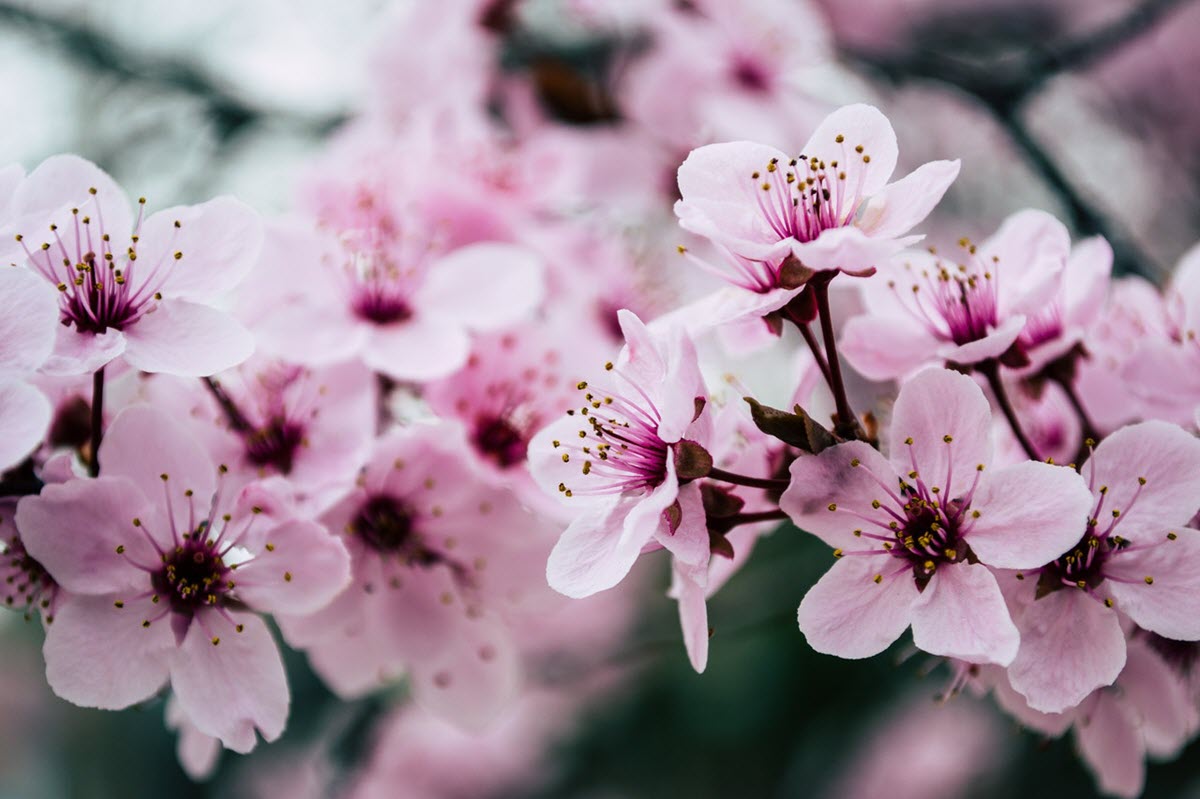
6. Cherry Blossom

most beautiful flowers
This flower names an entire festival celebrating its bloom. The National Cherry Blossom Festival celebrates the blooming of these soft pink flowers. In Japanese culture, they are regarded as a sign of health and happiness.

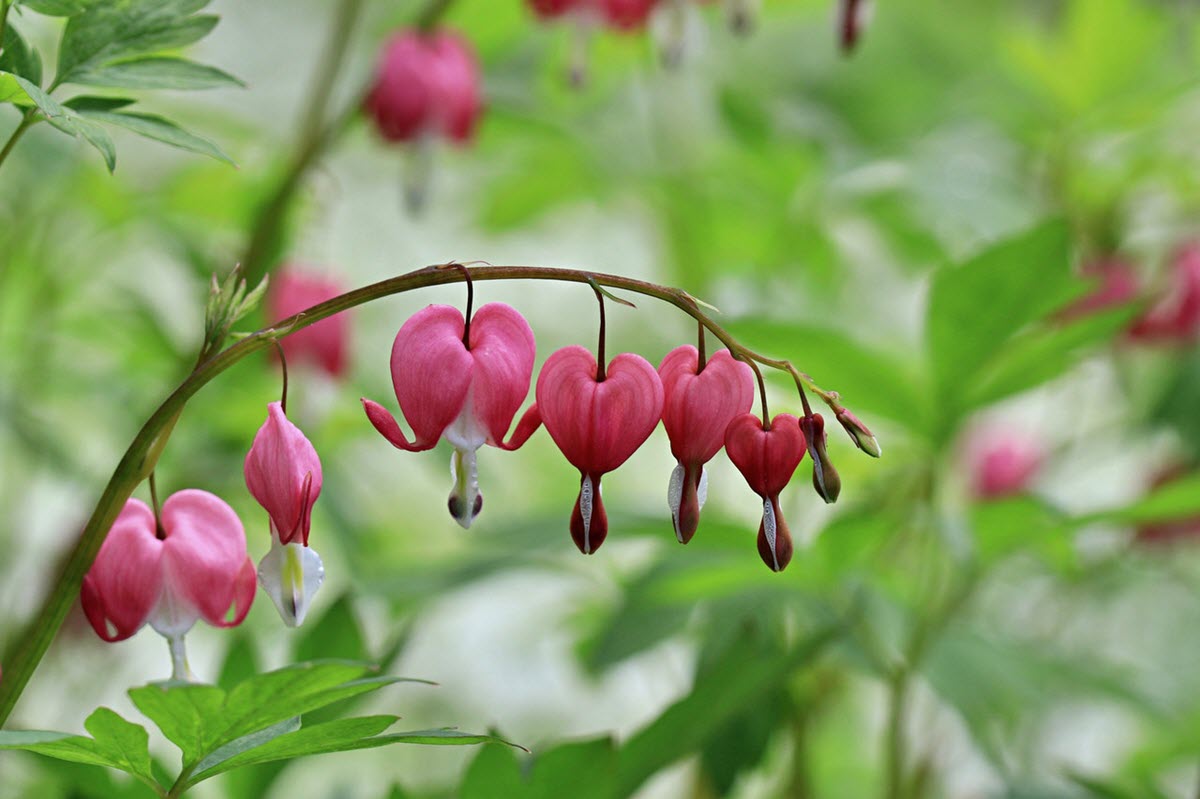
5. Bleeding Heart

most beautiful flowers
If love was represented literally with a flower, it would be with a Bleeding Heart. The heart-shaped flowers are popular for their bright pink and white appearance.

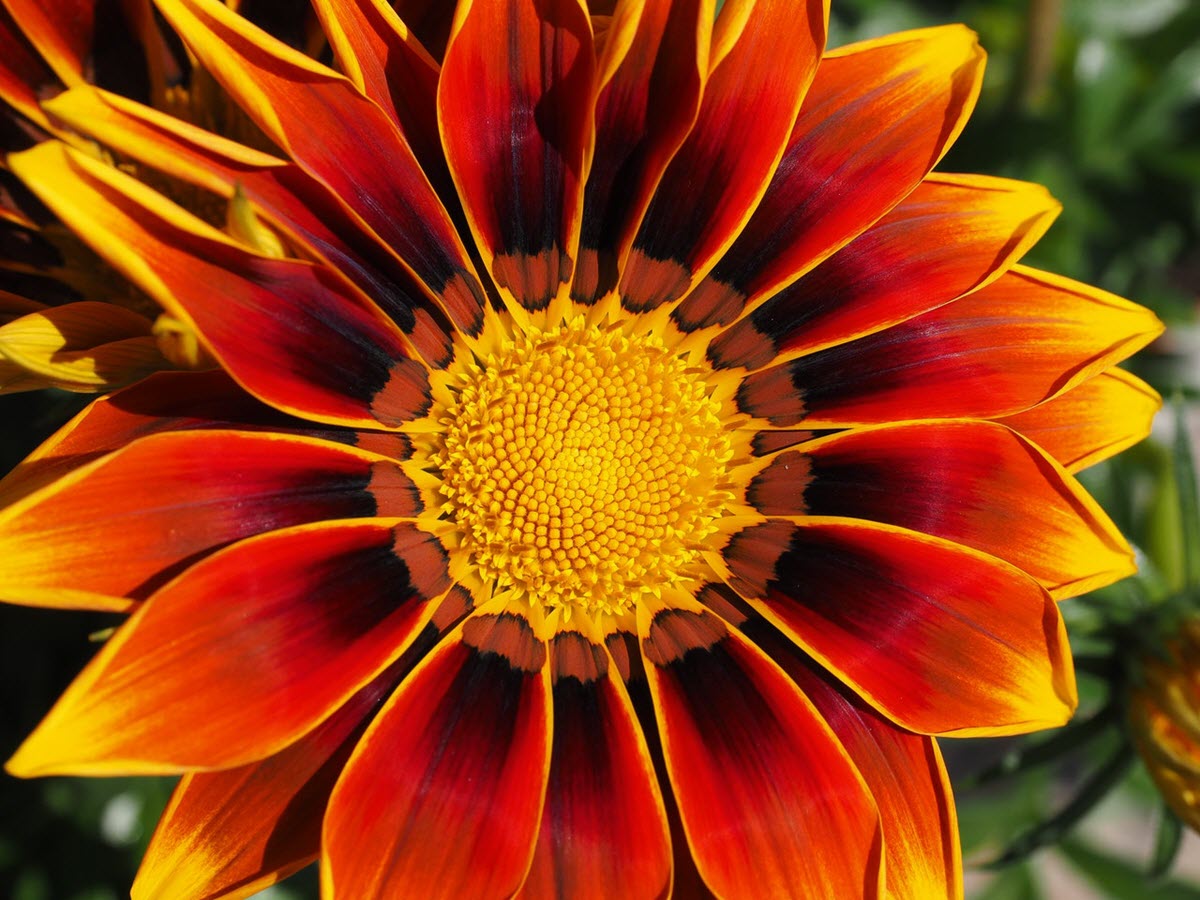
4. Gazania

most beautiful Gazania flower
Bright as the sun, these flowers are some of the most attractive ones you’ll see with its ability to catch anyone’s attention. The native South African flower faces the sun when it opens in the daytime and then closes at night.

Gardening gloves

Gardening Gloves for Women and Ladies

COOLJOB Gardening Gloves for Women and Ladies, 6 Pairs Breathable Rubber Coated Yard Garden Gloves, Outdoor Protective Work Gloves with Grip, Medium Size Fits Most, Red & Green

 Buy Now

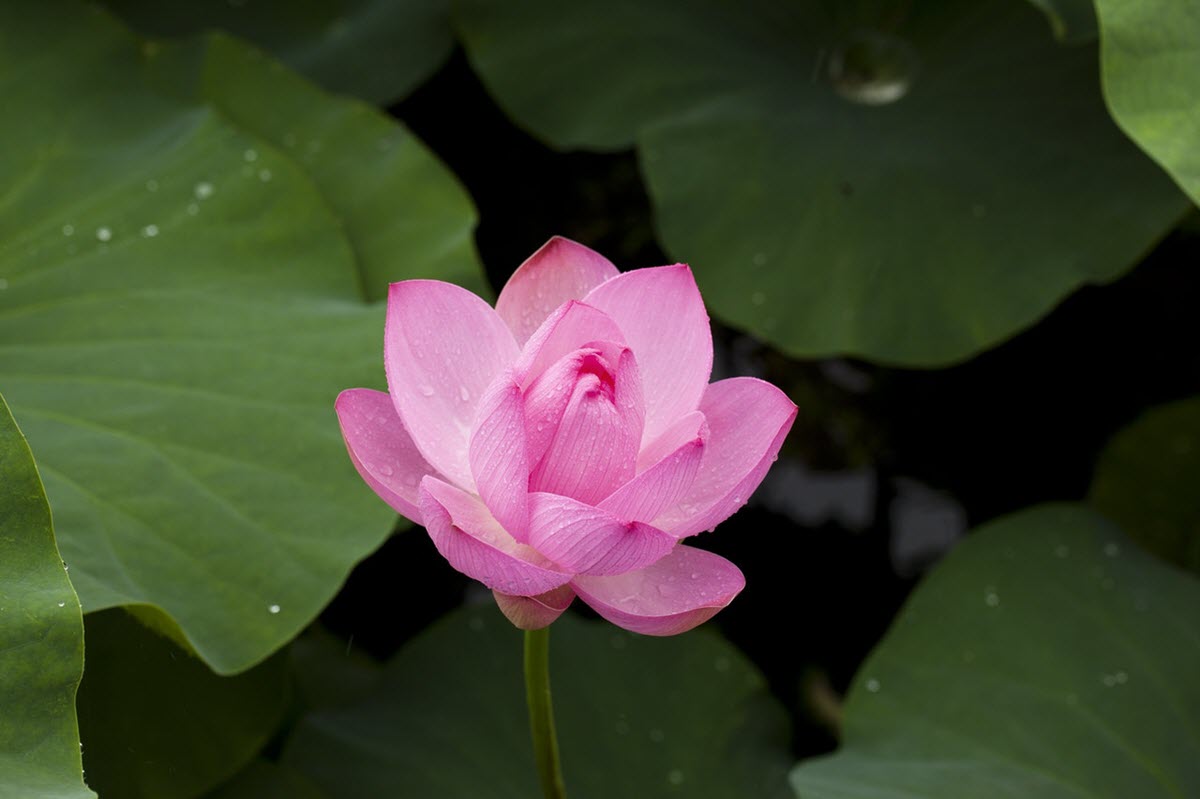
3. Lotus

Lotus flower
Just like a diamond is found in a coal mine, a lotus is born from the swampiest of ponds. The bright pink colour and velvety petals make it one of the prettiest flowers one can find.

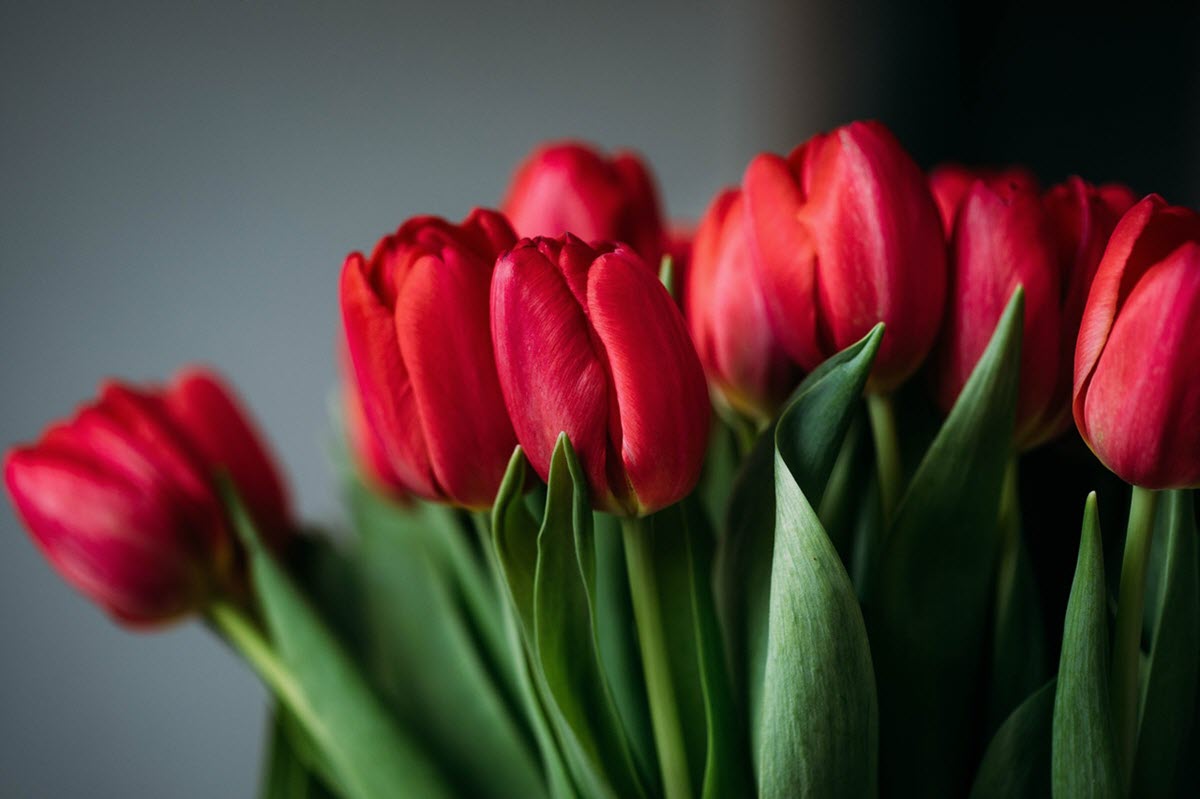
2. Tulip

beautiful Tulip flower
If someone asks ‘What are the top 10 flowers?’ then tulips have to be counted among them. It might be one of the most cultivated flowers in the world but it blooms only for a span of a week.

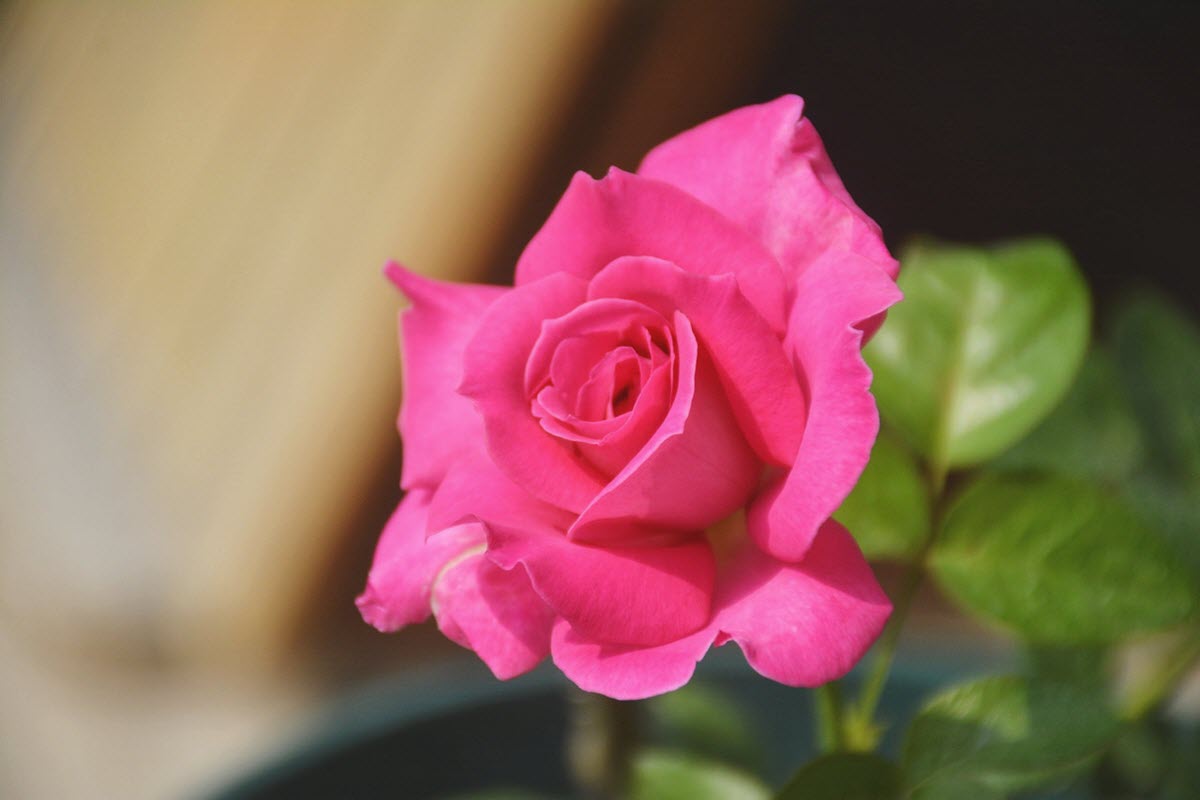
1. Rose

most beautiful flowers
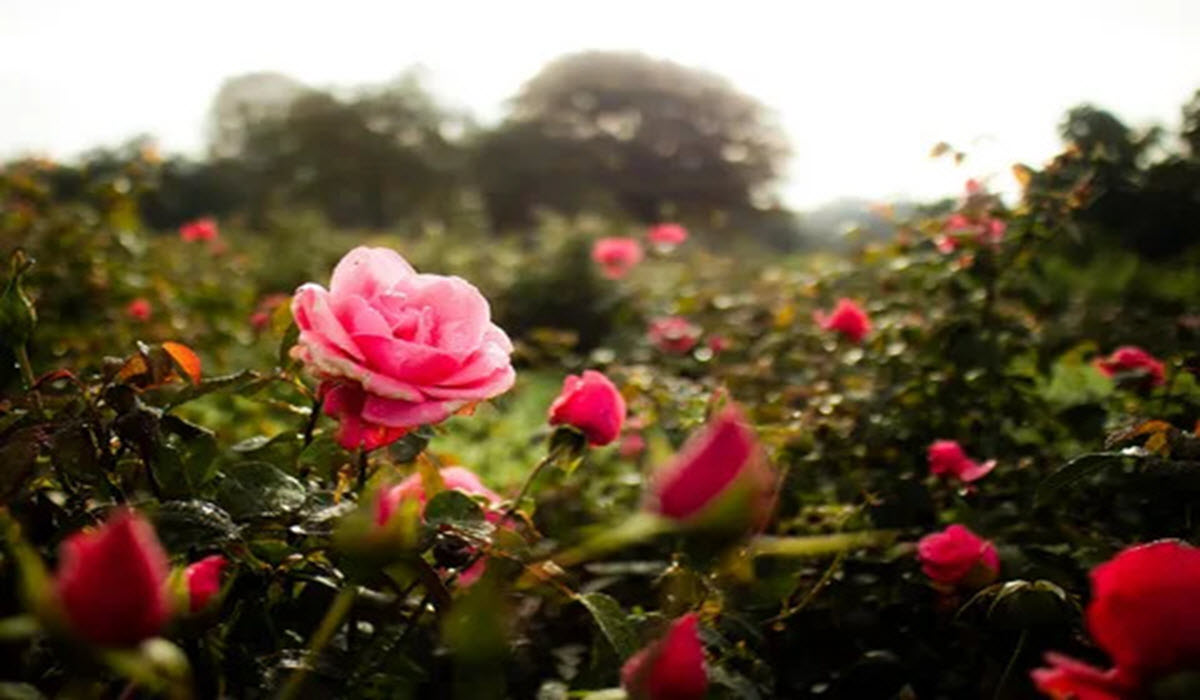
For the ones thinking ‘Which flowers are most beautiful? Here is Rose at the top of the list. They are undeniably the most loved flower in the world. It has widely become a symbol of love because of its colour, especially the red one. Every shade holds a beauty of its own.

Every flower is beautiful in its own body and its alluring colours are pleasant to see. The visual aesthetic of these flowers combined with the attractive aroma of some earns them a spot on the top 10 beautiful flowers in the world.

Pin It